Review · UBUD
Ubud: Balinese Cooking Class and Market Tour
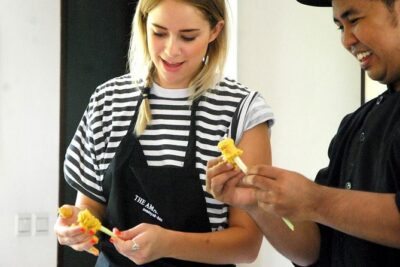
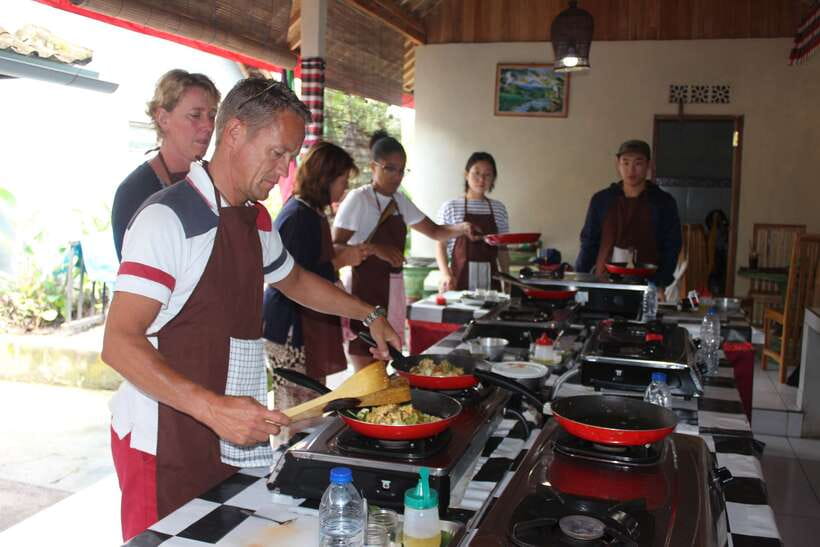
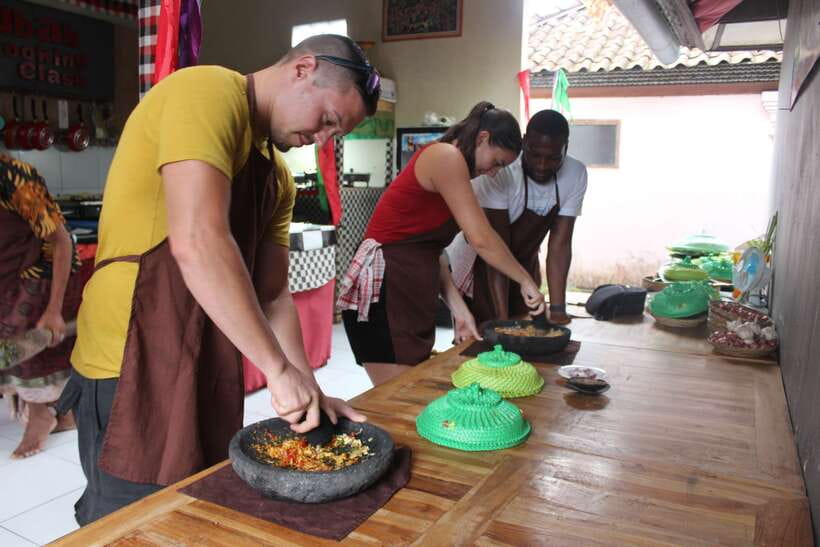
The best part of this Ubud experience is the sheer amount of cooking you do. You help prepare nine Balinese dishes, then sit down and eat the full spread with the group. It is less a quick demonstration and more a friendly kitchen session where you chop, mix, pound, and cook with help from the chef.
I like the real local market and the family-compound setting. I also like the patient teaching style reported from instructors such as Wayan, Putu, Butu, and Tata. The main catch is simple: only morning classes include the market and rice paddies, while afternoon classes replace them with a Canang offering lesson and dinner.
Key points before you book
- Nine dishes in one four-hour class: You prepare a broad Balinese menu and eat it together at the end.
- Morning means more sightseeing: Visit a local market, taste fruit, and stop at rice paddies before cooking.
- Afternoon has a cultural extra: Make a Canang offering, then cook and share dinner.
- Small groups keep it hands-on: The maximum is 14 people, though some sessions are much smaller.
- Authentic market, not a polished food hall: Expect tight quarters, dirt floors, flies, and the ordinary sights of a working market.
- Good value at $23: Pickup in Ubud, a guide, food, the class, and a recipe PDF are included.
A four-hour introduction to Balinese food
This is a practical way to get beyond restaurant menus. In four hours, you see ingredients in a local market, learn how they fit into Balinese cooking, and use them yourself under the chef’s direction. The class also gives you a recipe PDF, so the experience can continue after you leave Bali.
The price is $23 per person, which is strong value for the amount of food and instruction involved. You are not paying only for a plate of lunch. The fee covers a guide, nine signature dishes, a welcome drink, the cooking session, and Ubud-area hotel pickup and drop-off. Morning participants also get the market and rice-field stops.
The group limit is 14. That is small enough for personal help, though the experience will feel different with 14 people than with four. Smaller groups allow more direct cooking and easier conversation. In larger groups, you may share tasks, but the instructors are there to keep the food moving and help if you make a mistake.
The class is conducted in English. Children under six cannot join, and the activity is not suitable for wheelchair users. Bring a camera, cash, and headphones if you need them during the transfer or for personal use.
More Market Tour Cooking Classes in Indonesia
- Ubud: Cooking Class with Transfers and Optional Market Visit
★ 4.9 · 824 reviews - Balinese Ubud cooking school (9 Dish Cooking and Market Tour)
★ 5.0 · 540 reviews - Seminyak: Balinese Cooking Class & Market Tour
★ 4.9 · 458 reviews
Morning market: the most local part of the day
For the morning option, the day begins with a visit to a local market. This is not presented as a decorative market built for sightseeing. It is a working place where people buy and sell food, produce, and ingredients for daily cooking.
That difference matters. You may see narrow walkways, dirt floors, flies, strong smells, and raw meat. One description specifically notes tight quarters and blood. I would treat this as a genuine cultural stop, not a sanitized attraction. If you want a polished market with wide aisles and neat displays, this may feel rough. If you want to see how food is actually bought and sold, it adds real context to the cooking class.
The guide explains the ingredients and helps you understand what you are seeing. You may taste local fruit and other treats, with the guide comparing unfamiliar flavors to fruit you already know. You can also see Hindu offering materials, vegetables, and cooking supplies.
Putu has been singled out for explaining both the food and the market customs clearly. Tata is another guide associated with friendly, capable English-language guiding. Names and staff can change, but the useful feature is the personal explanation. You are not simply dropped at the market and told to walk around.
The market stop also helps you notice that Balinese cooking begins long before the stove. Ingredients are selected in a social, everyday setting, and many foods have a place in family meals and religious life. You will not learn every detail in one visit, but you will have a better sense of how the class connects to ordinary Bali.
Rice paddies and the importance of rice
Morning participants also visit local rice paddies. This is a short cultural stop rather than a full farming tour, but it gives the cooking class a wider setting.
Putu has explained the importance of rice to Balinese people and has personal experience with a rice field. That makes the visit more useful than a photo stop alone. You can connect the fields to the rice-based meals you will later prepare.
The order of stops can vary, but the morning program typically links the market, rice fields, and cooking school. The countryside drive is part of the appeal. You get a look beyond central Ubud and see how food production fits into the area around town.
Do not book the afternoon session expecting this part. The market and rice paddies are specifically for morning classes. If those stops are your priority, check the available start time carefully before paying.
Inside the family compound cooking school
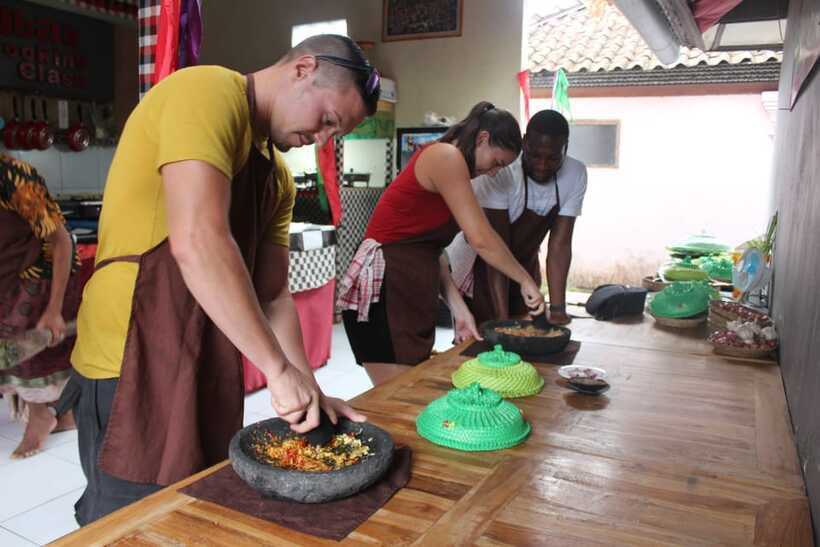
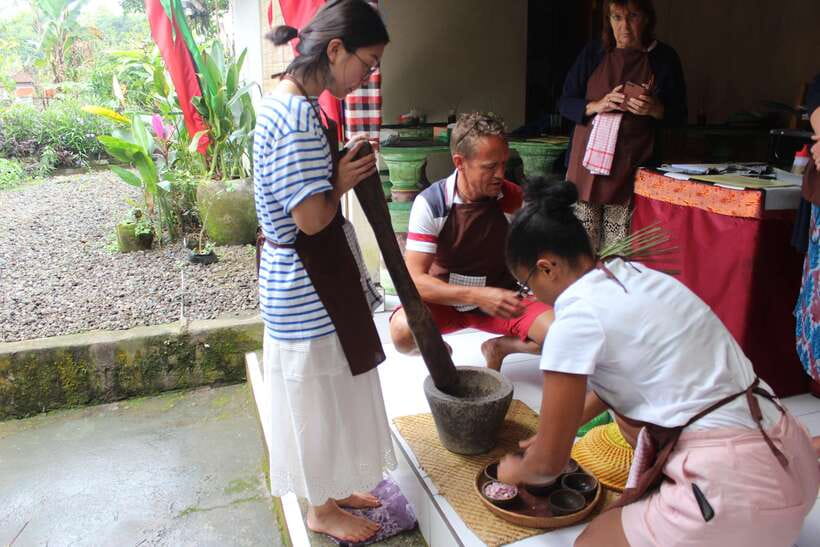
After the market and rice fields, you continue to the cooking school, located in a family compound. That setting gives the class a more personal feel than a large commercial kitchen.
The session begins with an explanation of the menu and ingredients. The chef then guides you through the preparation step by step. You take part in the work rather than sitting at the edge while someone else cooks everything.
The exact nine-dish menu is not specified in the available information, so you should not expect a fixed list here. What is clear is that the food covers several parts of a Balinese meal, including sauces, main dishes, and dessert. You work on multiple preparations, then combine the finished food into a substantial shared meal.
This is a good format for beginners. The instructors assist enough to prevent mistakes from ruining lunch, but they also let you do the hands-on work. You may be chopping one ingredient, helping with a sauce, or preparing part of a dish while the chef keeps the timing under control.
Putu, Wayan, Butu, and Tata are names connected with the guiding and teaching team. Wayan has been noted for being funny and patient, while Butu is described as warm and engaging during the explanation and cooking. Staff members can change, but the class appears designed around an involved teaching style rather than a formal lecture.
The mood is social. You cook alongside other participants, share jobs, and eat together. This works well for couples, families with older children, and solo visitors who want an easy way to meet people. A 16-year-old family member has taken part successfully, while children under six are not allowed.
More Market Tour Cooking Classes in Ubud
- Balinese Cooking class with traditional morning market visit
★ 5.0 · 161 reviews
What cooking nine dishes really means
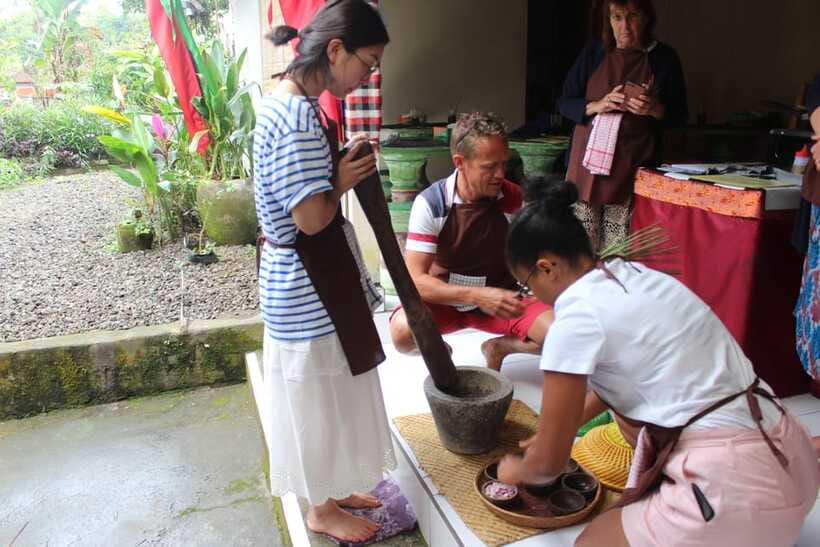
Nine dishes sounds ambitious in four hours, and it is. The class is organized so several tasks happen at once, with staff keeping the process moving.
That means you should not expect to master every recipe in restaurant-level detail. You will get a practical introduction to a wide range of preparations, learn the main steps, and receive the recipes afterward. The benefit is variety. You get a broad taste of Balinese food instead of spending the whole class perfecting one dish.
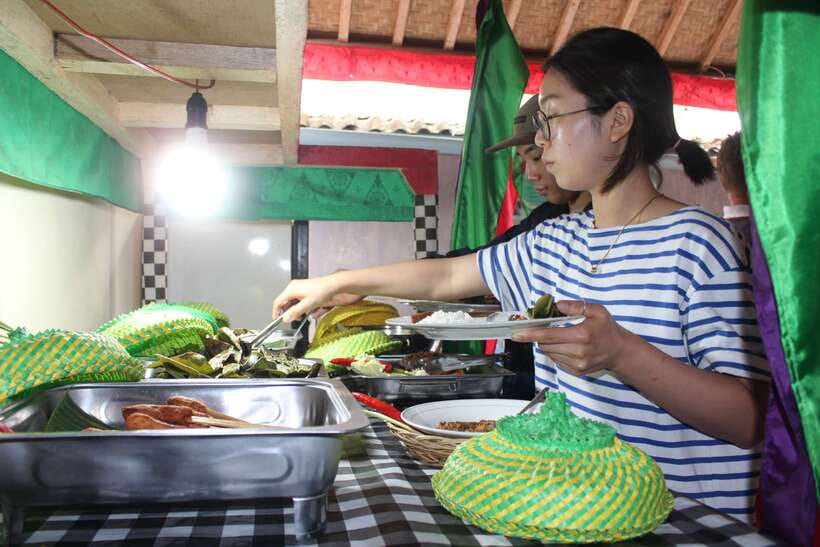
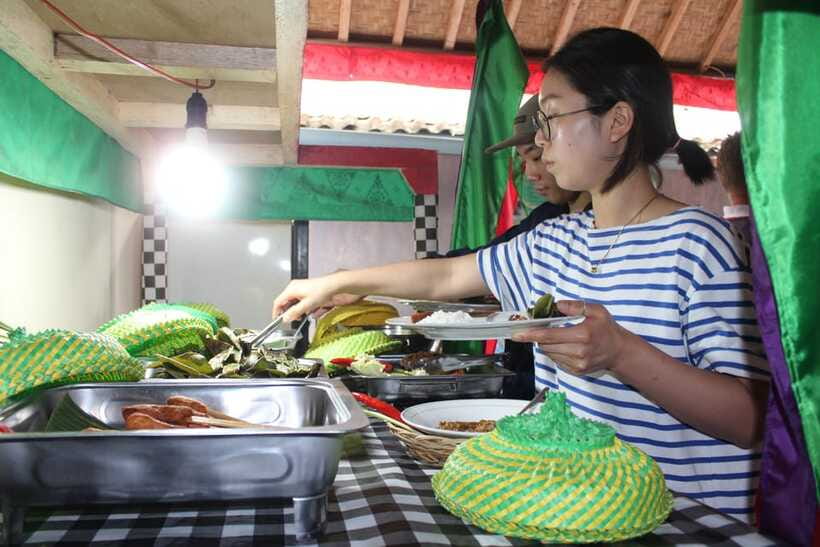
The food itself is the payoff. After preparing the dishes, you eat them at the same time, usually as a shared feast. You see exactly what your work produced, and you can compare the flavors with what you have eaten in Bali.
The amount can be generous. Since the group prepares nine dishes, the final meal is much larger than a simple cooking demonstration sample. Some participants have found the quantity surprising, so arrive ready to eat, but do not expect to finish every item if you are not very hungry.
Vegetarian and vegan options are available. The class can also adjust for some allergies and reduce the spice level, but you should communicate dietary needs before the session or as early as possible. The information does not promise that every allergy can be handled, so ask clearly rather than assuming.
Afternoon class: Canang offering and dinner
The afternoon program has a different shape. It does not include the local market or rice paddies. Instead, you learn how to make a Canang offering before the cooking class and finish with dinner.
A Canang is a small Hindu offering made as part of daily Balinese religious practice. Learning to prepare one adds a cultural element that the morning route does not provide. It is a useful choice if you are more interested in household customs and evening food than in market shopping.
The afternoon schedule may suit you better if you dislike early starts or want to avoid a raw local market. It also removes two sightseeing stops, so it is not the better choice for everyone. Pick your time based on what you want to learn, not simply on convenience.
The cooking remains the main event. You still prepare nine dishes with the chef and eat them together at the end. The meal is dinner rather than lunch.
Transport and meeting points around Ubud
Hotel pickup and drop-off are included within the Ubud area. This makes the experience easy to fit into a Ubud stay, especially if you are not confident arranging local transport early in the morning.
Pickup does not cover locations outside Ubud. If you are staying elsewhere, you may be able to meet the shuttle at the front of Ubud Palace or go directly to the cooking class. Confirm the meeting plan before the activity, since the free shuttle is limited to Ubud.
Communication can be important for this kind of tour. Drivers have been described as punctual and helpful, and the provider may contact you after booking to arrange pickup. Still, keep your phone available and make sure the meeting location is clear.
The drive is not just a transfer. Morning participants may see more of the countryside on the way to the market and cooking school. If you are outside the pickup zone, the meeting point at Ubud Palace is the practical fallback.
Who will get the most from this experience
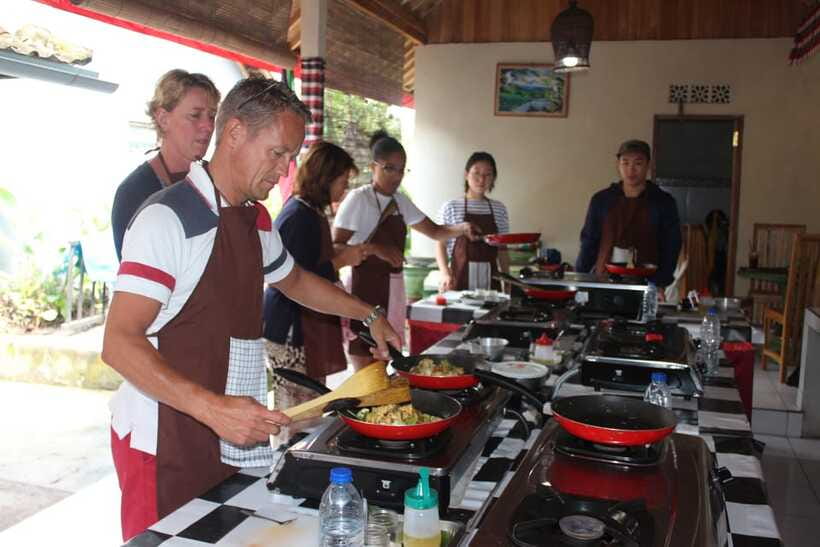
I would recommend this class to anyone who wants food to be the center of a cultural outing. You get to handle ingredients, learn basic methods, and eat a meal you helped make. The market and rice-field visits make the morning version especially useful for a first stay in Bali.
It is also a good choice for solo visitors. The small-group setup gives you an easy social setting without requiring you to arrive with a group of friends.
Families with older children and teenagers can enjoy it, provided everyone is comfortable with a busy market and hands-on food preparation. Children under six are not accepted, and the setting is not wheelchair accessible.
You may want a different tour if you prefer a quiet, highly polished class with a short menu and lots of detailed chef instruction. Nine dishes create variety, but the pace can be brisk. You should also think twice about the morning class if raw meat, flies, tight spaces, or strong market smells will spoil the day.
Value, flexibility, and practical limits
At $23, this is one of those activities where the included food matters. You receive a welcome drink, a guided market visit on the morning route, a rice-field stop, instruction, nine dishes, the shared meal, transport within Ubud, and a recipe PDF.
The recipe file is a useful extra because it gives you a chance to repeat the food at home. You will not leave as a professional Balinese cook, but you can use the class as a working introduction to the flavors and methods.
The activity offers free cancellation up to 24 hours in advance and allows you to reserve now and pay later. That is helpful when your Bali schedule depends on weather, transport, or changing plans.
Check starting times before booking. The total duration is four hours, but the exact start depends on availability. Morning and afternoon are not interchangeable programs, so read the option carefully.
Should you book the Ubud cooking class?
Book it if you want hands-on cooking, a large shared meal, and a look at everyday food culture for a low price. Choose the morning session if the local market and rice paddies are important to you. Choose afternoon if you prefer the Canang offering and dinner, or if an early start does not suit you.
The market is the one part to consider honestly. It is real and may be messy. That is precisely why it adds value, but it will not suit everyone.
For most people, the combination of a family-compound class, nine dishes, helpful English-speaking instructors, and a meal you prepare yourself makes this a strong Ubud choice. It gives you both something to do now and recipes to take home later.
FAQ
How long does the Ubud cooking class and market tour last?
The activity lasts four hours. Check availability for the exact starting time.
How much does the experience cost?
The price is $23 per person.
Is hotel pickup included?
Pickup and drop-off are included for hotels in the Ubud area. Locations outside Ubud are not included.
What if I stay outside Ubud?
You can meet the shuttle at the front of Ubud Palace or go directly to the cooking class. Confirm the arrangement before the activity.
Does every class include the local market tour?
No. The local market tour is included with the morning class only.
Does every class visit the rice paddies?
No. The rice-paddy visit is available with the morning option only.
What happens during the afternoon class?
The afternoon class includes cooking, making a Canang offering, and sharing dinner. It does not include the traditional market visit.
How many dishes will I prepare?
You will prepare nine Balinese signature dishes with guidance from the chef.
Is the class available in English?
Yes. The live tour guide and class instruction are in English.
Can I cancel the booking?
You can cancel up to 24 hours in advance for a full refund. You can also reserve now and pay later.
Is the activity suitable for young children or wheelchair users?
Children under six are not permitted, and the activity is not suitable for wheelchair users.
More Shopping Trips in Indonesia
- Hanoi Cooking Class: Culture, Local Market & Meaning CSR Impact
★ 5.0 · 5,147 reviews - 5 Traditional Dishes Hanoi Cooking Class with Market Trip
★ 5.0 · 4,890 reviews - Cooking Class and Lunch at a Tuscan Farmhouse with Local Market Tour from Florence
★ 5.0 · 4,831 reviews - Chiang Mai: Cooking Class, Market & Thai Herbs Garden Tour
★ 4.9 · 4,824 reviews
More Balinese Cooking Classes in Indonesia
- Ubud: Balinese Cooking Class at an Organic Farm
★ 5.0 · 1,786 reviews - Ubud Cooking Class Bali with Balinese Chef
★ 5.0 · 1,609 reviews - PRIVATE Authentic Balinese Cooking Class in Ubud at Putu’s Home
★ 5.0 · 644 reviews - Balinese Farm Cooking Class by Pemulan Bali
★ 5.0 · 410 reviews
Just added around Indonesia
- Nia Balinese Cooking Class★ 5.0 · 202 reviews
- Nia Bali Seminyak Cooking Class★ 5.0 · 127 reviews
- Cooking class in the comfort of your own personal villa. Yes, I’ll come to you!★ 5.0 · 80 reviews
- Balinese Cooking class with traditional morning market visit★ 5.0 · 161 reviews
- Balinese Cooking Class at Organic Farm★ 5.0 · 51 reviews
- Small-Group Farm Tour & Balinese Cooking Class in Ubud with Kadek★ 5.0 · 16 reviews
- From Ubud: Authentic Bali Farm Cooking School & Organic Farm★ 5.0 · 122 reviews
- PRIVATE Balinese Cooking Class in Ubud with Dewa with Transfers★ 5.0 · 213 reviews
Balinese & Indonesian Cooking Classes, compared.
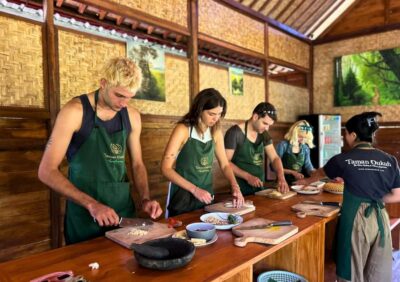
Ubud: Balinese Cooking Class at an Organic Farm
Read our review →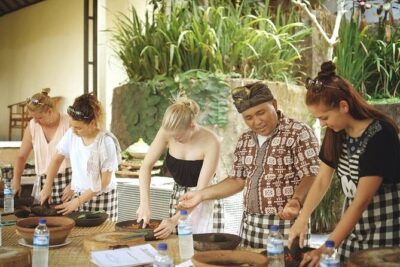
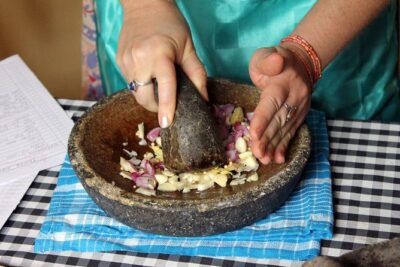
PRIVATE Authentic Balinese Cooking Class in Ubud at Putu’s Home
Read our review →
Balinese Ubud cooking school (9 Dish Cooking and Market Tour)
Read our review →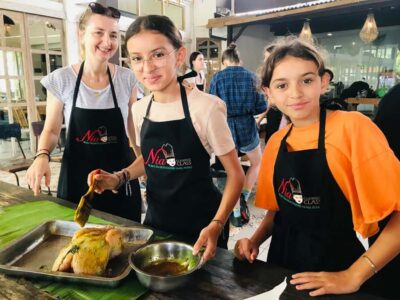
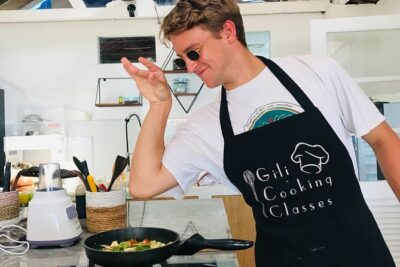
Learn to cook Indonesian food at Gili Cooking Classes Trawangan
Read our review →