
Review · JAPANESE & SUSHI
Fujieda: Suisha-mura Traditional Japanese Cooking Experience
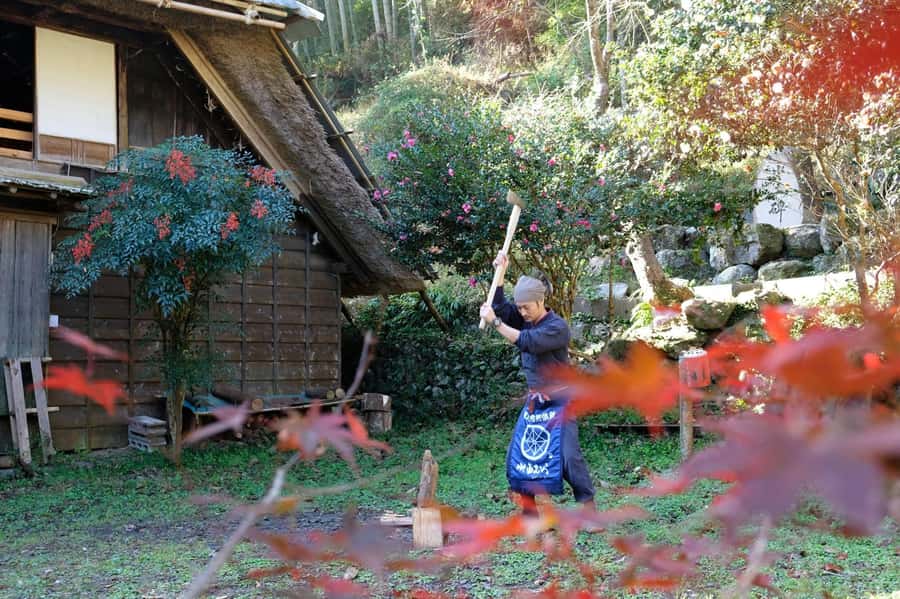
A 250-year-old thatched farmhouse is the setting for this hands-on lesson in old-style Japanese cooking. You cross a suspension bridge over a clear stream, pass an old waterwheel, and then learn to chop wood, build a fire, cook rice, and grill yamame mountain trout the traditional way.
I like the honest physical work here: you do not simply watch a demonstration, you handle the firewood and prepare the meal. I also like the setting, where lunch takes place around an irori, a central hearth, with mountain scenery and the sound of the nearby river.
The main drawback is that this is not a polished indoor cooking studio. You may get dirty, deal with smoke, and spend time outdoors. The site is also not suitable for children under five, pregnant women, wheelchair users, or people with mobility impairments.
Key points to know before booking
- Cross a suspension bridge to reach Suisha-mura, a small mountain village about 30 minutes from central Fujieda.
- Cook rice in a kamado, an old-style stove, after chopping the wood needed for the fire.
- Prepare food around an irori, then eat the traditional meal you helped make.
- Grill yamame mountain trout on a stick, with seasonal vegetables and rice supplied.
- Learn with Hoshi-san, an English-speaking host who guides you through the work at a relaxed pace.
- Expect a small group of no more than 10 people, with a five-hour schedule and station pickup available.
Crossing the bridge into Suisha-mura
The experience begins at JR Fujieda Station, where pickup is arranged at the north exit around 9:30 a.m. From there, the drive to Suisha-mura takes about 30 minutes. You can also make your own way to the village for a 10 a.m. start.
That transfer matters because Suisha-mura is not a city attraction you can easily fold into a short walk around Fujieda. It sits in a mountain valley, away from the usual urban sights. The ride gives you a clear break between modern Japan and the older rural world you are about to explore.
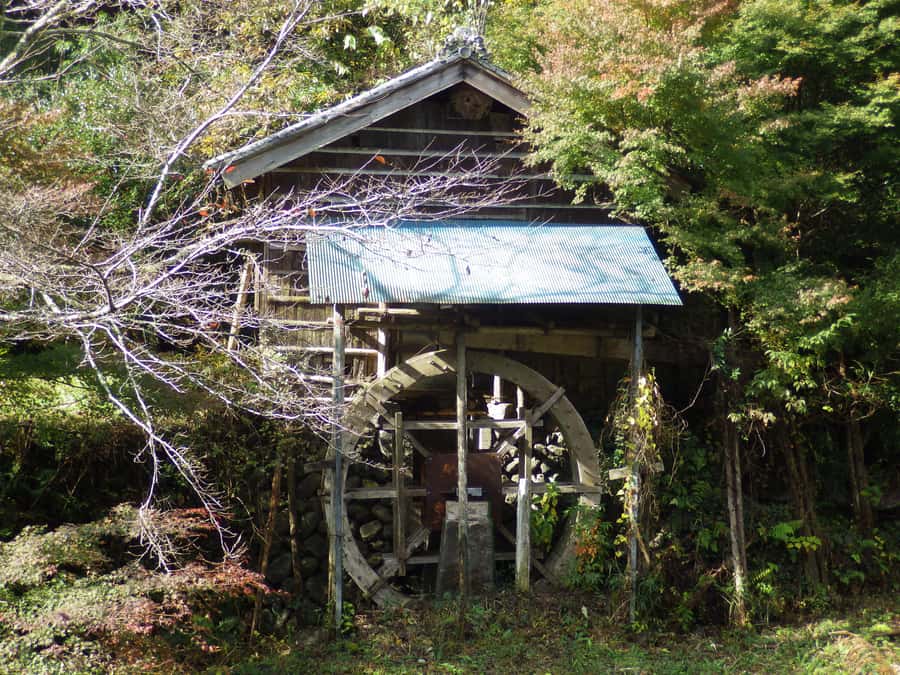
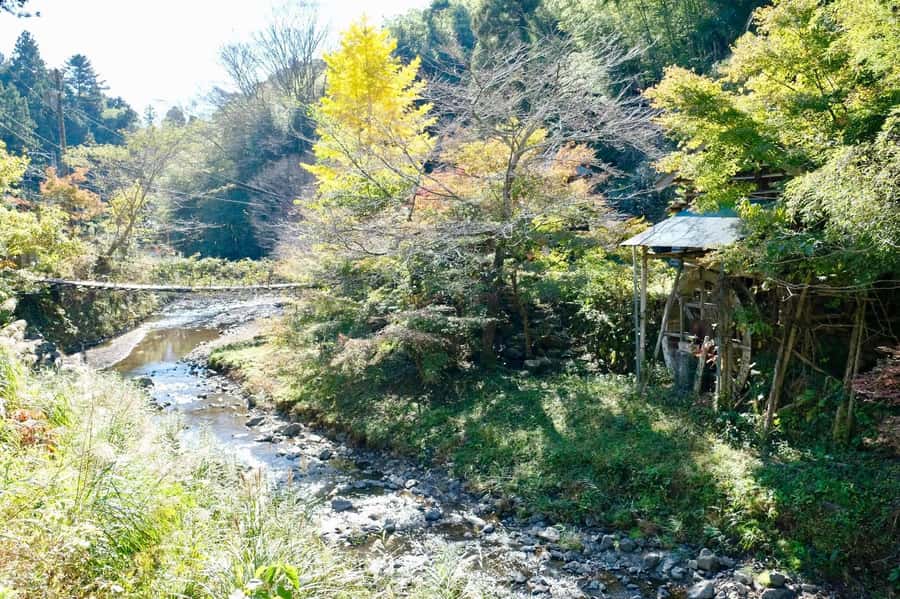
Your arrival is part of the experience. A suspension bridge crosses the clear stream beside the village, and the approach has the feel of a small adventure rather than a standard tour entrance. The old waterwheel beside the house explains the name Suisha-mura, or waterwheel village.
You should be comfortable crossing the bridge and walking around an outdoor rural site. The activity is not suitable for wheelchair users or people with mobility impairments, and the uneven, hands-on setting may be tiring for anyone who needs a fully supported outing.
More Sushi and Japanese Classes in Japan:
- Sushi Making Tokyo Roll and Authentic Japanese Sushi Class
★ 5.0 · 3,971 reviews - Tokyo: Roll and Authentic Sushi Making Class in Asakusa
★ 4.9 · 1,957 reviews - Ramen Cooking Class at Ramen Factory in Kyoto
★ 5.0 · 1,937 reviews
A 250-year-old farmhouse with a working hearth
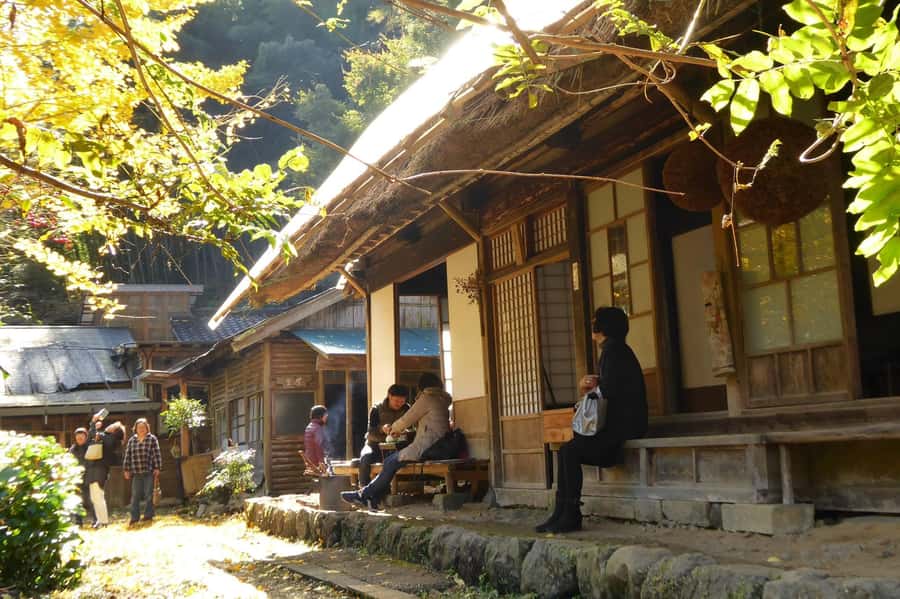
The main building is a traditional Japanese house with a thatched roof, pressed against the mountain slope. Its age is not just a number on a sign. The preserved tools and cooking methods give you a practical sense of how a household once worked before gas and electricity made meals quick and clean.
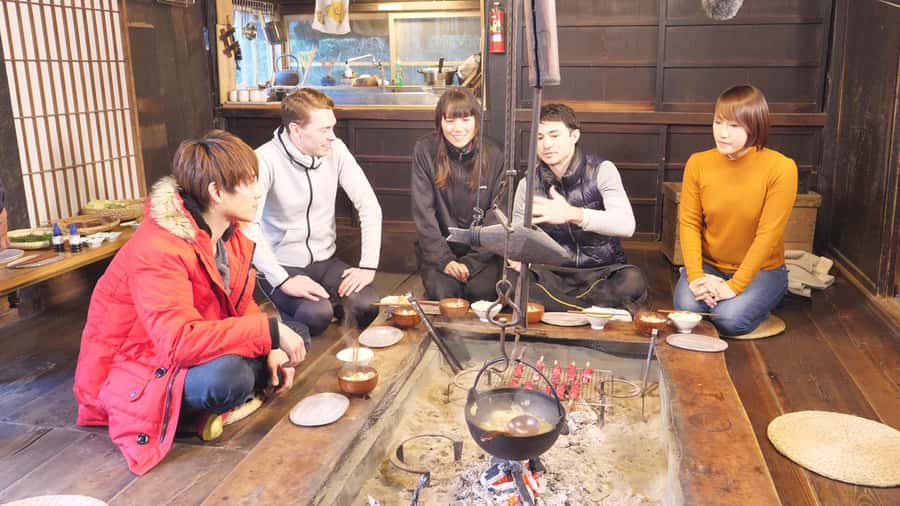
The heart of the house is the irori. This central fireplace is both cooking space and dining table. Rather than preparing food in one room and eating in another, you work close to the fire and later sit around it for lunch.
That arrangement gives the meal a social rhythm. You have a task, return to the hearth, watch another part of the meal cook, and slowly build lunch together. It is a very different pace from ordering several dishes at a restaurant.
Smoke and heat are part of the deal. Wear clothes you do not mind getting dirty, and bring a towel or handkerchief. Comfortable shoes are important, as are warm layers, a hat, sunscreen, water, and insect repellent. The mountain setting can feel cool, and outdoor cooking is less predictable than using a modern kitchen.
Chopping wood before cooking rice
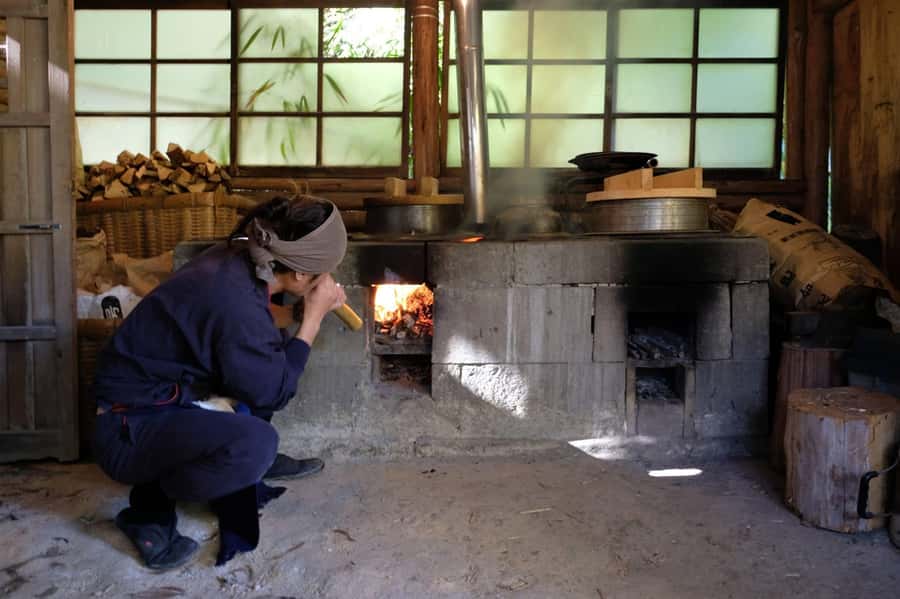
The first work is not glamorous, and that is precisely why it is useful. You chop firewood and prepare the fuel for cooking. This small task changes the way you look at the meal because every pot of rice and every grilled item depends on work done before anyone sits down.
Hoshi-san leads the process and explains how to use the traditional equipment. He speaks excellent English, so you can ask questions rather than simply copy movements. Japanese guidance is also available.
Rice is cooked in a kamado, an old-style stove heated by the fire you help prepare. This is one of the most rewarding parts of the activity because rice is so central to Japanese meals, yet most modern visitors only see the finished bowl. Here, you follow the older method and watch food being made with heat that you have helped create.
You should not expect a technical cooking lesson with printed recipes or a long list of ingredients. The value is in learning the method and seeing how wood, fire, water, rice, and timing fit together. It is a good match for anyone who wants to understand food through the work behind it.
The supplied materials include rice and wood for cooking, so you do not need to shop for ingredients. Seasonal vegetables are provided for grilling, along with salt-grilled yamame mountain trout.
Catching and grilling yamame trout
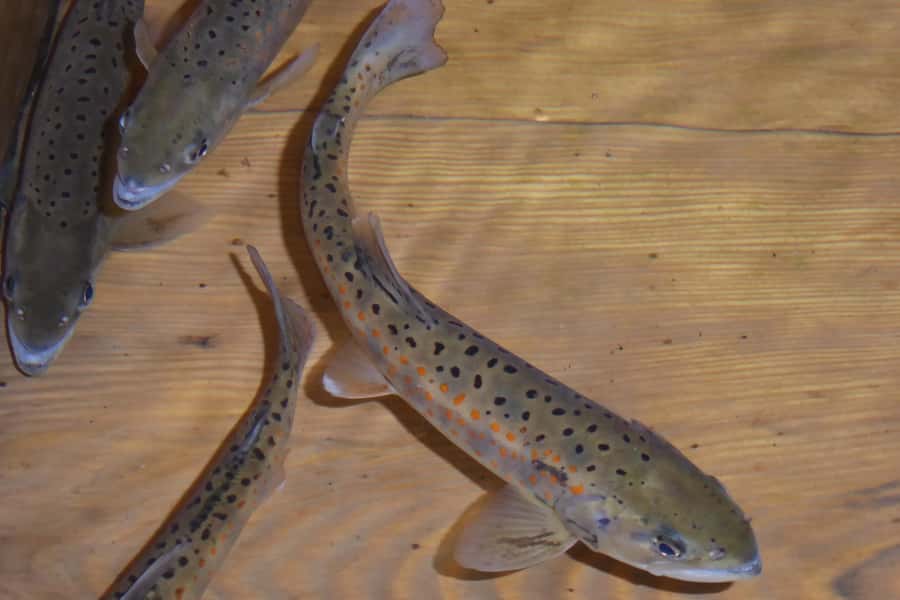
Fish is another memorable part of the meal. The activity includes the chance to catch fish from the nearby river or from a barrel of water, depending on the arrangement at the site. The supplied meal includes yamame, a mountain trout that is salt-grilled.
You grill the fish on a stick, an old-fashioned method that looks simple but makes you pay attention to the fire. It is a hands-on job rather than a plate arriving from the kitchen. You prepare the fish and cook it yourself, which makes lunch feel earned.
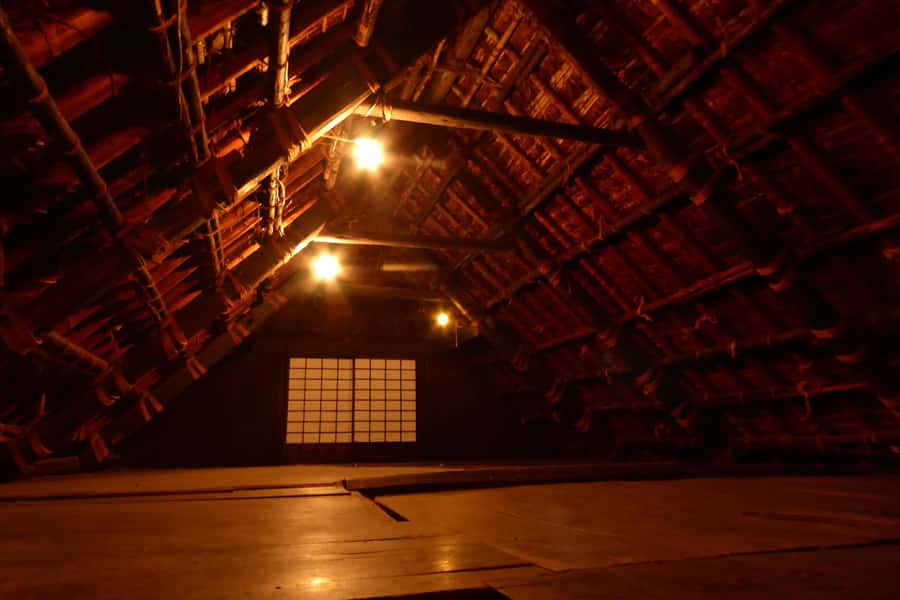
The nearby stream also adds a natural element to the visit. One visitor described playing in the river beside the house, but you should treat this as an optional part of the setting rather than a promised activity. The listed experience centers on cooking, firewood, and the meal.
The river and the fish are especially valuable for families with older children or adults who enjoy practical outdoor activities. Still, children under five are not allowed, and the combination of fire, tools, water, and uneven ground calls for care.
A few more cooking classes around Japan worth a look
- Tokyo Sushi Making Class in Tsukiji with Professional Chef
★ 5.0 · 1,177 reviews - Ramen & Gyoza Cooking Class in Tokyo with Local Supermarket Visit
★ 5.0 · 823 reviews - Tsukiji Fish Market Guided Tour and Sushi Making with Pro Chef
★ 5.0 · 775 reviews - Kyoto: Ramen Cooking Class at a Ramen Factory with Souvenir
★ 4.9 · 532 reviews
Eating lunch around the irori
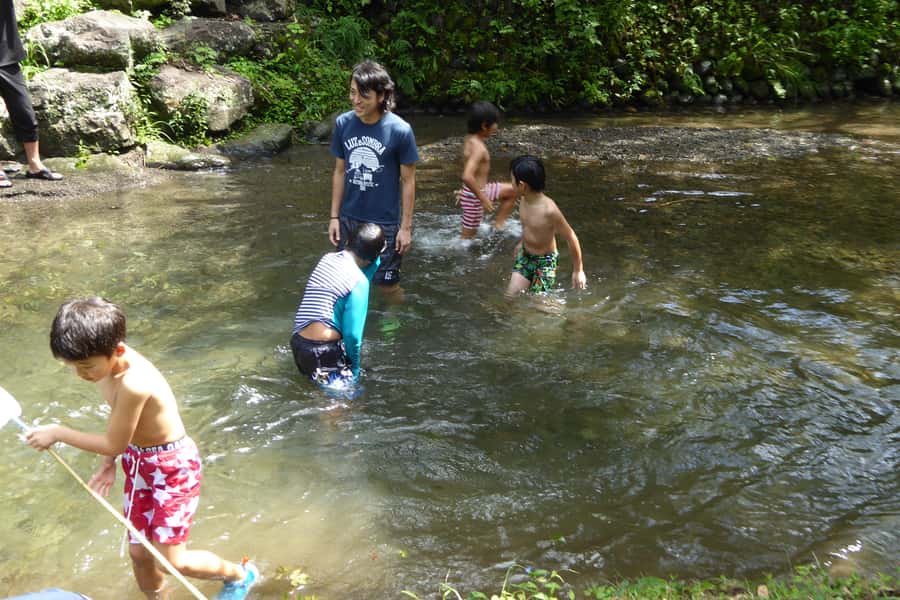
After the preparation comes the payoff: a traditional meal around the central hearth. Rice, grilled fish, and seasonal vegetables make up the core of the food provided. You eat what you helped prepare, close to the fire and inside the old house.
This is not a restaurant meal designed for speed. You are likely to notice the texture of the rice, the smoky setting, the grilled fish, and the simple pleasure of eating after physical work. The meal is included in the price, as are the ingredients and cooking tools.
The food is described as natural and healthy, but the bigger point is the connection between place and plate. The vegetables are seasonal, the trout comes from the mountain setting, and the rice is cooked with a method tied to the house’s older way of life.
Drinks beyond the activity’s provisions cost extra, so bring water or another refreshing drink. Wi-Fi is not provided, which is hardly a problem for five hours in the countryside, but it is worth knowing if you need to stay connected.
Hoshi-san makes the hands-on work approachable
The host, Hoshi-san, is a major part of the experience. He guides you through chopping wood, building the fire, using the old stove, preparing the fish, and cooking the meal. His English makes the practical instructions easier to follow, especially when you are handling unfamiliar tools or working close to an open fire.
The group is limited to 10 participants. That is small enough for the activity to feel personal, though your exact experience will depend on the day’s group size and how much time each person wants with the tools.
Do not expect to be left alone to figure out the fire. The instructions and supervision are part of what makes the experience workable for first-time visitors. At the same time, this is not a passive cultural talk. You should arrive ready to lift, chop, carry, stir, and cook.
The tone is best described as practical and friendly. You get an introduction to traditional methods, but you also get a real task to perform. That balance gives the visit more weight than simply looking at old household objects.
How the five-hour schedule feels
With a 10 a.m. start at Suisha-mura, the experience lasts about five hours. The schedule gives enough time to travel from the station, see the house and waterwheel, prepare the fire, cook, and sit down for lunch without rushing through every step.
A typical flow includes:
- Arrival at the traditional house after the bridge crossing
- An introduction to the village, farmhouse, tools, and cooking methods
- Firewood chopping and fire preparation
- Rice cooking in the kamado
- Fish preparation and grilling
- Cooking seasonal vegetables
- A shared meal around the irori
- Time to enjoy the surrounding stream and mountain setting
The precise order may vary, particularly because fire-based cooking takes its own time. That is part of the charm, but it also means you should not book this expecting a tightly timed sequence of short demonstrations.
Station pickup and drop-off are included at the nearest station. The provided meeting point is JR Fujieda Station’s north exit at 9:30 a.m. If you prefer, you can arrive directly at Suisha-mura by 10 a.m.
Is $161 good value?
At $161 per person, this is not a cheap lunch or a quick cooking lesson. You are paying for roughly five hours of instruction, transportation from the station, access to the historic farmhouse, all cooking tools, firewood, seasonal ingredients, and the meal.
The value is strongest if you would otherwise struggle to reach rural Fujieda or arrange a similar experience independently. The pickup removes one transport problem, and the host supplies the equipment and food. You also get access to a place and a set of cooking methods that would be difficult to reproduce on your own.
The price makes less sense if your main goal is simply to eat Japanese food. You can find a less expensive meal elsewhere. This activity earns its cost through the setting, the work, the small group, and the chance to cook with an open hearth in a historic house.
I would compare it with the cost of a half-day guided excursion rather than with a restaurant meal. For a visitor interested in rural life, traditional food, and hands-on activities, the package is fair. For someone with limited time who wants only major city sights, it may be too much time and money for a single lunch.
Who should book this experience?
I would recommend Suisha-mura to you if you want a break from Japan’s trains, department stores, and city streets. It suits adults, couples, friends, and families with children old enough to follow instructions and manage an outdoor setting.
It is particularly good for people who enjoy:
- Traditional houses and older household tools
- Cooking with fire rather than electric appliances
- Local food and seasonal ingredients
- Rural scenery and quiet streams
- Small-group activities with direct guidance
- Cultural experiences that involve real work
You should think twice if you dislike smoke, dirt, outdoor conditions, or physical tasks. The experience does not offer Wi-Fi, and you should not expect the smooth comfort of a modern cooking school.
Bring water, wear movable clothes and comfortable shoes, and pack a layer even if the day begins warm. A hat, sunscreen, and insect repellent are sensible additions. Smoking and littering are not allowed, and the site’s fire rules must be followed closely.
Booking and cancellation details
You can cancel up to 24 hours before the experience for a full refund. A reserve-now, pay-later option is available, which helps if your Fujieda plans are still shifting.
The activity runs in English and Japanese. The group limit is 10 participants, but you should check the available date and start time when booking.
Should you book Suisha-mura?
Book this if you want to do more than look at old Japan. You will chop the wood, make the fire, cook the rice, grill the trout, and eat beside the hearth in a 250-year-old farmhouse. That combination of work, food, and place is the real appeal.
Skip it if you want a quick meal, a fully indoor activity, or easy access for a wheelchair. For everyone else, Suisha-mura offers a rare chance to spend half a day with the tools, flavors, and slower rhythm of rural Japanese life, with Hoshi-san there to keep the fire and instructions under control.
FAQ
Where does the Fujieda cooking experience take place?
It takes place at Suisha-mura, a small village in a mountain valley about 30 minutes by car from downtown Fujieda. The activity is held in and around a 250-year-old traditional Japanese thatched farmhouse beside an old waterwheel.
How do I get to Suisha-mura?
Pickup is available at JR Fujieda Station’s north exit around 9:30 a.m. The drive to Suisha-mura takes about 30 minutes. You can also travel independently and arrive at Suisha-mura by 10 a.m.
What food will I prepare?
You will cook rice with an old-style kamado, grill seasonal vegetables, and prepare salt-grilled yamame mountain trout. Rice, firewood, ingredients, tools, and the traditional meal are included.
Is the activity offered in English?
Yes. The experience is available in English and Japanese. The host, Hoshi-san, speaks English and guides you through the cooking and fire-making tasks.
What should I wear and bring?
Wear comfortable clothes that are easy to move in and that you do not mind getting dirty. Bring comfortable shoes, warm clothing, a hat, a towel or handkerchief, water or another drink, sunscreen, and insect repellent.
Who cannot join this activity?
The experience is not suitable for children under five, pregnant women, people with mobility impairments, or wheelchair users. Smoking and littering are not allowed at the site.
Just added around Japan
- Gyoza Cooking Class in Kyoto: Traditional Japanese Dumplings★ 5.0 · 12 reviews
- Experience Authentic Japanese Home Cooking in Kyoto★ 5.0 · 5 reviews
- Tokyo: Private Japanese Cooking Class with a Local Chef★ 5.0 · 81 reviews
- AKEMI’s SUSHiKiTCHEN: A fun sushi cooking lesson in Tokyo★ 5.0 · 5 reviews
- Ramen Making from Scratch with Tokyo Mom(Vegan Option Available)★ 5.0 · 39 reviews
- Shibuya Tokyo: Sushi Making Class (Vegan/Vegetarian/Halal)★ 4.7 · 29 reviews
- Vegan/Vegetarian Ramen and Gyoza by Bentoya cooking★ 5.0 · 59 reviews
- Ramen & Dumpling Cooking in Tokyo with Chef/Vegan possible★ 5.0 · 107 reviews
Japanese & Sushi Cooking Classes, compared.
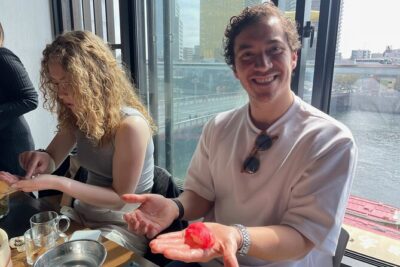
Sushi Making Tokyo Roll and Authentic Japanese Sushi Class
Read our review →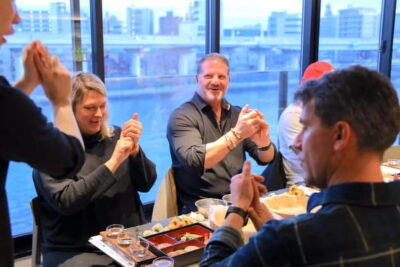
Tokyo: Roll and Authentic Sushi Making Class in Asakusa
Read our review →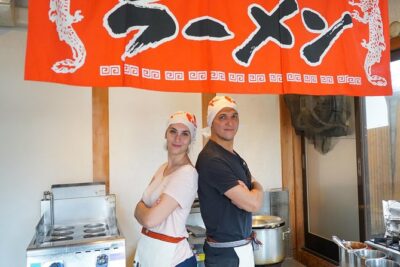
Ramen Cooking Class at Ramen Factory in Kyoto
Read our review →
Tokyo: Sushi Making Class in a Happi Coat near a Famous Spot
Read our review →
Sushi Making Tokyo! Popular Maki Sushi & Japanese Sushi(+Recipe!)
Read our review →
Sushi Making Osaka Roll and Authentic Japanese Sushi Class
Read our review →
Tokyo Sushi Making Class in Tsukiji with Professional Chef
Read our review →
Ramen & Gyoza Cooking Class in Tokyo with Local Supermarket Visit
Read our review →Browse the lists this tour appears in