
Review · SEOUL
Seoul: Temple Vegan Cooking Class & Oriental Medicine Tour
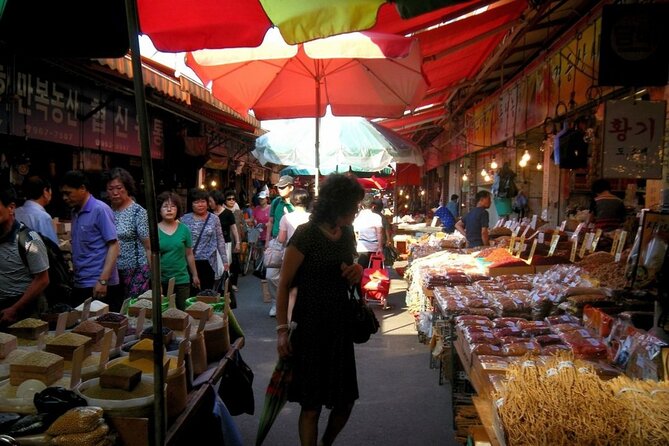
A Buddhist monk, a seasonal vegan meal, and Seoul’s old medicinal market make this more than a standard food walk. You cook temple dishes, eat them on site, then visit Cheongnyangni Fruit & Vegetable Market and Korea’s famous ginseng district.
I like the hands-on cooking class, where an English interpreter helps explain both the recipes and the Buddhist ideas behind them. I also like the mix of food and wellness, including tea, the Oriental Medicine Museum, a traditional medicine café, and tastings along the market route.
The main consideration is pace. You have about four hours to fit in cooking, eating, market stops, museum time, and street food, so this is a scheduled group outing rather than a slow wander. The cooking option can also be canceled if fewer than three people sign up.
Key points at a glance
- Cook with a Buddhist monk: Prepare seasonal plant-based dishes and eat them at the temple.
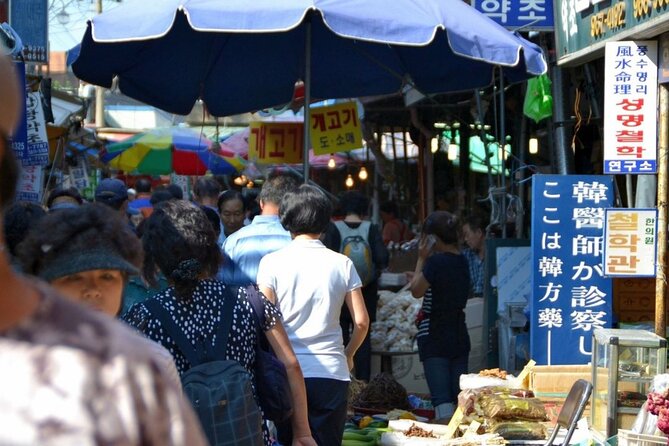
- Explore Cheongnyangni Market: See fruit, vegetables, medicinal herbs, and ginseng in one of Seoul’s major traditional market areas.
- Learn Korean wellness traditions: Visit the Oriental Medicine Museum and enjoy a drink at an Oriental Medicine café.
- Try everyday Korean tastes: Sample nostalgic and modern street foods, plus fruit, healthy drinks, snacks, and simple market foods.
- English support is included: A licensed English guide leads the tour, with an interpreter for the cooking lesson.
- Plan for a fixed schedule: Meet at Anguk Station Exit 1 and return there after the four-hour experience.
A temple kitchen with a Buddhist monk
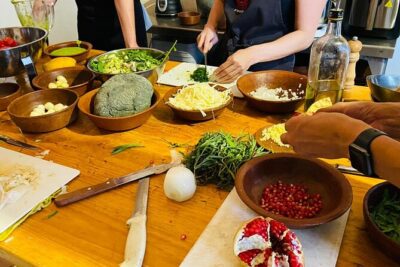
The tour begins with its most unusual feature: a temple food cooking lesson in Seoul. You work with a Buddhist monk and learn how to prepare vegan dishes built around seasonal ingredients.
Temple food is not simply Korean food with the meat removed. It reflects Buddhist ideas about restraint, respect for ingredients, and avoiding waste. The class gives those ideas a practical form. You prepare the food, learn why the ingredients matter, and then eat what you made at the temple.
The menu changes with the season. That is good news if you want food that feels tied to the time of year, but it also means you cannot book this experience expecting one exact dish. The class is better suited to an open-minded eater than someone seeking a fixed recipe lesson.
An English interpreter stays with you during the cooking experience. That matters here because the lesson is about more than steps and measurements. You want to understand the Buddhist approach to food, not simply copy a recipe without context.
The food contains no meat, so vegetarians and vegans can take part comfortably. The supplied food is meant to be eaten at the temple, and you are asked to finish your meal there to avoid waste. If you want to save some for later, bring your own reusable container.
One practical note deserves attention. The cooking class requires at least three participants and may be canceled if that number is not reached. If cooking is the main reason you want to book, check that the class is confirmed. One past participant also noted that Saturday was the key day for English-language cooking classes, so confirm the current schedule before paying.
More Vegan Cooking Classes in the world:
- Oaxacan Vegetarian Cooking Class
★ 5.0 · 235 reviews - Hoi An: Vegetarian Cooking Class w Local Family and transfer
★ 4.9 · 145 reviews - Jaipur Market Tour & Vegetarian Rajasthani Home Cooking Class
★ 5.0 · 113 reviews
Why temple food is worth your time
I like this part because it gives you a cultural idea you can taste. Korean cuisine is often introduced through barbecue, fried chicken, noodles, and fermented foods. Temple cuisine offers a quieter counterpoint, with plant-based cooking shaped by religious practice.
You also get to eat your own work. That makes the class more social and more memorable than watching a demonstration. The lesson is not designed as professional chef training, but it gives you a clear introduction to Korean vegan cooking and the values behind it.
The class may be especially useful for anyone who finds ordinary Korean menus difficult because of meat or seafood. You can ask questions through the interpreter and enjoy a meal without guessing what is hidden in each dish.
Still, you should keep your expectations in check. This is a short cultural cooking session, not an all-day culinary school. The exact dishes, class size, and amount of hands-on work can vary with the seasonal menu and group.
Cheongnyangni, where food and medicine meet
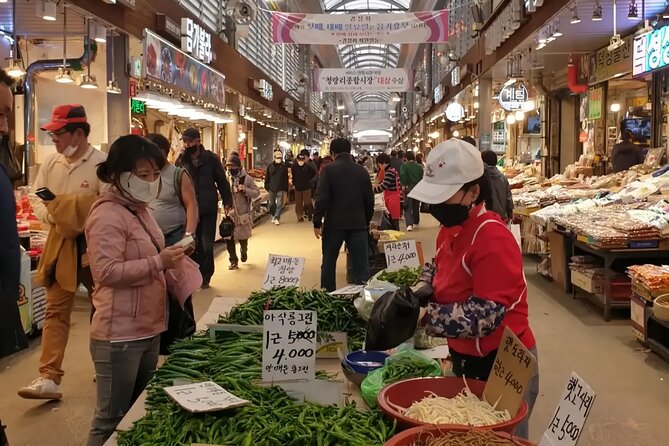
After the temple meal, the tour shifts from quiet cooking to the market streets around Cheongnyangni. This area combines a large fruit and vegetable market with Korea’s best-known herbal medicine and ginseng trade.
You might see sacks, roots, dried ingredients, fresh produce, and herbal products used in Korean wellness traditions. The point is not simply to shop. Your guide helps connect the ingredients on display with the way Korean people have used food and medicine over generations.
This is one of the strongest parts of the outing for anyone interested in daily life. A palace shows Korea’s formal past. A market shows how people buy, cook, eat, and care for themselves.
The market tastings are small. You receive fruits, healthy beverages, snacks, and simple local foods, but this is not a full market lunch. Bring Korean won if you want to purchase extra items. The tasting food is included, while additional shopping is not.
The market can feel sensory and busy, with unfamiliar smells and textures. That is part of its appeal, but it may be less comfortable if you prefer quiet indoor attractions or dislike walking on a strict timetable. You will need to stay with the group and follow the guide’s schedule.
Korean herbal medicine in plain language
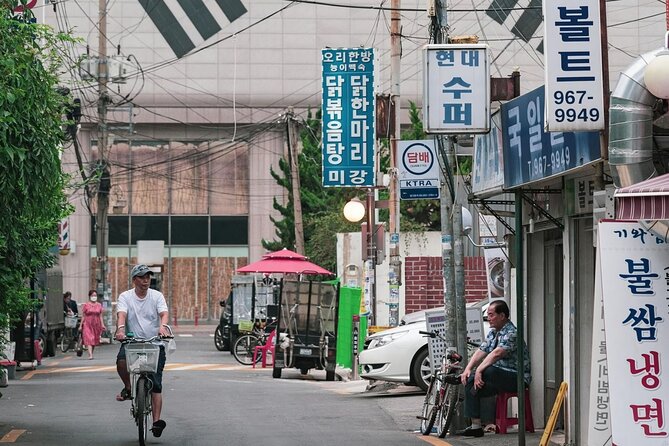
The Oriental Medicine portion adds useful context to the market visit. You visit an Oriental Medicine Museum and learn about traditional Korean ideas concerning the body, food, and personal constitution.
One especially interesting theme is the idea that people have different body types and may be advised to eat or use different foods accordingly. The guide explains how traditional medicine connects health with diet and physical balance.
You should treat this as cultural education, not as a personal medical consultation. The tour introduces the system and its history, but the supplied details do not promise a diagnosis or treatment plan.
The museum admission is included, which helps the $76 price make more sense. You are not only paying for food samples and a guide. You also receive access to a cultural site that gives the market displays a broader frame.
The itinerary also includes a drink at an Oriental Medicine café. That pause gives you a chance to taste a traditional tea or wellness-style beverage and talk through what you have seen. If you are new to Korean herbal drinks, this may be more approachable than ordering an unknown tea on your own.
More Food Experiences in the world:
- Small Group Cooking Class & Market Food Tour in Florence
★ 5.0 · 1,574 reviews - Athens: Food Market Visit and Cooking Class with Wine
★ 4.9 · 1,087 reviews - Undiscovered Charleston: Half Day Food, Wine & History Tour with Cooking Class
★ 5.0 · 948 reviews - Vietnamese Food Cooking Class in Hanoi with Market Experience
★ 5.0 · 778 reviews
A modern Seoul stop at Starbucks Gyeongdong 1960
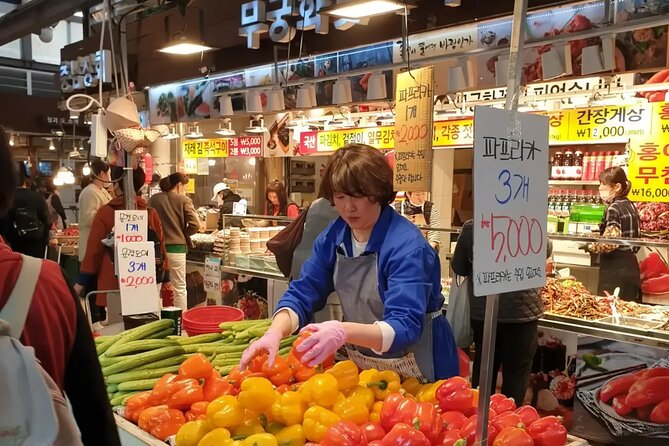
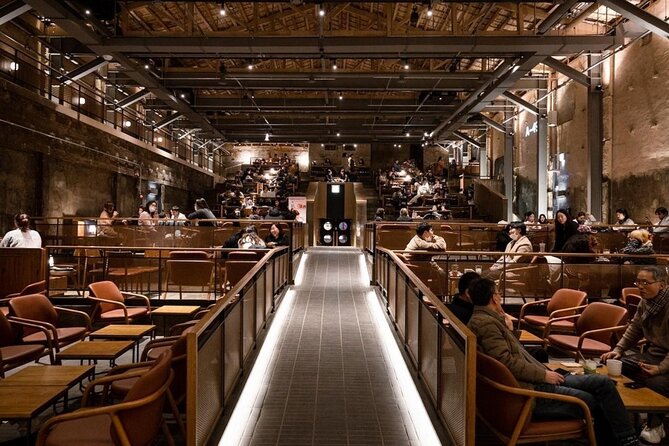
The tour is not locked in the past. It also visits Starbucks Gyeongdong 1960, a café created from an old theater.
That stop shows how Seoul reuses older spaces instead of treating tradition as something frozen behind glass. The building’s earlier life as a theater gives the café a different feel from a standard modern branch, and it helps explain how old and new Seoul sit side by side.
You are not visiting only temples and medicine shops. You also see a familiar global brand placed inside a repurposed local setting. I like that contrast because it keeps the tour from becoming a simple nostalgia trip.
The café includes one drink as part of the experience at an Oriental Medicine café, while the listed inclusions separately identify Starbucks Gyeongdong 1960 as a cultural stop. Because the schedule is only four hours, your time at each place may be limited.
Vintage technology at Gold Star Radio LG
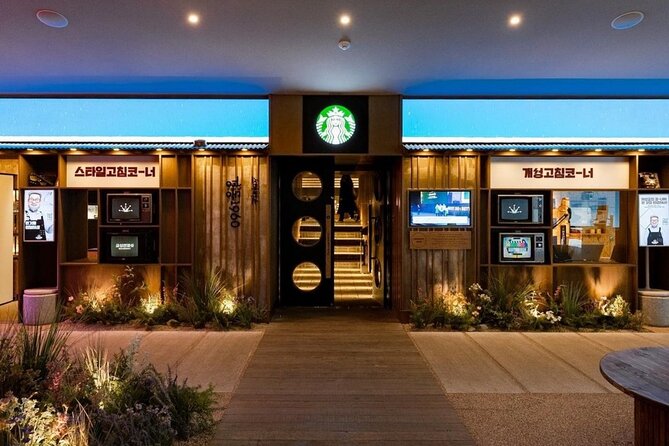
Another unusual stop is Gold Star Radio LG, which focuses on vintage Korean electronics.
For visitors who know LG mainly as a current electronics company, this offers a quick look at its earlier identity as Gold Star. The stop adds a piece of modern Korean consumer history to a tour otherwise centered on temples, markets, and herbal medicine.
It also gives the day a useful rhythm. You move from Buddhist food, to traditional medicine, to older commercial and technology culture. That range is a real strength if you want several sides of Korea in one compact outing.
The trade-off is depth. Four hours does not allow a long museum visit at every stop. Think of Gold Star Radio LG as a focused cultural glance rather than a full technology tour.
Street foods and small tastes of Seoul
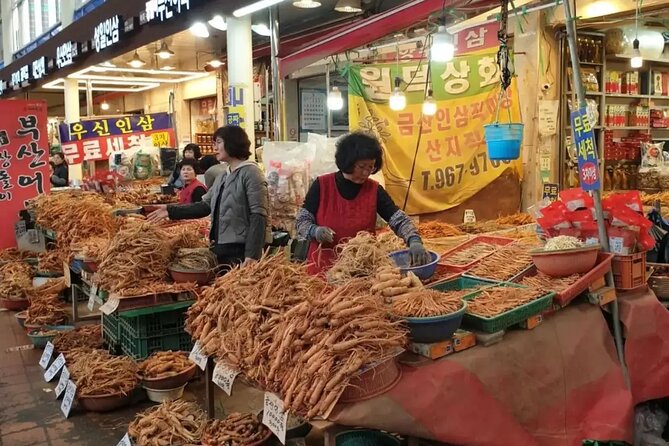
Food remains part of the tour after the cooking class. You sample nostalgic and modern Korean street foods, along with market produce, snacks, and simple local items.
These tastings help you understand what people eat outside formal restaurants. You may find familiar flavors beside foods that are new to you, and the guide can explain how the items fit into Korean eating habits.
The food is served as tasting portions. If you have a large appetite, plan to buy something extra with cash rather than treating the tour as a full meal. The cooking class provides the main sit-down food experience, while the market stops offer small samples throughout the walk.
I also like that the food focus is not limited to one famous dish. You get temple cuisine, herbal drinks, market produce, and street food in one morning or afternoon. That variety is more useful for a first look at Korean food culture than a tour built around one restaurant.
What the $76 price includes
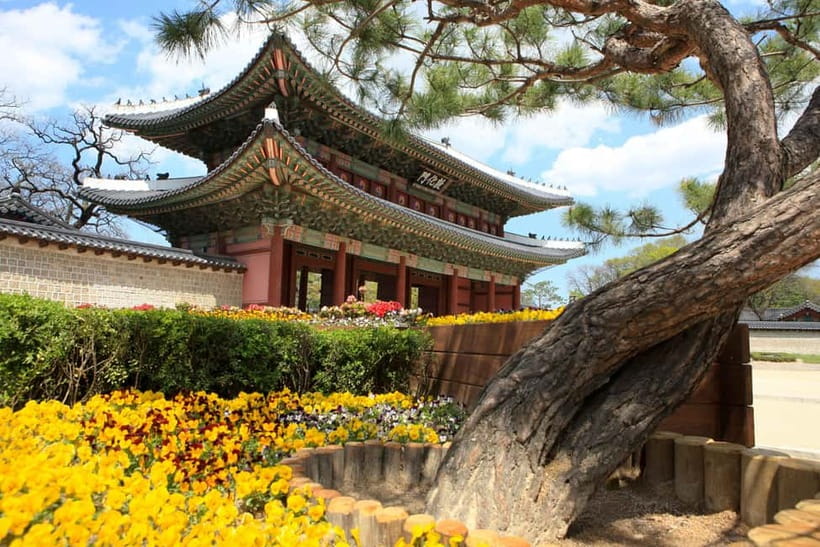
At $76 per person, this is not the cheapest way to see a market. The value comes from combining several paid and guided elements in one four-hour block.
Your price includes a professional licensed English guide, the Oriental Medicine Museum admission, one drink at an Oriental Medicine café, market tastings, snacks, fruit, healthy beverages, and the temple food cooking experience if you select that option. Transportation fees may also be available as an optional addition, while hotel pickup and drop-off are not included.
For me, the price is easier to justify if you want the cooking class. A market walk alone would offer less structure, and a museum visit alone would not give you the chance to cook with a monk. The combination is the reason this outing has value.
You should also account for extra spending. Bring Korean won for anything you want to buy at the market, and do not assume the included tastings replace lunch if you usually eat a large midday meal.
Guides, language, and group pace
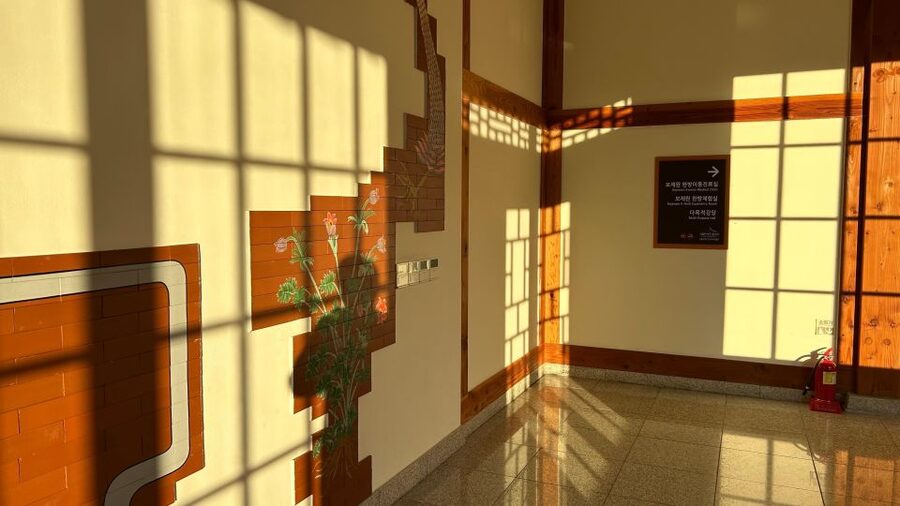
The tour is led in English by a licensed guide, and the cooking session has an English interpreter. Names associated with past departures include BJ, Gina, and Jade. The quality of your experience will depend partly on which guide leads your group, but the format gives you a clear point of contact throughout the day.
Past departures have included strong personal attention, including one booking that turned out to be private. You should not assume every departure will be private, but a small group can make the cooking class and market questions easier.
The schedule is strict because several stops must fit into four hours. Arrive at Anguk Station Exit 1, look for the guide holding a Tripper sign, and be ready to move on time. The tour returns to the same meeting point.
Hotel pickup and drop-off are not included. You need to reach Anguk Station on your own and return there at the end. That central meeting arrangement keeps the tour price lower, but it adds a little planning before and after the activity.
Who will enjoy this experience most
I would recommend this tour to:
- Vegans and vegetarians who want a meal designed without meat.
- Food-focused visitors who want to cook instead of only taking photos.
- Anyone curious about Korean herbal medicine and traditional wellness ideas.
- First-time visitors who want markets, food, and culture in one short outing.
- People who enjoy guided explanations and a planned route.
It may not be right for you if you want a slow market wander, a large restaurant meal, or a flexible schedule. The food is served as tastings, and the group must keep moving.
It is also not the best choice if the cooking class is essential but you cannot confirm that it will run. Check the minimum participant requirement and the language schedule before you commit.
FAQ
Where does the tour meet?
Meet at Anguk Station Exit 1. The guide will be holding a Tripper sign.
Where does the tour end?
The activity ends back at the meeting point at Anguk Station Exit 1.
How long does the experience last?
The tour lasts four hours. Starting times vary, so check availability when booking.
Is the food suitable for vegans?
Yes. Temple food contains no meat, and vegans can take the tour without a problem.
Is the cooking class always included?
The Temple Food Cooking Experience is an optional part of the booking. It may be canceled if the minimum number of three participants is not reached.
Is the tour conducted in English?
Yes. A live English-speaking guide leads the tour, and an English interpreter supports the cooking lesson.
Should I bring cash?
Yes, bring Korean won if you want to buy extra food or products at the market. The included market food is for tasting only.
Should you book this Seoul food and medicine tour?
Book it if you want a compact, guided look at Korean food, Buddhist temple cooking, herbal medicine, and changing city culture. The monk-led vegan class and the Cheongnyangni market are the strongest reasons to go, while the museum, café, electronics stop, and street-food tastings add useful range.
Skip it if you want a relaxed day with no fixed schedule or a full meal at every stop. Before booking, confirm that the cooking class is running, especially if you are choosing it as the main reason for the outing. For curious eaters and wellness-minded visitors, $76 is a fair price for the number of distinct experiences packed into four hours.
More Hands-On Workshops in the world
- Half-Day Thai Cooking Class at Organic Farm in Chiang Mai
★ 5.0 · 19,087 reviews - Florence: Pasta Cooking Class with Unlimited Wine
★ 4.9 · 10,285 reviews - 3 in 1 Cooking Class near Navona: Fettuccine, Ravioli & Tiramisu
★ 5.0 · 7,376 reviews - Florence: Pasta & Tiramisu Cooking Class with Unlimited Wine
★ 4.9 · 6,708 reviews
Just added around the world
- Chiang Mai: Half Day Morning Cooking Class with Market Tour★ 4.9 · 10 reviews
- Rethymno: Authentic Cooking Class with a Local★ 4.8 · 23 reviews
- Half-Day Thai Cooking Class on a Local Farm Near Chiang Mai★ 4.9 · 32 reviews
- Half-Day Cooking Class with Market Tour★ 5.0 · 163 reviews
- Ha Giang: Tay Ethnic Cooking Class with a Spring view★ 4.8 · 4 reviews
- Chiang Mai: Half Day Cooking Class at Organic Farm★ 4.8 · 96 reviews
- Half Day Cooking Class in Thamel with Local Market Visit★ 4.5 · 6 reviews
- Gyoza Cooking Class in Kyoto: Traditional Japanese Dumplings★ 5.0 · 12 reviews
Vegan & Vegetarian Cooking Classes, compared.
Hoi An: Vegetarian Cooking Class w Local Family and transfer
Read our review →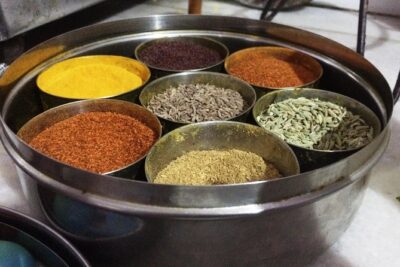
Jaipur Market Tour & Vegetarian Rajasthani Home Cooking Class
Read our review →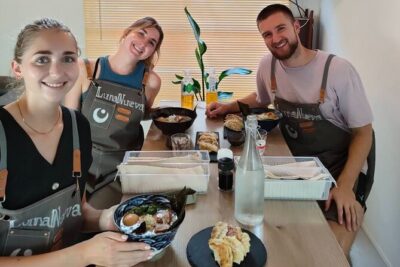
Ramen & Dumpling Cooking in Tokyo with Chef/Vegan possible
Read our review →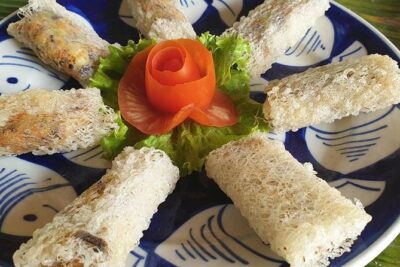
Hoi An/Da Nang: Vegetarian Cooking Class & Basket Boat Ride
Read our review →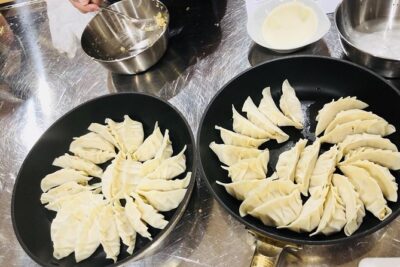
Vegan/Vegetarian Ramen and Gyoza by Bentoya cooking
Read our review →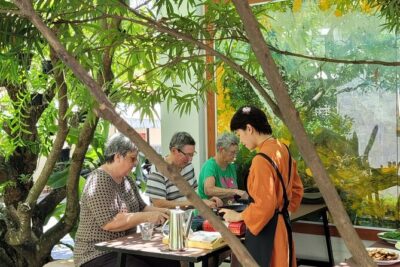
Hue’s Vegetarian Cooking Class in Ancient Garden
Read our review →
Ramen Making from Scratch with Tokyo Mom(Vegan Option Available)
Read our review →Browse the lists this tour appears in