
Review · PERU
Arequipa: Peruvian Cooking Class
Arequipa’s food is not just something to order at a restaurant. In this class, you put on an apron and chef’s hat, learn the story behind familiar Peruvian dishes, then cook and eat your own two-course meal. The setting at Casa de Avila Hotel in the historic center keeps the activity easy to reach without adding a long transfer.
I like the choice of three menus, especially the Andean option with solterito and rocoto relleno. I also like the social setup: the class is capped at 12 people, and the chef teaches in Spanish and English, so you can cook while swapping travel stories with the group. The main caution is menu coordination. One participant requested the Andean menu but was served the traditional menu instead, and another class finished about an hour early without the expected dessert.
Key points to know before you book
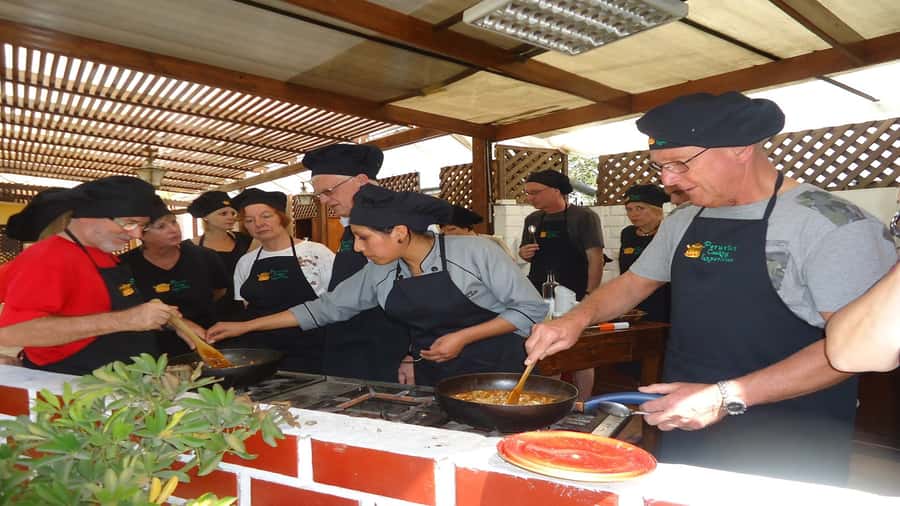
- Three menus offer different tastes of Peru: Choose Andean dishes, Chinese-Peruvian lomo saltado, or a seafood pairing with ceviche and pescado a lo macho.
- The class meets at Casa de Avila Hotel: You arrange your own way to the historic-center meeting point because hotel transfers are not included.
- You cook two dishes and eat them afterward: The price includes ingredients, cookware, instruction, a nonalcoholic drink, and a dessert.
- Chef instruction is available in English and Spanish: Diana received special praise for clear instruction and good energy.
- Menu requests need careful follow-up: Vegetarian meals and allergy adaptations are available, but tell the provider when booking and confirm the final menu.
- The two-hour schedule may vary: Most of the advertised plan is cooking and eating, but one reported class ended early.
Starting with chicha morada in Arequipa’s historic center
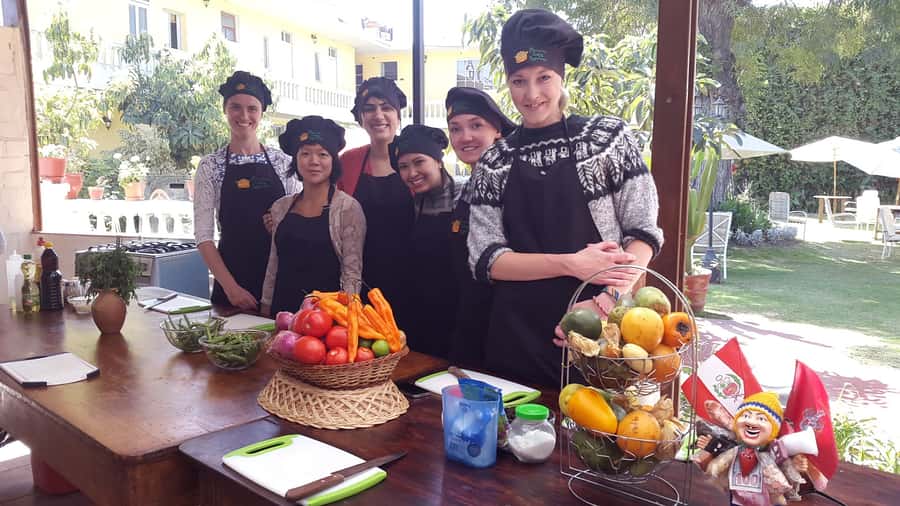
The class begins at Casa de Avila Hotel, a useful central meeting point in Arequipa. You do not need to spend the day arranging transport across town, but you do need to reach the hotel yourself. Round-trip hotel pickup is not part of the price.
On arrival, you receive chicha morada, a sweet, alcohol-free drink made from purple corn. It is a good first taste of Peru’s kitchen because it is familiar enough to enjoy right away, yet different from the usual juice or soft drink offered at a cooking lesson.
The opening drink also gives the chef a natural way to introduce Peruvian food. The class includes some explanation of the background of the dishes, not just a list of ingredients. That matters in Peru, where food often reflects several cooking traditions at once. Lomo saltado, for example, is a Chinese-Peruvian combination prepared in a wok.
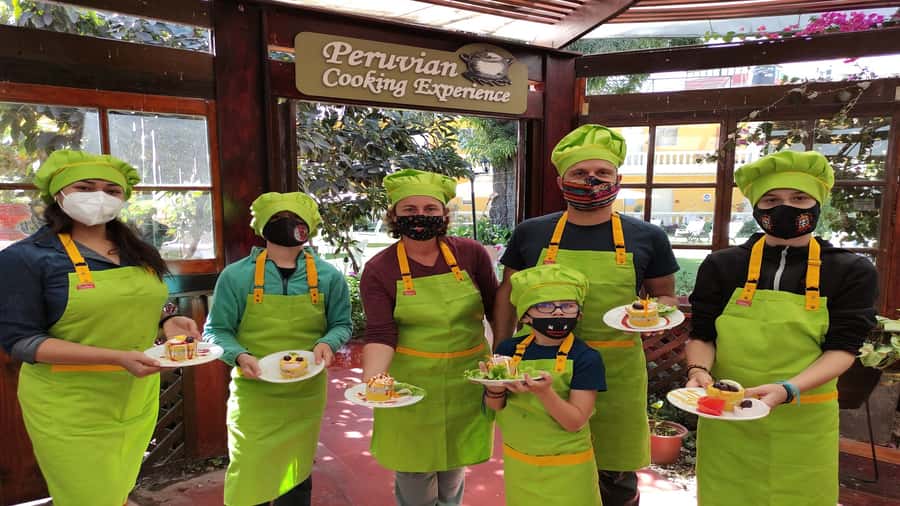
You then put on an apron and chef’s hat before beginning. The tone is practical rather than formal. You follow the chef step by step, prepare the food yourself, and share the work and conversation with the other people in the room.
More Hands-On Workshops in Peru:
- Cusco: Peruvian Cooking Class, Cocktails & Local Market Tour
★ 4.9 · 512 reviews - Cooking class and market tour with a local chef
★ 5.0 · 186 reviews - Market Tour, Tasting of 35 Fruits, and 4-Course Peruvian Cooking Class in Lima
★ 5.0 · 86 reviews
Three menus, three different views of Peruvian cooking
The provider offers three menu paths. The final choice is meant to be arranged after the reservation, so you should not assume that selecting the activity automatically locks in one menu. If a specific menu matters to you, confirm it clearly before the class.
Andean menu: solterito and rocoto relleno
The Andean menu gives you the strongest connection to Arequipa’s regional cooking. You begin with solterito, a cool salad of onion, tomato, corn, beans, cheese, and potatoes. It is a colorful mix of fresh produce and hearty ingredients, and it gives you a useful contrast to the hot main course.
The main dish is rocoto relleno, one of Arequipa’s best-known specialties. A red rocoto pepper is stuffed with seasoned ground meat, cheese, and raisins. The pepper has an apple-like shape, but do not mistake it for a mild vegetable. Rocoto is genuinely hot, and the heat is part of the point.
This menu suits you if you want a dish tied closely to Arequipa rather than a general introduction to Peruvian food. It is also the menu I would request first if regional cooking matters most. Ask about the spice level before you begin, especially if you are not comfortable with hot peppers.
Traditional menu: causa and lomo saltado
The traditional menu starts with causa, a seasoned mashed-potato dish made with yellow pepper and lemon. It is filled with avocado and either tuna or chicken, then decorated with black olives and vegetables. Causa is mild compared with rocoto relleno, but it still shows off the importance of potatoes and yellow pepper in Peruvian cooking.
The main course is lomo saltado, made with beef, onion, yellow pepper, and tomato. The ingredients are cooked in a wok, then served with French fries and white rice. This is a filling meal, and the pairing of fries and rice is exactly the sort of generous combination that makes the dish memorable.
Choose this menu if you want one of the most widely recognized Peruvian dishes and prefer a lower-risk flavor profile than the rocoto. It is also a good option if you like stir-fried food. The class gives you a chance to see how a Chinese cooking method fits into Peruvian cuisine.
A few more cooking classes around Peru worth a look
- #1 Rated Cooking Classes with Local Market Tour & Pickup
★ 5.0 · 69 reviews - Miraflores: Amazing Peruvian Cooking Class Ceviche Seafood and Pisco Sour
★ 4.9 · 57 reviews - Cusco: Peruvian Cooking Class & Market Tour
★ 4.9 · 19 reviews - Lima: Cooking Workshop and Water Circuit Tour
★ 5.0 · 16 reviews
Seafood menu: ceviche and pescado a lo macho
The seafood menu begins with ceviche, using fresh fish marinated in lemon juice. It comes with onion, sweet potato, and corn. The lesson can help you understand how the sharp citrus, fresh fish, and sweet or starchy side dishes balance each other.
The second dish is pescado a lo macho, a fried fish fillet covered with a sauce of onions and tomatoes. It is served with white rice. This menu offers two different treatments of fish: bright and citrusy in the ceviche, then warm and sauced in the main course.
The seafood menu is the obvious pick if you want a meal built around fish. It may be less suitable if you have a seafood allergy, but the provider asks you to share allergies and dietary restrictions when booking so the menu can be adapted.
What the cooking lesson is really like
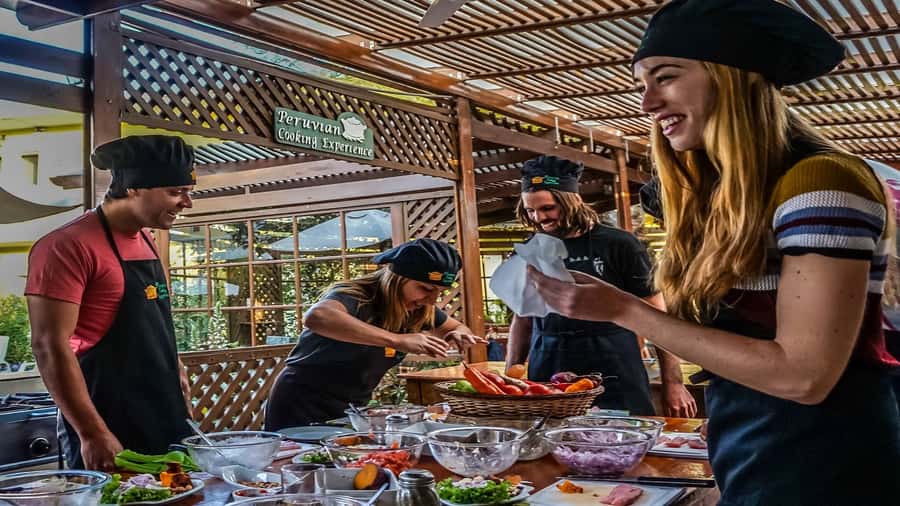
The chef demonstrates each stage and explains what to do before you try it. You are not simply watching a professional prepare lunch while you take notes. The point is to take part, from handling the ingredients to assembling the finished dishes.
The class lasts two hours, including the cooking, meal, drink, and dessert. That is enough time for a compact introduction, but it is not a full culinary workshop. You should expect a focused lesson rather than a long session on knife skills, regional ingredients, or several cooking techniques.
The small maximum group size of 12 helps. A class of that size can still feel social, but it is more manageable than a large demonstration where you stand at the back and see little. Your exact amount of hands-on work may depend on the group and the chef, so keep your expectations realistic.
The atmosphere has received strong praise, particularly when Diana leads the class. She was described as a clear instructor who created a fun mood and helped the group learn useful ideas about Peruvian cooking. English instruction was also praised, which is important if you do not speak Spanish.
One practical issue is noise. A participant found the music too loud to talk easily at the table. If conversation matters to you, the atmosphere may be less relaxed when the music is turned up. This is a small point, but group cooking works best when you can hear the instructions and talk with the people beside you.
Eating what you prepare
After the cooking, you sit down to eat your own dishes. This is the payoff, but it also gives you a chance to see how your work turned out. Since the class includes a two-course lunch or dinner, the activity can replace one restaurant meal during your time in Arequipa.
A dessert is also planned. The description does not identify the dessert, and one participant reported leaving without the expected quinoa dessert. I would treat dessert as part of the intended meal, but I would not book this class solely for the final sweet course. The core value is the cooking lesson and the two savory dishes.
The meal is best viewed as both food and instruction. At a restaurant, you can taste causa or lomo saltado without learning how the dish comes together. Here, you leave with a better sense of the ingredients and methods, even if the lesson is too brief to provide a complete recipe course.
Is $63 a fair price?
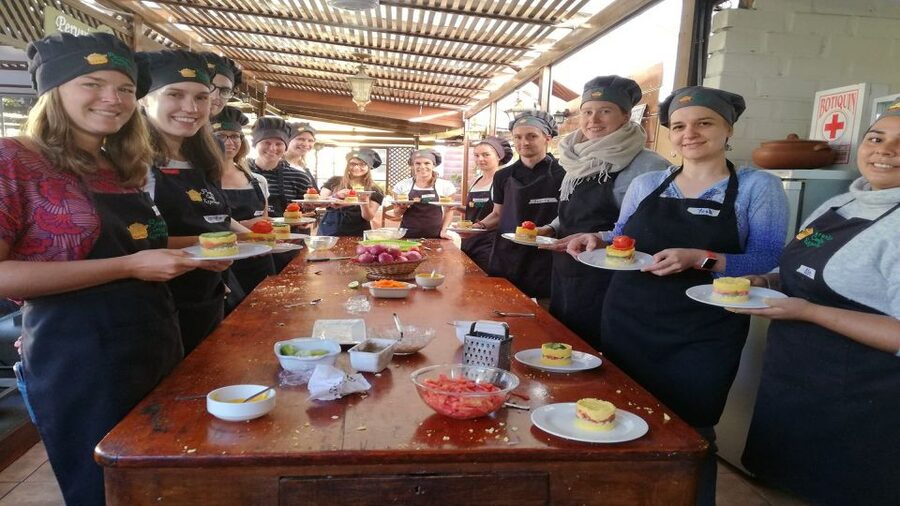
At $63 per person, this is not the cheapest way to eat in Arequipa. Local restaurants can provide a full meal for less, and the class lasts only two hours. One participant specifically felt the price-to-value ratio was poor.
You are paying for more than the food, though. The fee covers a professional chef, guided instruction, all ingredients, cookware, chicha morada, a two-course meal, dessert, and Wi-Fi. You also get the chance to prepare dishes that may be difficult to reproduce confidently after simply eating them at a restaurant.
I think the value depends on your goal. If you want the least expensive lunch, skip the class. If you want a social activity and a practical introduction to Peruvian dishes, the price is easier to justify. The value improves if the menu is confirmed in advance, the full two-hour plan is followed, and you take part actively instead of treating it as a demonstration.
The lack of hotel transfers does not add hidden transport costs if you are already staying or spending time in central Arequipa. It does mean you should budget your own way to Casa de Avila Hotel.
Dietary needs and menu confirmation
Vegetarian options are available, but you must request one when booking. The same applies to allergies and other dietary restrictions. Do not wait until you arrive, since the class is built around a selected menu and prepared ingredients.
The menu issue deserves extra attention. One participant asked for the Andean menu but ended up cooking the traditional menu because the request was not followed. That is frustrating if you booked specifically for rocoto relleno and solterito, and it could be more serious when a food restriction is involved.
My advice is simple: state your menu, vegetarian needs, and allergies in writing at the time of booking, then confirm them again when the provider contacts you. The provider says it will indicate the chosen menu after the reservation, so use that contact as a chance to make sure the plan is correct.
Who will enjoy this class most?
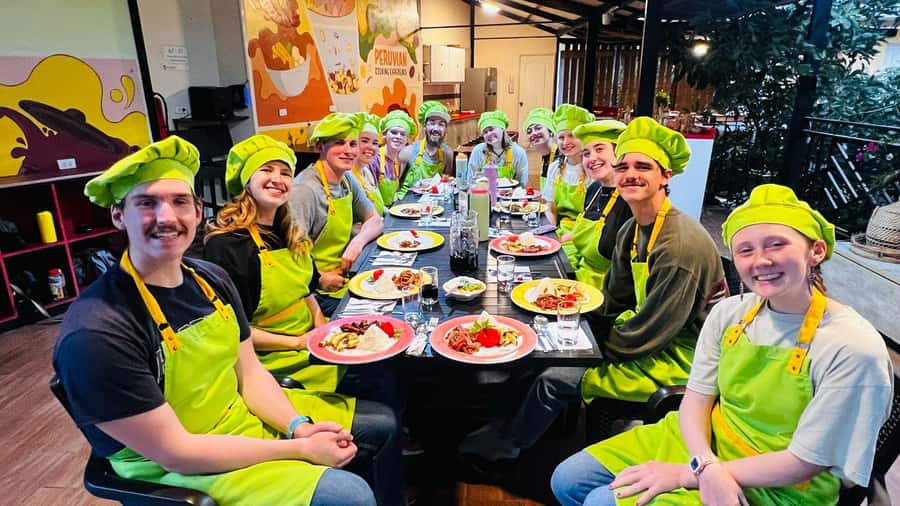
This class suits you if you want a short, social food activity in central Arequipa. It works well for couples, friends, families with older children, and solo participants who like meeting people through a shared task. The minimum group size is two, and children under eight cannot join.
It is also a good fit if you want to try a dish you might not order on your own. Rocoto relleno can look intimidating, and a cooking lesson gives you context before you decide how much heat you want. The seafood menu is useful if ceviche is high on your Peru food list, while the traditional menu offers familiar ingredients in a distinctly Peruvian form.
I would be more cautious if you need exact dietary control, strongly prefer one menu, or dislike paying a premium for a meal you could buy more cheaply. The class can adapt to vegetarian needs and allergies, but the menu mix-up reported above means you should confirm everything carefully.
Practical details that affect your day
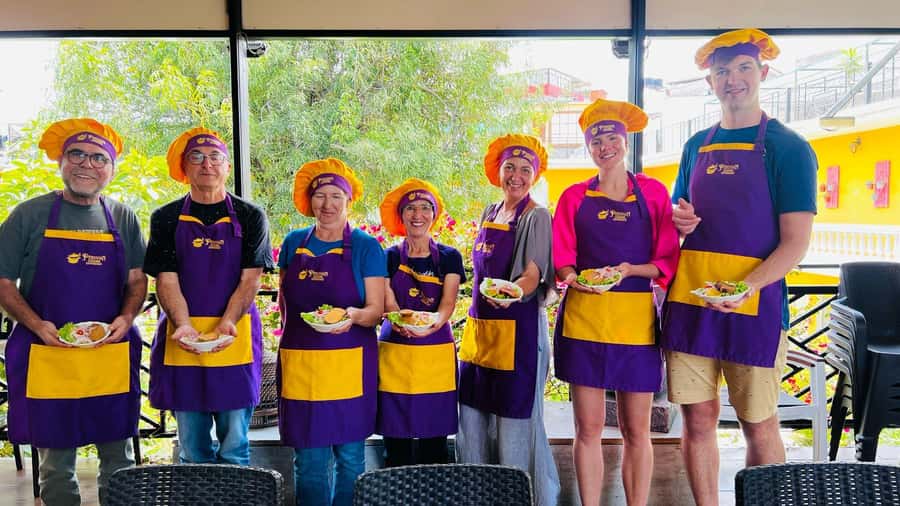
Wear comfortable clothes, since you will be cooking and eating rather than sitting through a lecture. The activity is wheelchair accessible, according to the supplied details.
Starting times vary, so check availability for the day you want. You can cancel up to 24 hours in advance for a full refund, and the reserve-now, pay-later option keeps you from paying at the time of booking.
The class is offered in Spanish and English. Wi-Fi is included, though it is not a reason by itself to choose the activity. The useful inclusions are the ingredients, equipment, chef, drink, and meal.
Should you book the Arequipa cooking class?
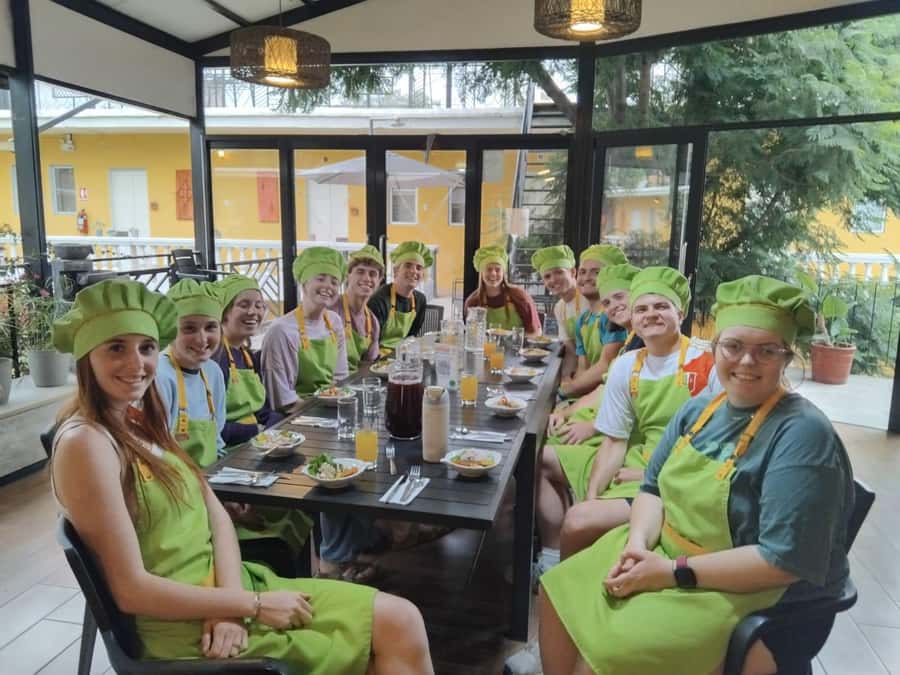
Book it if you want an easy two-hour introduction to Peruvian food and prefer to learn by doing. I especially recommend requesting the Andean menu for a more Arequipa-focused meal, then confirming that request and any dietary needs before the class.
The best parts are the regional dishes, the small maximum group, the English and Spanish instruction, and the chance to eat what you prepare. The weak points are the relatively high price, the lack of included transfers, the possibility of a menu mix-up, and the fact that one class ended early without the planned dessert.
For food-minded visitors, the activity is worth considering, but go in with clear expectations. You are buying a friendly, compact cooking lesson with lunch or dinner, not a long professional kitchen course. Confirm the menu, arrive in comfortable clothes, and you should get the most from the two hours.
FAQ
Where does the cooking class meet?
The class meets at Casa de Avila Hotel in the historic center of Arequipa.
How long does the class last?
The advertised duration is two hours. Starting times vary, so you should check availability for your preferred date.
What food can I prepare?
You can prepare one of three menus: an Andean menu with solterito and rocoto relleno, a traditional menu with causa and lomo saltado, or a seafood menu with ceviche and pescado a lo macho.
Is a vegetarian menu available?
Yes. Vegetarian options are available, but you need to request one when booking.
Can the class accommodate allergies or dietary restrictions?
Yes, the provider asks you to report allergies and dietary restrictions when booking so the menu can be adapted.
Is transportation from my hotel included?
No. Round-trip transfers to and from your hotel are not included. You need to reach Casa de Avila Hotel yourself.
Can I cancel the reservation?
Yes. You can cancel up to 24 hours in advance for a full refund. The activity also offers a reserve-now, pay-later option.
Just added around Peru
- Lima: Market Tour and Cooking Class with Pisco Sour★ 5.0 · 3 reviews
- Lima: Cooking Workshop and Water Circuit Tour★ 5.0 · 16 reviews
- Lima: Market Tour, 35 Fruits Tasting & Cooking Class★ 5.0 · 3 reviews
- Lima: 4-Course Peruvian Cooking Class in Miraflores★ 5.0 · 4 reviews
- Lima: Demo Cooking Class with Lunch at Cala Restaurant★ 4.1 · 4 reviews
- Cusco: Peruvian Cooking Class & Market Tour★ 4.9 · 19 reviews
- Cusco: 3-Hour Peruvian Cooking Class★ 4.7 · 16 reviews
- Cooking Class Typical Food in Arequipa★ 3.9 · 3 reviews
Cooking Classes, compared.
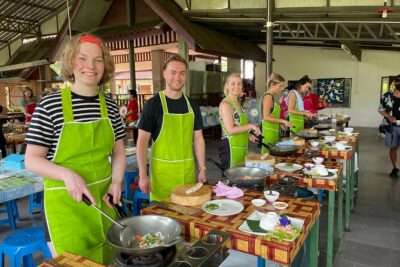
Half-Day Thai Cooking Class at Organic Farm in Chiang Mai
Read our review →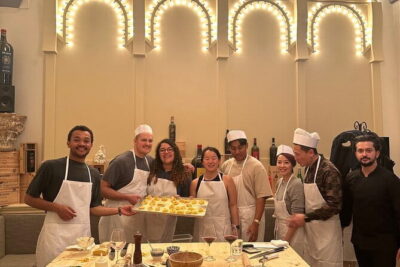
Florence: Pasta Cooking Class with Unlimited Wine
Read our review →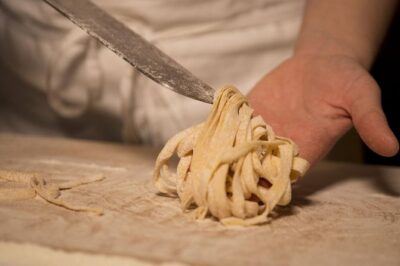
3 in 1 Cooking Class near Navona: Fettuccine, Ravioli & Tiramisu
Read our review →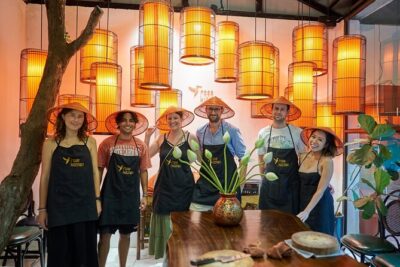
Hanoi Cooking Class: Culture, Local Market & Meaning CSR Impact
Read our review →
5 Traditional Dishes Hanoi Cooking Class with Market Trip
Read our review →
Cooking Class and Lunch at a Tuscan Farmhouse with Local Market Tour from Florence
Read our review →
Chiang Mai: Cooking Class, Market & Thai Herbs Garden Tour
Read our review →Browse the lists this tour appears in