
Review · JAPANESE & SUSHI
Kyoto: Learn Sushi at cooking studio with 20 years history
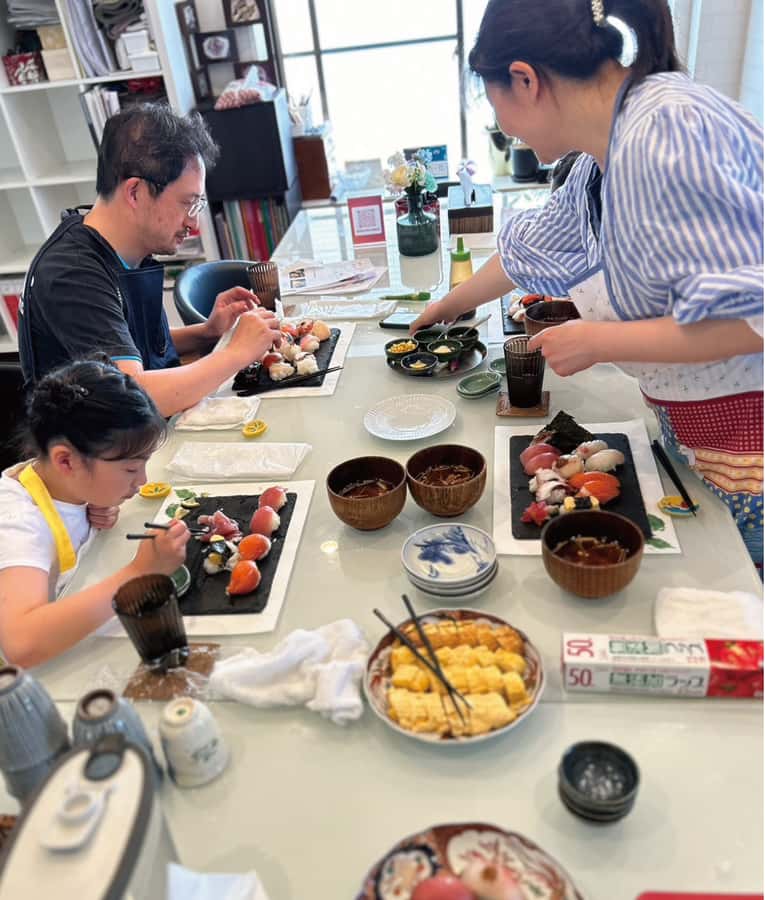
Kyoto’s food culture makes more sense when you learn the quiet basics behind it. In this two-hour sushi class, a teacher with 20 years of experience shows you how dashi, seasoned rice, fresh fish, and careful preparation come together. You choose between nigiri sushi and chirashi sushi, then eat what you make with several traditional side dishes.
I like the small group size, limited to 10 people, and the easy location near Kyoto Station and Shijo Subway Station. I also like that the class goes beyond sushi, with a dashimaki omelet demonstration, dashi tasting, namafu dengaku, soup, and dessert. The main consideration is the price, $96 per person, which is fair for a full meal and instruction, but high if you only want a quick sushi-making lesson.
Key points to know before booking
- A 20-year Kyoto cooking teacher: You learn from the hostess of an established obanzai cooking classroom.
- Two sushi styles: Pick nigiri sushi, the familiar hand-formed style, or chirashi sushi, sushi rice topped with assorted ingredients.
- More than a sushi lesson: The class includes dashi soup, dashimaki, namafu dengaku, and mitarashi dumpling.
- Convenient indoor setting: The kitchen studio is about 10 minutes from Kyoto Station and five minutes from Shijo Subway Station.
- Small and personal: The group is limited to 10 participants, giving the lesson a more focused feel.
- Good rainy-day plan: Everything takes place indoors, so weather will not affect the activity.
A Kyoto food lesson built around dashi
The best reason to book this class is that it treats sushi as part of Japanese food culture, not as an isolated craft. You learn how to make sushi, but you also get an introduction to dashi, the savory stock that forms the base of many Japanese dishes.
The teacher explains the history of sushi and the appeal of Japanese cooking while guiding you through the preparation. That context matters. Sushi is often reduced to raw fish and rice, but the balance depends on details such as the rice, seasoning, stock, egg, and toppings.
You also get a dashi tasting. This is a useful part of the class because it gives you a direct sense of one of Japan’s core flavors. Rather than only hearing about dashi, you can taste it and then see how it fits into the meal.
The class is led by the hostess of an obanzai classroom with 20 years of history. Obanzai is associated with home-style Kyoto cooking, so the lesson has a broader food focus than a standard restaurant demonstration. You are not simply shown a finished plate. You take part in several steps and then sit down to eat.
More Sushi and Japanese Classes in Japan:
- Sushi Making Tokyo Roll and Authentic Japanese Sushi Class
★ 5.0 · 3,971 reviews - Tokyo: Roll and Authentic Sushi Making Class in Asakusa
★ 4.9 · 1,957 reviews - Ramen Cooking Class at Ramen Factory in Kyoto
★ 5.0 · 1,937 reviews
Choosing between nigiri and chirashi sushi
At booking or during the class, you choose between nigiri sushi and chirashi sushi. The choice changes the sort of activity you will have.
Nigiri sushi is the classic hand-shaped style. You work with sushi rice and fresh fish, forming individual pieces and adding the toppings. This is the better pick if you want to practice the hand skills most people associate with sushi making.
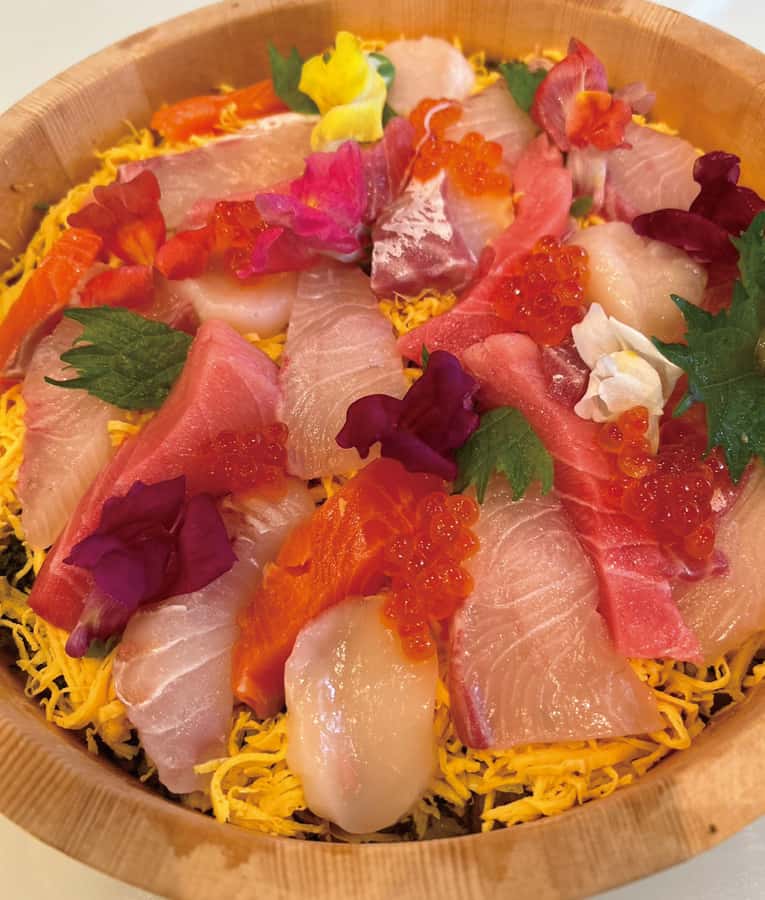
Chirashi sushi uses sushi rice topped with assorted ingredients such as seafood, egg, and vegetables. It is less focused on shaping individual pieces, but it gives you a colorful bowl-style dish with more variety in the toppings.
Neither choice is presented as the wrong one. Nigiri offers the more recognizable sushi-making challenge, while chirashi may suit you if you prefer a broader mix of ingredients and a less exacting shape. If you are booking with family or friends, ask whether everyone must choose the same style. The supplied details confirm that both options are available, but they do not specify how mixed choices are handled within one group.
Fresh fish is part of the sushi preparation. The class is also built around making sushi rice, so you get to see the process behind the finished dish instead of only assembling pre-made portions.
Watching dashimaki made by the hostess
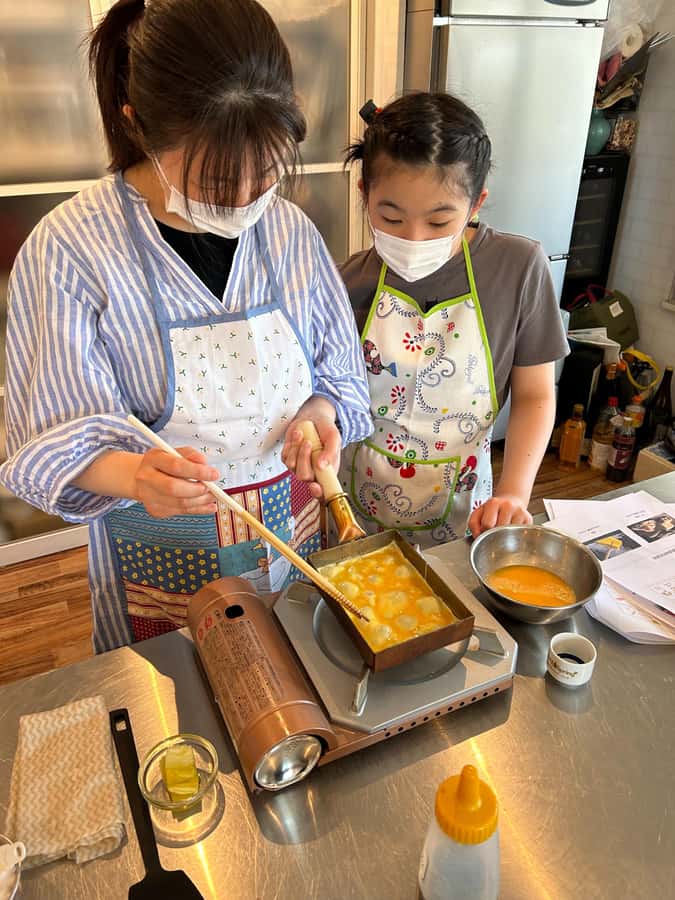
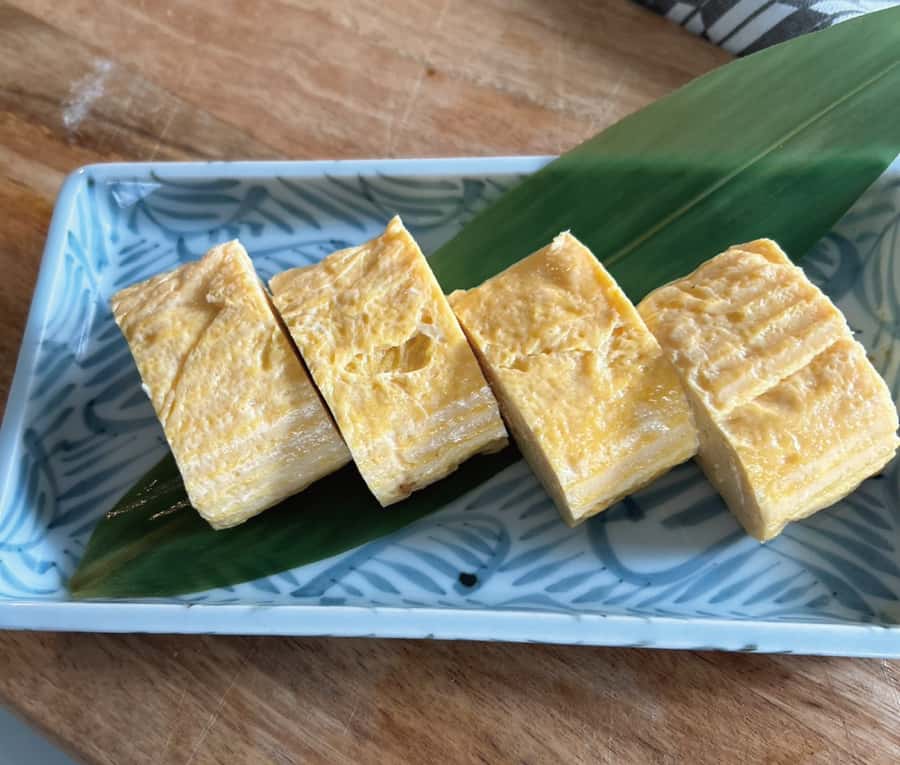
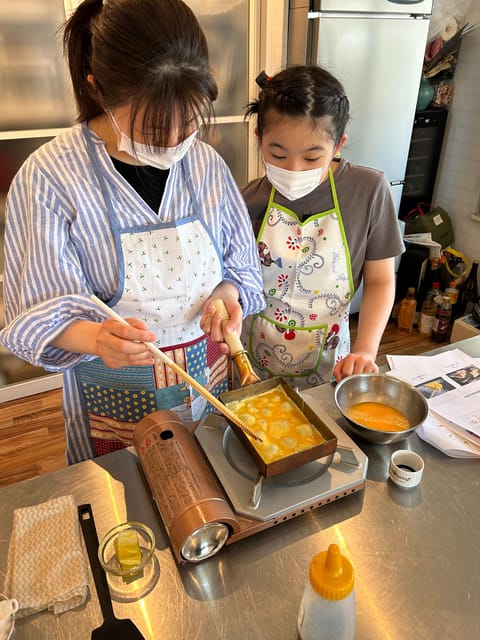
One of the class’s more distinctive moments is the dashimaki demonstration. Dashimaki is a Japanese-style omelet made with dashi. The hostess herself prepares it, giving you a chance to watch a technique that looks simple on the plate but depends on controlled cooking and careful rolling.
This demonstration adds value because it shows a home-style Japanese dish that you might not learn in a basic sushi class. The omelet also connects directly with the dashi tasting. You can notice how the stock is used in more than one part of the meal.
The class description does not promise that you will prepare the dashimaki yourself. Read this part as a demonstration rather than a hands-on omelet workshop. If you are mainly interested in practicing every dish, sushi is the part where your own preparation is clearly central.
The meal can also include teriyaki chicken, according to a recent class account. Since the listed inclusions focus on sushi, dashimaki, dashi soup, namafu dengaku, and mitarashi dumpling, treat teriyaki chicken as a possible menu addition rather than a guaranteed part of every booking.
The full meal makes the $96 price easier to judge
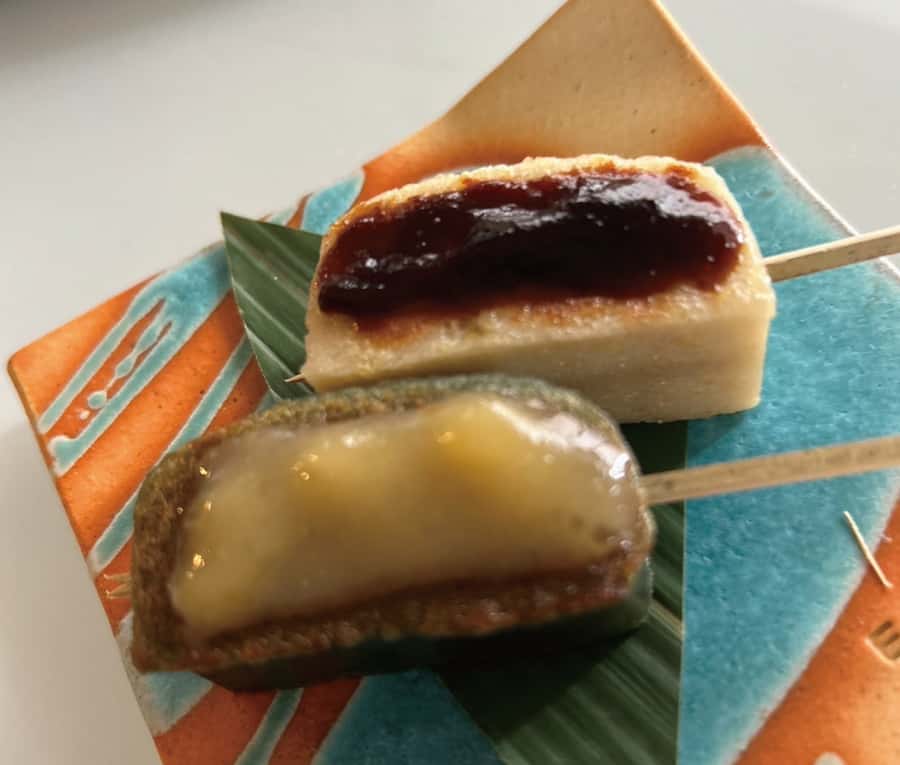
At $96 per person, this is not a budget activity. The value comes from the amount of food, the instruction, and the range of dishes included in the two-hour session.
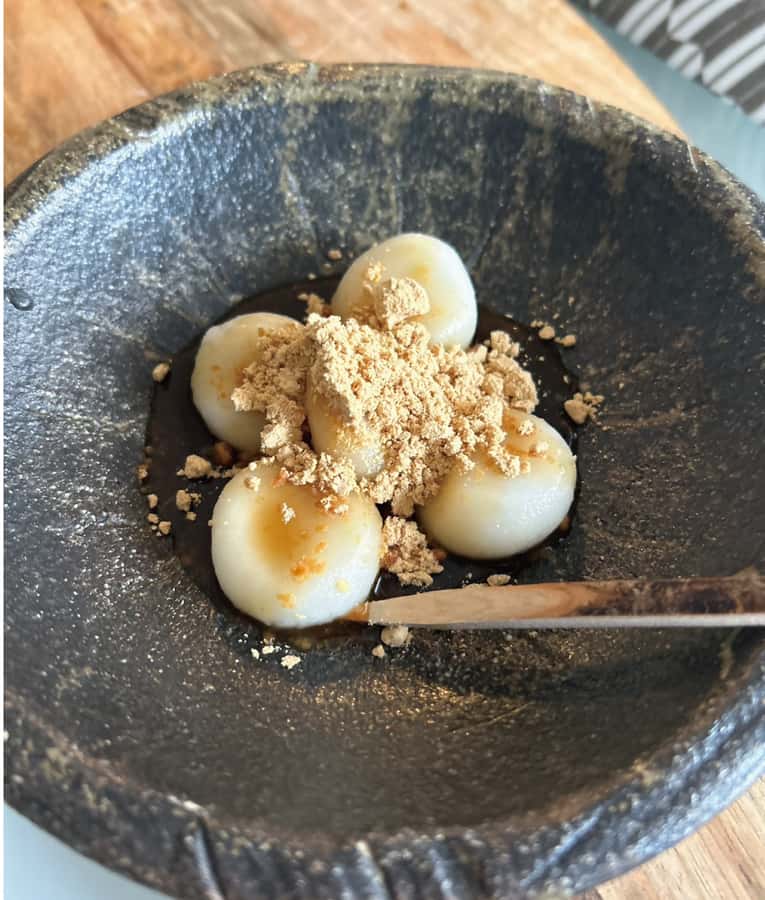
Your meal includes your selected nigiri or chirashi sushi, dashimaki, dashi soup, namafu dengaku, and mitarashi dumpling. That is a much fuller food experience than a short class that teaches one recipe and sends you on your way.
The dessert, mitarashi dumpling, gives the meal a sweet finish. Namafu dengaku adds another Kyoto-style touch. Namafu is a chewy wheat-gluten food often served with a sweet miso topping, although the exact preparation here is not specified. It gives you another texture and flavor to compare with the sushi and soup.
One recent participant specifically praised the amount of food, and that matches the structure of the class. You should arrive ready to eat, not just sample a few bites. Another account described the food as including sushi, teriyaki chicken, and dashi soup, all of it delicious. The strongest practical takeaway is simple: this is a meal as well as a lesson.
Alcoholic drinks are available for an additional cost. They are optional, so the advertised price covers the food and class experience without requiring you to add drinks.
More History Tours in Japan:
- Undiscovered Charleston: Half Day Food, Wine & History Tour with Cooking Class
★ 5.0 · 948 reviews - Taipei Cooking Class & Market Adventure in Historic Dadaocheng
★ 5.0 · 77 reviews - Cooking Class in a Historic Home in the Heart of Brindisi
★ 4.7 · 28 reviews - Sicilian cooking class in the historic baglio Florio Adamo
★ 5.0 · 27 reviews
Two hours near Kyoto Station
The studio is about 10 minutes from Kyoto Station and five minutes from Shijo Subway Station. That makes it useful on a day when you want a scheduled activity without traveling across the city.
The meeting point is Sumaya cooking class, located on the third floor of a hair salon called Salon Roll. This is an important arrival detail. You are not meeting at a large standalone cooking school with an obvious street entrance. Look for the hair salon and continue to the third floor.
The two-hour length is well suited to a busy Kyoto itinerary. You can fit the class between sightseeing plans, though you should leave enough time to find the studio and settle in. Since the class includes explanation, demonstrations, preparation, and a full meal, the time should feel more substantial than a quick one-hour activity.
Everything takes place indoors. That is useful during Kyoto’s rainy season, in summer heat, or on a winter day when you would rather have a warm room and a table than another outdoor stop.
Why the small group matters
The class accepts up to 10 participants. That is not a private lesson, but it is small enough to give the session a personal scale.
A small group helps when you are learning hands-on tasks such as making sushi rice or shaping nigiri. You can watch the teacher’s movements without standing behind a crowd, and the teacher has a better chance of seeing how each person is progressing.
The experience also seems suited to people who enjoy conversation around food. The hostess teaches the history of sushi and Japanese food, rather than rushing through a recipe. A friendly teacher was one of the clearest positives in the available feedback, along with the amount of information provided.
Still, group size can vary up to the full limit of 10. If you want a quiet private cooking lesson or one-to-one correction, this is not advertised as a private class. If you like meeting other people over a shared meal, the format should work better.
Food restrictions need to be discussed early
You should provide any food allergies or dietary restrictions when booking. This matters because the class includes fish, sushi rice, dashi, egg, and several prepared dishes. The available information does not promise vegetarian, vegan, gluten-free, or allergy-free substitutions.
Do not wait until you arrive to raise an allergy. The cooking teacher needs the information in advance to know what can be adjusted and what may not be possible. If you have a serious allergy, ask for confirmation before committing to the class.
The activity is not suitable for babies under one year old. No other age restriction is stated, so families with older children should check the booking details if they need a child-specific arrangement.
Who will get the most from this class
I would recommend this experience to you if you want to connect a sushi meal with the wider traditions of Japanese cooking. It suits first-time visitors who want a structured introduction, as well as food-focused visitors who already know sushi but want to understand dashi, dashimaki, and Kyoto home-style dishes.
It is also a good choice for a rainy afternoon. You do not need good weather, a long train ride, or a full day away from central Kyoto. The location and two-hour format make it easy to fit into a larger sightseeing plan.
The class is a particularly good match for people who enjoy eating what they have prepared. You will not simply watch a professional cook work. Sushi rice and sushi preparation are part of your own activity, with the final meal giving you an immediate reward.
I would be more cautious if you are looking for an advanced sushi apprenticeship, a professional knife-skills course, or a low-cost food activity. The class is designed as an accessible cultural cooking experience. The supplied details do not promise advanced fish cutting, market shopping, or a restaurant-level sushi curriculum.
Practical booking advice
The class offers free cancellation up to 24 hours before the start time, with a full refund. You can also reserve now and pay later, which helps if your Kyoto schedule is still shifting.
When you book, select or note your preferred sushi style if the reservation system asks for it. If you have allergies or dietary restrictions, write them clearly at that point.
Remember the meeting point: Sumaya cooking class, on the third floor of Salon Roll. The class is indoors, but the exact starting times depend on availability, so check the schedule before planning nearby activities.
Should you book this Kyoto sushi class?
Book it if you want a full Japanese food lesson, not just a quick sushi assembly session. The teacher’s 20 years of experience, the dashi tasting, dashimaki demonstration, varied meal, and small group make the $96 price easier to justify.
Skip it if your only goal is the cheapest possible sushi activity or if you need guaranteed dietary substitutions that have not been confirmed. For most visitors who want food, conversation, and practical preparation in one indoor Kyoto experience, this is a strong pick.
FAQ
Where is the sushi cooking class held?
The class is held at Sumaya cooking class, on the third floor of a hair salon called Salon Roll.
How far is the studio from Kyoto Station?
The kitchen studio is about 10 minutes from Kyoto Station.
How far is it from Shijo Subway Station?
The studio is about five minutes from Shijo Subway Station.
How long does the activity last?
The cooking class lasts two hours.
Which types of sushi can I make?
You can choose nigiri sushi or chirashi sushi. Nigiri is the hand-formed style, while chirashi uses sushi rice topped with assorted ingredients such as seafood, egg, and vegetables.
What food is included?
The class includes all meals, your chosen sushi style, dashimaki, dashi soup, namafu dengaku, and mitarashi dumpling. Alcoholic drinks are available for an additional cost.
Can I cancel the booking?
You can cancel up to 24 hours in advance for a full refund. The activity also allows you to reserve now and pay later.
Just added around Japan
- Cooking Class: Make a Local Delicacy in a Japanese House★ 5.0 · 7 reviews
- Culinary Home Cooking with Grandmothers – Vegan Friendly★ 5.0 · 5 reviews
- Famous Inari Sushi Making Experience in Toyokawa★ 5.0 · 4 reviews
- Nagoya Super Market Tour & Home Cooking Class with a Local, Akiko★ 5.0 · 10 reviews
- Tokyo: Tsukiji Market Walking Tour & Sushi Cooking Class★ 4.6 · 122 reviews
- Tokyo: Sushi Cooking Class with Sake Tasting★ 4.8 · 55 reviews
- Sushi-Making Experience★ 4.7 · 4 reviews
- Tokyo: Tsukiji Market Guided Tour & Sushi-Making Experience★ 4.4 · 11 reviews
Japanese & Sushi Cooking Classes, compared.
Sushi Making Tokyo Roll and Authentic Japanese Sushi Class
Read our review →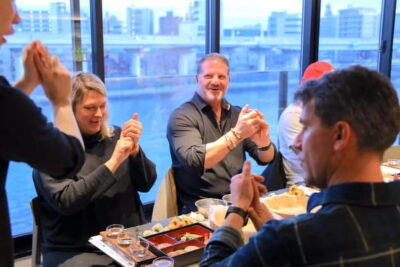
Tokyo: Roll and Authentic Sushi Making Class in Asakusa
Read our review →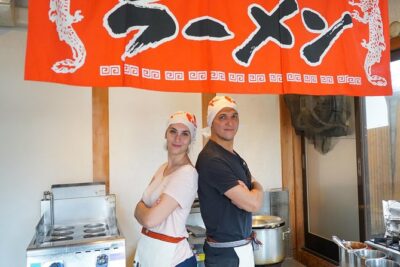
Ramen Cooking Class at Ramen Factory in Kyoto
Read our review →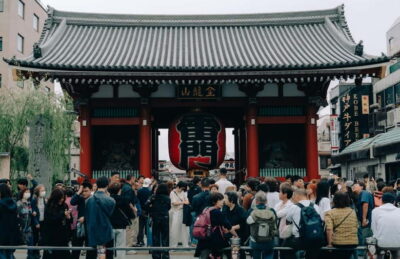
Tokyo: Sushi Making Class in a Happi Coat near a Famous Spot
Read our review →
Sushi Making Tokyo! Popular Maki Sushi & Japanese Sushi(+Recipe!)
Read our review →
Sushi Making Osaka Roll and Authentic Japanese Sushi Class
Read our review →
Tokyo Sushi Making Class in Tsukiji with Professional Chef
Read our review →
Ramen & Gyoza Cooking Class in Tokyo with Local Supermarket Visit
Read our review →Browse the lists this tour appears in