
Review · KYOTO
Kyoto Sushi & Takoyaki Cooking Class near Gion and Kiyomizu-dera!
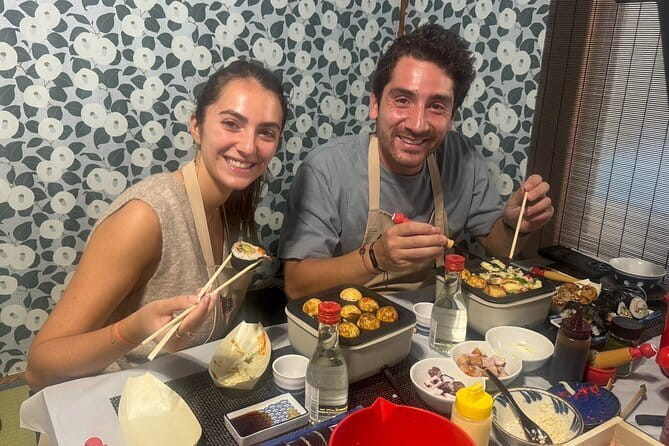
Walking into a traditional machiya in Kyoto’s Higashiyama district, then learning to make rolled sushi and takoyaki with local instructor HANA, gives this two-hour class a strong sense of place. You are not simply eating Japanese food. You are handling the ingredients, hearing about daily food customs, and sitting down to enjoy what you made.
I like two things right away: the small maximum of six people keeps the class personal, and the meal includes more than the dishes you prepare. You get a drink such as sake, beer, or juice, plus matcha mochi ice cream. The main consideration is the price, $96.19 per person, which is higher than a basic cooking lesson, so you should value the cultural setting and meal as much as the recipes.
Key points to know
- Cook two Japanese favorites: Prepare rolled sushi and takoyaki during a hands-on lesson.
- Learn with HANA: The English-speaking local instructor adds stories about food customs and daily life in Japan.
- Enjoy a complete meal: Your cooking becomes lunch, with a drink and matcha mochi ice cream afterward.
- Small group setting: The class accepts a maximum of six people, which allows more direct help.
- Convenient Higashiyama location: Meet at Hanakiya Inn, close to Kyoto’s Gion and Kiyomizu-dera area.
- Take the lesson home: Recipes and cooking tips are provided so you can repeat the dishes in your own kitchen.
A Kyoto cooking class inside a Higashiyama machiya
The setting does much of the work here. Hanakiya Inn is at 6-chōme-583-101 Gojōbashihigashi in Higashiyama, a useful base for exploring the streets around Gion and Kiyomizu-dera. Instead of meeting in a large commercial cooking studio, you begin in a traditional Kyoto machiya.
That matters because a machiya gives the class a stronger connection to the city. You are cooking in a style of building associated with Kyoto’s older neighborhoods, not in a generic room that could be anywhere. The experience stays focused on Japanese food and home-style hospitality from the moment you arrive.
The class lasts about two hours, so it fits well into a morning or afternoon plan. You might schedule it before visiting Kiyomizu-dera, or use it as a break after walking through Higashiyama. Since the activity starts and ends at the same meeting point, you do not need to arrange a separate return transfer.
More Sushi and Japanese Classes in Kyoto:
- Ramen Cooking Class at Ramen Factory in Kyoto
★ 5.0 · 1,937 reviews - Sushi Making in Kyoto! Same-day bookings welcome!
★ 5.0 · 713 reviews - Kyoto: Ramen Cooking Class at a Ramen Factory with Souvenir
★ 4.9 · 532 reviews
Meeting HANA and learning through food
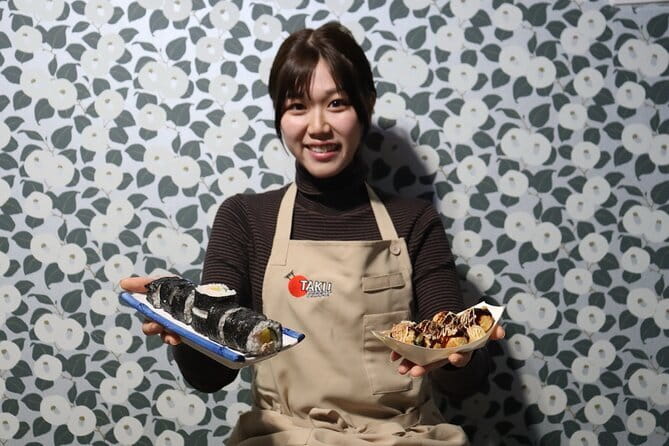
HANA leads the class in English and brings a local point of view to the lesson. The instruction is not limited to measurements and cooking steps. You also hear stories about Japanese culinary traditions and everyday life, giving the food some context before you eat it.
That personal element is important in a short class. A recipe alone can tell you what to mix, but it cannot explain why a dish is common, how it fits into ordinary meals, or what makes it familiar in Japan. HANA’s explanations add that connection without turning the class into a formal lecture.
The small group size is another practical advantage. With no more than six people, you should have a better chance to watch each stage clearly and ask for help when shaping sushi or preparing takoyaki. The experience is still social, but it does not have the feel of a crowded demonstration where you stand at the back and copy what you can.
The available information does not specify the exact ratio of hands-on work to instruction. You should expect to take part in preparing the food, but the class may still include demonstrations and explanation from HANA. That is normal for a short lesson and helps keep the cooking manageable for people with different levels of experience.
Rolling sushi and shaping takoyaki
The class centers on two well-known Japanese dishes: rolled sushi and takoyaki. They offer different types of cooking practice, which makes the lesson more varied than a class built around one recipe.
Rolled sushi gives you a chance to work with presentation and careful assembly. The basic appeal is clear: you prepare the components, arrange them, roll them, and cut them into portions. The shape and neatness of the finished sushi can take some practice, so this is the kind of task where direct guidance from a small-group instructor is useful.
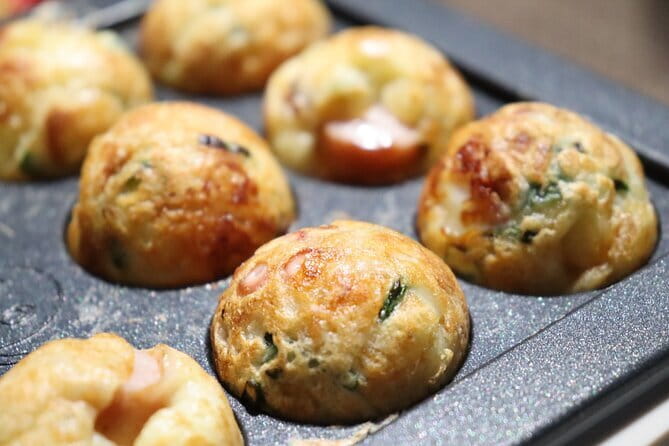
Takoyaki provides a different challenge. These round savory snacks are closely associated with Osaka, but they are popular throughout Japan. Preparing them adds a playful element to the class because you must manage the shape as they cook. The lesson lets you make a dish that many visitors eat from street stalls or casual shops, then understand it through the process of preparing it yourself.
You should not expect a professional-chef course. This is a cultural cooking experience for visitors, with a focus on participation, food stories, and a meal at the end. The recipes and tips help you repeat the dishes later, but the main reward is the combination of cooking and conversation in Kyoto.
Turning your work into lunch
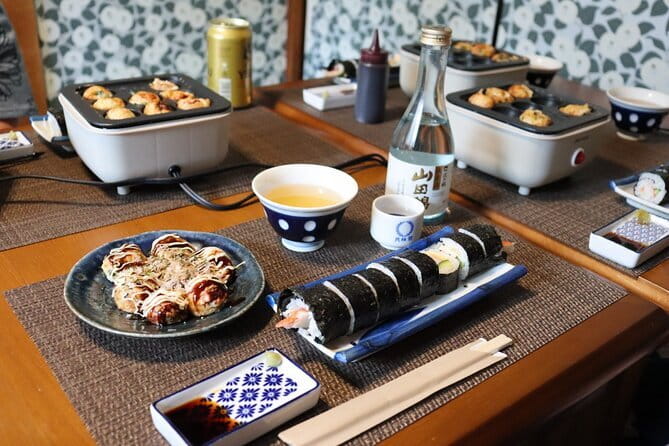
The food you prepare is not just a sample. Rolled sushi and takoyaki make up the lunch, so the class has a satisfying payoff after the hands-on portion. This is especially useful if you are planning the activity during the middle of the day and want it to replace a separate restaurant stop.
A previous class experience included enough food that the participant could not finish it all and took some away. You should not assume every session will produce leftovers, since portions can vary, but it is a useful sign that the meal is intended to be substantial rather than a tiny tasting.
The drink choice adds flexibility. Included options are sake, beer, or juice. If you want a taste of local alcohol, sake fits the setting well. Beer gives you another alcoholic option, while juice works for anyone who does not drink or simply prefers something lighter.
The meal also lets you slow down. Kyoto sightseeing can become a long sequence of temples, lanes, and train rides. Sitting down to eat food you have just made creates a more relaxed pause and gives the class a social center. The pace should appeal to you if you enjoy talking over a meal as much as collecting photos.
More Hands-On Workshops in Kyoto:
- Kyoto: Ramen, Gyoza, and Onigiri Cooking Class
★ 5.0 · 445 reviews - The Original Small-Group Sushi Making Class in Kyoto
★ 5.0 · 436 reviews - Kyoto: Japanese Washoku Bento Small Group Cooking Class
★ 5.0 · 380 reviews - Kyoto Ramen and Gyoza Cooking Class with Professional Chefs
★ 5.0 · 282 reviews
Matcha mochi ice cream to finish
Dessert is matcha mochi ice cream. It combines a cool, creamy center with the soft rice-cake texture associated with mochi, along with the distinctive green-tea flavor of matcha.
This is a small detail, but it helps the class feel complete. You prepare savory dishes, eat lunch with a drink, then finish with a Japanese-style sweet. If you are curious about matcha but do not want to commit to a full tea-focused activity, this gives you a simple introduction through dessert.
The description specifies matcha mochi ice cream, while the included items call it matcha mochi ice-cream dessert. Either way, you can expect the class to end on a sweet course rather than stopping after the main meal.
What the $96.19 price really covers
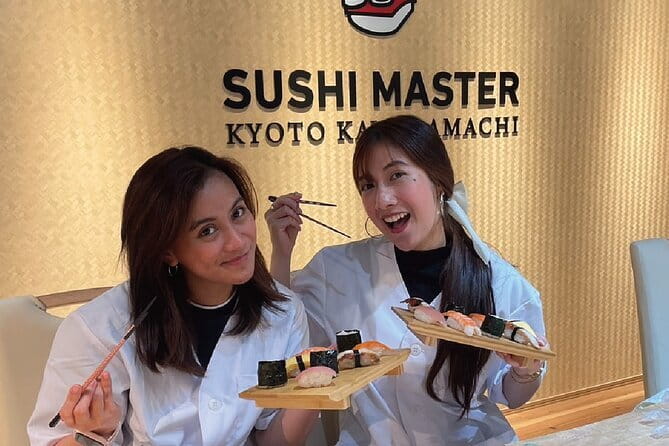
At $96.19 per person, this is not a bargain lunch. The value comes from several parts combined: a two-hour English-language lesson, an instructor, all ingredients and cooking tools, the meal you prepare, a drink, dessert, recipes, and the setting inside a Kyoto machiya.
You are also paying for a small group, with a maximum of six. That matters more in a hands-on class than it would on a simple sightseeing walk. If you need help with rolling sushi or making takoyaki, a small group gives HANA more room to assist.
The price makes the most sense if you would otherwise pay separately for lunch and seek out a cultural activity during the same part of the day. It is less attractive if you want only a quick recipe demonstration or are mainly looking for the cheapest meal.
I would compare the cost with your priorities. Food-focused visitors, first-time Japan visitors, and people who value local interaction may find the package worthwhile. If you are traveling on a tight budget, you might prefer to eat at a casual restaurant and save the cooking class money for another activity.
Location, timing, and planning your day
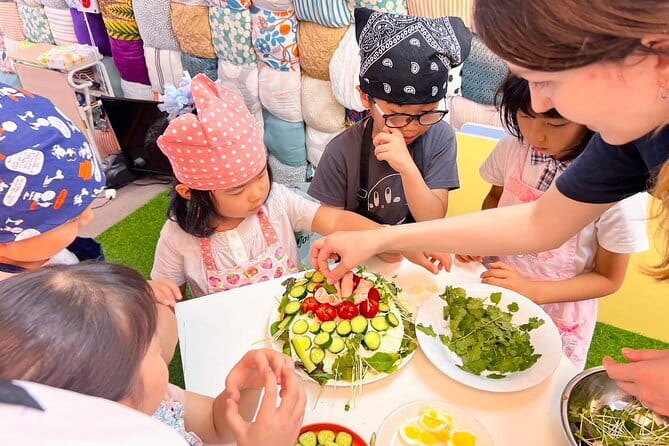
The meeting point is Hanakiya Inn in Higashiyama Ward. The experience is near public transportation and close to the Gion and Kiyomizu-dera area, making it practical to combine with sightseeing in eastern Kyoto.
You should allow enough time to reach the meeting point before the start. The class does not include hotel pickup, so getting there is your responsibility. A mobile ticket is provided, which makes it easy to keep the booking details on your phone.
Because the activity lasts about two hours and ends where it begins, planning around it is fairly simple. You can visit nearby sights before or after without needing to coordinate a different ending point. Still, do not pack the surrounding schedule too tightly. Kyoto’s Higashiyama area can take longer to cross on foot than a map suggests, especially when you stop at temples or shops.
The class is best suited to a relaxed day rather than a rushed one. Give yourself time to reach the machiya, take part in the cooking, and enjoy the meal without watching the clock.
Who will enjoy this class most
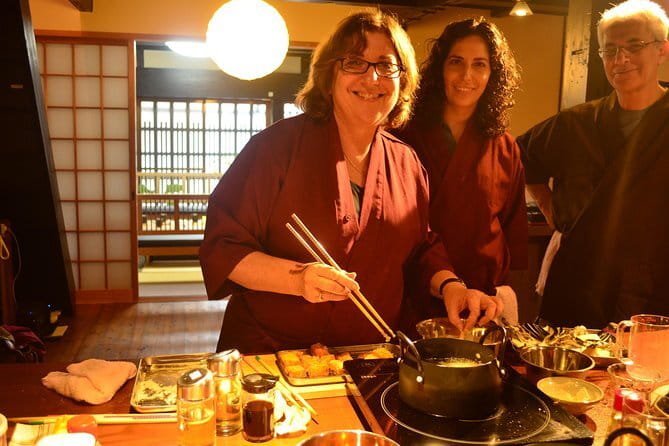
I would recommend this experience to people who like food with a story. You do not need advanced cooking skills. The class is designed around participation, simple explanation, and eating the results.
It also suits couples, families with older children, and small groups of friends. The six-person limit keeps the atmosphere more personal, and the mix of sushi, takoyaki, a drink, and dessert gives the session something for different tastes.
Children under six are not permitted for safety reasons. Families should also consider how well older children will manage a two-hour cooking lesson. The food is familiar enough to interest many young cooks, but the activity still requires attention and participation.
This is a good choice if you want more than a restaurant meal but less than a full-day food program. It gives you a cultural activity without taking over your Kyoto itinerary. It is also a practical way to spend time indoors if the weather is poor, although the experience itself is about food and conversation rather than sightseeing views.
The strongest reasons to book
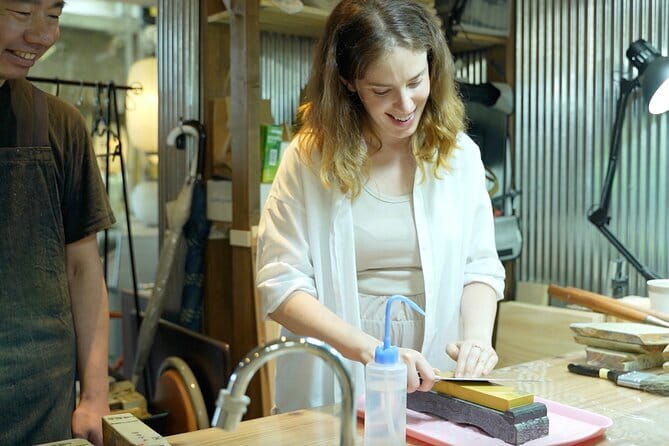
The class has three especially strong features. First, the combination of hands-on cooking and local explanation gives the food meaning. You are not just shown how to make sushi and takoyaki. You also hear about Japanese traditions and daily life from HANA.
Second, the meal is generous in scope. Lunch, a drink, and matcha mochi ice cream are included, so the two-hour visit feels like a full food experience rather than a short lesson followed by an immediate search for lunch.
Third, the small maximum of six is a real advantage. In a class built around shaping and assembling food, personal help is more useful than a large audience. The recipes and tips also give you something practical to use after returning home.
The main weakness is the cost. At $96.19, you should book it for the full package, not just for the chance to taste two dishes. If you have little interest in cooking or already have a packed food itinerary, the price may be difficult to justify.
Should you book the Kyoto sushi and takoyaki class?
Book this class if you want a small, social food experience near Gion and Kiyomizu-dera, and if you like the idea of learning by doing. HANA’s English instruction, the traditional machiya setting, and the included meal make it more personal than simply ordering sushi or takoyaki at a restaurant.
I would especially choose it for a first Kyoto visit, a food-centered itinerary, or a day when you want a break from temples and walking. The price is fair for the complete package, but only if you will take part fully and appreciate the cultural stories along with the food.
Skip it if your priority is the lowest-cost lunch, if you dislike group activities, or if you want a long specialist cooking course. For everyone else, the compact two-hour format and maximum of six people make this an easy activity to fit into a Kyoto stay.
FAQ
Where does the cooking class meet?
The class starts at Hanakiya Inn, 6-chōme-583-101 Gojōbashihigashi, Higashiyama Ward, Kyoto, 605-0846, Japan.
How long does the activity last?
The cooking class lasts approximately two hours.
What dishes will I make?
You will make rolled sushi and takoyaki during the hands-on cooking lesson.
Who teaches the class?
The class is led by HANA, an English-speaking local cooking instructor.
What food and drinks are included?
The class includes lunch made during the lesson, matcha mochi ice cream for dessert, and a choice of sake, beer, or juice.
Are ingredients and cooking tools provided?
Yes. All ingredients and cooking tools are included.
How many people can join the class?
The activity has a maximum of six participants.
Can children under six participate?
No. Children under the age of six are not permitted for safety reasons.
Does the class include hotel pickup?
No. Hotel pickup is not included. The activity begins and ends at the Hanakiya Inn meeting point.
Just added around Kyoto
- Private Plant-Based Japanese Cooking Class – Kyoto Edition★ 5.0 · 15 reviews
- Private Kyoto Sushi Cooking Class & Tea Ceremony with Emika★ 5.0 · 66 reviews
- Private Cooking Class Udon in Kyoto Japan★ 5.0 · 23 reviews
- Private Guided Traditional Buddhist Cooking in Japan★ 5.0 · 16 reviews
- Kyoto Wagashi(Japanese sweets) Cooking Class near Fushimiinari★ 5.0 · 60 reviews
- Nishiki Market, Private Sushi class & Sake Tasting in Townhouse★ 5.0 · 6 reviews
- Private Kyoto Cooking Class with Aki in a Beautiful Wooden House★ 5.0 · 12 reviews
- Private Kyoto Market Tour and Authentic Cooking Class with Aki★ 5.0 · 15 reviews
Japanese & Sushi Cooking Classes, compared.
Sushi Making Tokyo Roll and Authentic Japanese Sushi Class
Read our review →
Tokyo: Roll and Authentic Sushi Making Class in Asakusa
Read our review →
Ramen Cooking Class at Ramen Factory in Kyoto
Read our review →
Tokyo: Sushi Making Class in a Happi Coat near a Famous Spot
Read our review →
Sushi Making Tokyo! Popular Maki Sushi & Japanese Sushi(+Recipe!)
Read our review →
Sushi Making Osaka Roll and Authentic Japanese Sushi Class
Read our review →
Tokyo Sushi Making Class in Tsukiji with Professional Chef
Read our review →
Ramen & Gyoza Cooking Class in Tokyo with Local Supermarket Visit
Read our review →Browse the lists this tour appears in