
Review · KYOTO
Kyoto Udon and Tempura Cooking Class with Professional Chefs
Hand-kneaded udon is the star here. You begin with flour and water, then knead, roll, and cut the dough under the care of a local udon master. I like that the class turns a familiar Japanese staple into something you make from scratch, not just something you watch. I also like the small maximum of eight people, which leaves room for help at the counter.
The rest of the meal gives you plenty to do: onigiri, inari sushi, and shrimp and vegetable tempura join the noodles. A possible drawback is the pace. Two and a half hours goes quickly when you are making four dishes, so this is best for people who enjoy active instruction rather than a slow, leisurely meal.
Key points to know before booking
- Hand-cut udon is the main event: Knead, roll, and slice the noodles yourself with help from a local udon master.
- Four Japanese dishes are included: You make udon, tempura, onigiri, and inari sushi from scratch.
- A small class keeps it personal: The group is limited to eight people.
- You eat the full meal afterward: Come hungry, since the class includes hot and cold udon, sushi, and crispy tempura.
- Two drinks are included: Choose alcoholic or non-alcoholic drinks, with sake available.
- You leave with useful extras: English recipes and tour photos are sent after the class.
Making Kyoto noodles from flour and water
The class begins at 10:00 a.m. outside the 7-Eleven at 599 Uraderacho in Nakagyo Ward. This central Kyoto meeting point is near public transportation, but transportation to the meeting point is not included, so allow time to find the shop and arrive ready for the start.
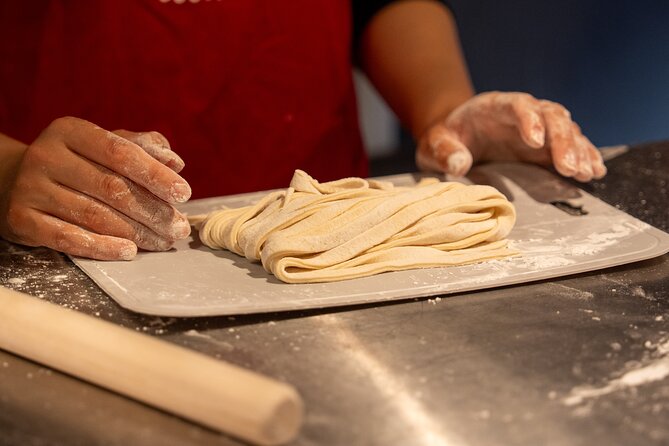
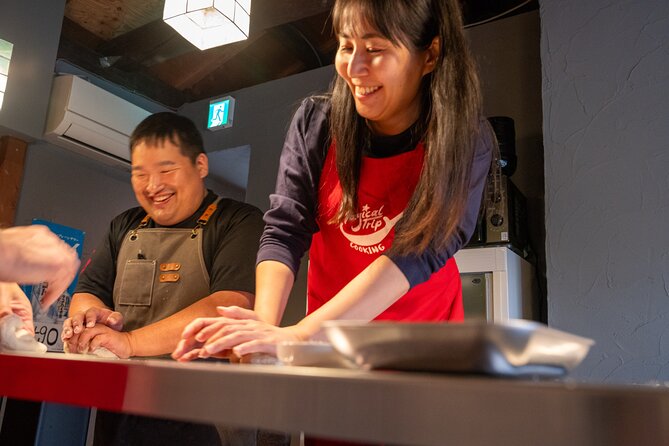
The first job is udon dough. Flour and water sound simple, but the texture of the finished noodle depends on how the dough is worked. You will knead it, roll it, and cut it by hand. That sequence gives you a better feel for udon than simply eating a bowl at a restaurant.
I like this part because it is practical and a little physical. You do not need cooking experience. The instructions are designed for beginners, and the English-speaking guide can help explain each step while the udon master focuses on the technique.
Do not expect every noodle to look factory-perfect. That is part of the appeal. Hand-cut noodles may vary in width, and you will see how those small differences affect the bite. The class is built around learning by doing, so a crooked slice is not a disaster.
The schedule includes both hot and cold udon preparations. That matters because the same noodle can feel quite different depending on how it is served. Hot udon gives you a soft, comforting bowl, while cold udon lets the springy texture take center stage.
More Sushi and Japanese Classes in Kyoto:
- Ramen Cooking Class at Ramen Factory in Kyoto
★ 5.0 · 1,937 reviews - Sushi Making in Kyoto! Same-day bookings welcome!
★ 5.0 · 713 reviews - Kyoto: Ramen Cooking Class at a Ramen Factory with Souvenir
★ 4.9 · 532 reviews
Four dishes give the class real substance
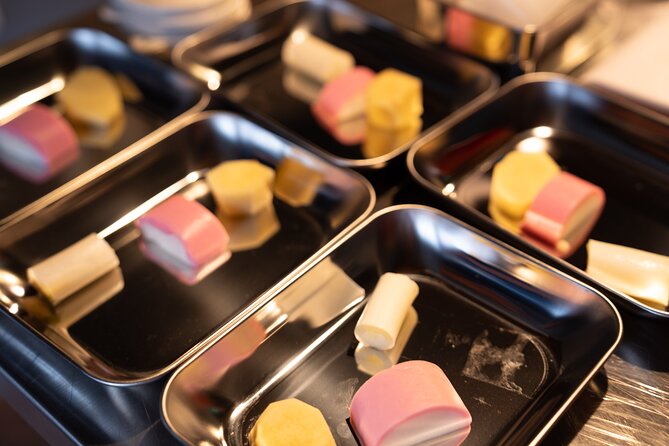
Udon is not the only food on the table. You also prepare onigiri, inari sushi, and tempura, giving the lesson a useful range of Japanese home cooking.
Onigiri are rice parcels shaped by hand. They are simple, portable, and common in everyday Japanese food culture. Making them yourself gives you a chance to practice handling warm rice and shaping it without needing special equipment.
Inari sushi adds another texture and flavor. The rice is placed inside seasoned tofu pouches, creating a dish that is sweet, savory, and easy to recognize once you know what you are eating. It is a good choice for a class because the basic method is approachable, yet the finished food looks special on the plate.
Tempura brings the cooking heat. You will prepare and fry crispy shrimp and vegetables, turning a few basic ingredients into one of Japan’s best-known dishes. This is the part where clear instruction matters most. Hot oil requires attention, and the class format lets you work with guidance rather than guessing at home.
The menu also makes this a useful class for mixed groups. One person may be most interested in noodles, another in sushi, and another in frying. Everyone gets several tasks, so the experience does not depend on enjoying one dish alone.
Josh, Nakajima-san, and a small English-speaking class
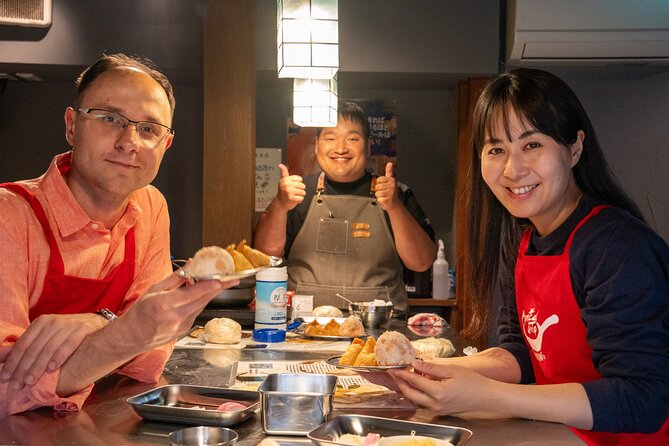
The class uses a local udon master and an English-speaking guide. Josh and Nakajima-san are identified as friendly instructors for the experience, and their combined roles help bridge the gap between technique and explanation.
With a maximum of eight people, you should have a better chance to receive direct help than in a large demonstration class. That is especially useful when working with dough or shaping rice. It also makes the class more suitable for families, since the cooking can be shared rather than watched from the back of a room.
The tone is meant to be friendly and hands-on. You are not expected to arrive with knife skills or knowledge of Japanese cooking. Still, you should be ready to follow instructions, work at the counter, and take part throughout the session.
This is not a class for someone who wants to sit quietly while a chef does everything. You will handle the ingredients and make the food yourself. I see that as a strength, but it is worth knowing before you book.
The meal afterward is part of the value
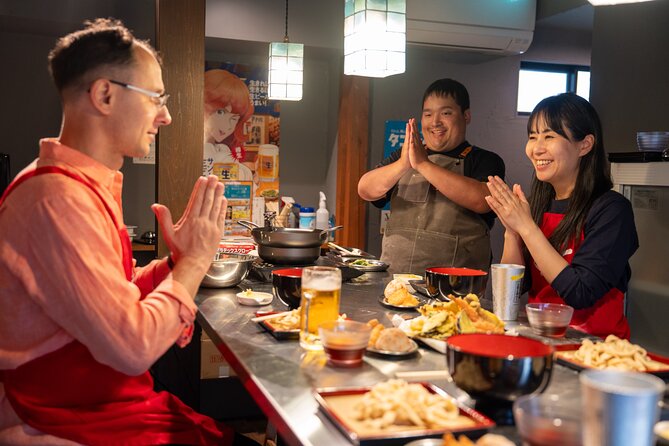
After the preparation, you sit down and eat what you have made. The meal includes udon, tempura, onigiri, and inari sushi, along with two drinks. You can choose alcoholic or non-alcoholic options, and sake is available for the tasting.
Plan to skip a large breakfast. A family taking the class made several dishes, including hot and cold udon, shrimp, and vegetables, so the food is more than a small sample. The 10:00 a.m. start can feel early for a substantial meal, but arriving hungry makes the second half more enjoyable.
The meal also helps you understand the work behind each dish. Freshly cut noodles have a different character from dried noodles, and tempura is best appreciated soon after frying. Eating at the end gives the class a clear purpose: you are not just practicing recipes, you are creating lunch.
The sake tasting is modest rather than a full tasting event. Two drinks are included, and you can choose non-alcoholic drinks if you prefer. That makes the class workable for people who do not drink alcohol, as well as for families with different preferences.
More Hands-On Workshops in Kyoto:
- Kyoto: Ramen, Gyoza, and Onigiri Cooking Class
★ 5.0 · 445 reviews - The Original Small-Group Sushi Making Class in Kyoto
★ 5.0 · 436 reviews - Kyoto: Japanese Washoku Bento Small Group Cooking Class
★ 5.0 · 380 reviews - Kyoto Ramen and Gyoza Cooking Class with Professional Chefs
★ 5.0 · 282 reviews
What the $85.39 price includes
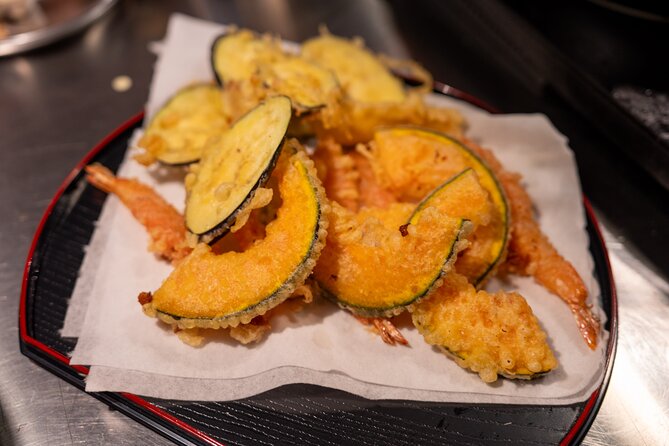
At $85.39 per person, this is more expensive than ordering a casual bowl of udon. You are not paying only for the meal, though. The price covers about two and a half hours of instruction, four dishes, two drinks, a local udon master, an English-speaking guide, recipes, and photos.
The strongest value comes from the amount of food and instruction packed into the session. You make a complete meal rather than one dish, and you receive recipes to try again at home. If you would otherwise book a cooking class and eat lunch separately, the comparison looks better.
The small class size also matters. A maximum of eight people gives the session a more personal feel than a large group demonstration. You are paying for access to instruction as well as ingredients.
The value is less convincing if you only want to taste Kyoto food. Restaurants will be cheaper and faster. Book this for the process, the skills, and the chance to share a meal built by your own hands.
Recipes and photos keep the experience going
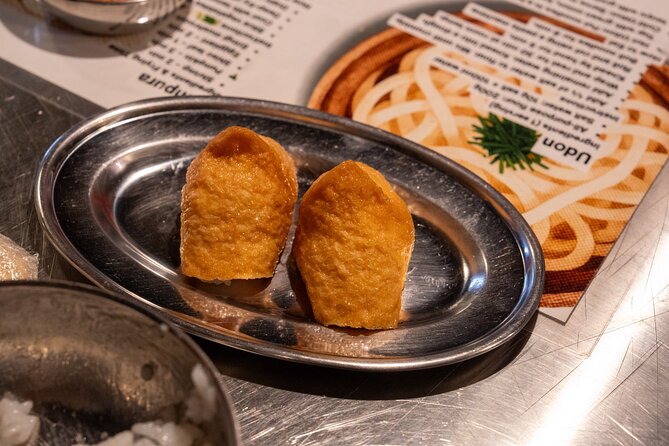
The downloadable English recipes are one of the most useful extras. Many cooking classes end when you leave the table, but written instructions give you a way to repeat the dishes later.
Udon is especially worth trying again because the basic ingredients are simple: flour and water. The challenge is in kneading, rolling, cutting, and getting the texture right. A recipe cannot replace the instructor, but it can remind you of the order of the work.
The recipes also give the class value for families and groups. You can split up the dishes at home, repeat one favorite, or use the methods as a starting point for your own cooking.
The guide will take photos during the class and send them by email afterward. That means you do not need to stop constantly to take pictures while handling dough or hot oil. Make sure the email used for booking is correct so the photos can reach you.
Who will enjoy this Kyoto cooking class
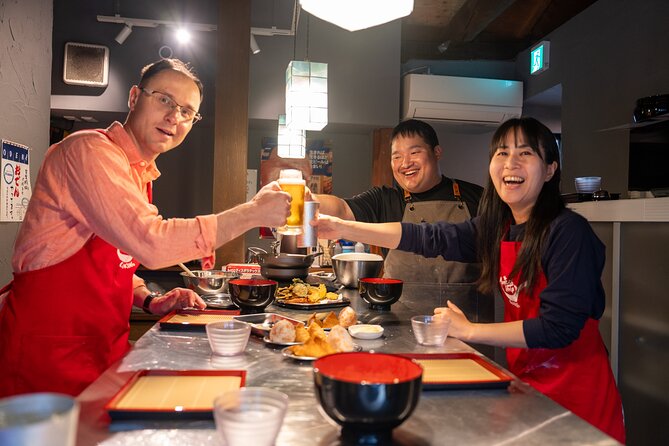
I would choose this experience for several types of people:
- First-time cooks: The class does not require previous experience.
- Families: The tasks are varied, and the small group size allows more direct help.
- Food-focused visitors: You make several classic Japanese dishes instead of sampling just one.
- Couples and friends: The meal gives you something active to share, followed by lunch and drinks.
- People staying in Kyoto for several days: The recipes help you carry the experience beyond the class.
It may be less suitable if you have a very tight morning schedule. The class lasts about two and a half hours and ends back at the meeting point, so you should not plan another fixed activity immediately afterward.
You should also consider your appetite. Four dishes and drinks make this a substantial food experience. If you prefer a light snack or a short demonstration, this class may be more than you need.
The provided details do not describe dietary substitutions, so ask the provider before booking if you have allergies or strict dietary requirements. The menu includes shrimp, vegetables, rice, tofu pouches, noodles, and sake, but no special modifications are promised.
Practical timing, meeting point, and cancellation
The activity starts at 10:00 a.m. at the 7-Eleven at 599 Uraderacho, Nakagyo Ward, Kyoto, postal code 604-8041. It ends back at the meeting point. Since transportation is not included, you are responsible for reaching the start location and returning from there.
You receive confirmation at booking, and mobile tickets are supported. The activity is near public transportation, which makes the central meeting point practical, but I would still allow extra time to locate the exact shop.
Free cancellation is available up to 24 hours before the start time for a full refund. Cancellations or changes made less than 24 hours before the start are not accepted for a refund. The cutoff follows Kyoto local time.
Should you book the Kyoto udon and tempura class?
Book it if you want more than a restaurant meal. The strongest reasons are the hand-cut udon lesson, the four-dish menu, the small group limit, and the recipes that let you repeat the cooking at home.
I especially like the balance between technique and fun. You learn a real Japanese staple, then move through rice dishes and tempura before sitting down to eat. Josh, Nakajima-san, and the local udon master add a personal teaching element, while the English-speaking guidance keeps the class accessible.
Skip it if your schedule is packed, you dislike hands-on cooking, or you want the lowest-cost way to eat udon in Kyoto. For everyone else, $85.39 is a fair price for a full meal, two drinks, instruction, recipes, and photos in a class limited to eight people.
FAQ
Where does the cooking class start?
It starts at the 7-Eleven at 599 Uraderacho, Nakagyo Ward, Kyoto, 604-8041, Japan.
What time does the class begin?
The class starts at 10:00 a.m.
How long does the experience last?
The experience lasts approximately 2 hours and 30 minutes.
Where does the class end?
The activity ends back at the meeting point.
How many people can join the class?
The class has a maximum of eight people.
Do I need cooking experience?
No. The class is designed for beginners, and instruction is provided throughout the cooking process.
Which dishes will I make?
You will make udon, tempura, onigiri, and inari sushi.
Are drinks included?
Yes. Two drinks are included, with alcoholic and non-alcoholic options available. Sake is also included as an option.
Are recipes provided?
Yes. You receive downloadable recipes in English so you can recreate the dishes at home.
Are photos included?
Yes. The guide takes photos during the class and sends them to you by email afterward.
Is transportation included?
No. You must arrange your own transportation to and from the meeting point.
Can I cancel for a full refund?
Yes. You can cancel at least 24 hours before the start time for a full refund. Changes or cancellations made less than 24 hours before the start time are not accepted for a refund.
Just added around Kyoto
- Private Plant-Based Japanese Cooking Class – Kyoto Edition★ 5.0 · 15 reviews
- Private Kyoto Sushi Cooking Class & Tea Ceremony with Emika★ 5.0 · 66 reviews
- Private Cooking Class Udon in Kyoto Japan★ 5.0 · 23 reviews
- Private Guided Traditional Buddhist Cooking in Japan★ 5.0 · 16 reviews
- Kyoto Wagashi(Japanese sweets) Cooking Class near Fushimiinari★ 5.0 · 60 reviews
- Nishiki Market, Private Sushi class & Sake Tasting in Townhouse★ 5.0 · 6 reviews
- Private Kyoto Cooking Class with Aki in a Beautiful Wooden House★ 5.0 · 12 reviews
- Private Kyoto Market Tour and Authentic Cooking Class with Aki★ 5.0 · 15 reviews
Japanese & Sushi Cooking Classes, compared.
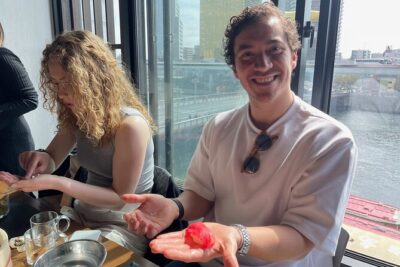
Sushi Making Tokyo Roll and Authentic Japanese Sushi Class
Read our review →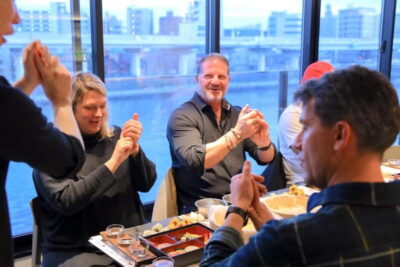
Tokyo: Roll and Authentic Sushi Making Class in Asakusa
Read our review →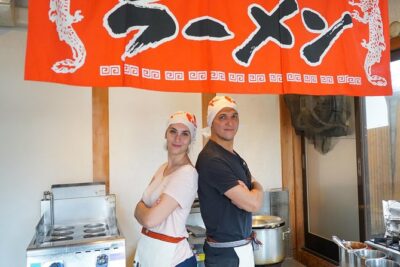
Ramen Cooking Class at Ramen Factory in Kyoto
Read our review →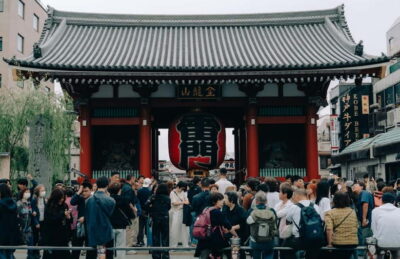
Tokyo: Sushi Making Class in a Happi Coat near a Famous Spot
Read our review →
Sushi Making Tokyo! Popular Maki Sushi & Japanese Sushi(+Recipe!)
Read our review →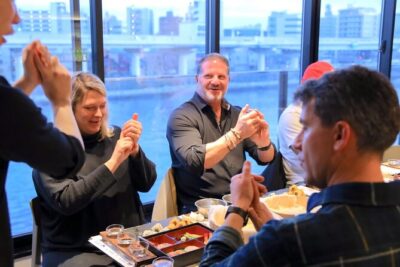
Sushi Making Osaka Roll and Authentic Japanese Sushi Class
Read our review →
Tokyo Sushi Making Class in Tsukiji with Professional Chef
Read our review →
Ramen & Gyoza Cooking Class in Tokyo with Local Supermarket Visit
Read our review →Browse the lists this tour appears in