
Review · USA
Sushi Making Class at a Local Distillery in Boston
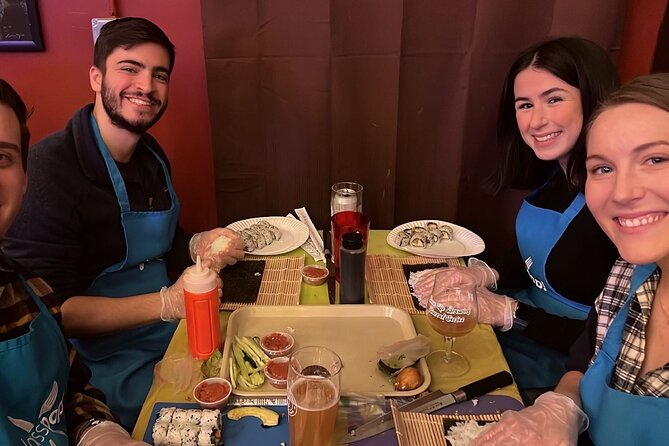
The best part of this Boston-area food class is that you do not just watch a chef make sushi. Chef Harold puts you to work, showing you how to prepare sushi rice, shape inside-out rolls and form hand rolls at your own station. Then you sit down with the group and eat what you made.
I like the friendly, social setup and the useful menu, which includes miso soup, shrimp tempura hand rolls, sweet potato hand rolls and spicy tuna rolls. I also like that the class feels practical: you receive recipes, learn tips for making sushi at home, and get close guidance instead of a quick demonstration.
The main drawback is location. The class meets at Short Path Distillery in Everett, not in central Boston, and drinks are extra, ranging from $3 to $20. The class starts at 7 p.m., so check your transport plans before booking.
Key points to know before booking
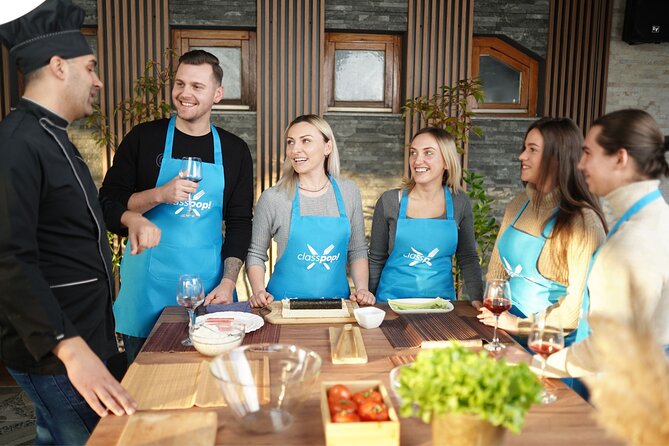
- Chef Harold leads the class: He brings more than 20 years of sushi-making experience and keeps the lesson light, social and hands-on.
- You make a full meal: The menu includes miso soup, shrimp tempura hand rolls, sweet potato hand rolls and spicy tuna rolls.
- Beginners are welcome: You do not need previous cooking experience, and the instructor gives plenty of individual help.
- The setting adds a social twist: You can buy craft spirits and cocktails at Short Path Distillery while you cook.
- You can take the lesson home: Recipes and practical sushi tips help you repeat the dishes in your own kitchen.
- Plan ahead: The class usually fills about 25 days before the date, and groups can reach 25 people.
A sushi class with a distillery backdrop
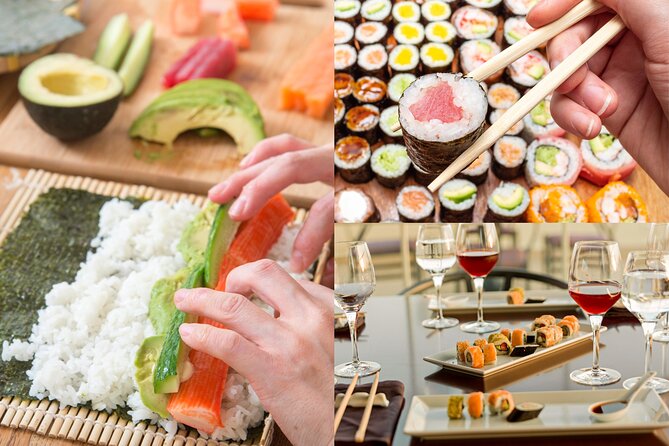
This is a cooking lesson with a night-out feel. You arrive at Short Path Distillery at 71 Kelvin Street in Everett for a two-hour class that begins at 7 p.m. The venue gives the evening a relaxed barroom setting rather than the quiet, formal mood of a traditional cooking school.
That setting matters. You are not only learning knife work and rolling technique. You are also sharing a table with people who came for the same reason: good food, a bit of conversation and a hands-on activity. If you want a date night or a group outing that gives you something to do, this format works well.
The class is offered in English, and your mobile ticket is accepted. The maximum group size is 25, so the room can feel social without being a huge cooking demonstration. Still, 25 is not a tiny group. If you prefer one-to-one instruction throughout the entire evening, this may feel busier than a private lesson.
More Sushi and Japanese Classes in the USA:
- Sushi Making Class at a Local Brewery in Boston
★ 4.5 · 3 reviews - Sushi Making Tokyo Roll and Authentic Japanese Sushi Class
★ 5.0 · 3,971 reviews - Tokyo: Roll and Authentic Sushi Making Class in Asakusa
★ 4.9 · 1,957 reviews
Meeting Chef Harold at 7 p.m.
Chef Harold is the center of the experience. His background includes more than two decades of sushi-making, and his approach is less about showing off technical skill than getting you comfortable with the basics.
That is useful for beginners. Sushi can look difficult at first because the rice, nori and fillings need to work together. A good teacher breaks the process into small movements, and Chef Harold’s role is to explain those steps while checking how each person is doing.
You can expect a friendly start rather than an abrupt rush into cooking. He is known for speaking with the group, learning who is at the table and making the class feel personal. That helps take the edge off if you are worried about rolling a crooked piece or handling sushi rice for the first time.
He also brings humor into the lesson. This is not a silent technical workshop, so come ready to ask questions and join the conversation. The social energy is part of what you are paying for.
Starting with miso soup
The first dish is miso soup made with miso paste, dashi and wakame seaweed. It is a simple opening course, but it gives you a useful introduction to several ingredients common in Japanese cooking.
Miso brings savory depth, dashi forms the broth, and wakame adds a mild sea flavor with a soft texture. Because the soup is less demanding than sushi rolling, it gives you an easy first success while Chef Harold introduces the ingredients and explains the process.
This part also helps pace the evening. You are not expected to make every dish at once. Instead, the class starts with something warm and familiar, then moves into the more detailed work of preparing rice and assembling rolls.
If you have dietary restrictions, tell the provider in advance. The class is designed to accommodate a range of needs, but changes should be discussed before you arrive rather than assumed at the table.
Learning sushi rice, uramaki and temaki
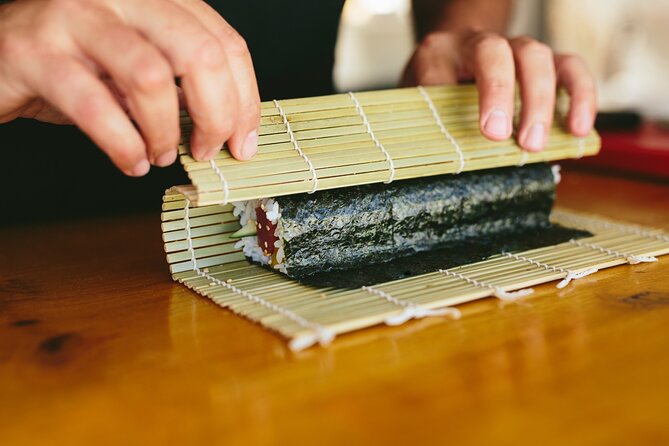
The core lesson covers sushi rice and two styles of sushi: uramaki and temaki. These terms are worth knowing because they describe different shapes and methods.
Uramaki is the inside-out roll, with the rice on the outside and the nori inside around the filling. It is the style many people recognize from American sushi menus. The rice needs to be handled with care, since it must hold the roll together without becoming a sticky mess.
Temaki is a hand roll. Instead of cutting a long cylinder into pieces, you shape the nori into a cone and fill it by hand. This style is more forgiving and more casual, which makes it a good choice for beginners. It also lets you eat the roll soon after making it, before the nori loses its crisp texture.
The value here is practical. You are not simply memorizing a recipe. You are learning the basic structure behind two common forms of sushi, and you can use the same method with different fillings later.
Chef Harold also shares tips intended for home cooking. The class provides recipes, and the practical advice can help you avoid common problems, such as overfilling a roll or struggling to keep the rice in place. Several people have found the instruction clear enough to repeat the dishes at home, which is a better result than leaving with only a few photos.
More Hands-On Workshops in the USA:
- New Orleans Demonstration Cooking Class with Meal
★ 5.0 · 3,000 reviews - New Orleans Hands-On Cooking Class with Meal
★ 5.0 · 1,183 reviews - Undiscovered Charleston: Half Day Food, Wine & History Tour with Cooking Class
★ 5.0 · 948 reviews - New Orleans: Cajun and Creole Cooking Class
★ 4.9 · 730 reviews
Making shrimp tempura hand rolls
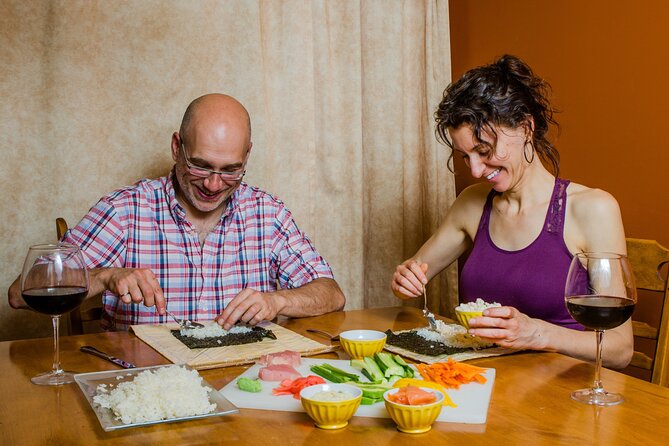
The shrimp tempura hand roll gives you a cooked filling with a crisp element. It combines shrimp, nori and sushi rice, and it is one of the more substantial items on the menu.
This is a good choice for people who enjoy sushi but are not ready to work only with raw fish. The hand-roll format also makes the assembly easy to understand. You spread or place the rice, add the filling and shape the nori around it.
You will need to pay attention to portion size. A hand roll can look generous, but too much filling makes the cone hard to close. That small lesson is part of the fun, and Chef Harold is there to help if your first attempt is more open-ended than planned.
The shrimp roll also balances the menu. The soup is soft and savory, while the tempura brings more texture. You are building a meal with different tastes and forms rather than making the same roll several times.
Making a sweet potato hand roll
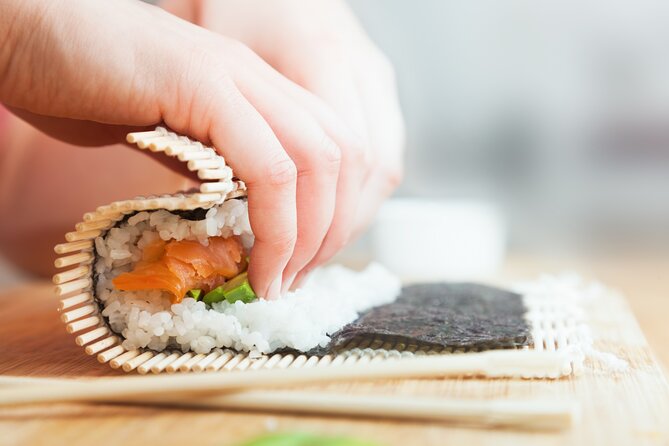
The sweet potato hand roll adds a vegetarian-friendly option to the class. Its ingredients are sweet potato, nori and sushi rice, so it gives you a different flavor from the seafood choices.
This is especially helpful for mixed groups. One person can prefer seafood while another wants a vegetable filling, and both can take part in the same lesson. The sweet potato also gives the menu a mild, comforting component.
As with the shrimp version, the hand-roll lesson is about proportion and shape as much as ingredients. You learn how the rice and filling fit into the nori, and you get to eat the result right away.
If you have a strict dietary need, contact Classpop before booking or as soon as possible. The provider says it can work with a variety of dietary preferences and restrictions, but the available substitutions are not specified, so advance notice is important.
Rolling the spicy tuna
The spicy tuna roll is the class’s raw-fish item. It combines tuna, sushi rice and nori in a classic roll format, giving you a chance to practice the uramaki technique.
This is where the lesson’s rice instruction pays off. With the rice on the outside, you need a steady hand and enough pressure to keep the roll together. The aim is not restaurant-level perfection on the first try. It is learning how to form a roll that holds its shape and tastes good.
Freshness matters with raw fish, and the menu is presented as using fresh ingredients. If you are uneasy about raw tuna, ask about alternatives before the class rather than waiting until the lesson begins. The menu includes cooked and vegetarian items, but the exact substitution policy is not provided.
The spicy tuna also gives experienced home cooks something useful to practice. Beginners can focus on the basic motion, while confident cooks can work on neater rolls and better filling balance.
Eating what you make with the group
After the cooking is finished, you sit down and eat your food with the class. This is more than a final tasting. It turns the lesson into a shared meal and gives you time to compare techniques, talk with the people at your table and hear more from Chef Harold.
The portions are intended to make a full meal. If you prepare more sushi than you can eat, leftovers may be available to take home. Bring this up with the instructor during the class, and handle any extra food according to his guidance.
This shared meal is one reason the experience works well for couples, friends and solo visitors who want a social evening. You do not need to arrive with a large group. The format naturally creates conversation because everyone is working through the same recipes.
Buying a drink at Short Path Distillery
Drinks are not included, but you can purchase craft spirits or cocktails at the venue. Prices range from $3 to $20, so your final cost depends on what you order.
That extra charge is worth considering when you compare this class with a standard cooking lesson. The $75 price includes the two-hour instruction, ingredients, equipment and the meal you prepare. It does not include the atmosphere of a private dining room or unlimited beverages.
I see the price as fair if you value both the lesson and the night out. You are paying for a guided activity, food and a venue where you can buy a drink while cooking. If your main goal is simply to eat sushi, a restaurant will likely be cheaper and easier. If you want to learn a skill and enjoy a social evening, the class offers more for the money.
Who will enjoy this class most
This is a strong pick for first-time sushi makers. You get clear instruction, a menu with cooked, raw and vegetarian elements, and enough attention to feel supported.
It also suits experienced cooks who want to sharpen their sushi technique. The class may not teach advanced professional methods, but it gives you a structured way to practice rice, hand rolls and inside-out rolls.
I would also consider it for:
- A date night that includes an activity, not just a meal
- Friends looking for a food-focused evening
- Families with older children, provided the group is comfortable with the class format
- Solo visitors who enjoy meeting people over a shared meal
- Food lovers who want recipes and techniques they can use at home
The class is less suitable if you want a quiet, private meal, a fully prepared dinner or a detailed study of traditional Japanese cuisine. The focus is hands-on fun, not a long cultural lecture.
Timing, transport and booking details
The class begins at 7 p.m. and ends back at the meeting point after about two hours. Short Path Distillery is near public transportation, but the address is in Everett, so do not confuse it with a downtown Boston venue.
It is usually booked about 25 days ahead. That does not guarantee that every date will sell out, but it is a good reason to reserve early, especially if you need a particular evening or want seats together.
Confirmation arrives within 48 hours of booking, subject to availability. Service animals are allowed. You can cancel for a full refund up to 24 hours before the start time, but cancellations or changes inside that window are not refunded or accepted.
The activity requires a minimum number of people and good weather. If the provider cancels for either reason, you can choose another date or experience, or receive a full refund.
Should you book the sushi class?
Book it if you want to make your own dinner, learn useful sushi basics and spend a relaxed evening with other food lovers. Chef Harold’s warm teaching style, practical recipes and hands-on help make the class approachable, even if your first roll looks a little lopsided.
Think twice if you are staying in central Boston and do not want to travel to Everett, or if you expect drinks to be included in the $75 price. You should also give advance notice about dietary needs and raw-fish concerns.
For a date night, small group outing or beginner cooking activity, this is a well-priced option. The combination of a distillery setting, a full meal and real instruction gives the evening more substance than a simple tasting.
FAQ
Where does the sushi-making class take place?
The class meets at Short Path Distillery, located at 71 Kelvin Street, Everett, Massachusetts 02149.
What time does the class start?
The class starts at 7 p.m. and lasts about two hours.
Is previous cooking experience required?
No. The class is designed for beginners as well as experienced cooks, and Chef Harold provides hands-on instruction.
What food will I make?
The menu includes miso soup, shrimp tempura hand rolls, sweet potato hand rolls and a spicy tuna roll.
Are drinks included in the $75 price?
No. Drinks are available for purchase at the venue, with listed prices ranging from $3 to $20.
Can the class accommodate dietary restrictions?
The class is designed to accommodate a range of dietary needs. You should provide your preferences or restrictions in advance so the provider can try to tailor the experience.
Just added around the USA
- Authentic Asian Cooking Class in NYC (Includes 4-Course Meal)★ 5.0 · 8 reviews
- Sushi Making Class at a Local Brewery in Boston★ 4.5 · 3 reviews
- Hands-On Hawaiian Imu Cooking and Cultural Dining Experience★ 5.0 · 95 reviews
- Baumkuchen Campfire Baking Class★ 5.0 · 3 reviews
- Farm to Table Cooking Class at Kulaniapia Falls★ 4.5 · 36 reviews
- Thai Cooking Class in Fullerton, California★ 5.0 · 3 reviews
- San Francisco: Dumpling Cooking Class & 3-Course Dinner★ 5.0 · 10 reviews
- New Orleans: Cooking Class & Cocktail Walking Tour★ 4.7 · 16 reviews
Japanese & Sushi Cooking Classes, compared.
Sushi Making Tokyo Roll and Authentic Japanese Sushi Class
Read our review →
Tokyo: Roll and Authentic Sushi Making Class in Asakusa
Read our review →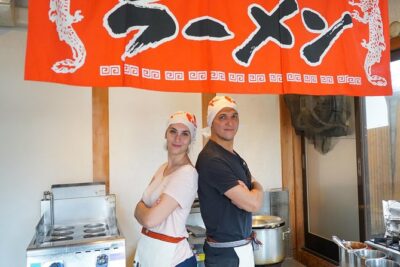
Ramen Cooking Class at Ramen Factory in Kyoto
Read our review →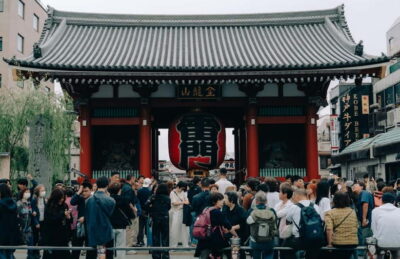
Tokyo: Sushi Making Class in a Happi Coat near a Famous Spot
Read our review →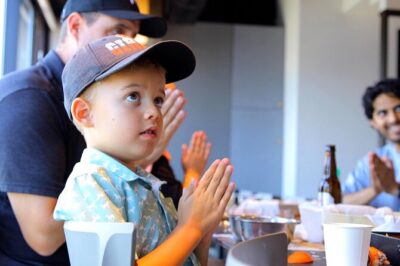
Sushi Making Tokyo! Popular Maki Sushi & Japanese Sushi(+Recipe!)
Read our review →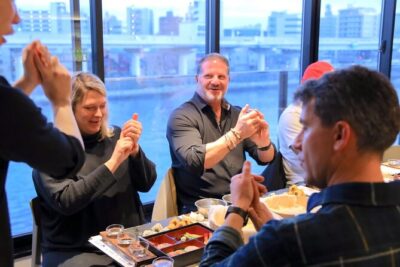
Sushi Making Osaka Roll and Authentic Japanese Sushi Class
Read our review →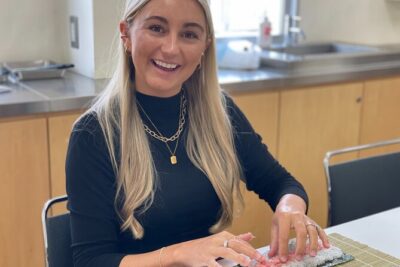
Tokyo Sushi Making Class in Tsukiji with Professional Chef
Read our review →
Ramen & Gyoza Cooking Class in Tokyo with Local Supermarket Visit
Read our review →Browse the lists this tour appears in