
Review · KYOTO
Kyoto: Cooking class, learning how to make authentic sushi
Kyoto’s Umemori Sushi School turns a familiar Japanese meal into a hands-on 90-minute lesson. You mix the seasoned rice, choose toppings, shape your own sushi, and eat the finished pieces instead of watching someone else do all the work. The happi coat rental adds a cheerful bit of ceremony without making the class feel too formal.
I like two things here: beginners get pre-cut ingredients, and the menu can be adjusted for vegetarians, vegans, Muslims, allergies, gluten-free diets, and people who do not eat raw fish. You can also ask about fish cutting if you want more than the basic lesson. The main drawback is value. At $113 per person, the class may feel short and basic if you expect a full cooking course or several different Japanese dishes.
Key points to know before booking
- You make the sushi yourself: The class teaches seasoned rice, nigiri, toppings, and a simple roll rather than only offering a demonstration.
- Eight sushi pieces are included: The amount is enough for a tasting and light meal, but not a large lunch.
- Special ingredients may appear: Depending on the season, toppings can include extra-fatty tuna and sweet red shrimp.
- The menu is flexible: Vegetarian, vegan, Muslim-friendly, non-raw, gluten-free, allergy-aware, and other requests are available.
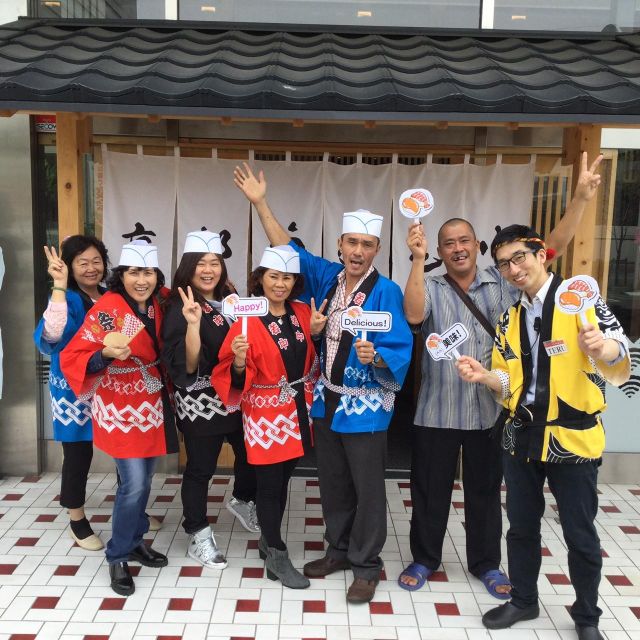
- A happi coat and certificate are part of the fun: You dress in traditional Japanese clothing, take souvenir photos, and receive a completion certificate.
- The location takes some planning: You reach the school from Takeda Station by city bus and then walk from the bus stop.
What the 90-minute sushi lesson is really like
This is a compact class, not a long culinary workshop. The 90-minute schedule focuses on the basic steps needed to prepare and shape sushi, then gives you time to eat what you made.
You begin with an explanation of sushi making and the ingredients in front of you. The prepared ingredients are already cut, which keeps the pace friendly for first-time cooks. That choice matters. You can concentrate on rice texture, hand movements, and presentation instead of spending half the class handling knives.
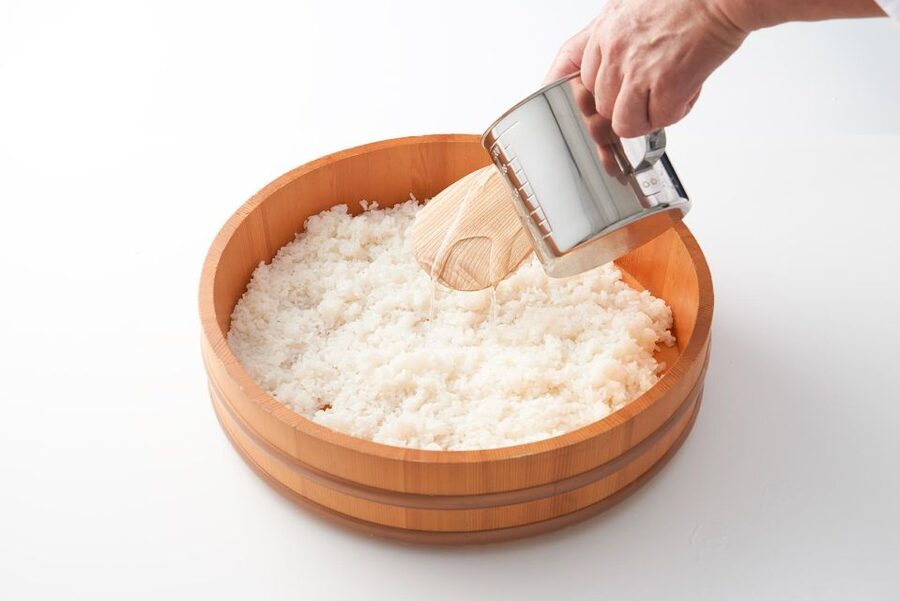
The first important lesson is shari, also called sumeshi, the vinegar rice used for sushi. You mix freshly cooked rice with a specially blended sushi vinegar. This is more than a quick stir. The rice needs to be mixed properly, and the class points out the trick involved in doing it well.
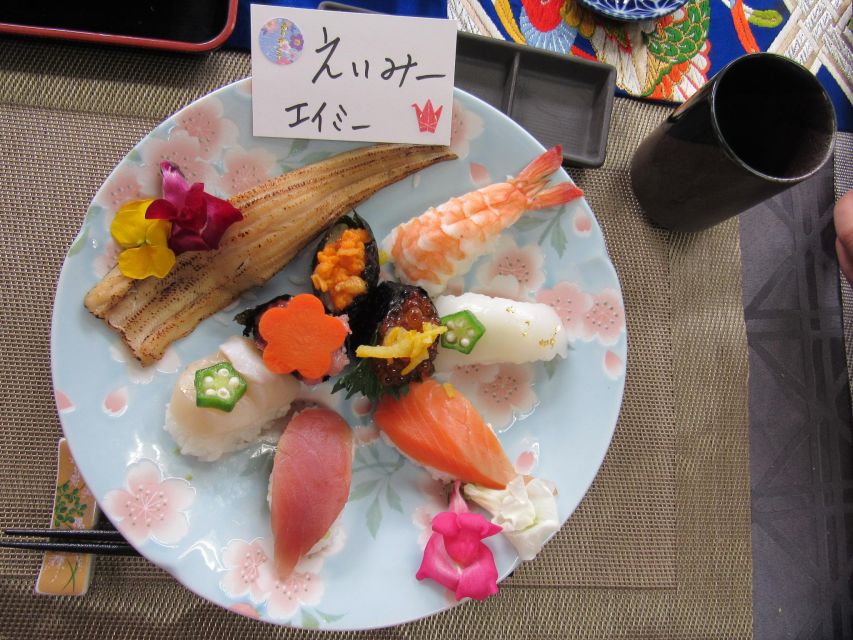
Once the rice is ready, you work with the toppings. The exact selection can change with the season, so your plate may not look exactly like the sample photographs. Possible ingredients include premium fatty tuna and fresh red shrimp, described as sweet and almost creamy. That gives the class a nicer food angle than a basic rice-and-cucumber exercise.
The practical portion centers on eight sushi pieces. You may also make a simple roll, though the exact format can vary. Expect a focused introduction to sushi shaping rather than a wide tour through every sushi style in Japan.
More Sushi and Japanese Classes in Kyoto:
- Ramen Cooking Class at Ramen Factory in Kyoto
★ 5.0 · 1,937 reviews - Sushi Making in Kyoto! Same-day bookings welcome!
★ 5.0 · 713 reviews - Kyoto: Ramen Cooking Class at a Ramen Factory with Souvenir
★ 4.9 · 532 reviews
From seasoned rice to your own eight pieces
The most useful part of the class is the shift from watching to doing. Sushi looks simple when an expert makes it. The rice must hold together without becoming heavy, and the topping needs to sit neatly on top. You get to feel those small details for yourself.
You will likely spend time shaping the rice and placing toppings. Green onion, ginger, and other additions are available, and you can choose your favorites. This gives you a small amount of control over the final plate, although the class is not designed as a free-form cooking session.
A basic sushi lesson can teach you something that a restaurant meal cannot: the balance between rice and topping. You also see how much work goes into a piece that arrives at your table in seconds. The lesson is modest, but it makes the meal in front of you more understandable.
The class is especially suitable if you have never made sushi. The cut ingredients remove a common beginner worry, and the English-speaking instructor can explain the process in English or Japanese. If you already make sushi at home, ask about learning fish cuts. That extra request may give you more of the technical detail you are looking for.
Premium toppings, dietary choices, and what you actually eat
The food is the main reason to book, so check your expectations. The included portion is eight sushi pieces, with ingredients and toppings that can change by season. This should satisfy a light appetite, but it is not meant to replace a large multi-course meal.
You can request a menu suited to vegetarian, vegan, and Muslim diets. Non-raw and gluten-free options are also available, along with adjustments for allergies. Tell the school about your needs before the class or when booking, rather than waiting until ingredients are being served.
The school also offers various toppings, including green onion and ginger, so you can add the flavors you prefer. Drinks are not included. Warm udon is an optional menu item, and other Japanese dishes such as tempura, tofu, and pork shabu-shabu are also extra.
That pricing structure is worth noting. The $113 cost covers the lesson, sushi, clothing rental, photos, and certificate, but not a broader Japanese meal. If you want to sample several dishes in one sitting, the optional additions will affect the total price.
Wearing a happi coat adds more than a photo
Before or during the activity, you can wear a happi, a traditional Japanese festival-style coat. Several kinds of clothing are available, so you can choose the one you prefer.
The outfit is a small detail, but it changes the feel of the class. You are not simply standing at a counter making lunch. You get a little connection to Japanese food culture and a souvenir photograph to remember the session.
Keep the clothing in perspective. This is not a historical costume presentation, and no detailed explanation of the garment is provided in the activity information. It is best understood as a light cultural touch that makes the class more memorable.
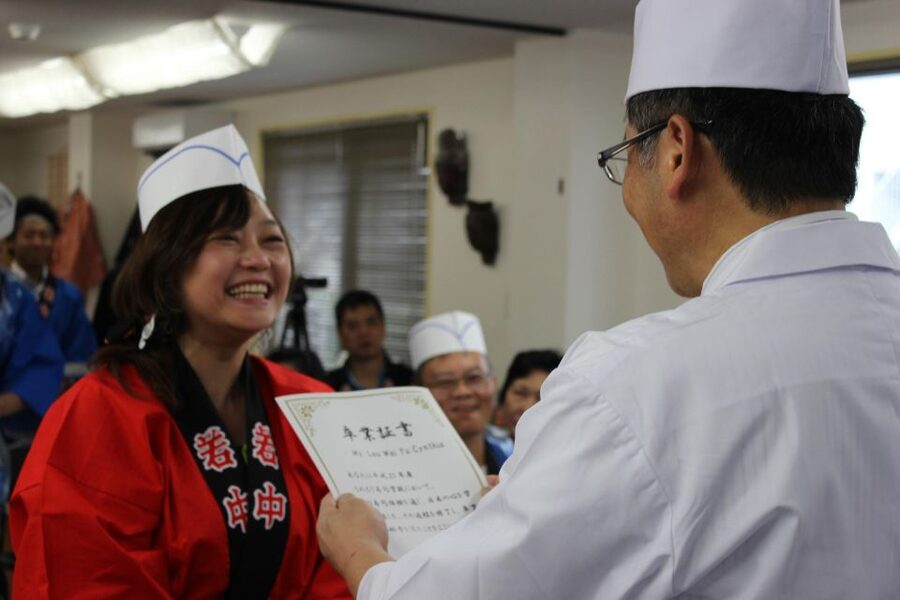
At the end, you receive a certificate of completion during a small graduation ceremony. The certificate will not turn you into a professional sushi chef, but children and first-time cooks may enjoy the sense of finishing something official.
More Hands-On Workshops in Kyoto:
- Kyoto: Ramen, Gyoza, and Onigiri Cooking Class
★ 5.0 · 445 reviews - The Original Small-Group Sushi Making Class in Kyoto
★ 5.0 · 436 reviews - Kyoto: Japanese Washoku Bento Small Group Cooking Class
★ 5.0 · 380 reviews - Kyoto Ramen and Gyoza Cooking Class with Professional Chefs
★ 5.0 · 282 reviews
Is $113 a fair price for 90 minutes?
The value depends on what you want from a cooking class. If your priority is a short, organized introduction to sushi, the package has several useful extras: an English-speaking instructor, hands-on preparation, eight pieces of sushi, happi rental, souvenir photos, and a certificate.
The food itself may also justify part of the cost if the class includes premium toppings such as fatty tuna or red shrimp. Those ingredients are more memorable than standard supermarket fillings, though availability depends on the season.
On the other hand, the class is brief and the menu is narrow. One participant found the lesson quite basic, with eight nigiri and one simple roll, and felt the amount of learning did not match the price. That is a fair warning for experienced cooks or anyone expecting knife skills, several rolls, sauces, side dishes, and a full meal.
I would see this as a cultural activity with food included, not as a serious professional cooking course. The price makes more sense if you value the clothing, photos, certificate, dietary flexibility, and chance to make sushi in Kyoto. It makes less sense if you only want to eat eight pieces of sushi.
Getting to the school near Takeda Station
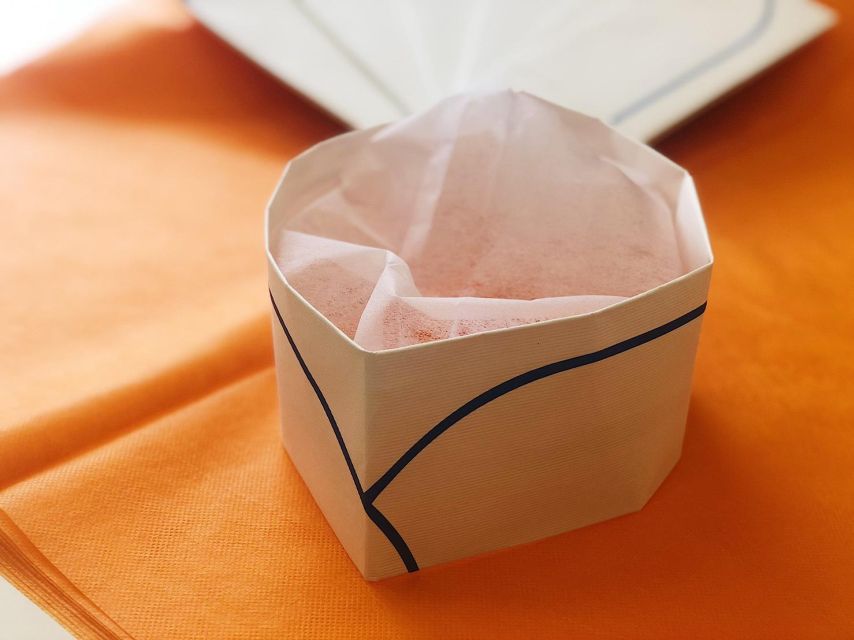
The meeting point is near the west entrance of Takeda Station, served by the Kintetsu and subway lines. From there, take a city bus and get off at the stop in front of Puls Plaza.
After leaving the bus, walk down the street and turn right at the first corner. Turn left at the first corner after that, and the school will be on your right.
This route is not difficult on paper, but it has several steps. Give yourself extra time, especially if you are carrying luggage or navigating Kyoto’s public transport for the first time. The building is near public transportation, but the final walk still requires attention to the turns.
The activity runs in most weather because it is held indoors. Rain should not cancel your sushi lesson, though you will want an umbrella for the walk from the bus stop.
Accessibility and age limits
The activity is described as wheelchair accessible, but the building has no elevator. Staff can help elderly or disabled participants up the stairs, so contact the school in advance if you need assistance.
That detail matters because wheelchair access and stair assistance are not the same thing. Ask the provider to confirm the exact route and seating arrangement for your needs before paying.
Children under three are not allowed. The school does not provide special infant meals. Older children may enjoy the hands-on format, especially the clothing, photos, and graduation certificate, but the activity information does not specify a child price or separate children’s menu.
Pets are not allowed, although assistance dogs are permitted. Smoking is not allowed indoors.
Who will enjoy this class most?
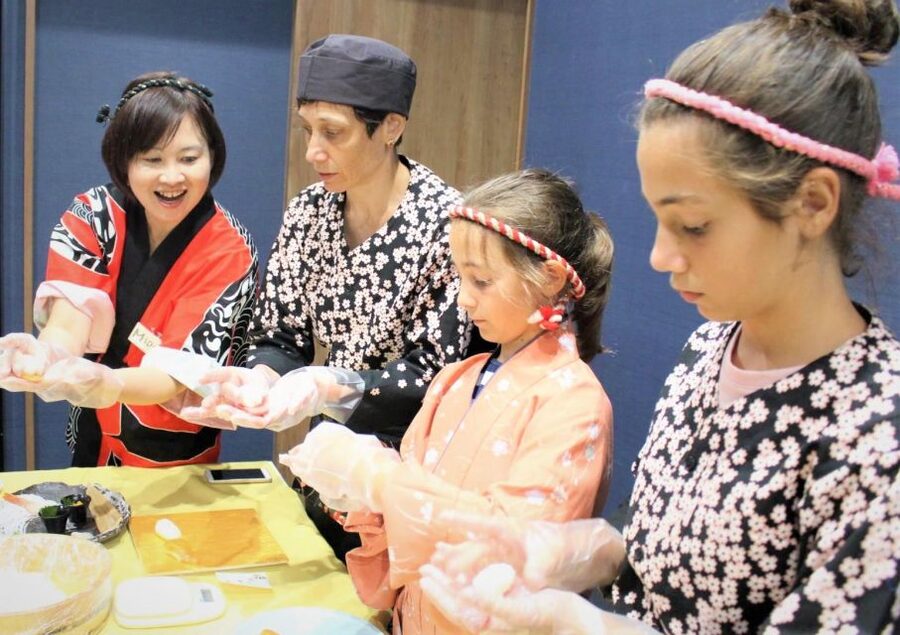
I would recommend it to first-time sushi makers, couples, families with older children, and anyone who wants a food activity that fits into a busy Kyoto day. The short format is useful when you have sightseeing plans before and after.
It also suits people with dietary concerns better than many fixed-menu cooking classes. Vegetarian, vegan, Muslim-friendly, non-raw, gluten-free, and allergy-related requests can be accommodated, although you should communicate clearly in advance.
The class is less suitable for a serious food student seeking advanced technique. You may find the lesson too simple if you already know how to season sushi rice, shape nigiri, or make rolls. Ask about fish cutting if that is your main interest, since it may add useful hands-on content.
It is also not the best choice if you want a filling Japanese lunch. Eight pieces can be a pleasant tasting portion, but drinks, udon, tempura, tofu, pork shabu-shabu, and other dishes cost extra.
Booking advice and final verdict
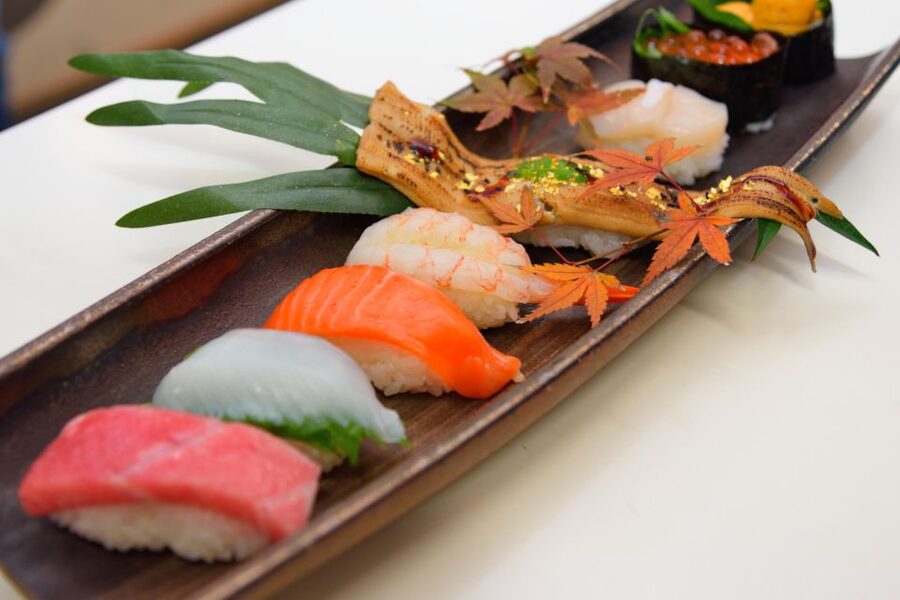
The school offers free cancellation up to 24 hours before the activity and a reserve-now, pay-later option. Starting times vary, so check availability for the date you want. The class is offered in English and Japanese.
You should book this experience if you want a cheerful, beginner-friendly sushi lesson with cultural extras. The happi coat, souvenir photograph, completion certificate, and flexible menu give it more character than a simple cooking demonstration.
You should think twice if $113 feels high for eight pieces of sushi and a short lesson. The food quantity is limited, and the technique level appears basic. For the right audience, though, the class delivers a pleasant hands-on memory, especially if you have never made sushi before and want to eat the result immediately.
FAQ
How long does the sushi-making class last?
The class lasts 90 minutes.
How much does the experience cost?
The listed price is $113 per person.
How many sushi pieces are included?
Eight pieces of sushi are included. The practical session may also include a simple roll.
Is the class suitable for vegetarians and vegans?
Yes. Vegetarian and vegan menu options are available.
Can I request Muslim-friendly, gluten-free, or non-raw food?
Yes. Muslim-friendly, non-raw, gluten-free, and allergy-related options are available. Tell the school about your needs in advance.
Where do I meet the instructor?
Get off at the west entrance of Takeda Station on the Kintetsu or subway line. Take a city bus to the stop in front of Puls Plaza, then follow the walking directions to the school.
Is the activity wheelchair accessible?
The activity is described as wheelchair accessible, but the building has no elevator. Staff can help elderly or disabled participants up the stairs, so confirm your needs with the school before booking.
Just added around Kyoto
- Kyoto: Wagashi (Japanese sweets) Cooking near Fushimiinari★ 5.0 · 40 reviews
- Kyoto: Sushi Making Experience in Kawaramachi★ 4.8 · 13 reviews
- Kyoto: Small-Group Authentic Sushi Making Workshop★ 5.0 · 137 reviews
- Kyoto Udon & Tempura Cooking Class with Professional Chefs★ 3.8 · 3 reviews
- Kyoto Home Cooking Class &Supermarket tour near Fushimiinari★ 5.0 · 31 reviews
- Kyoto: Morning Japanese Bento Cooking Class★ 5.0 · 149 reviews
- Authentic Japanese Cooking Experience at Izakaya restaurant★ 4.2 · 5 reviews
- Gyoza Cooking Class in Kyoto: Traditional Japanese Dumplings★ 5.0 · 12 reviews
Japanese & Sushi Cooking Classes, compared.
Sushi Making Tokyo Roll and Authentic Japanese Sushi Class
Read our review →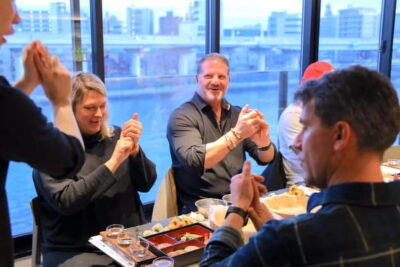
Tokyo: Roll and Authentic Sushi Making Class in Asakusa
Read our review →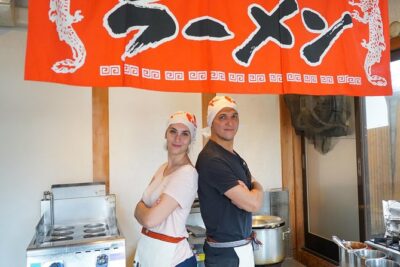
Ramen Cooking Class at Ramen Factory in Kyoto
Read our review →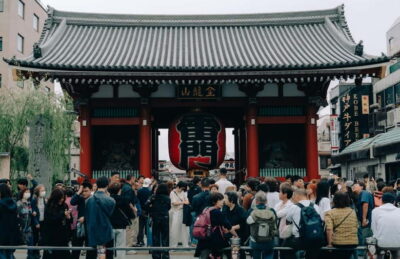
Tokyo: Sushi Making Class in a Happi Coat near a Famous Spot
Read our review →
Sushi Making Tokyo! Popular Maki Sushi & Japanese Sushi(+Recipe!)
Read our review →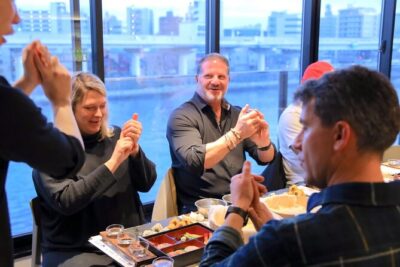
Sushi Making Osaka Roll and Authentic Japanese Sushi Class
Read our review →
Tokyo Sushi Making Class in Tsukiji with Professional Chef
Read our review →
Ramen & Gyoza Cooking Class in Tokyo with Local Supermarket Visit
Read our review →Browse the lists this tour appears in