
Review · CHINESE
Gyoza Cooking Class in Kyoto: Traditional Japanese Dumplings
Making gyoza from the filling up is the heart of this Kyoto class. You choose from meat and vegetable ingredients, learn the folding technique step by step, then cook your dumplings and eat them fresh from the pan. I like that the class teaches a useful dish rather than simply serving you one. I also like the friendly, patient teaching style reported by several participants, including instructor Hama.
The 90-minute length fits neatly into a Kyoto day, and the location is only a five-minute walk from Karasuma Oike Station. The main consideration is the price: at $127 per person, this is not a cheap meal. You are paying for instruction, equipment, a drink, the food, and a cultural activity, so it makes the most sense if you want to learn a skill, not just have dinner.
Key points at a glance
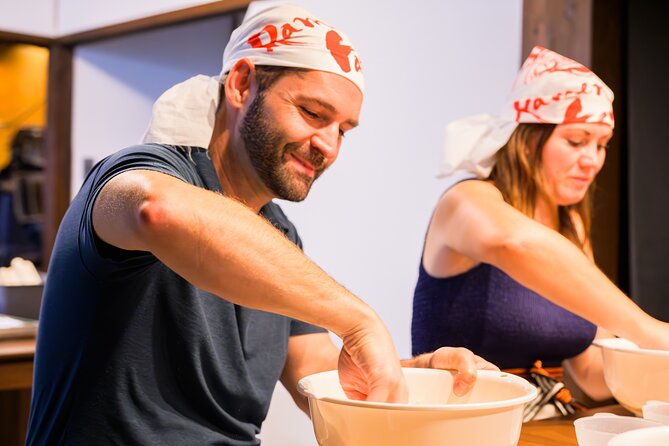
- Make the full dumpling: You prepare fillings, shape the wrappers, cook the gyoza, and eat what you make.
- Choose your filling: Meat and vegetable options are available, with dietary needs handled best when shared in advance.
- Learn from patient instructors: Hama is named in the feedback, and the class is taught in English and Japanese.
- Easy subway access: The meeting point is 362 meters from Karasuma Oike Station, about a five-minute walk from Exit 2.
- A useful souvenir: You receive the recipe, so the class can continue in your kitchen at home.
- A small cultural extra: The experience includes a photo with a samurai, adding a playful Kyoto memory beyond the cooking.
Why this Kyoto gyoza class is more than a meal
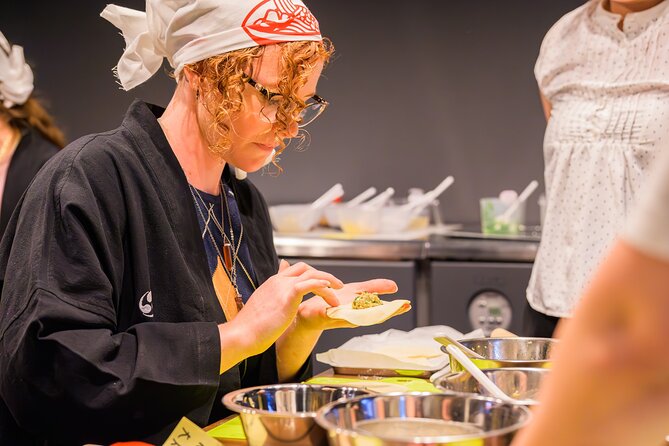
Gyoza are familiar to many visitors, but the eating is only the final step. This class lets you see how the dish comes together, from choosing ingredients to sealing the wrapper and getting the right balance between a browned base and a tender top.
I like hands-on food classes because they give you a way into local culture without requiring a long lecture. Here, the stories and background of gyoza are folded into the work. Your hands stay busy, and the lesson has a clear reward at the end.
The class also works for a wide range of cooking ability. Complete beginners can follow the instructor’s demonstrations, while experienced cooks can pay close attention to the filling choices and wrapping method. You do not need to arrive with Japanese cooking experience.
The strongest praise centers on the instructors. Hama is described as friendly, sweet, and a great teacher, while another participant singled out the instructor and assistant for their patience and clear explanations. That matters in a dumpling class. Folding looks simple until your first wrapper refuses to close, so calm help makes the difference.
More Sushi and Japanese Classes in Kyoto:
- Ramen Cooking Class at Ramen Factory in Kyoto
★ 5.0 · 1,937 reviews - Sushi Making in Kyoto! Same-day bookings welcome!
★ 5.0 · 713 reviews - Kyoto: Ramen Cooking Class at a Ramen Factory with Souvenir
★ 4.9 · 532 reviews
Arriving near Karasuma Oike Station
The meeting point is close to Karasuma Oike Station in central Kyoto. From Exit 2, allow about five minutes on foot. The stated distance is 362 meters, which makes this a practical activity before or after sightseeing in central Kyoto.
The station is served by both the Karasuma Line and the Tozai Line. That gives you a simple subway connection from other parts of the city, though your transportation cost is not included in the class price.
I would plan to arrive with enough time to find the address without rushing. The class lasts only 90 minutes, so arriving late could take a noticeable bite out of the cooking time. The meeting point is not presented as a sightseeing stop in itself. Its value is convenience.
This central setting also makes the class useful as an evening plan. One participant joined after arriving by train and treated it as dinner. That is a smart use of the schedule: you get a meal and an activity in one stop, rather than spending another hour deciding where to eat.
Choosing fillings and preparing the gyoza
The first working part of the class focuses on ingredients and fillings. You can choose from a range of meat and vegetable options, then prepare the mixture under instruction. If you need a vegetarian choice or have an allergy, tell the provider in advance.
One participant specifically requested a vegetable option and found it worked well. That is useful practical information, but it does not mean every dietary need can be handled automatically. The class asks you to report allergies and dietary restrictions before arrival, and you should do that clearly when booking.
The cooking tools are provided, so you do not need to pack anything beyond what you normally carry for a day in Kyoto. The instructor guides you through the steps, making this less like a demonstration from across the room and more like a workshop where you do the work yourself.
The exact number of dumplings is not stated, so I would not book this expecting a fixed portion count. What you do receive is the gyoza you prepare during the class. That makes the final serving personal, since you have handled each stage yourself.
Folding gyoza without the usual frustration
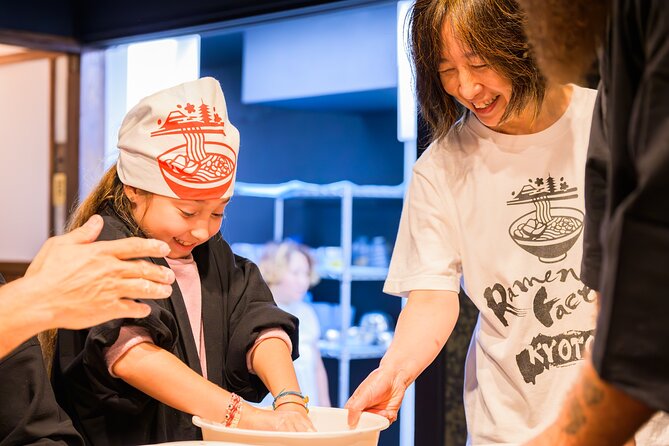
For many people, folding is the most valuable part of the class. The wrapper must hold the filling, close firmly, and look neat enough to cook without opening. An instructor can show you the hand position and correct small mistakes before they become a pan full of loose filling.
You will learn authentic wrapping techniques with guidance from the teaching team. The class is designed for beginners, so you are not expected to produce perfect pleats on your first attempt. The goal is to understand the method and gain enough confidence to repeat it at home.
I like this part because it turns a common restaurant food into a practical kitchen skill. You can buy ready-made gyoza almost anywhere in Japan, but making them yourself gives you control over fillings and texture. It also gives children and adults a clear task to work on together.
The family appeal is worth noting. An Australian participant said the children had a great time, and another group included two children aged 11. The class can suit a family looking for an evening activity, though younger children may need close help with preparation and cooking.
More Chinese Cooking Classes in Kyoto:
- Gyoza Cooking Class in Kyoto: Traditional Japanese Dumplings
★ 5.0 · 210 reviews - Warsaw’s No 1 cooking class-Polish dumplings with liqueur tasting
★ 5.0 · 576 reviews - Ramen & Dumpling Cooking in Tokyo with Chef/Vegan possible
★ 5.0 · 107 reviews - Flavors of Beijing: Eat Like A Real Chinese
★ 5.0 · 78 reviews
Cooking the dumplings and eating them fresh
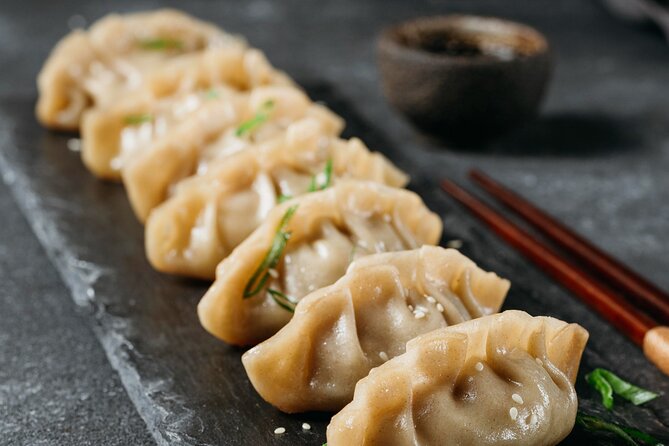
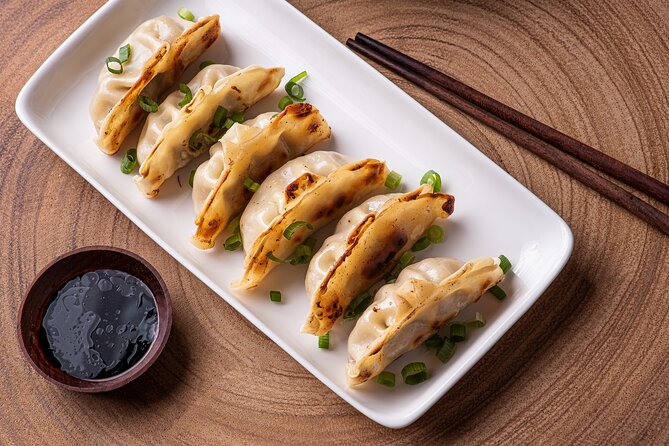
Once the dumplings are shaped, you cook them in class and eat the results fresh from the pan. The target is a crisp exterior with a juicy center, and the instructor helps you understand how to reach that balance.
The cooking stage gives the class a satisfying finish. You are not watching someone else prepare a signature dish while waiting for a tasting plate. You have made the food, cooked it, and can judge the result for yourself.
One participant described the dumplings as crisp outside and juicy inside, even comparing them favorably with many restaurant versions. That is a strong endorsement of the finished dish, but your results will depend partly on how carefully you follow the instructions and how much cooking experience you bring.
A free drink is included. The type of drink is not specified, so you should not plan around a particular beverage. It is a small inclusion, but it helps round out the meal and means the listed price covers more than the lesson alone.
The samurai photo and the cultural side
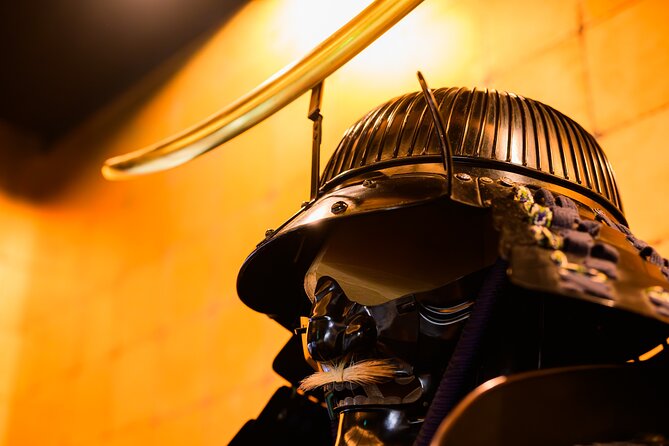
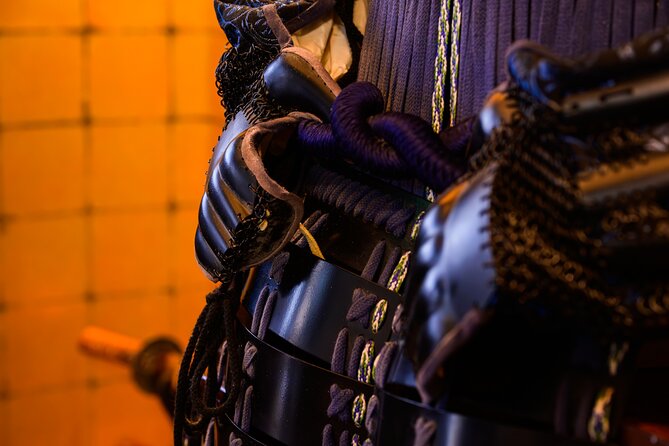
The photo with a samurai is a playful extra. It is not the main reason to book the class, but it gives you a memorable picture and adds a distinctly Japanese touch to the experience.
The cultural information about gyoza also helps place the food in context. You learn stories behind the dish while preparing it, rather than treating the recipe as an isolated cooking exercise. The format is practical, so anyone who prefers doing to listening should find the balance comfortable.
I would keep your expectations sensible. This is a short cooking workshop, not a full history course or a broad tour of Japanese cuisine. Its cultural value comes through the food, the preparation, and the small extras, including the samurai photograph.
What the $127 price really covers
At $127 per person, the class costs more than ordering a plate of gyoza at a Kyoto restaurant. That comparison is fair, but incomplete. You are also paying for an English-speaking instructor, use of cooking equipment, hands-on guidance, one drink, the food you make, and the recipe to use later.
The recipe is especially useful because it extends the experience beyond your trip. A food souvenir disappears quickly, but a recipe can become part of your regular cooking. If you make the dish for friends or family at home, the class has ongoing value.
The price works best for someone who wants an activity with a clear result. It is less appealing if your main goal is simply to find the least expensive dinner in Kyoto. In that case, a restaurant will cost less and take less time.
For families, couples, or small groups, the shared work may justify the cost. The class creates a common task and a meal at the end. It also suits solo participants, especially if you enjoy meeting an instructor and working in a guided setting.
Timing, language, and practical limits
The class lasts 90 minutes. That is long enough for preparation, folding, cooking, and eating, but short enough to fit between other plans. Check the available start times when booking, since the exact schedule is not fixed in the information provided.
Instruction is available in English and Japanese. An English-speaking instructor is included, which removes a major worry for visitors who want to understand the techniques rather than copy movements without explanation.
The class is not suitable for wheelchair users. That limitation should be part of your decision before booking. Other access details are not provided, so if you have mobility needs beyond wheelchair access, contact the provider before reserving.
You can cancel up to 24 hours in advance for a full refund. The reserve now and pay later option also helps if your Kyoto schedule is still changing. Transportation is not included, so budget for your subway fare or other way of reaching Karasuma Oike Station.
Who will enjoy this experience most
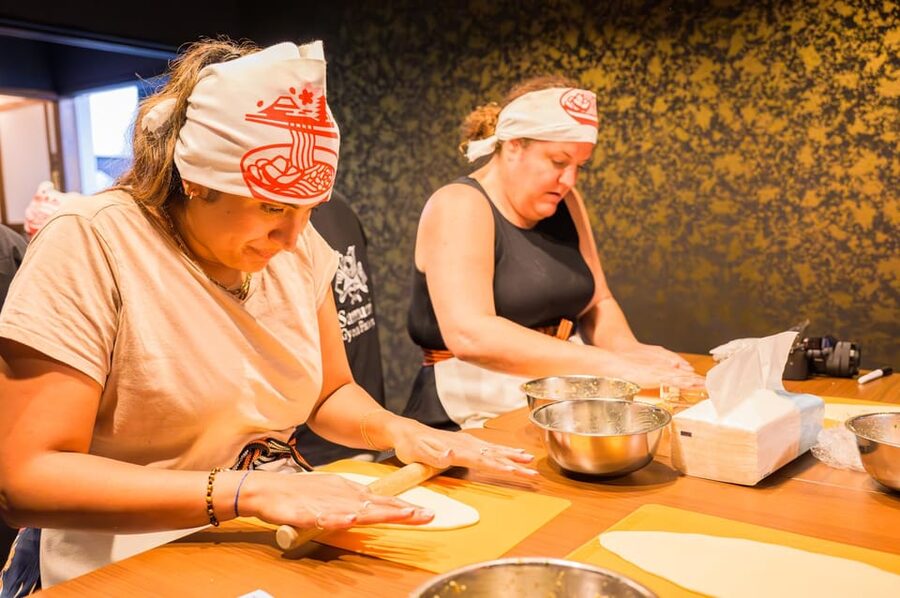
I would recommend this class to you if you like food that comes with a skill attached. It is a good fit for first-time cooks, families with older children, couples, and anyone who wants an indoor Kyoto activity that does not depend on the weather.
It also works well for an evening. You can reach the meeting point by subway, spend 90 minutes preparing dinner, and leave with a full stomach and a recipe. That is more useful than another passive tasting if you want to take something home besides photographs.
The class may be less suitable if you are looking for an advanced culinary course. The description emphasizes friendly instruction for all levels, not professional technique or a long menu. It is also not the right pick if you dislike group cooking or prefer a quiet restaurant meal.
Dietary planning matters. Meat and vegetable fillings are available, but allergies and restrictions must be reported in advance. I would not wait until the class begins to explain an important food requirement.
Should you book the Kyoto gyoza class?
Book it if you want a friendly, practical introduction to Japanese cooking and like the idea of eating what you make. The best reasons are the hands-on format, patient instruction from teachers such as Hama, the choice of meat or vegetable filling, and the recipe you can use after returning home.
At $127, it is a considered purchase rather than a casual meal. I would choose it for a special evening, a family activity, or a rainy-day plan in central Kyoto. I would skip it only if you are seeking a low-cost dinner, an advanced cooking lesson, or an accessible venue for wheelchair users.
FAQ
How long does the gyoza cooking class last?
The class lasts 90 minutes, including preparation, wrapping, cooking, and eating the gyoza you make.
Where does the class meet?
It meets 362 meters from Karasuma Oike Station in Kyoto, about a five-minute walk from Exit 2. The station is served by the Karasuma and Tozai subway lines.
What languages are available?
The instructors teach in English and Japanese. An English-speaking instructor is included.
Are cooking tools provided?
Yes. Cooking tools are provided for use during the class.
Is a drink included?
Yes. One free drink is included, although the specific type of drink is not stated.
Can I choose a vegetable filling?
Yes. The class offers meat and vegetable filling options. You should inform the provider in advance about allergies or dietary restrictions.
Is transportation included?
No. You are responsible for transportation expenses to and from the meeting point.
Is the class suitable for wheelchair users?
No. The experience is listed as not suitable for wheelchair users.
Can I cancel for a refund?
Yes. You can cancel up to 24 hours in advance for a full refund. A reserve now and pay later option is also available.
More Hands-On Workshops in Kyoto
- Kyoto: Ramen, Gyoza, and Onigiri Cooking Class
★ 5.0 · 445 reviews - The Original Small-Group Sushi Making Class in Kyoto
★ 5.0 · 436 reviews - Kyoto: Japanese Washoku Bento Small Group Cooking Class
★ 5.0 · 380 reviews - Kyoto Ramen and Gyoza Cooking Class with Professional Chefs
★ 5.0 · 282 reviews
Just added around Kyoto
- Kyoto: Sushi Making Class with Sushi Chef★ 4.8 · 64 reviews
- Nishiki Market Food Tour with Cooking Class★ 4.9 · 42 reviews
- Kyoto: Wagashi (Japanese sweets) Cooking near Fushimiinari★ 5.0 · 40 reviews
- Kyoto: Sushi Making Experience in Kawaramachi★ 4.8 · 13 reviews
- Kyoto: Small-Group Authentic Sushi Making Workshop★ 5.0 · 137 reviews
- Kyoto Udon & Tempura Cooking Class with Professional Chefs★ 3.8 · 3 reviews
- Kyoto: Cooking class, learning how to make authentic sushi★ 4.2 · 9 reviews
- Kyoto Home Cooking Class &Supermarket tour near Fushimiinari★ 5.0 · 31 reviews
Japanese & Sushi Cooking Classes, compared.
Sushi Making Tokyo Roll and Authentic Japanese Sushi Class
Read our review →
Tokyo: Roll and Authentic Sushi Making Class in Asakusa
Read our review →
Ramen Cooking Class at Ramen Factory in Kyoto
Read our review →
Tokyo: Sushi Making Class in a Happi Coat near a Famous Spot
Read our review →
Sushi Making Tokyo! Popular Maki Sushi & Japanese Sushi(+Recipe!)
Read our review →
Sushi Making Osaka Roll and Authentic Japanese Sushi Class
Read our review →
Tokyo Sushi Making Class in Tsukiji with Professional Chef
Read our review →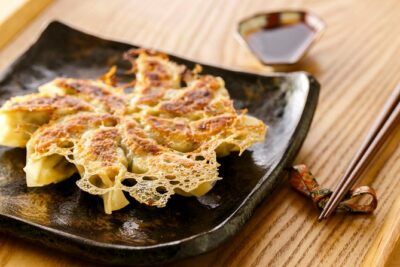
Ramen & Gyoza Cooking Class in Tokyo with Local Supermarket Visit
Read our review →Browse the lists this tour appears in