
Review · KYOTO
Kyoto: Ramen, Gyoza, and Onigiri Cooking Class
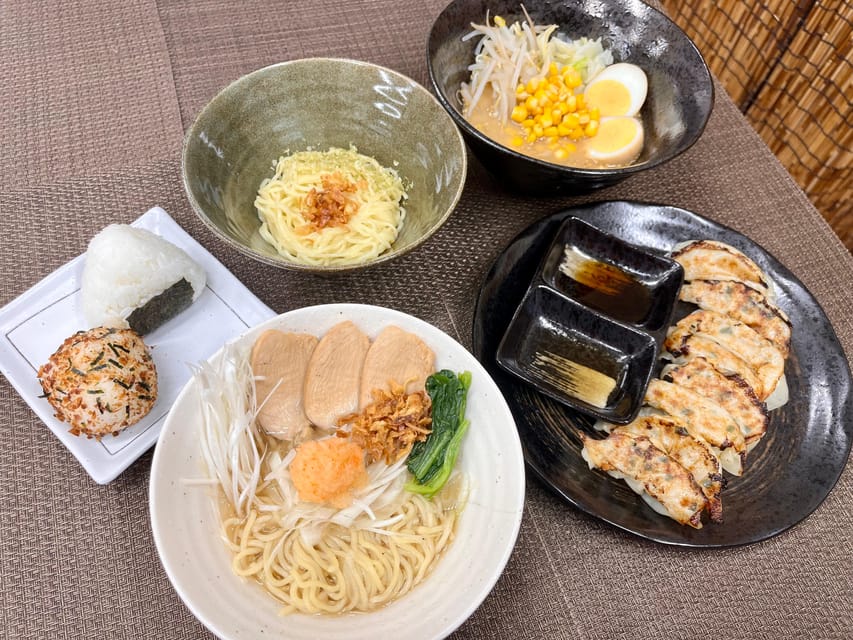
Making two kinds of ramen, gyoza, and onigiri in 90 minutes is a lot of cooking for one short class. The clever part is the focus: you make the ramen broth, not noodles, using ingredients you can find at home. I like that practical approach, and I like the small group size, which gives you a real chance to ask questions and get help with gyoza folding.
The food is generous, the English instruction is clear, and the recipes make this more useful than a one-off meal. The main drawback is the pace. Ingredients are measured in advance, so the class is partly assembly rather than a full from-scratch kitchen lesson, and the menu cannot handle vegan, pescatarian, gluten-free, or other special diets.
Key points at a glance
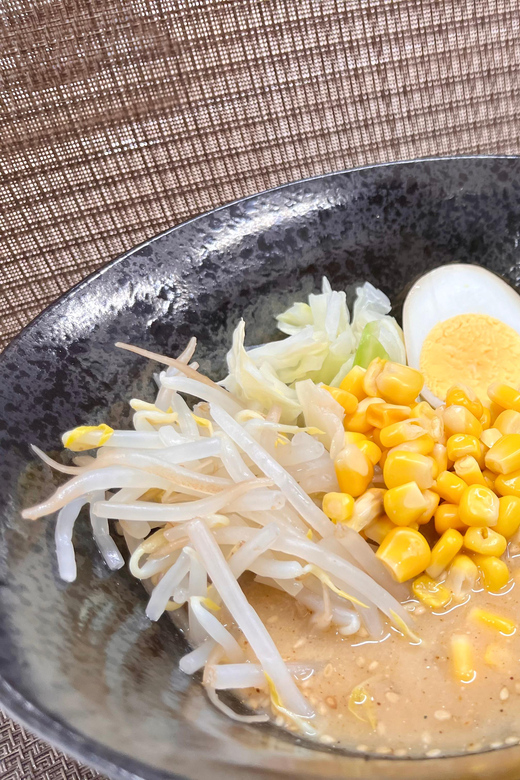
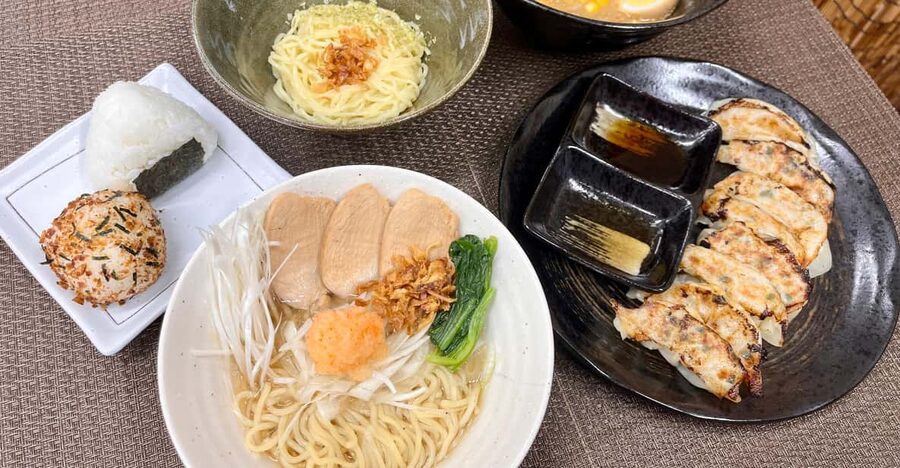
- Two ramen styles: Prepare miso ramen with egg, bean sprouts, green onion, and corn, plus shoyu ramen with chicken, bamboo shoots, and green vegetables.
- Gyoza practice: Learn how to balance pork, cabbage, onion, chives, and seasonings, then wrap and seal the dumplings.
- Onigiri shaping: Turn seasoned rice into tidy Japanese rice balls, a useful lunch or snack at home.
- Small English-speaking class: Groups are limited to eight, with instructors such as Nori, Kairi, Aoi, and Minori appearing in different sessions.
- A full meal is included: You eat the food you prepare, with coffee and tea available at no extra charge.
- Simple home cooking: Recipes for ramen and gyoza are provided, while the class shows you how to recreate the dishes outside Japan.
A fast, friendly Kyoto cooking lesson
This class is held in central Kyoto, in the basement of the Life Building, a short walk from the FamilyMart at Sanjo Keihan. The entrance is not directly on the main street, so I would check Google Maps before setting out and search for Manryo cooking class. If you are using a taxi, the suggested landmark is the FamilyMart at Sanjo Keihan, about a two-minute walk away.
Once inside, you can expect a compact class designed for participation rather than watching a chef work from across the room. The group limit is eight, and some sessions are smaller. That matters here because folding gyoza and shaping onigiri both benefit from quick correction.
The teaching team has included Nori, Kairi, Aoi, Minori, Ayuna, and Riho. The exact staff may vary, but the instruction is in English, and the teaching style is friendly, direct, and lightly humorous. Short explanations about the dishes and their origins add cultural context without turning the class into a lecture.
I like the balance. You learn what the ingredients do, then put them to work almost at once. The class is suited to families with independent teenagers, couples, friends, and solo cooks who enjoy meeting a small group around a shared meal.
More Sushi and Japanese Classes in Japan:
- Sushi Making Tokyo Roll and Authentic Japanese Sushi Class
★ 5.0 · 3,971 reviews - Tokyo: Roll and Authentic Sushi Making Class in Asakusa
★ 4.9 · 1,957 reviews - Ramen Cooking Class at Ramen Factory in Kyoto
★ 5.0 · 1,937 reviews
The ramen lesson starts with broth
The strongest part of this class is its decision to teach ramen broth instead of noodle making. Fresh ramen noodles are often available in supermarkets outside Japan, but the soup base is the part that can be harder to understand. Here you learn how to build a miso and shoyu broth from accessible seasonings.
The ingredient list includes chicken stock powder, soy sauce, oyster sauce, sesame oil, garlic, ginger, lard, mirin, black pepper, miso, butter, fish powder, chili oil, salt, pepper, and cooking sake. You will not use every ingredient in one bowl, but the range shows how Japanese-style ramen gets its depth from several small additions rather than one mysterious sauce.
The miso ramen is served with boiled egg, bean sprouts, green onions, and sweet corn. The shoyu ramen includes chicken, bamboo shoots, and green vegetables. These toppings are deliberately modest. The broth carries the main flavor, while the vegetables and other additions provide texture, color, and balance.
That is a useful lesson for home cooks. It is easy to cover a bowl with too many strong toppings, but this class shows why simple additions work better when the soup is already full-flavored. You learn to treat the topping as support, not competition.
The class does not make ramen noodles. That is important to understand before booking. If you are looking for a noodle-making workshop, this is not it. If you want a realistic method for preparing ramen soup in your own kitchen, the focus makes good sense.
Gyoza brings the most hands-on practice
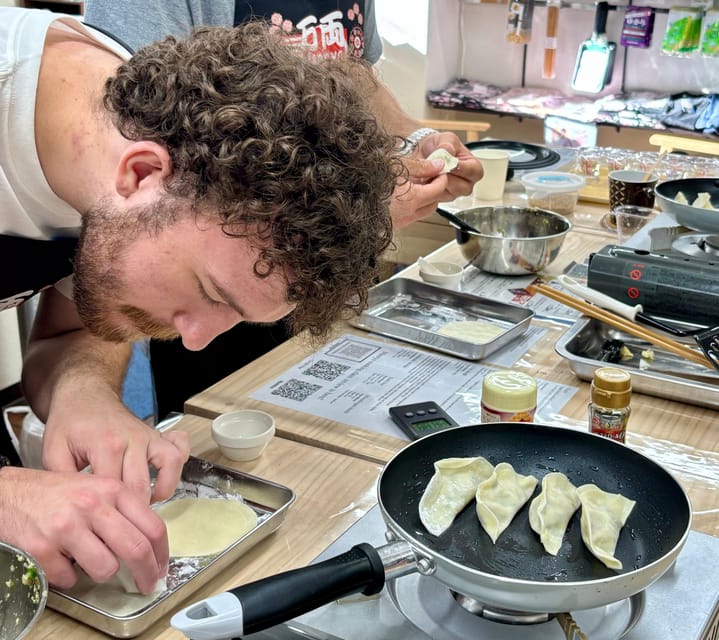
After the broth work, the gyoza section gives you the clearest chance to build a physical cooking skill. The filling combines ground pork, cabbage, onion, chives, and seasonings, with ingredients such as garlic, ginger, sesame oil, soy sauce, and pepper contributing to the flavor.
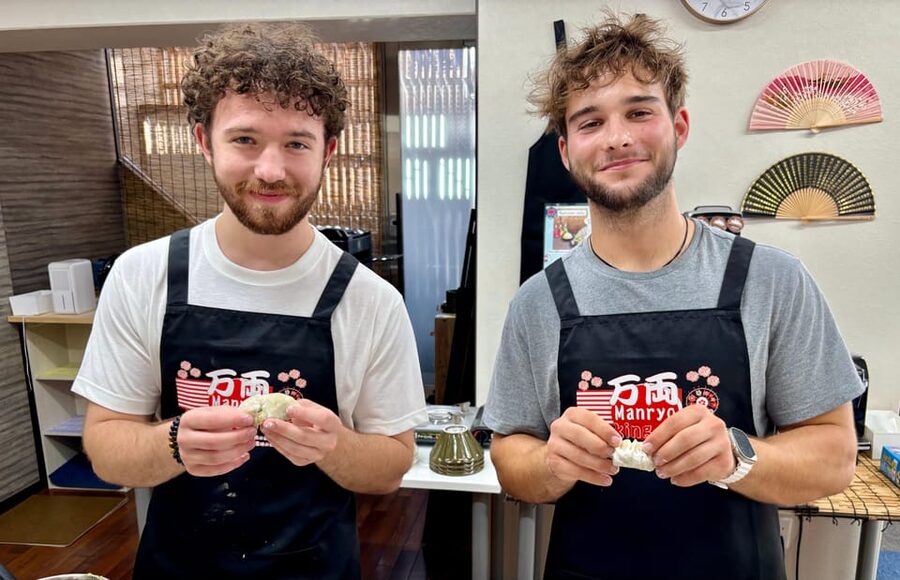
You learn how to balance the meat and vegetables, place the filling in the wrapper, and create a firm seal. The shape is part of the lesson. A dumpling that looks neat is easier to pan-fry, and a good seal helps keep the filling inside.
This is where the small group pays off. You may need someone to show you how much filling to use or how to pinch the wrapper without tearing it. Instructors can move from station to station, and the class format gives you time to repeat the motion rather than simply watch one perfect dumpling appear.
The measured ingredients make the class run on time, but they also mean you are not starting with an empty pantry and deciding every quantity yourself. I see that as a fair trade in a 90-minute class. You spend more time cooking and less time weighing every seasoning.
At the end, the gyoza are pan-fried and eaten as part of the meal. The combination of crisp underside, soft wrapper, and savory filling gives you an immediate reward for the folding practice. If you hope to host a gyoza meal at home, this is likely the most transferable part of the lesson.
Onigiri keeps the menu practical
Onigiri are Japanese rice balls, often used as a quick snack or lunch. The class teaches you how to season and shape them so they look tidy rather than lumpy. The method is simple enough for a home kitchen, and the result gives you an alternative to sandwiches.
I like the inclusion of onigiri because it broadens the class beyond restaurant food. Ramen and gyoza are famous dishes, but onigiri belongs to everyday Japanese eating. Learning to shape a rice ball also gives younger cooks an easy task they can repeat at home.
The shaping looks simple, but even rice balls benefit from instruction. You need enough pressure to hold the rice together without crushing it. The class gives you a chance to practice the shape, then eat the result alongside the ramen and gyoza.
The supplied information does not promise a separate printed onigiri recipe. Recipes for ramen and gyoza are included, and you can use the class demonstration to repeat the rice balls at home.
More Hands-On Workshops in Japan:
- Tokyo: Sushi Making Class in a Happi Coat near a Famous Spot
★ 4.9 · 1,377 reviews - Sushi Making Osaka Roll and Authentic Japanese Sushi Class
★ 5.0 · 1,220 reviews - Tokyo Sushi Making Class in Tsukiji with Professional Chef
★ 5.0 · 1,177 reviews - Ramen & Gyoza Cooking Class in Tokyo with Local Supermarket Visit
★ 5.0 · 823 reviews
You eat a surprisingly large meal
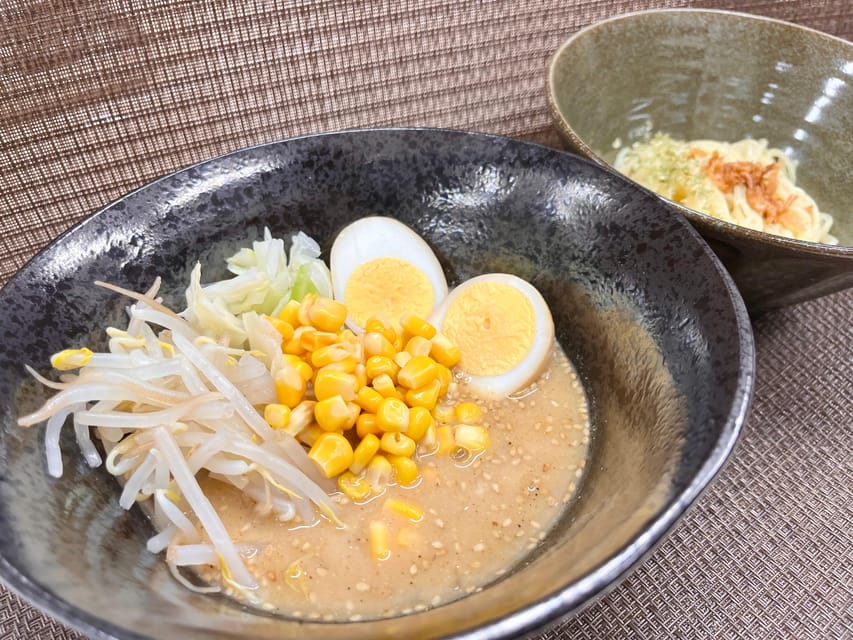
Come hungry. In 90 minutes, you prepare two ramen styles, gyoza, and onigiri, then eat what you have made. The portions are substantial enough that some people may not finish everything, especially when the class is treated as lunch or dinner rather than a light tasting.
Coffee and tea are included. Beer may also be available for purchase after the meal, but it is not part of the stated package. I would treat that as an optional extra, not something to plan around.
The meal is one of the best reasons to book this instead of a demonstration-only class. You learn a method, practice the technique, and taste the result while the instructions are still fresh. You can also see how the broth, toppings, dumplings, and rice balls fit together as a Japanese-style meal.
The pace can be lively. Several people have completed the full menu within the 90-minute session, but that efficiency comes from advance preparation and clear station organization. You should expect to move from one task to the next without long breaks.
What the $90 price buys you
At $90 per person, this is not a cheap meal. But it is more than a restaurant lunch. The price includes an English-speaking instructor, cooking equipment, ingredients, everything you prepare, coffee and tea, and recipes for ramen and gyoza.
I see the value in the skills you take home. Ramen broth is the most useful example. Instead of buying a packaged soup base and simply adding noodles, you learn a formula built from seasonings that are widely available. The gyoza lesson also has lasting value because the folding method can be reused with different fillings.
The class is less valuable if you only want to eat Japanese food. Kyoto has many restaurants where you can order ramen and gyoza for less than $90. You are paying for instruction, participation, a small group, and the chance to make the meal yourself.
For a family or couple, the shared activity may justify the cost. For a solo visitor, the decision depends on your interest in cooking. If you already enjoy working in the kitchen, I think the recipes and techniques make the price easier to defend. If you prefer a quiet meal with no timed tasks, spend the money at a restaurant instead.
Dietary rules need careful attention
The official menu offers a regular option and a vegetarian option in which pork is replaced with tofu. Other ingredients remain the same. That is a narrow vegetarian adjustment, not a broad custom menu.
The class states that it cannot accommodate vegan, pescatarian, gluten-free, or other special diets. People with food allergies or medical restrictions should not assume substitutions are possible. The ingredient list includes oyster sauce, fish powder, chicken stock powder, lard, cooking sake, and other items that may matter for dietary planning.
Some past sessions have accommodated individual needs, but the published rules are the safer guide. Contact the provider before booking only if you need clarification, and do not rely on an informal change at the door.
The age rule also needs attention. The official information says participants must be at least 13 and able to cook independently without staff help. Some past families have brought younger children, but that does not change the stated requirement. I would follow the published age limit when planning your reservation.
The class is not suitable for wheelchair users or people with recent surgeries. Comfortable clothes and shoes are recommended, which is sensible for a compact kitchen session.
How the 90 minutes feel
The class is tightly organized. Ingredients are prepared and portioned before you begin, so you can concentrate on technique instead of shopping, measuring, and washing every item from scratch.
A typical flow is likely to move through broth preparation, ramen toppings, gyoza filling and wrapping, onigiri shaping, and final cooking before the meal. The exact order may vary as the instructors manage the group and cooking stations.
I appreciate that the format avoids dead time. A drawback is that you will not get the same open-ended practice as you would in a longer half-day course. There is limited room for experiments, recipe variations, or extended knife instruction.
Still, the class covers a lot without feeling like a lecture. The staff can demonstrate a motion, watch you repeat it, and keep the group moving. An instructor may also answer broader questions about Japanese ingredients, cooking tools, or the dishes themselves.
Arrive about 10 minutes early. The classroom is down a side street and not directly on the main road, so a last-minute search can cost you valuable cooking time.
Who will enjoy this class most
I would recommend it to:
- First-time visitors who want a hands-on food activity in Kyoto
- Couples and friends who enjoy cooking together
- Families with participants aged 13 or older who can work independently
- Home cooks who want an easy ramen broth method
- People who want a filling lunch or dinner included in the activity
- Solo visitors who like small classes and casual conversation
I would be cautious about booking if you need exact dietary control, dislike a fast pace, or want to make noodles from flour. The class is about broth, gyoza, and rice balls, not noodle production.
It also suits a late-morning or late-afternoon schedule. Since you eat the food you prepare, it can replace a meal, but I would not schedule another large lunch immediately afterward.
Booking and cancellation details
The activity runs for 90 minutes, with starting times shown according to availability. Groups are limited to eight, and a very small booking may still go ahead, but you should not count on a private class.
Only one reservation should be made per group. Multiple bookings under the same name for the same date or other dates can be canceled, because holding duplicate spaces blocks other people from booking.
Everyone who enters must be participating. If the reservation is for five people, only those five participants can enter the classroom. There is no admission for someone who wants to watch without taking the class.
Free cancellation is available up to 24 hours in advance for a full refund. The reserve-now, pay-later option can help if your Kyoto schedule is still changing.
Should you book the ramen, gyoza, and onigiri class?
I would book this class if you want useful Japanese cooking skills, a generous meal, and friendly English instruction in a small group. The broth lesson is the real selling point, while the gyoza folding and onigiri shaping give you simple techniques you can repeat at home.
I would skip it if you are looking for handmade noodles, a long professional cooking course, or a menu tailored to strict dietary needs. The class is fast and organized, with ingredients prepared ahead of time.
For most eligible participants, the appeal is clear: you leave with a full stomach, recipes for ramen and gyoza, and a better sense of how these familiar Japanese dishes are built. In a city packed with temples and formal sightseeing, 90 minutes at a kitchen counter offers a welcome change of pace.
FAQ
Where is the cooking class held?
The classroom is in the basement of the Life Building in Kyoto. It is one street away from the main road. If you take a taxi, get off near the FamilyMart at Sanjo Keihan and walk about two minutes. Search for Manryo cooking class on Google Maps.
How long does the class last?
The class lasts 90 minutes. Starting times depend on availability.
What dishes will I make?
You will prepare miso ramen, shoyu ramen, gyoza, and onigiri. The ramen portion focuses on broth and toppings, and the class does not make noodles.
Are recipes included?
Recipes for ramen and gyoza are included. The food you prepare is also included, along with coffee and tea.
Can vegans or people with gluten intolerance join?
No. The class cannot accommodate vegan, pescatarian, gluten-free, or other special diets. The vegetarian menu replaces pork with tofu, but other ingredients remain the same.
What is the minimum age?
Participants must be at least 13 and able to cook independently without staff help. The activity is not intended for children under 12.
Can I cancel my reservation?
You can cancel up to 24 hours in advance for a full refund. A reserve-now, pay-later option is also available.
Just added around Japan
- Vegan/Vegetarian Ramen and Gyoza by Bentoya cooking★ 5.0 · 59 reviews
- Ramen Making from Scratch with Tokyo Mom(Vegan Option Available)★ 5.0 · 39 reviews
- Shibuya Tokyo: Sushi Making Class (Vegan/Vegetarian/Halal)★ 4.7 · 29 reviews
- Ramen & Dumpling Cooking in Tokyo with Chef/Vegan possible★ 5.0 · 107 reviews
- Tokyo Haneda: Bento & Ramen Gyoza Cooking Class in a Local home★ 5.0 · 9 reviews
- Hands-on Japanese Cooking in a Shinjuku Home Kitchen with Satoru★ 5.0 · 19 reviews
- Private Japanese Home Cooking Class in Kyoto with Michiyo★ 5.0 · 55 reviews
- Near Fushimiinari: Kyoto Home Cooking Class & Supermarket tour★ 5.0 · 100 reviews
Japanese & Sushi Cooking Classes, compared.
Sushi Making Tokyo Roll and Authentic Japanese Sushi Class
Read our review →
Tokyo: Roll and Authentic Sushi Making Class in Asakusa
Read our review →
Ramen Cooking Class at Ramen Factory in Kyoto
Read our review →
Tokyo: Sushi Making Class in a Happi Coat near a Famous Spot
Read our review →
Sushi Making Tokyo! Popular Maki Sushi & Japanese Sushi(+Recipe!)
Read our review →
Sushi Making Osaka Roll and Authentic Japanese Sushi Class
Read our review →
Tokyo Sushi Making Class in Tsukiji with Professional Chef
Read our review →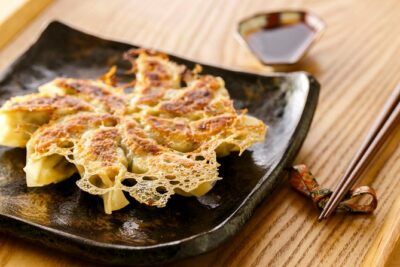
Ramen & Gyoza Cooking Class in Tokyo with Local Supermarket Visit
Read our review →Browse the lists this tour appears in