
Review · KYOTO
Kyoto: Small-Group Authentic Sushi Making Workshop
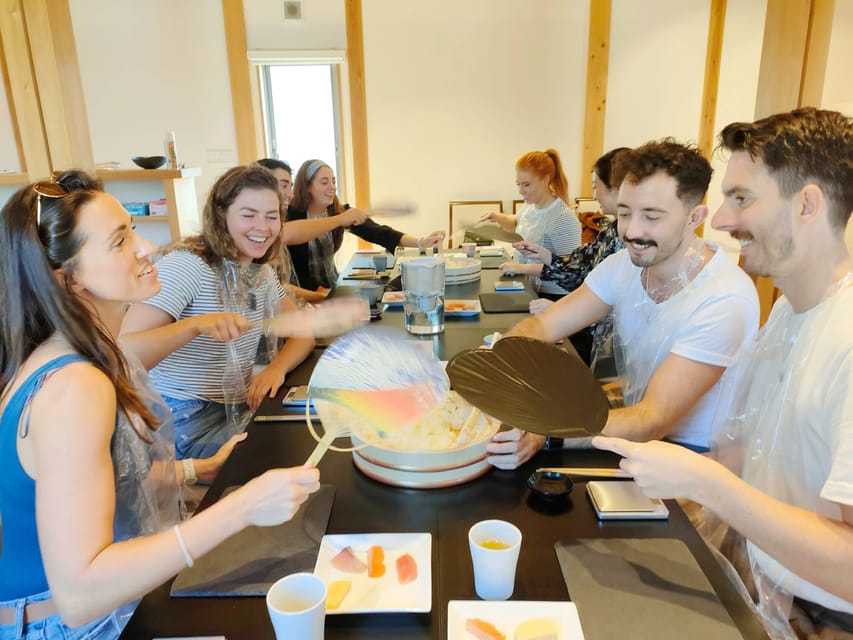
Kyoto’s original small-group sushi workshop turns lunch into a hands-on lesson. In a restored townhouse near Kiyomizu-Gojō Station, Kana and her team show you how to season rice, shape nigiri, make gunkan sushi, and roll maki. I like the eight-person limit and the calm pace. I also like that you eat what you make, rather than watching a chef work and leaving hungry.
The main consideration is dietary choice: this class is not suitable for vegetarians, and you should report other restrictions when booking. You will not cut the fish yourself, either, as it is prepared in advance. Still, for $60, the fresh ingredients, generous meal, English instruction, miso soup, and useful gift bag make a strong package.
Key points at a glance
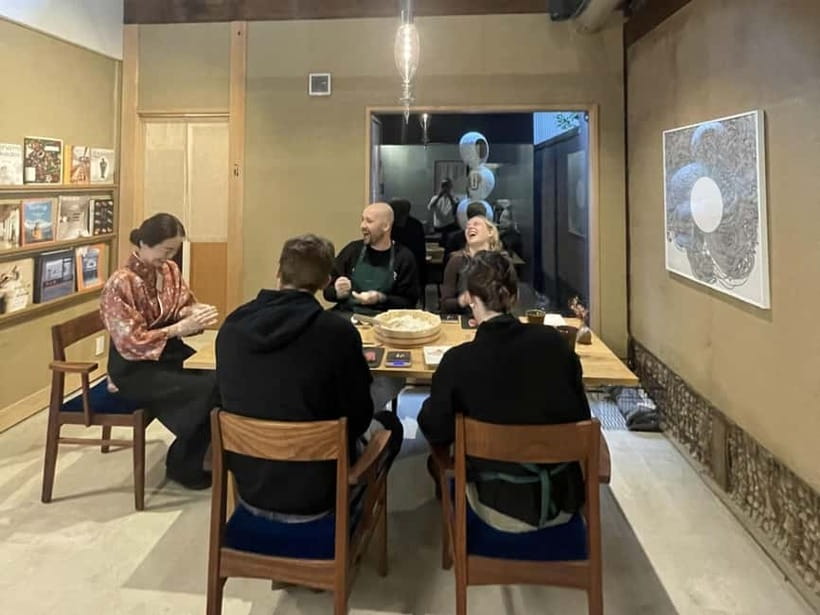
- Small class, real attention: The workshop accepts no more than eight people, and some sessions have only two or three.
- Several sushi styles: You make nigiri and maki, with some sessions also including gunkan sushi and toppings such as salmon, tuna, squid, yellowtail, omelet, corn, and tuna salad.
- Fresh Kyoto ingredients: Fish comes from local sources, including Nishiki Market, and some rice is grown by Kana’s family.
- A friendly cultural lesson: Kana, Aya, Ayumi, and their assistants make room for questions about Japanese food, Kyoto, history, and daily life.
- A meal plus a souvenir: Your sushi becomes lunch, served with miso soup, and you take home a rolling mat, chopsticks, and recipe card.
- Easy central location: The Kyoto Wand building is a short walk from Kiyomizu-Gojō Station and within reach of Gion and Kiyomizu-dera.
A Kyoto townhouse instead of a restaurant counter
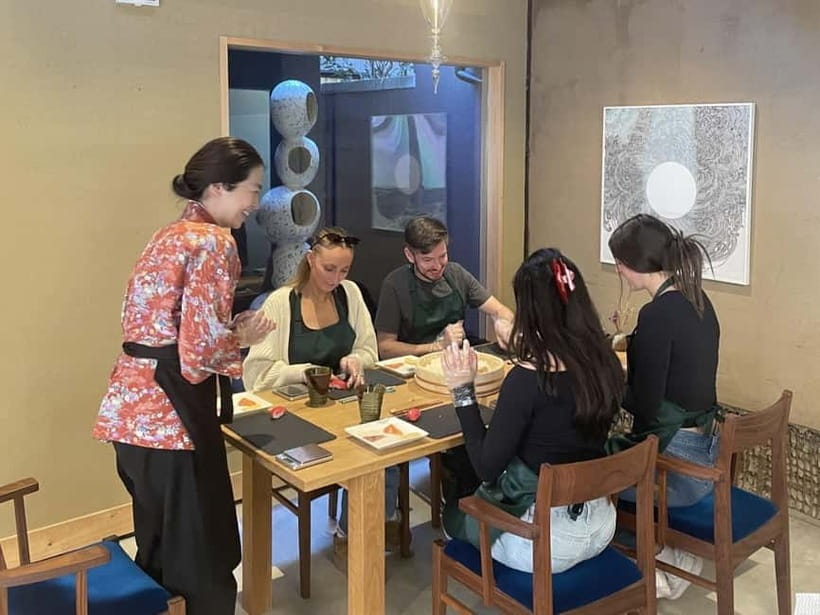
The setting does much of the work here. You meet at Kyoto Wand, a beautifully restored traditional townhouse a few minutes on foot from Kiyomizu-Gojō Station on the Keihan Main Line. The Google Plus Code is XQVC+J7 Kyoto, useful if your map app has trouble with the address.
This is not a sushi restaurant where you sit back and watch a chef. You put on the provided apron and disposable gloves, take your place at the worktable, and handle the food yourself. The townhouse setting gives the class a quieter feel than a busy cooking school, with time to listen and ask questions.
The location also fits neatly into a sightseeing day. Kiyomizu-dera and Gion are within walking distance, so you can pair the workshop with temple visits, traditional streets, or an evening meal nearby. Hotel pickup is not included, but the central location makes that less of a problem.
More Sushi and Japanese Classes in Kyoto:
- Ramen Cooking Class at Ramen Factory in Kyoto
★ 5.0 · 1,937 reviews - Sushi Making in Kyoto! Same-day bookings welcome!
★ 5.0 · 713 reviews - Kyoto: Ramen Cooking Class at a Ramen Factory with Souvenir
★ 4.9 · 532 reviews
What happens during the 90 minutes
The class begins with an introduction to the ingredients and the basic method. You learn how sushi rice is seasoned and handled, which matters more than many first-timers expect. Rice that is too wet, too firmly packed, or poorly seasoned can overwhelm the fish, so the early instruction sets up everything that follows.
Kana is known for demonstrating each step slowly and repeating it when needed. That matters in sushi making because the hand movements are simple to describe but less simple to copy. You need the right pressure for nigiri, enough filling for a maki roll, and a steady motion when using the bamboo mat.
You then make several types of sushi. Nigiri is the most recognizable: a small hand-shaped piece of rice topped with fish or another ingredient. Maki gives you a different task, as you spread rice, arrange fillings, and roll the sheet neatly. Some classes also include gunkan sushi, a small seaweed-wrapped form designed to hold softer toppings.
The exact fish and fillings can vary, but examples from the class include salmon, tuna, squid, yellowtail, egg omelet, avocado, corn, and tuna salad. That range helps you see that sushi is not one single food. You work with different textures, colors, and shapes, not just raw fish placed on rice.
The fish is prepared before you arrive. This keeps the 90-minute session focused and makes the class manageable for beginners. If learning to fillet or slice a whole fish is important to you, this is a limitation. The goal here is shaping, seasoning, presentation, and understanding how the pieces come together.
Why the small group makes a difference
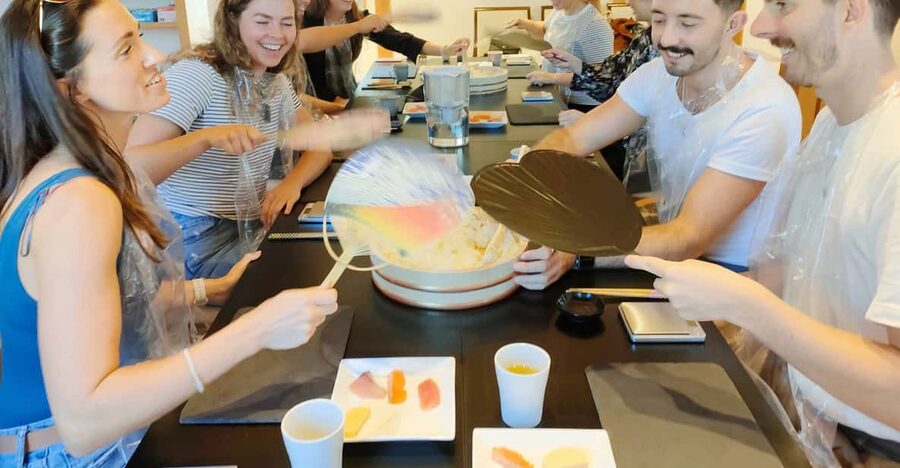
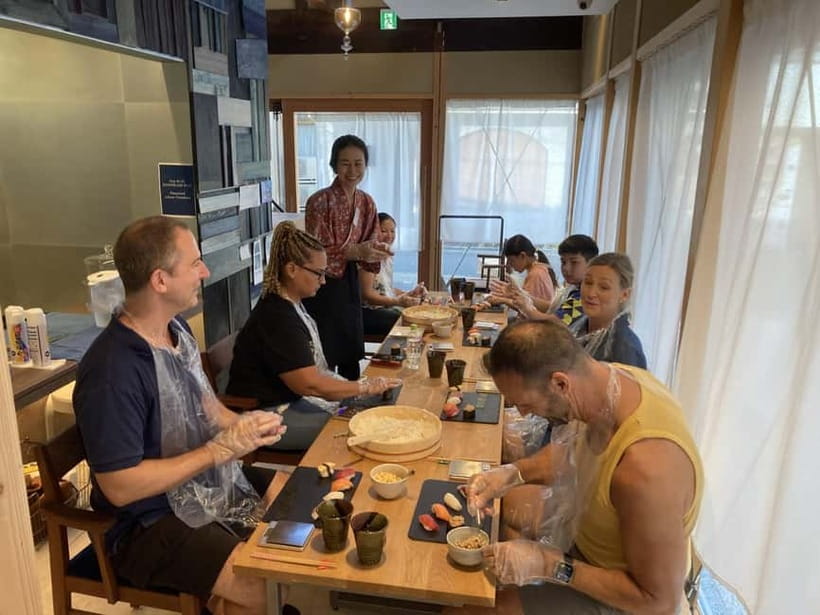
Eight people is a useful ceiling for a practical food class. You can see the demonstration, receive corrections, and ask questions without waiting behind a large crowd. The format is especially helpful if you have never made sushi before or if you are unsure how much pressure to use.
The class can be smaller than advertised. One couple had the room to themselves, while another session had three people. A family of seven was able to attend together, making this workable for a mixed-age group that wants one shared activity.
The family angle is one of this class’s strengths. A 10-year-old participant was able to follow the process, and another family included a grandmother, parents, and children. The activity is seated, focused, and creative, which gives you a welcome pause after several days of walking around Kyoto.
The group format also adds a social element without taking over the class. You may meet people from several countries, work around the same table, and chat while shaping your sushi. If you prefer a completely private lesson, book with the understanding that the standard format is small group rather than private.
Fresh fish, family rice, and a proper lunch
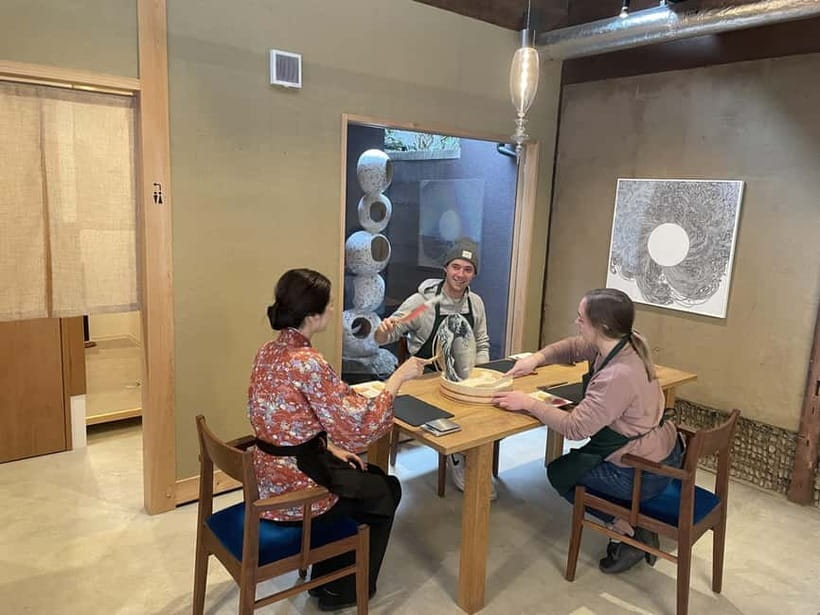
The ingredients are central to the value. Fish is described as fresh and high quality, with supplies coming from local Kyoto sources, including Nishiki Market. You use the ingredients during the class, then eat the finished sushi as your lunch.
One particularly interesting detail is that the rice used in some sessions was grown by Kana’s family. That personal connection gives the rice more meaning than a generic cooking-school ingredient. It also lets the class explain sushi as a combination of careful rice preparation and good toppings, rather than treating the fish as the whole story.
Portions are generous. You make enough sushi to leave full, and some participants have described the quantity as surprisingly large. Plan accordingly if you have a big dinner reservation soon after. The meal includes miso soup, plus soy sauce, wasabi, and ginger for serving.
This is also a good class for someone nervous about raw seafood. You can ask questions about the ingredients, and the fish is handled as part of a structured food lesson. Still, you should be comfortable eating fish, since vegetarian participation is not allowed.
More Hands-On Workshops in Kyoto:
- Kyoto: Ramen, Gyoza, and Onigiri Cooking Class
★ 5.0 · 445 reviews - The Original Small-Group Sushi Making Class in Kyoto
★ 5.0 · 436 reviews - Kyoto: Japanese Washoku Bento Small Group Cooking Class
★ 5.0 · 380 reviews - Kyoto Ramen and Gyoza Cooking Class with Professional Chefs
★ 5.0 · 282 reviews
Kana and the teaching style
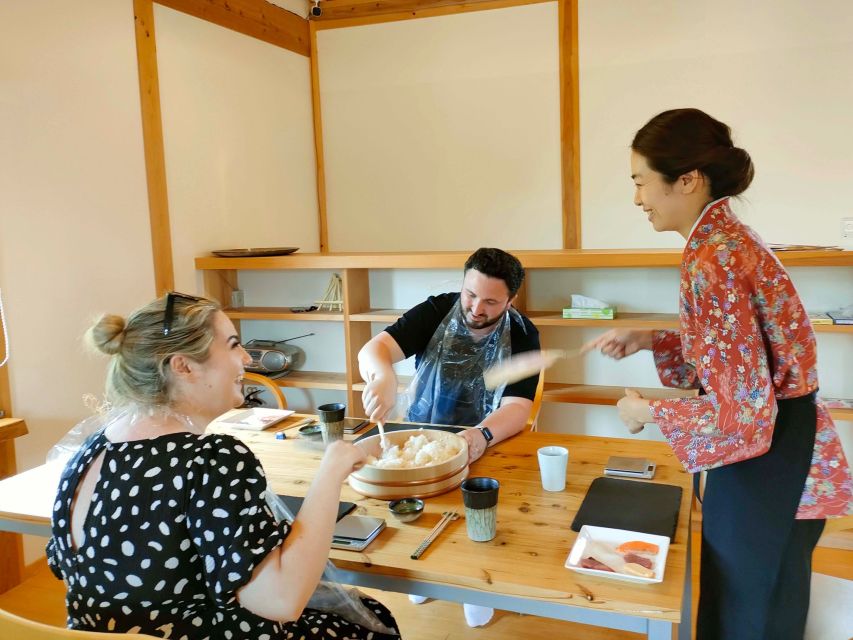
Kana is the main name to know. She teaches with patience and clear demonstrations, and she speaks English well enough to discuss both sushi and wider questions about Japanese culture. Her background and interests give the class room to move beyond technique, with conversation about Osaka, Kyoto, Japanese history, food, and local customs.
Aya and Ayumi also lead some sessions, while Kana’s husband Karim and assistants such as Kenneth help with instruction and conversation. The exact teaching team may differ by date, but the format remains personal rather than formal or distant.
I like that the cultural side grows naturally from the food. You can ask why a technique matters, discuss ingredients, or request local suggestions. Some classes have continued past the scheduled 90 minutes for conversation, but you should treat the listed duration as the official plan rather than counting on extra time.
The hosts also offer practical Kyoto advice. That can be useful early in your visit, when you are still working out where to eat, how to move around, and which areas deserve more of your time. Do not book this only for restaurant recommendations, though. The main value is the class itself.
The gift bag is more useful than a souvenir trinket
At the end, you receive a bag with a sushi rolling mat, chopsticks, and a recipe card. That is a smart addition because the class is designed to send you home with a repeatable skill, not just a pleasant meal.
The rolling mat lets you practice maki after your trip. The recipe card gives you a starting point, while the chopsticks are an everyday reminder of the workshop. You may not reproduce every ingredient at home, but the basic method is approachable enough to try again.
The gift also improves the $60 value. You are paying for instruction, food, a cultural activity, and take-home tools. Compared with a standard lunch, it costs more, but compared with a private cooking lesson or a longer food tour, it is a fairly contained way to spend part of an afternoon.
Practical points before you book
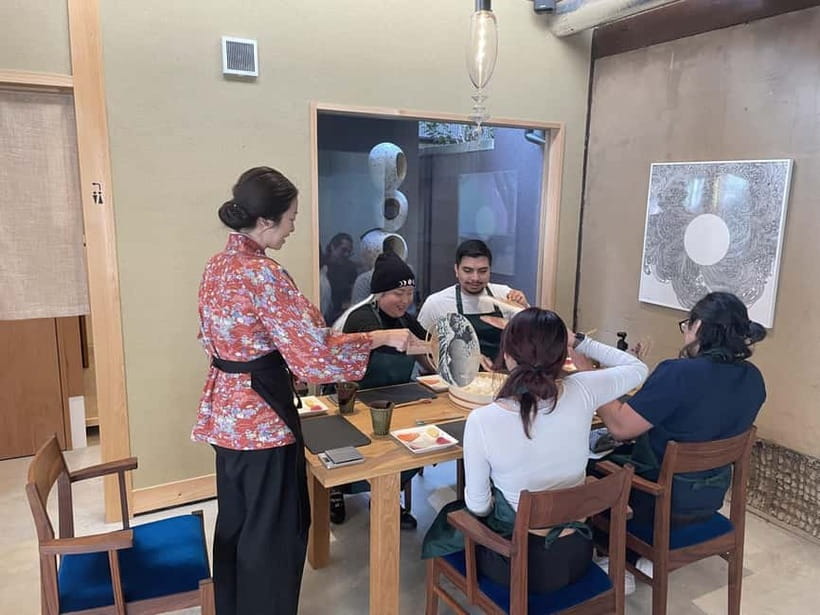
The price is $60 per person, and the activity lasts 90 minutes. That is short enough to fit between sightseeing plans, but long enough for a complete lesson and meal. Check the available start times when choosing your date.
The workshop is conducted in English. That is important if you want detailed instruction rather than a demonstration with gestures only. The class is limited to eight participants, though the actual number can be lower.
You should tell the provider about dietary restrictions at booking. Vegetarian participation is specifically not available, and the food centers on fish and other sushi ingredients. The workshop is not suitable for wheelchair users, so check your access needs carefully before reserving.
Cancellation is free up to 24 hours in advance, and you can reserve now and pay later. Those terms are useful if you are arranging a Kyoto schedule around weather, train plans, or temple reservations.
Wear something comfortable and arrive ready to work with your hands. Aprons and disposable gloves are supplied, so you do not need to bring protective clothing. Hotel transport is not included, but the station access is straightforward.
Who will enjoy this class most
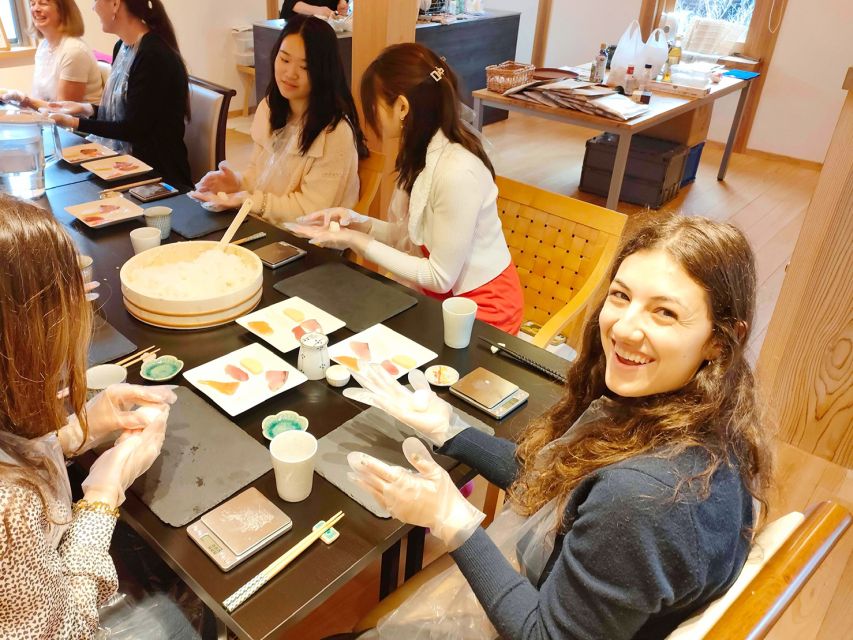
I would choose this for a first-time sushi maker who wants patient instruction and a real meal at the end. It also works well for couples, families, and solo visitors who enjoy meeting a few other people around a table.
Food lovers will appreciate the attention to rice, fish quality, and traditional forms. You do not need prior cooking experience. People who already make sushi at home can still gain something from the focus on local ingredients and traditional Japanese technique.
It is less suitable if you want to learn professional fish preparation, attend a completely private class, or avoid raw seafood. It is also not the right pick for vegetarians, and anyone using a wheelchair should choose another activity.
Should you book the Kyoto sushi workshop?
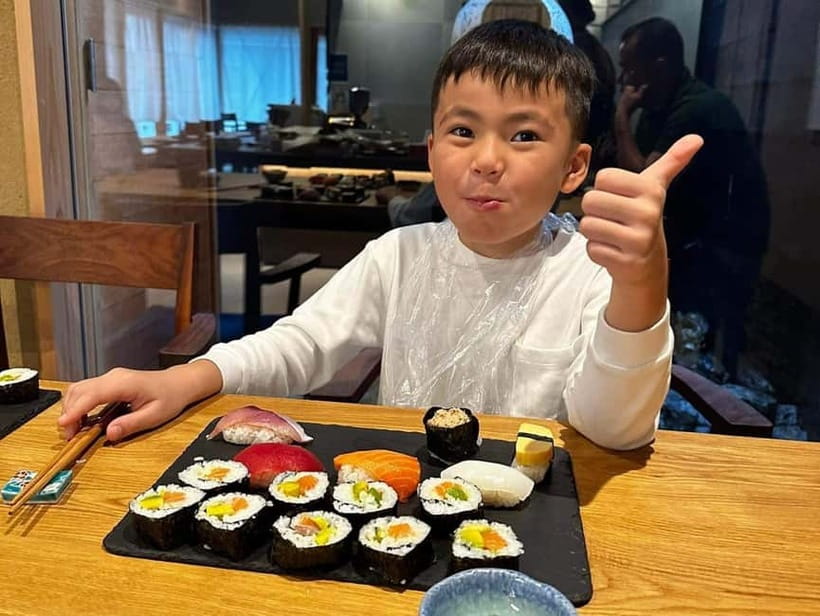
Book it if you want a friendly, practical class that connects food with Kyoto culture. The strongest reasons are the small group, English instruction, fresh local ingredients, generous lunch, and the chance to ask Kana and her team about Japan while you work.
The best timing is likely a morning or midday session, when the sushi can serve as lunch and you still have the afternoon for Gion or Kiyomizu-dera. At $60, it is not the cheapest meal in Kyoto, but it offers far more than food alone.
Skip it only if you need vegetarian food, wheelchair access, or fish preparation from start to finish. For most beginners, families, and curious food lovers, this is a warm, useful way to spend 90 minutes in Kyoto and take a little of the city’s food culture home.
FAQ
Where is the sushi-making workshop held?
It takes place in the Kyoto Wand building, a short walk from Kiyomizu-Gojō Station on the Keihan Main Line. The venue is also within walking distance of Gion and Kiyomizu-dera.
How long does the experience last?
The workshop lasts 90 minutes.
How many people can join the class?
The class is limited to eight participants. Some sessions may have fewer people.
Is the workshop taught in English?
Yes. The workshop includes an English-speaking host and English instruction.
What types of sushi will I make?
You will make nigiri and maki rolls. Some sessions also include gunkan sushi, depending on the class instruction and ingredients.
Do I eat the sushi I make?
Yes. The sushi you prepare is served as your lunch, along with miso soup.
What is included in the gift bag?
The gift bag includes a sushi rolling mat, chopsticks, and a recipe card.
Can vegetarians join the class?
No. The activity is not suitable for vegetarians. You should report other dietary restrictions when booking.
Is hotel transportation included?
No. Hotel pickup and drop-off are not included.
Just added around Kyoto
- Kyoto: Wagashi (Japanese sweets) Cooking near Fushimiinari★ 5.0 · 40 reviews
- Kyoto: Sushi Making Experience in Kawaramachi★ 4.8 · 13 reviews
- Kyoto Udon & Tempura Cooking Class with Professional Chefs★ 3.8 · 3 reviews
- Kyoto: Cooking class, learning how to make authentic sushi★ 4.2 · 9 reviews
- Kyoto Home Cooking Class &Supermarket tour near Fushimiinari★ 5.0 · 31 reviews
- Kyoto: Morning Japanese Bento Cooking Class★ 5.0 · 149 reviews
- Authentic Japanese Cooking Experience at Izakaya restaurant★ 4.2 · 5 reviews
- Gyoza Cooking Class in Kyoto: Traditional Japanese Dumplings★ 5.0 · 12 reviews
Japanese & Sushi Cooking Classes, compared.
Sushi Making Tokyo Roll and Authentic Japanese Sushi Class
Read our review →
Tokyo: Roll and Authentic Sushi Making Class in Asakusa
Read our review →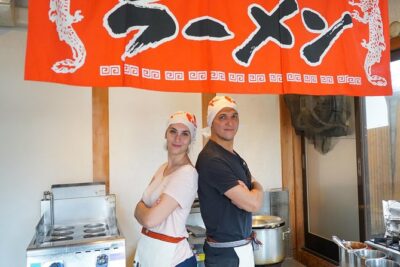
Ramen Cooking Class at Ramen Factory in Kyoto
Read our review →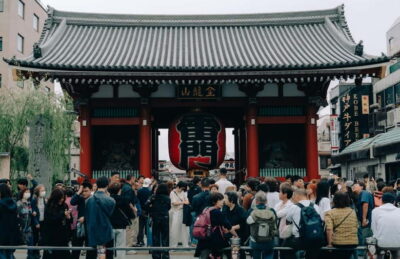
Tokyo: Sushi Making Class in a Happi Coat near a Famous Spot
Read our review →
Sushi Making Tokyo! Popular Maki Sushi & Japanese Sushi(+Recipe!)
Read our review →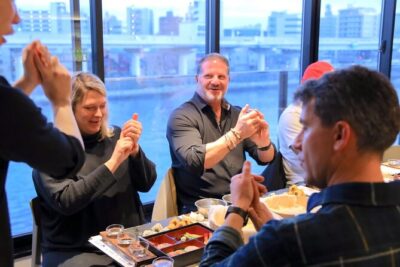
Sushi Making Osaka Roll and Authentic Japanese Sushi Class
Read our review →
Tokyo Sushi Making Class in Tsukiji with Professional Chef
Read our review →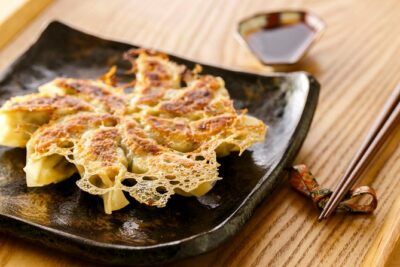
Ramen & Gyoza Cooking Class in Tokyo with Local Supermarket Visit
Read our review →Browse the lists this tour appears in