
Review · OSAKA
Osaka: Roll and Authentic Sushi Making Class in Dotonbori
Making sushi in Osaka is more than a meal with a recipe attached. In this 100-minute class near Dotonbori, you learn the story behind sushi, shape maki rolls, form nigiri, and eat the results before heading back into the neon streets of central Osaka.
I like two things right away: the friendly English-speaking instructors make the class easy for first-timers, and the lesson includes both rolled sushi and traditional nigiri. The light quiz, jokes, food talk, and local tips keep it social rather than stiff.
The main drawback is time. A few people found the making and eating portions a little rushed, especially near the end. You may need to work at a steady pace and pay attention when the demonstration begins.
Key points at a glance
- Two sushi styles in one class: Make maki rolls and authentic Japanese nigiri rather than learning only one basic technique.
- History with humor: A short interactive quiz gives context before you handle the ingredients.
- Strong instructors: Shoki, Yui, Takara, Rika, Fujiko, and other English-speaking teachers are praised for clear instructions and lively teaching.
- Central Osaka setting: The class is about five minutes from Shinsaibashi Station, close to Dotonbori and its famous food streets.
- Useful for many diets: Vegan, vegetarian, gluten-free, halal, and allergy-related menu changes are possible when arranged at least three days in advance.
- A full meal at the end: You eat the sushi you make, with enough food for lunch in the class format described by participants.
A sushi class in the middle of Osaka’s food district
The location does much of the work before class even begins. You meet on the third floor of the Galleria Acca Building, about five minutes on foot from Shinsaibashi Station. Dotonbori and Shinsaibashi are close by, so this fits neatly into an afternoon of shopping, street food, and Osaka sightseeing.
The building entrance can be easy to miss. One class participant liked its concrete architecture, but also noted that the doorway is not obvious from the street. Give yourself a few extra minutes, especially if you are meeting friends or arriving straight from the station.
This is not a market tour or a visit to a working fish auction. It is a hands-on food activity in a central cooking space. That makes it practical for a short Osaka visit. You do not lose time traveling across the city, and you can pair the class with Dotonbori before or after.
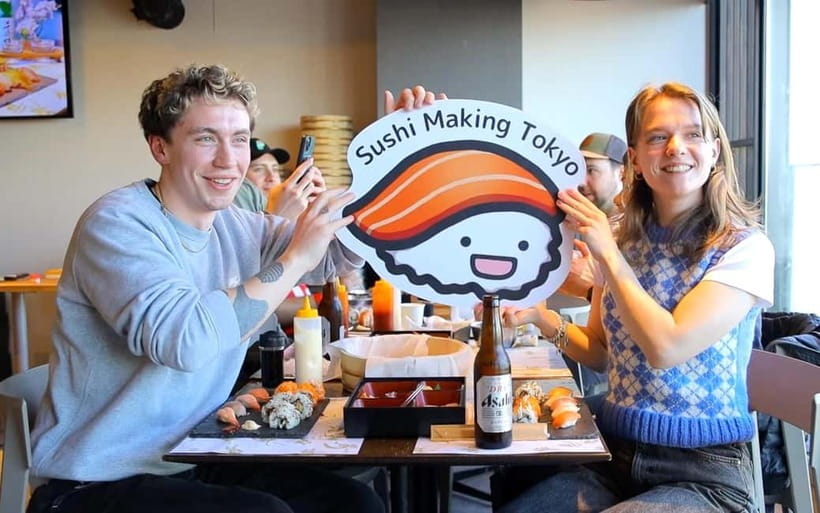
The setting also suits solo visitors. Groups and individual participants are welcome, and the instructors begin by asking where people come from. That simple opening helps turn a table of strangers into a shared activity.
More Sushi and Japanese Classes in Japan:
- Sushi Making Tokyo Roll and Authentic Japanese Sushi Class
★ 5.0 · 3,971 reviews - Tokyo: Roll and Authentic Sushi Making Class in Asakusa
★ 4.9 · 1,957 reviews - Ramen Cooking Class at Ramen Factory in Kyoto
★ 5.0 · 1,937 reviews
The opening quiz gives sushi some context
The class starts with a short introduction to the history of sushi, presented through an interactive and lighthearted quiz. This is a useful touch. Instead of simply copying hand movements, you learn that sushi is part of a much longer food tradition.
The quiz is not designed as a formal lecture. Expect simple questions, conversation, and a playful tone. Several instructors use humor to keep the room relaxed, and that matters if you are nervous about getting the shapes wrong.
I like this part because it gives the food meaning without slowing the class down. You get enough context to understand the difference between the two sushi styles you will make, then move quickly to the work surface.
Instructors such as Shoki, Yui, and Takara have been praised for keeping the history section lively. Fujiko, Rika, Reika, Miho, Serai, and other teachers are also noted for patient explanations and warm conversation. The specific instructor depends on the session, but English is the working language.
Maki rolls teach you the basic rhythm
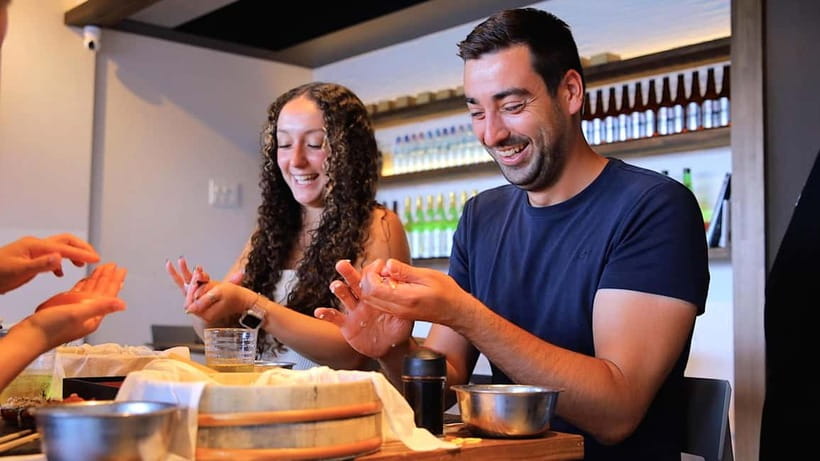
The first practical skill is usually maki, the rolled style of sushi. Ingredients and rice are prepared for you, so this is not a class about washing rice, cooking it, or preparing fish from the beginning. Instead, the focus is on assembling and shaping sushi.
That is a good choice for a 100-minute activity. You spend your time learning how to place ingredients, manage the rice, roll the seaweed, and cut the finished piece. The instructor demonstrates each stage, and visual examples help you copy the movement.
Maki looks easy until you try to keep the roll tight and even. The class gives you a safe place to make mistakes. You may produce a roll that is slightly lopsided, but it will still taste good, and the teacher can show you how to improve the next one.
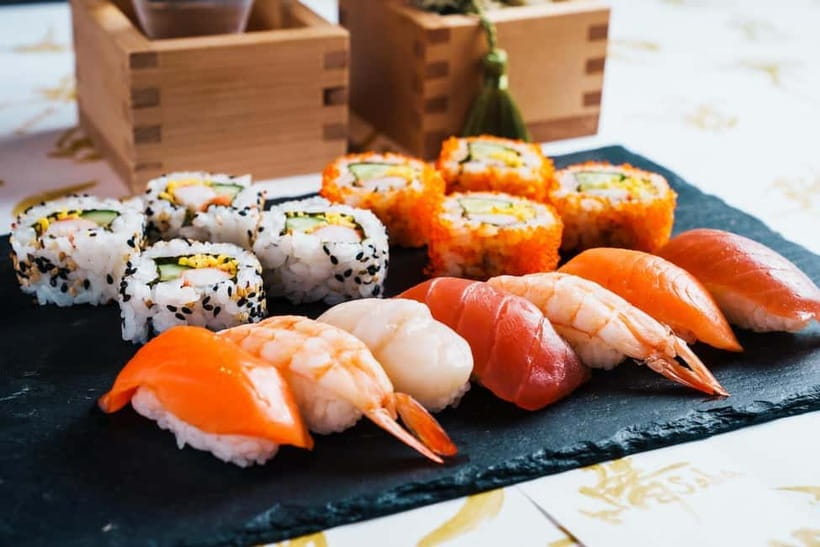
The amount of food is generous for a short activity. One class format produced six maki pieces and six nigiri pieces, enough to serve as lunch for many people. Exact portions may vary, but you should expect to make a substantial plate rather than a single sample.
The ingredients are included in the $45 price. That helps the value. You are paying for instruction, food, a central location, and a social experience, not just a small tasting.
Nigiri is the more delicate challenge
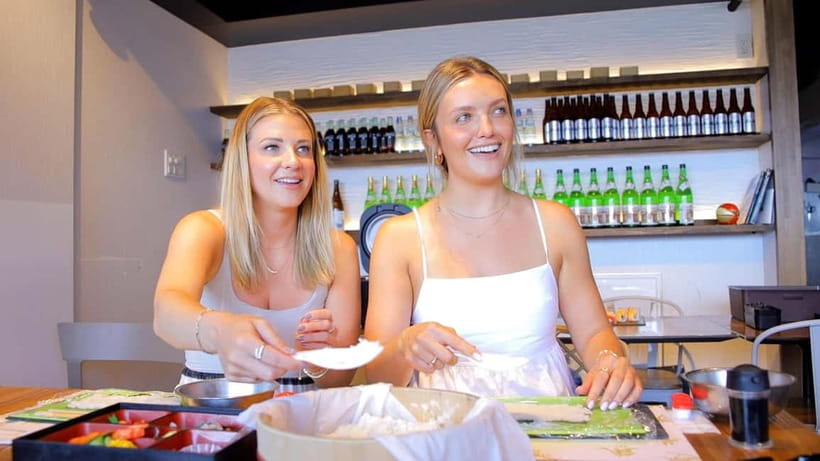
The second technique is nigiri, where rice is shaped by hand and topped with a piece of fish or another prepared ingredient. This is the part that gives the class its traditional feel. The shape looks simple, but the rice needs a light touch.
Your instructor demonstrates how to form the rice and place the topping. The repeated advice from the teaching style is clear: handle the rice gently and do not crush it. You will be shown the movements before trying them yourself.
Nigiri can feel harder than maki because there is nowhere to hide uneven shaping. That is also why it is satisfying. Once you place several pieces on your plate, you can see the difference between the two methods and understand why sushi chefs train their hands so carefully.
The class is designed for beginners. You do not need cooking experience, knife skills, or previous sushi training. The teachers adjust their explanations for the group, and several have been praised for patience with people who are not confident cooks.
Do not expect professional sushi-chef certification from this activity. You are learning the core movements and leaving with a recipe and a bit more confidence. That is the right level for a holiday class.
More Hands-On Workshops in Japan:
- Tokyo: Sushi Making Class in a Happi Coat near a Famous Spot
★ 4.9 · 1,377 reviews - Sushi Making Osaka Roll and Authentic Japanese Sushi Class
★ 5.0 · 1,220 reviews - Tokyo Sushi Making Class in Tsukiji with Professional Chef
★ 5.0 · 1,177 reviews - Ramen & Gyoza Cooking Class in Tokyo with Local Supermarket Visit
★ 5.0 · 823 reviews
The instructors make the difference
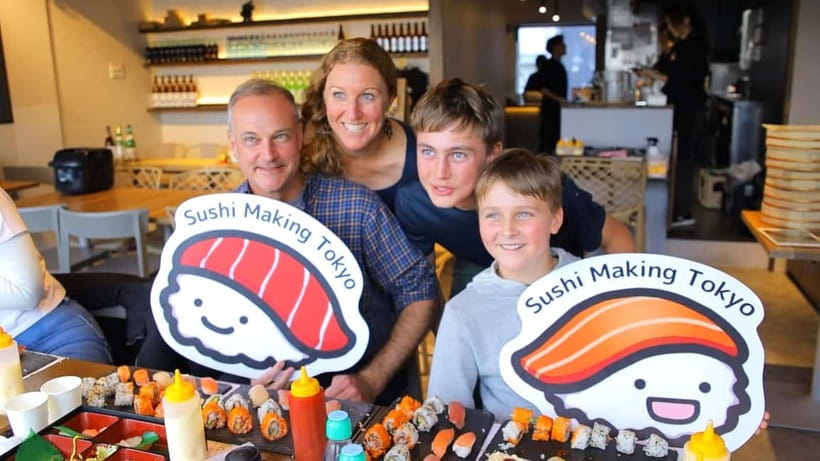
The strongest part of this experience is the teaching style. The instructors are not simply there to hand out ingredients and point to a video. They talk with you, answer questions, joke around, and keep the pace moving.
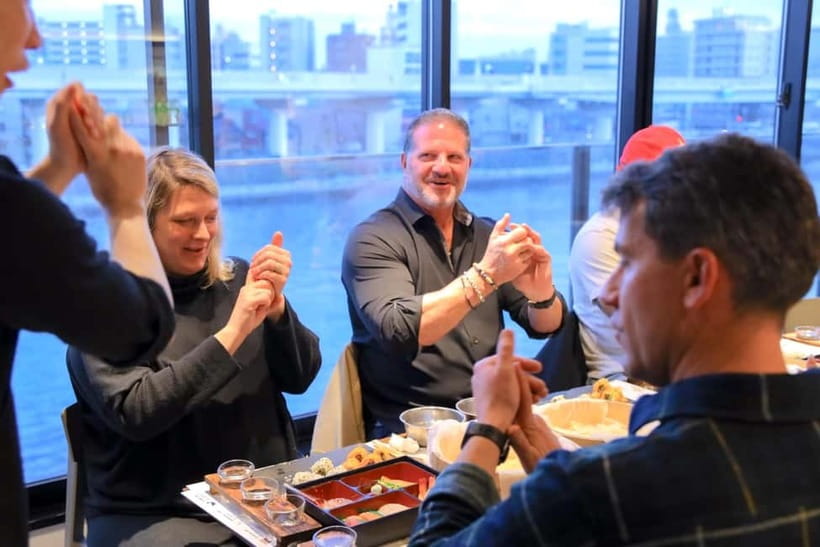
Shoki is known for adding energy and encouraging the class to be kind to the sushi while shaping it. Yui has been praised for clear teaching, while Takara is described as sweet and helpful. Rika, Fujiko, Reika, Miho, and Serai are also associated with friendly instruction and useful explanations.
Names matter here because the class feels personal. You are not being pushed through a silent demonstration. The instructors ask about food and travel, share local recommendations, and help you correct small problems as you work.
The atmosphere can be noisy and playful. The group may call out Hoi, hoi, hoi during the activity. If you want a quiet cooking lesson with long technical explanations, this may feel too energetic. If you like meeting people and laughing while you learn, the tone is a strong match.
The English instruction is another practical advantage. The class is built for international visitors, and the teachers use clear demonstrations alongside spoken directions. Pay attention during the first explanation. The class moves more smoothly when you follow the sequence instead of waiting for individual help at every stage.
Eating your own sushi completes the lesson
At the end, you eat what you made. That sounds obvious, but it changes the feel of the class. You are not practicing with disposable food and then watching someone else prepare the real meal. Your finished maki and nigiri become lunch.
The ingredients have been described as fresh and tasty, and the selection is broad enough to make the plate feel like a meal. The class also provides more than enough food for many participants. If you work carefully, you can enjoy the results instead of treating them as a rushed sample.
This is where the timing deserves attention. The full session lasts 100 minutes, and some people felt they had little time to eat after finishing the sushi. Another participant felt the class was rushed even though there was still some time left, which suggests that the schedule can feel tighter than it really is.
My advice is simple: listen closely during the demonstration, keep your work area tidy, and start making the pieces when the instructor does. Do not spend too long perfecting the first roll. The aim is to learn and enjoy the meal, not produce a restaurant display.
If the ingredient tray is collected before you finish, ask promptly if you still need something. One participant felt the tray was taken away too early, including condiments such as ginger and wasabi. This is a small point, but it can affect the final few minutes.
Dietary requests need early planning
The class can accommodate vegan, vegetarian, gluten-free, halal, and allergy-related menu changes. Meat, nuts, fruits, and dairy are listed as ingredients that are not used, but the operator still asks you to contact them when booking if you need a different menu.
The deadline is three days before the class. Same-day changes cannot be handled, and you cannot request specific individual ingredients. That means you should treat the dietary arrangements as a booking requirement, not a last-minute request.
Halal arrangements have worked well when requested in advance. This is useful for Muslim visitors, but you should still state your needs clearly at the time of reservation. The staff need notice to prepare the correct ingredient box.
Vegetarian and vegan participants should also make contact early. The class is flexible, but the menu is prepared ahead of time. Do not assume that mentioning a restriction when you arrive will be enough.
Is $45 a fair price in Osaka?
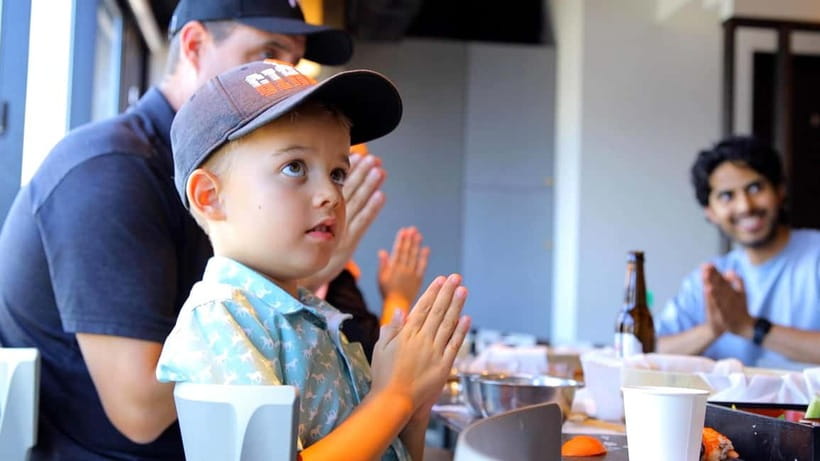
At $45 per person, the class is not the cheapest way to eat sushi in Osaka. You can find an inexpensive plate in the city for less. That comparison misses the point, though. Here you receive food, instruction, a cultural introduction, English support, and a guided activity in a central location.
The value is strongest if you want an experience you can remember and repeat at home. You make two styles, learn basic techniques, and leave with a better understanding of how maki and nigiri differ. The food also replaces a meal, so the extra cost is paying for the lesson and the setting.
For a couple, family, or small group, the price can be easier to justify because the class creates a shared activity. You are not simply sitting across from one another in another restaurant. You are working toward the same plate and comparing your results.
Solo participants get value from the social side. The instructors make a point of starting conversations, and the class brings together people from different countries. That can be a pleasant break from sightseeing alone.
The 4.9 rating from 239 reviews supports the idea that the class delivers what it promises, but the praise is not a reason to ignore the timing issue. You should book it for the teaching, food, and atmosphere, while accepting that the schedule is fairly active.
Who should book this class?
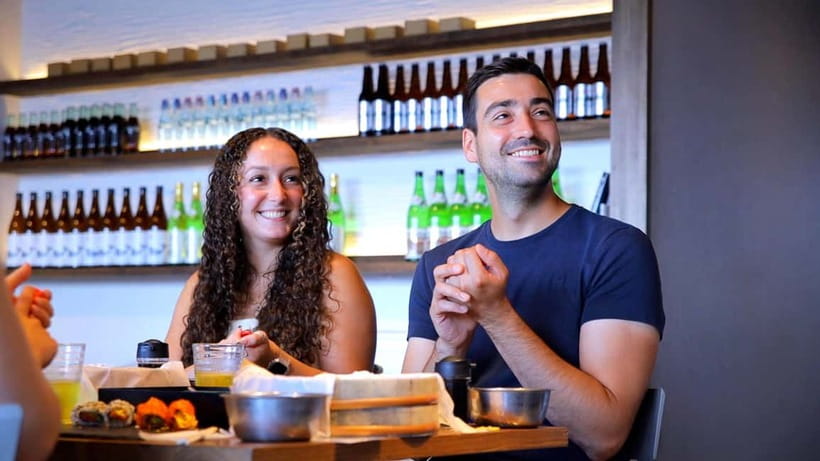
I would recommend it to first-time visitors who want one practical food experience in Osaka. It is also a good choice for couples, families, solo visitors, and groups looking for something more memorable than another restaurant meal.
Children are not specifically discussed in the available details, so families should confirm suitability before booking. The class is wheelchair accessible, but one participant noted that the elevator does not reach the workshop floor. If you use a wheelchair, check the exact access arrangements with the operator before paying.
This class suits you if you enjoy:
- Hands-on food activities
- Friendly group settings
- Short cultural introductions
- Learning simple techniques you can repeat at home
- Eating a full meal as part of the activity
- Staying near Shinsaibashi and Dotonbori
It may not suit you if you want a long, quiet culinary course, advanced knife work, or a lesson that prepares every ingredient from scratch. The class keeps the preparation focused on rolling, shaping, and eating.
Practical timing and booking advice
The class lasts 100 minutes, with starting times based on availability. Check the schedule against your Osaka plans rather than placing it between two tightly timed reservations. Give yourself time to find the Galleria Acca Building, since the entrance may not be obvious.
You can cancel up to 24 hours before the activity for a full refund, and the reserve-now, pay-later option keeps your schedule flexible. Those terms help if your Osaka days are still changing.
The meeting point is the third floor. The address is central, but hotel pickup and drop-off are not included. You need to make your own way to the building.
Book dietary changes at least three days ahead. Also, arrive ready to follow instructions from the start. The class is easy to follow, but it rewards people who keep pace.
Should you book the Osaka sushi class?
Yes, if you want an upbeat introduction to sushi that combines making, eating, and a little culture in one convenient session. The English-speaking teachers are the main reason this works so well. Their humor and patience turn a simple recipe lesson into a social memory.
The $45 cost is fair for a central Osaka activity that includes ingredients and a meal. Just allow for a brisk schedule, and do not expect a professional chef course. If you make your dietary needs known three days ahead and arrive with a few spare minutes to find the entrance, this is an easy class to add to a Dotonbori or Shinsaibashi day.
FAQ
Where does the sushi class take place?
The class meets on the third floor of the Galleria Acca Building, about five minutes on foot from Shinsaibashi Station. It is near Dotonbori and Shinsaibashi.
How long does the activity last?
The sushi-making activity lasts 100 minutes.
Is the class taught in English?
Yes. The instructor language is English, and the local staff guide you through the activity in English.
What types of sushi will I make?
You will make two styles: maki sushi rolls and authentic Japanese sushi in the nigiri style.
Do I need previous cooking experience?
No. The class is suitable for beginners, and the instructors demonstrate the techniques and guide you through each step.
Is food included in the price?
Yes. The cooking class, ingredients, and instructor are included. You eat the sushi you make during the session.
Can the menu accommodate dietary needs?
Vegan, vegetarian, gluten-free, halal, and allergy-related menu changes are available if requested at least three days in advance. Same-day changes are not accepted, and specific individual ingredients cannot be requested.
Is the activity wheelchair accessible?
The activity is listed as wheelchair accessible. The building has an elevator, but the elevator does not reach the workshop floor, so confirm the access details with the operator before booking.
Just added around Japan
- Vegan/Vegetarian Ramen and Gyoza by Bentoya cooking★ 5.0 · 59 reviews
- Ramen Making from Scratch with Tokyo Mom(Vegan Option Available)★ 5.0 · 39 reviews
- Shibuya Tokyo: Sushi Making Class (Vegan/Vegetarian/Halal)★ 4.7 · 29 reviews
- Ramen & Dumpling Cooking in Tokyo with Chef/Vegan possible★ 5.0 · 107 reviews
- Tokyo Haneda: Bento & Ramen Gyoza Cooking Class in a Local home★ 5.0 · 9 reviews
- Hands-on Japanese Cooking in a Shinjuku Home Kitchen with Satoru★ 5.0 · 19 reviews
- Near Fushimiinari: Kyoto Home Cooking Class & Supermarket tour★ 5.0 · 100 reviews
- Japanese Home Cooking Class & Walk in Todoroki Temple Tokyo★ 5.0 · 88 reviews
Japanese & Sushi Cooking Classes, compared.
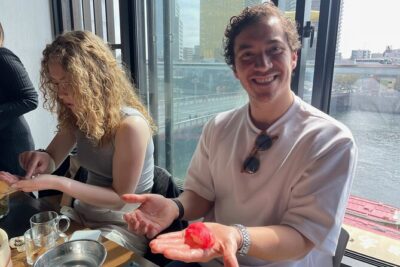
Sushi Making Tokyo Roll and Authentic Japanese Sushi Class
Read our review →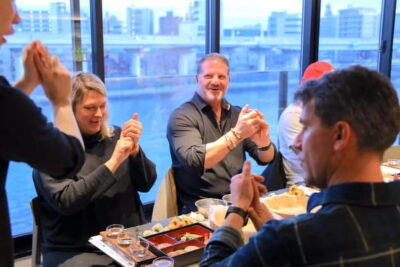
Tokyo: Roll and Authentic Sushi Making Class in Asakusa
Read our review →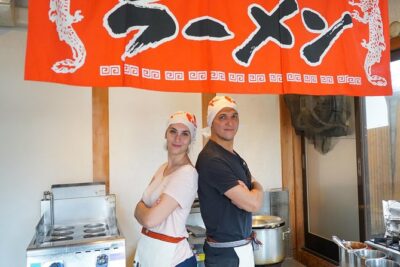
Ramen Cooking Class at Ramen Factory in Kyoto
Read our review →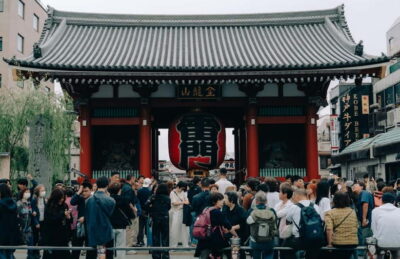
Tokyo: Sushi Making Class in a Happi Coat near a Famous Spot
Read our review →
Sushi Making Tokyo! Popular Maki Sushi & Japanese Sushi(+Recipe!)
Read our review →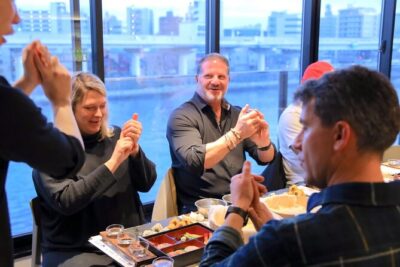
Sushi Making Osaka Roll and Authentic Japanese Sushi Class
Read our review →
Tokyo Sushi Making Class in Tsukiji with Professional Chef
Read our review →
Ramen & Gyoza Cooking Class in Tokyo with Local Supermarket Visit
Read our review →Browse the lists this tour appears in