
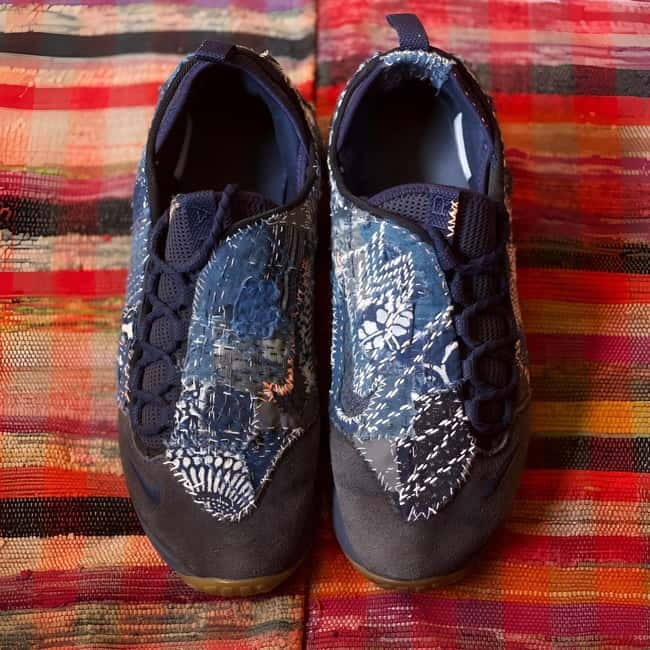
Review · OSAKA
Osaka: Sashiko Japanese Craftsmanship Workshop
Sashiko turns simple running stitches into neat geometric art, and this Osaka workshop lets you try the craft rather than just admire it in a shop window. I like the small groups of up to eight, which leave room for personal help, and I like that you finish with a useful handmade coaster instead of a project that disappears into a drawer. The calm setting also suits a quiet break from Osaka’s busy streets.
The main thing to consider is time. Two hours is enough for a welcoming introduction and a small project, but not for mastering every pattern or producing a large textile. You’ll also need to arrange your own way to the venue, although advance notice may allow a meeting arrangement at Kyobashi Station.
Key points at a glance

- A real hands-on craft lesson: Learn basic Sashiko stitches and use them to make geometric textile art.
- A small class: Groups are limited to eight, so you can ask questions and receive help while sewing.
- A handmade Osaka memento: Take home your own Sashiko coaster or similar small piece.
- A calm, historic setting: The workshop takes place in an old house with wooden stairs and visible framework.
- Helpful instruction in English or Japanese: Jun, also listed as June, leads the teaching, and Nene has also taught a session.
- A useful shopping corner: Browse JunAle original goods, sewing kits, hand-dyed threads, and clothing, with cash discounts available.
Why Sashiko makes a good Osaka activity
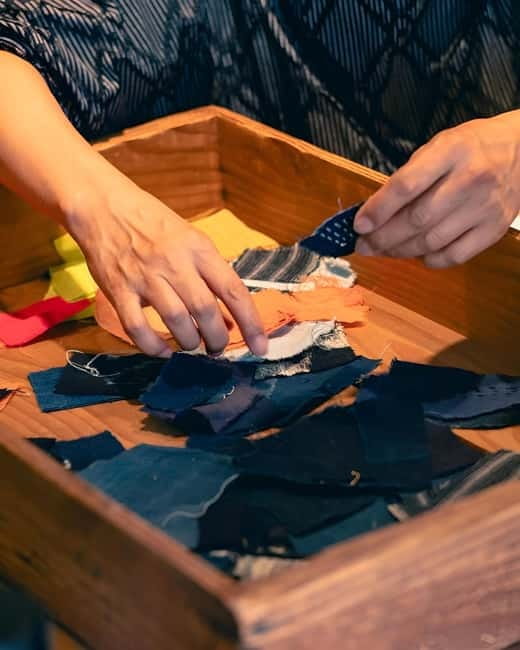
Sashiko means little stabs, a plain name for a craft with a clear visual rhythm. The technique uses repeated stitches to create patterns on fabric. The look can be delicate, but the original purpose was practical: people used Sashiko to repair, strengthen, and insulate clothing.
The craft developed during Japan’s Edo period, from 1603 to 1868. Rural families, farmers, and fishermen used it to make worn garments last longer and provide more warmth in cold weather. Over time, useful repair work became an art form, with different parts of Japan developing their own patterns and meanings.
That background gives the workshop more substance than a basic sewing class. You are not simply copying shapes onto cloth. You are learning how a humble repair method became an important part of Japanese craft culture.
I also like the scale of the finished project. A coaster is small enough to complete in two hours, but large enough to show your stitching clearly. It gives you a fair chance to learn the basics without leaving with a half-finished ambition.
More Sushi and Japanese Classes in Osaka:
- Sushi Making Osaka Roll and Authentic Japanese Sushi Class
★ 5.0 · 1,220 reviews - Osaka Sushi Making Experience
★ 5.0 · 400 reviews - Osaka: Ramen and Gyoza Cooking Class in Dotonbori
★ 5.0 · 378 reviews
Starting with the story, tools, and first stitches
The session begins with an introduction to Sashiko’s history and purpose. You’ll learn how the craft moved from clothing repair to decorative textile work, along with some of the ideas linked to its geometric motifs.
The instructor then demonstrates the basic stitching technique. Materials and tools are supplied, including fabric, needles, thread, and Sashiko-specific items. That matters if you are visiting Japan with limited luggage, since you do not need to buy equipment before class.
The first stitches may look simple, but even spacing takes attention. You’ll need to guide the needle at a steady pace and keep the pattern tidy. This is where the small group format helps. With a maximum of eight people, you can ask for a correction before a small mistake spreads across the fabric.
Instruction is offered in English and Japanese. Jun is named as the main instructor, and one session was taught by Nene, who had lived in Melbourne and was comfortable with an Australian accent. That detail may reassure you if you worry about following a craft lesson in another language.
Making a geometric Sashiko coaster
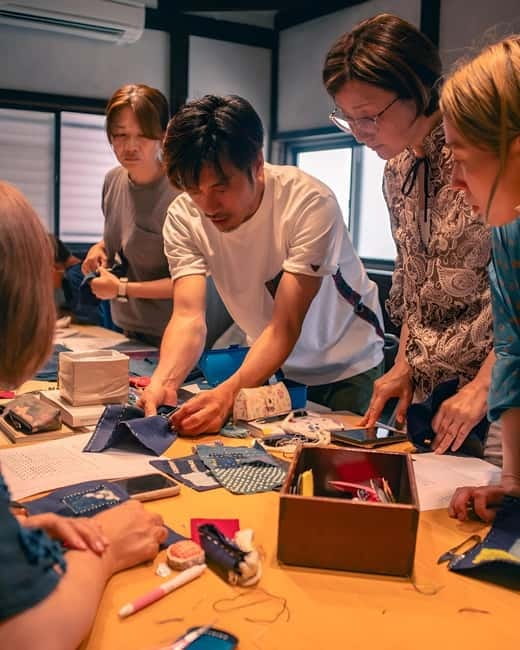
After the demonstration, you begin your own piece. The project centers on a coaster with a geometric pattern, giving you a manageable area for practicing the stitch.
The work is repetitive in a good way. Once your hands understand the motion, the steady rhythm can feel quiet and meditative. You still need to pay attention, but you are not racing through a long list of instructions or moving from one activity to another.
Your finished piece will show your own hand. Sashiko patterns depend on regularity, yet a beginner’s work will not look exactly like a factory-made item. That is part of the value. The coaster records your first attempt at a Japanese textile technique and can serve as a practical reminder of your time in Osaka.
The pace can vary. If you sew quickly or already have experience with handcrafts, you may finish ahead of schedule. Nene gave an additional stitch to a group of keen sewers who completed their main work early. If you are new to sewing, you can use the time to work more slowly and ask for help.
Do not expect a large finished textile or an advanced mastery of Sashiko in one class. The two-hour format is best understood as a strong introduction. You learn enough to continue practicing later, but the craft clearly has more depth beyond this first project.
A quiet old-house setting
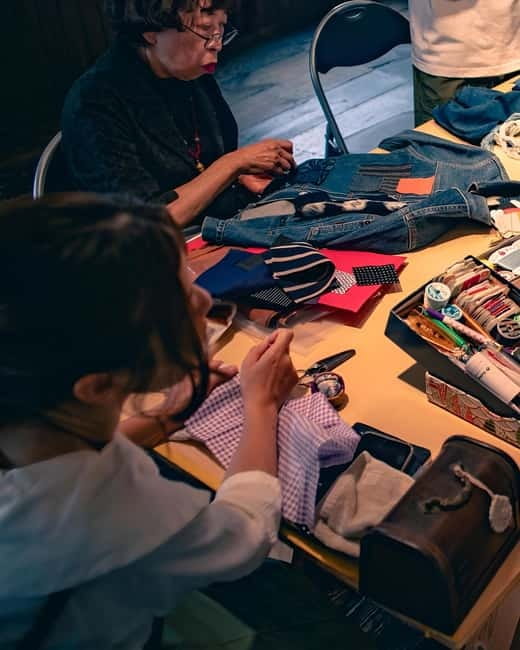
The setting adds character to the class. One account describes the workshop space as part of an old house, with wooden stairs and visible framework. That kind of setting fits the craft well. Sashiko began with everyday Japanese clothing and household needs, so working in an older building feels more fitting than learning in a polished modern room.
The atmosphere is described as open, friendly, and homelike. That does not mean the class is unstructured. You still receive a demonstration, materials, and guidance. It simply suggests that the focus is on making and learning rather than rushing through a tightly packed tourist schedule.
The workshop is also a useful change of pace if your Osaka plans are heavy on food, shopping, and major sights. You sit down, work with your hands, and give your attention to one small pattern. I would especially consider it for a rainy afternoon or for a day when you want a quieter cultural activity.
The studio is easy to reach by train according to the supplied visitor details, and advance notice may allow you to meet at Kyobashi Station. Since transportation is not included, check the exact meeting instructions when booking and allow time to find the venue.
More Hands-On Workshops in Osaka:
- Osaka Cooking Class: Okonomiyaki &Japanese cuisines experience
★ 5.0 · 261 reviews - Osaka: Roll and Authentic Sushi Making Class in Dotonbori
★ 4.9 · 239 reviews - Ramen and Gyoza Cooking Class in Osaka
★ 5.0 · 202 reviews - Osaka: Cooking Class Ramen & Gyoza Course in Nanba
★ 4.9 · 86 reviews
What the price includes at $67

At $67 per person, this is not the cheapest short activity in Osaka. The value depends on what you want from your two hours.
You are paying for instruction, materials, a completed textile item, and cultural background. If you were to buy fabric, thread, needles, and the right tools separately, you would spend money on supplies that may not fit easily into your trip. Here, you can try the craft first and decide later if you want to continue.
I also see value in the finished object. A small coaster is not a major souvenir, but it is personal. You made it while learning about a Japanese tradition, and it takes up almost no luggage space.
The price makes less sense if you are looking only for a quick craft demonstration or a polished souvenir made by an expert. The point is participation. You should book this because you want to stitch, not because you expect to watch someone else create the perfect piece.
Cash-paying customers can receive discounts in the nearby JunAle shopping corner. The corner carries original JunAle goods, sewing kits, hand-dyed threads, and clothing. The available information does not give specific prices, so treat it as an optional browse rather than part of the main value calculation.
A class for beginners, families, and keen sewers
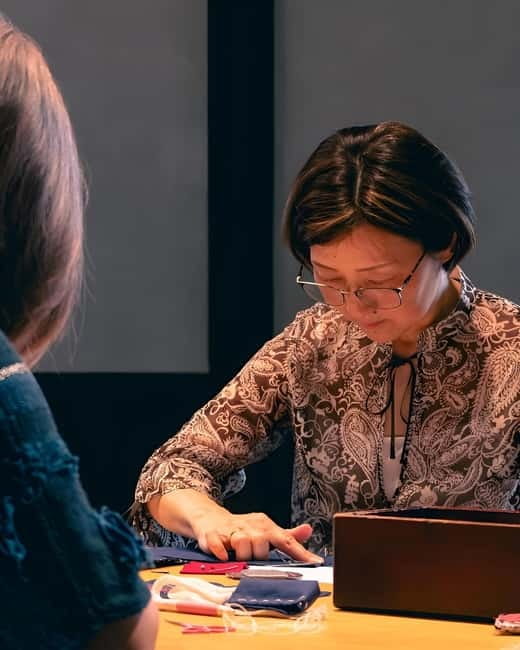
You do not need previous sewing experience. The workshop is designed for complete beginners, and the small coaster project gives you a sensible first goal.
It also suits people who already sew or embroider. Experienced participants can move faster and may have time to try an additional stitch. You should tell the instructor about your experience so the session can be adjusted where possible.
The activity works well for families with older children and teens, though the provided information does not set a minimum age. One group attended with teenagers and enjoyed the class together. If you are considering it for younger children, confirm age suitability before booking.
I would also recommend it for a couple, a small group of friends, or a solo visitor who enjoys quiet creative work. The group size is limited to eight, so you are likely to share the table with other people who came to make something rather than simply take photographs.
The workshop is wheelchair accessible. You should still confirm the exact access arrangements at the venue when booking if you need specific support, since the available details do not describe every part of the building.
What makes the instruction useful
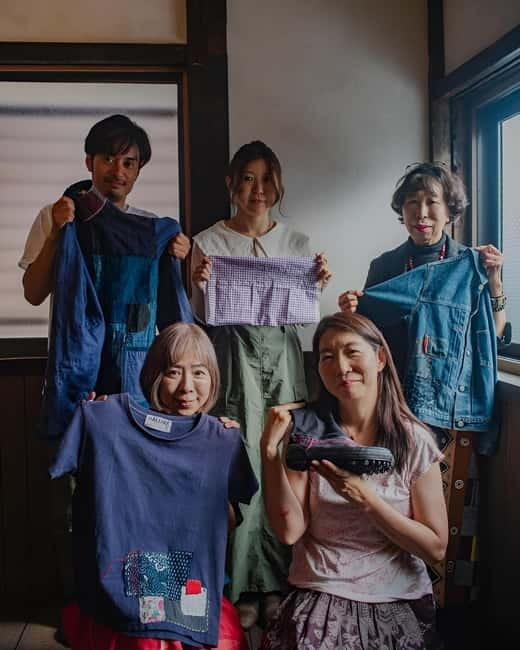
Good craft teaching is not only about showing the motion. It is about explaining why the motion matters. Here, the instruction connects the basic stitch to the larger story of Sashiko, including the symbolism and regional variety of its patterns.
Jun is described as patient and supportive, and the teaching style appears suited to people who want encouragement rather than pressure. That is important with hand stitching. If your spacing is uneven at first, you need an instructor who can help you improve without making the class feel like an exam.
The workshop also lets you see finished Sashiko work. One account describes viewing Jun’s artwork after the sewing session. That gives you a useful sense of where the basic stitches can lead, especially if you leave wanting to make more pieces at home.
The class is taught in English and Japanese, but language ability can vary from one instructor to another. The available details support English instruction, though you should ask specific questions before booking if you need detailed technical explanations.
The optional JunAle shopping corner

The small shopping area beside the workshop gives you a chance to continue the craft after class. You may find sewing kits, hand-dyed threads, clothing, and JunAle original goods.
This is a practical stop if you finish your coaster and want supplies for another project. Buying materials from the workshop also lets you keep working with the type of thread and tools you used during the lesson.
I would set a budget before browsing. A craft shop can make it easy to buy more than planned, especially after you have just learned how enjoyable the technique can be. Cash discounts are available, but the exact discount is not specified, so ask before paying.
The shopping corner is optional. You do not need to purchase anything to complete the workshop or take home your handmade piece.
Timing, cancellation, and the solo booking rule
The class lasts two hours, with starting times based on availability. That makes it fairly easy to fit between other Osaka plans, but I would avoid placing it immediately before a timed reservation. Finding a small workshop can take longer than reaching a major station attraction.
You can cancel up to 24 hours in advance for a full refund. The reserve-now, pay-later option also helps if your schedule is still changing.
There is one important point for solo bookers. The workshop aims not to charge extra, but it requires a minimum of two participants. If that minimum is not met, you may be offered another date, asked to pay a 3,000 yen solo supplement, or given a full refund.
If you are booking alone, read the confirmation carefully and keep your schedule flexible. This rule is not a reason to avoid the class, but it is something you should know before building a whole day around it.
Who should book the Sashiko workshop?
I would choose this activity if you want:
- A cultural activity that involves making something with your own hands
- A calm break from Osaka’s faster sightseeing pace
- A small, lightweight souvenir with a personal story
- An introduction to Japanese embroidery or textile repair
- A class suitable for beginners and experienced sewers
- A friendly small-group setting rather than a large demonstration
I would skip it if you want a major attraction, a long workshop with advanced techniques, or a large finished textile. The class gives you a taste of Sashiko and the tools to continue, not a complete course in every regional pattern.
Should you book it?
Yes, if you like crafts, hand sewing, or quiet cultural activities. At $67, the strongest value comes from the combination of instruction, supplied materials, a finished coaster, and the chance to understand why Sashiko matters in Japanese life.
The most useful way to think about this workshop is as a practical introduction. You will leave with a small object, but also with enough knowledge to recognize the discipline behind the pattern and perhaps continue at home. Book it for the process, the calm setting, and the personal souvenir. Do not book it expecting a polished professional textile or an advanced course in two hours.
FAQ
Where does the Sashiko workshop take place?
The workshop takes place in Osaka on Honshu, Japan. With advance notice, you may be met at Kyobashi Station.
How long does the activity last?
The workshop lasts two hours. Starting times depend on availability.
What is included in the price?
The $67 price includes fabrics, needles, threads, other necessary tools, instruction, cultural information, and a completed Sashiko project such as a coaster.
Can beginners join?
Yes. The workshop is designed for complete beginners as well as people with previous sewing or handcraft experience.
Is the class taught in English?
Yes. Instruction is available in English and Japanese. The main instructor is listed as Jun or June, and Nene has also taught a session.
How many people are in the group?
The class is limited to eight participants.
Is the workshop wheelchair accessible?
Yes, the activity is listed as wheelchair accessible.
What happens if I book alone and the minimum group size is not met?
You may be offered another date, asked to pay a 3,000 yen solo supplement, or given a full refund.
Just added around Osaka
- Okonomiyaki&Takoyaki for Families:Osaka Street Food Festival★ 5.0 · 4 reviews
- Osaka: Sushi Making in Spacious Studio (SAME-DAY OK!)★ 5.0 · 75 reviews
- Osaka: Sushi Making Class and Dotonbori Food Tour★ 4.7 · 3 reviews
- Osaka Sake Tasting with Takoyaki Cooking★ 5.0 · 156 reviews
- Osaka Okonomiyaki Cooking Experience for Families & Groups★ 4.9 · 8 reviews
- Osaka Dotonbori: Sushi Making Experience★ 4.9 · 122 reviews
- Osaka: Okonomiyaki Cooking Class with Beer or Soft Drink★ 4.9 · 9 reviews
- Osaka: Gluten-Free Ramen and Gyoza Cooking Class★ 5.0 · 42 reviews
Japanese & Sushi Cooking Classes, compared.
Sushi Making Tokyo Roll and Authentic Japanese Sushi Class
Read our review →
Tokyo: Roll and Authentic Sushi Making Class in Asakusa
Read our review →
Ramen Cooking Class at Ramen Factory in Kyoto
Read our review →
Tokyo: Sushi Making Class in a Happi Coat near a Famous Spot
Read our review →
Sushi Making Tokyo! Popular Maki Sushi & Japanese Sushi(+Recipe!)
Read our review →
Sushi Making Osaka Roll and Authentic Japanese Sushi Class
Read our review →
Tokyo Sushi Making Class in Tsukiji with Professional Chef
Read our review →
Ramen & Gyoza Cooking Class in Tokyo with Local Supermarket Visit
Read our review →Browse the lists this tour appears in