
Review · TOKYO
Tokyo: Tsukiji Fish Market Sushi Making Class with Pro Chef
The best part of this Tsukiji sushi class is that you do not simply watch a chef work. You handle the rice, fish, knives, and bamboo rolling mat yourself, then sit down to eat what you made. The class also includes a fish-preparation demonstration, so you see how sushi begins before it reaches the plate.
I like the use of fresh Tsukiji ingredients and proper local utensils. I also like the small, friendly teaching style, with English-speaking hosts such as Yuko, AJ, Satoko, and Ike helping the chef explain each step. The main drawback is practical: the classroom is on the third floor of a traditional building with stairs only, and the session may run beyond its scheduled finish.
Key points to know before booking
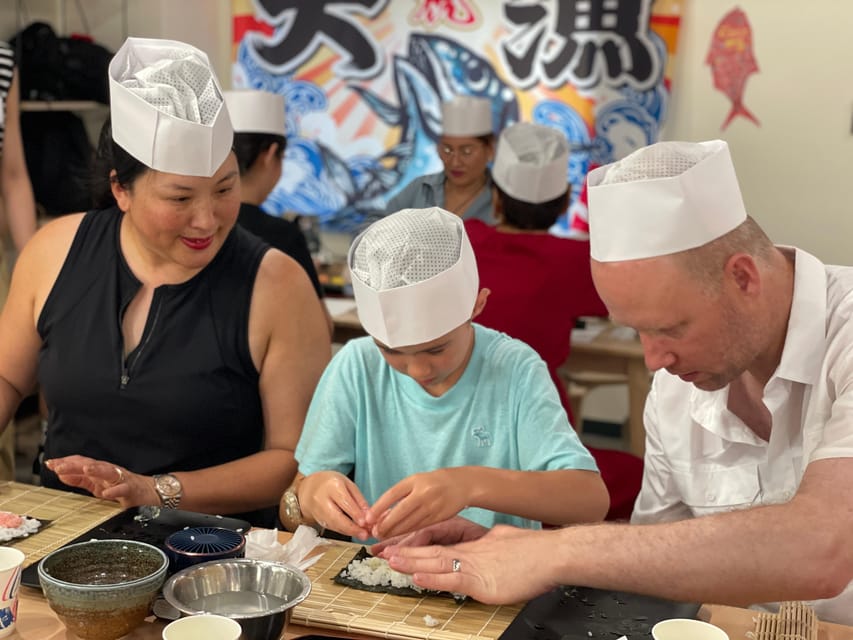
- You make five pieces of sushi: four different nigiri and one maki roll, then eat them with tea and soup.
- A professional sushi chef leads the hands-on work: chefs named Tanaka, Kate, Koro, Kana, and Ike have taught recent classes.
- Fish preparation is part of the lesson: you watch the chef explain how fish is cut for sushi and sashimi.
- The class sits inside Tsukiji Outer Market: you can pair it with market browsing before or after, though market guidance depends on the option booked.
- The teaching is in English: a host interprets and helps you follow the chef’s instructions.
- The setting is not fully accessible: you must manage stairs, and the activity is not suitable for wheelchair users, vegans, or vegetarians.
Why this Tsukiji class works so well
Sushi can look simple until you try to shape it. A small rectangle of seasoned rice, a slice of fish, and a little wasabi leave very little room to hide mistakes. This class gives you a friendly way to learn what the chef’s hands are doing, rather than treating sushi as a mysterious performance behind a counter.
The setting matters. You meet in a traditional Japanese-style room in a local building at the center of Tsukiji Outer Market. It is not a large cooking studio built for spectacle. You climb stairs, take a seat, put on the provided hat, and work with the same general tools and tableware used for the lesson.
The class has earned a 4.9 rating from 506 bookings, and the praise is consistent in the areas that matter most: clear instruction, fresh food, patient staff, and an enjoyable atmosphere. That does not mean every moment will suit every person. If you want a quiet, formal sushi meal, this is too hands-on. If you want to understand how sushi is made and eat a generous lunch or breakfast of your own work, it is a strong choice.
More Market Tour Cooking Classes in Japan
- Tsukiji Fish Market Guided Tour and Sushi Making with Pro Chef
★ 5.0 · 775 reviews - Tokyo Tsukiji Fish Market Tour and Sushi Making Lesson
★ 5.0 · 390 reviews - Tokyo Washoku 4-hour Cooking Class: From Market to Table
★ 5.0 · 253 reviews
Meeting the chef above the market
Your meeting point can change depending on the option you book, so read the final instructions carefully. The classroom is in the Tsukiji area, but a market walk may be included only with certain versions of the activity. Do not assume that every booking includes a guided tour through the market.
The room is on the third floor, reached by stairs in a traditional building. That gives the class a local feel, but it also creates a clear limitation for anyone with mobility concerns. Children under four are not accepted, and the activity is not suitable for wheelchair users or people who cannot manage stairs.
Once inside, an English-speaking host helps bridge the gap between you and the sushi master. Names can vary by session, but instructors and hosts have included Yuko, AJ, Satoko, Ike, Shoko, Tack, and others. The useful thing is not the particular name on the schedule. It is having someone who can translate the chef’s explanation, repeat instructions, and make sure you are not left guessing.
Recent classes have ranged from intimate groups of about six to family groups and small parties. A smaller group gives you a better chance to ask questions and receive corrections while shaping the sushi. For a cooking lesson, that personal help is worth more than a grand room or a long list of dishes.
First lesson: fish, knives, and the work behind sushi
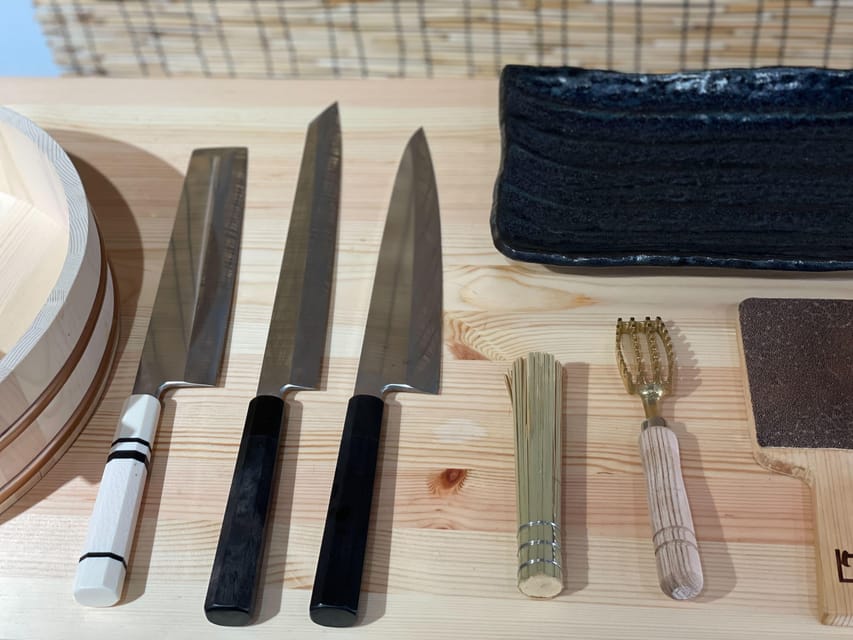
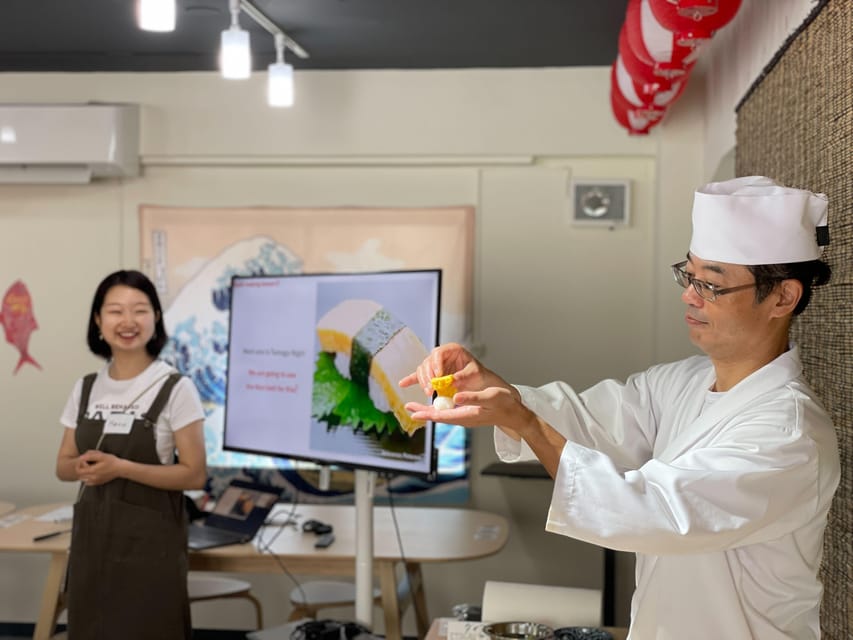
The class begins with a demonstration of fish being disassembled and prepared. The chef explains the steps needed to turn a whole piece of fish into cuts suitable for sushi or sashimi. You also learn about Japanese knives, an important detail because knife work affects texture, shape, and presentation.
This is one of the more useful parts of the class. Many sushi lessons begin with ingredients already cut and arranged. Here, you get some sense of the preparation that normally happens out of sight. You may not leave ready to break down a whole fish at home, but you will better understand why sushi chefs train for years.
The chef also explains what sushi is and how different forms are made. The lesson covers nigiri, in which fish sits on shaped rice, and maki, the rolled form wrapped with seaweed. The distinction sounds basic, but it helps you see that sushi is not one single dish. Each type calls for a different method and a different touch.
The hosts add cultural context along the way. Some sessions have included talk about the history of sushi, how to eat it, and the small blessing before eating. One market walk has also included nearby shrines and an explanation of religious customs. These additions depend on the class or tour option, but they help connect the food to daily Japanese culture.
Shaping four nigiri pieces
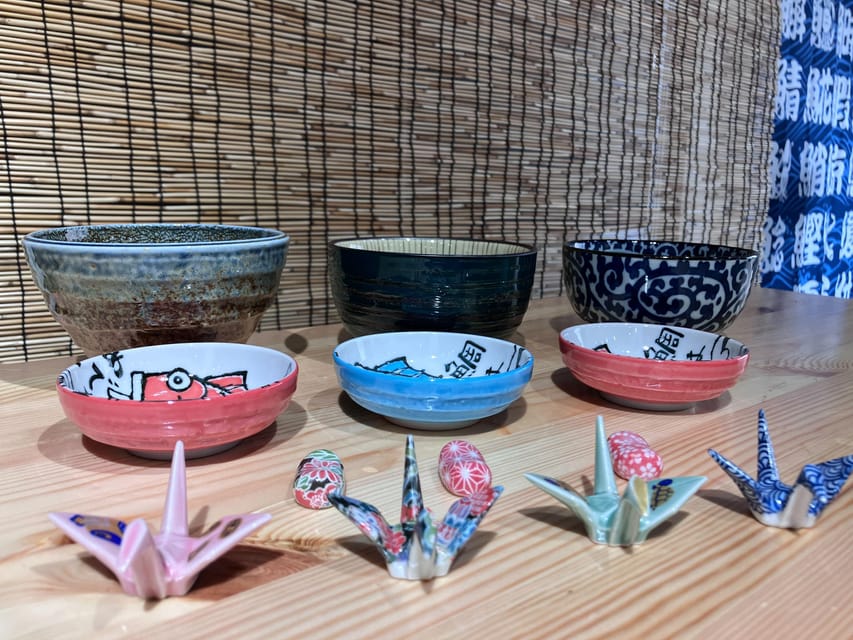
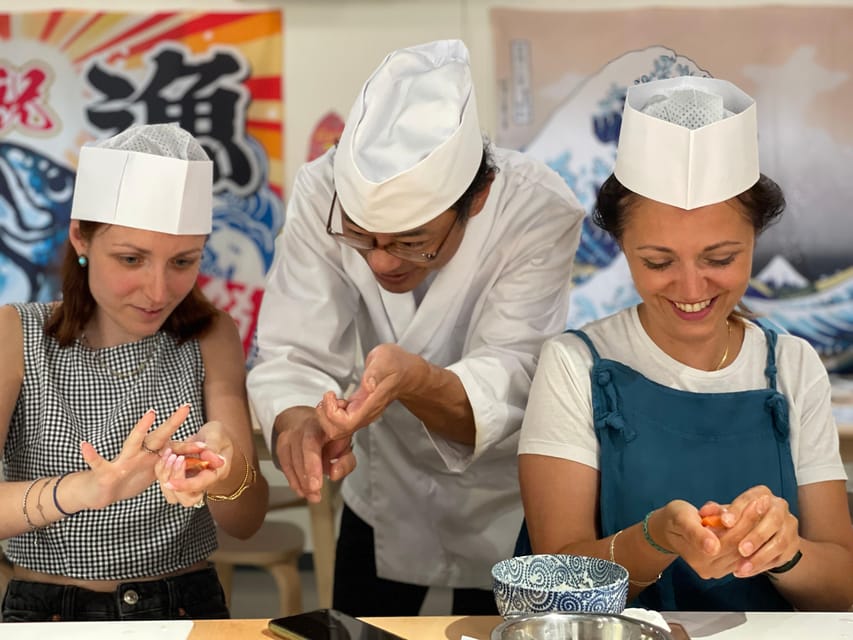
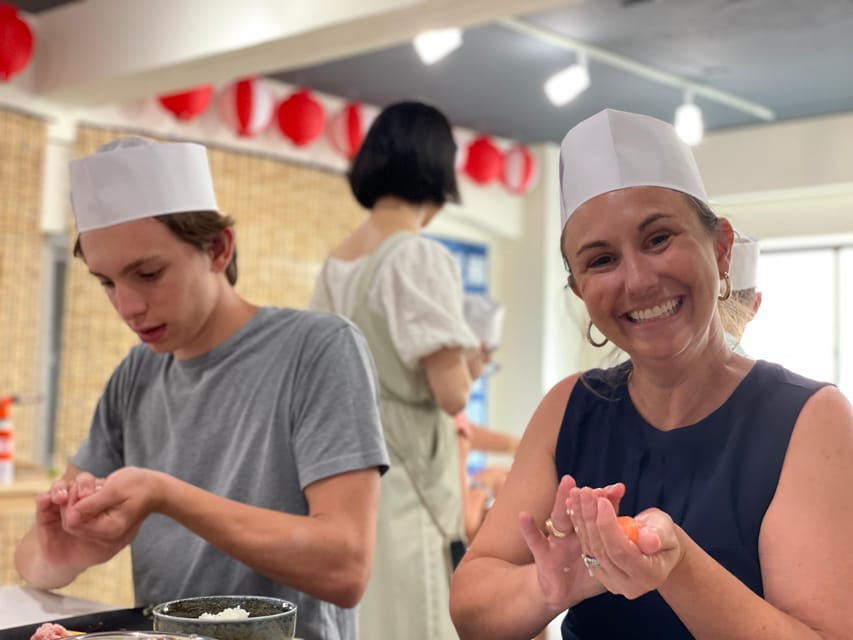
The hands-on lesson is built around four different nigiri sushi. The chef shows you how to portion the rice, form it without crushing it, place the fish, and add the right amount of wasabi. Then you copy the movement yourself.
Do not expect your first piece to look exactly like the chef’s. That is part of the fun. The chef’s fingers work quickly because years of practice have made each movement precise. You are learning the basic shape and balance, not trying to match a professional who can prepare sushi at speed.
The teaching is designed for beginners. Instructions are shown step by step, and the host helps explain the details in English. Several class descriptions praise the patience of the staff, especially when children or first-time cooks need extra help. You can ask questions and receive feedback instead of simply copying from a distance.
The sushi is made to be eaten during the session. You are not taking home a box of leftovers, so the focus stays on technique, taste, and presentation. That also means you can notice how the rice feels when it has been shaped properly and how the fish sits on top.
Same place, a different menu:
- Sushi Making Tokyo Roll and Authentic Japanese Sushi Class
★ 5.0 · 3,971 reviews - Tokyo: Roll and Authentic Sushi Making Class in Asakusa
★ 4.9 · 1,957 reviews - Tokyo: Sushi Making Class in a Happi Coat near a Famous Spot
★ 4.9 · 1,377 reviews - Sushi Making Tokyo! Popular Maki Sushi & Japanese Sushi(+Recipe!)
★ 5.0 · 1,314 reviews
Rolling one maki sushi
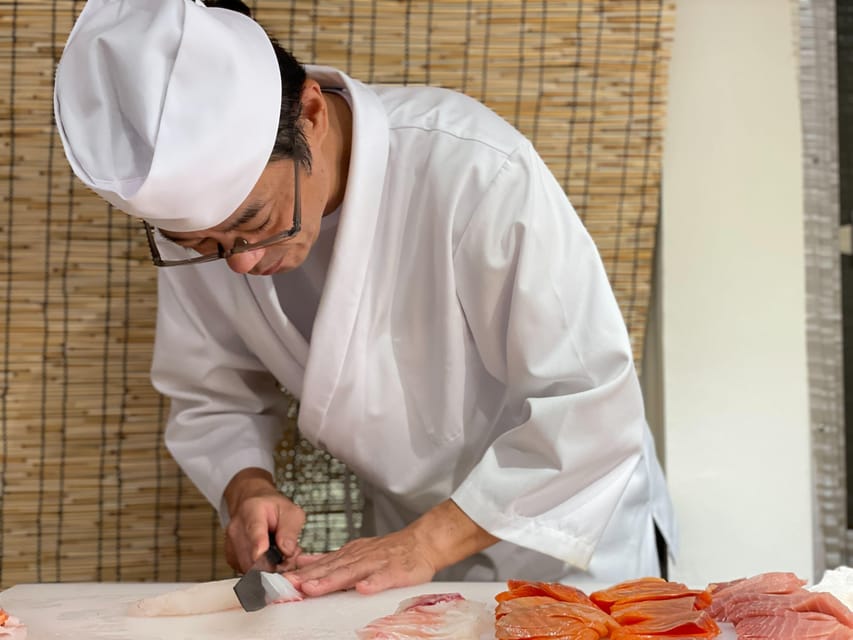
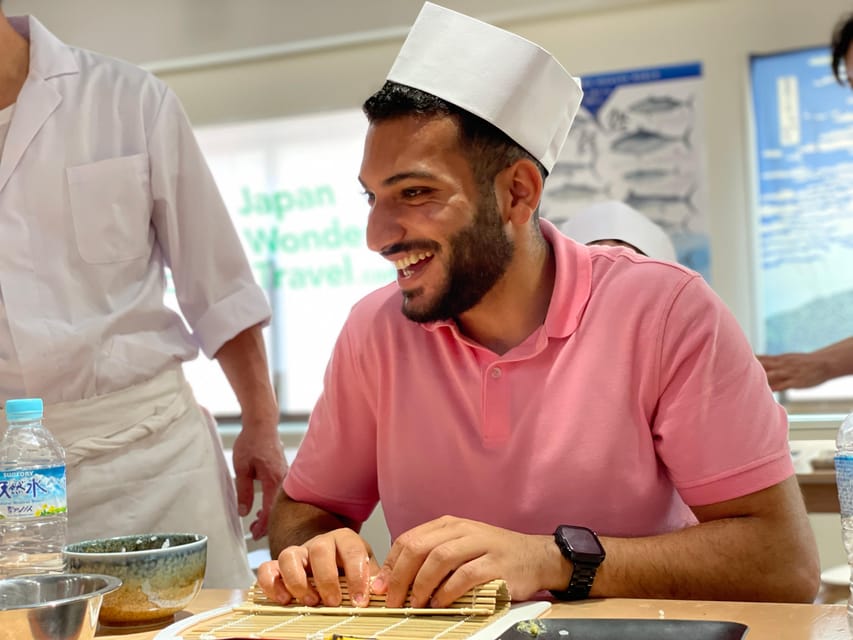
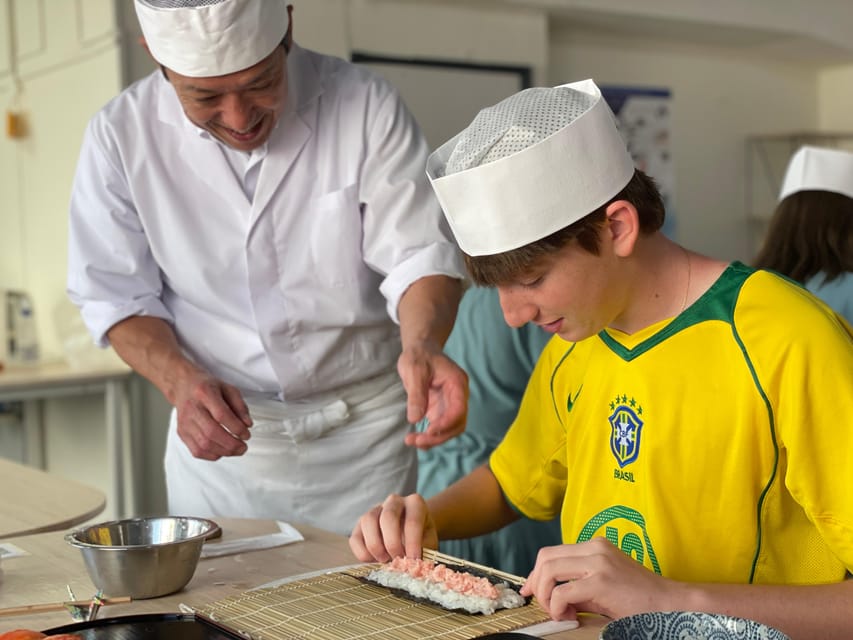
After the nigiri, you make one maki roll. The bamboo mat and seaweed introduce a different kind of control. You need to spread the rice, arrange the filling, roll it firmly, and cut it without squeezing the center out.
For many people, the maki is the easier form to recognize from home sushi kits, but it still takes practice. The class gives you a basic method you can repeat later. One of the most useful outcomes is that you leave with enough skill to try simple sushi at home, provided you can find suitable ingredients.
The lesson stays fairly basic, and that is worth saying plainly. This is not a professional certification course or a master class in advanced knife technique. You learn a practical introduction to nigiri and maki, with some fish preparation and cultural background added. For a first sushi lesson, that balance makes sense.
Families can take part, but children need to pay attention and follow instructions around food and utensils. The supplied information sets the minimum age at four, while one recent booking found the class especially suitable for children around six or seven and older. Use your judgment based on your child’s ability to listen and work calmly.
Eating your own work with the chef’s sushi
Once the sushi is ready, you eat the pieces you made. The chef also prepares additional sushi for you, including a piece with freshly prepared wasabi. This gives you a useful comparison. Your sushi may taste good, but the chef’s speed, shape, rice pressure, and balance show what years of repetition can do.
That comparison is a nice touch. A cooking class can leave you wondering how close you came to the real thing. Here, the chef puts a professional version beside your own. You can see the difference without feeling that your effort was a failure.
Traditional dashi soup and fine green tea are included. They make the meal feel more complete and give you a better sense of how the sushi is served in Japan. Extra food and drink are not included, so do not treat the class as an unlimited meal.
The amount of sushi is a strong point for the price. At $63 per person, you receive instruction from a professional chef, ingredients, utensils, the five pieces you make, extra sushi from the chef, soup, tea, and a hat. The value is best if you care about learning and eating in the market district. If you only want the cheapest possible lunch, a restaurant will cost less.
Tsukiji before or after the lesson
The classroom sits directly in the Tsukiji Outer Market, making it easy to build the class into a morning or afternoon in the district. You can browse food shops before or after, look for snacks, and compare the raw ingredients with what you handled in the lesson.
A market walk may be included in some options. Several recent sessions have featured guides such as Tack, Sean, Shoko, and AJ, who explained fish, other foods, the area, and nearby shrines. But the standard activity details say that guidance through the market is not included, so check the option before paying extra for a market tour you expect to receive.
Location is one of the main reasons to choose this class over a cooking studio elsewhere in Tokyo. You are not studying sushi in a disconnected classroom. You are learning in the neighborhood most closely tied to Tokyo’s fish trade and then have the chance to explore the surrounding stalls.
Tsukiji is also a busy food district, so leave room in your plan if you want to browse. The class may finish later than the scheduled end, and the activity provider asks you to mention any appointment or fixed plan afterward. I would not book this directly before a train, show, or timed museum entry.
Dietary needs, stairs, and other practical limits
This is a fish-focused activity, not a flexible cooking class for every diet. Vegans and vegetarians should not book it, and the operator does not accommodate halal, kosher, or gluten-free requests as a general rule. Allergy requests may be considered, but they are not guaranteed, so contact the provider before reserving and give clear details.
The stair issue deserves attention. The room is on the third floor, with no elevator mentioned. People with mobility impairments and wheelchair users should choose another food activity.
The class is family-friendly within those limits. Children under four are not accepted, and older children can enjoy it if they can listen, wait their turn, and handle the lesson calmly. The supplied hat, hands-on shaping, and final meal give children something active to do, rather than asking them to watch a long demonstration.
The duration is listed as 90 minutes to four hours because different options may include different schedules or a market walk. Check the start time and length when you choose. English is the listed teaching language, with the host helping interpret the chef.
Cancellation is free up to 24 hours before the activity for a full refund. You can also reserve and pay later, which is useful when your Tokyo schedule is still changing.
Who should book this sushi class?
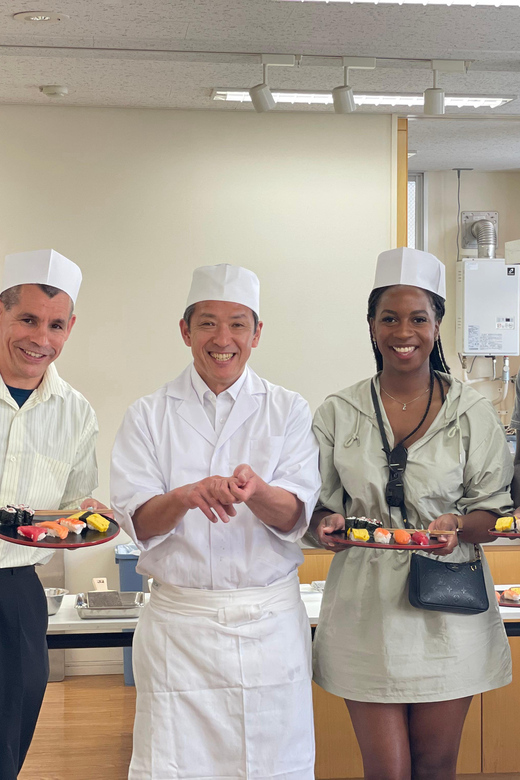
I would choose this for a first visit to Tokyo if you want a food activity that is social, practical, and tied to a real neighborhood. It suits couples, friends, solo visitors, and families with older children. The small-group format gives you room to ask questions, and the cooking is simple enough for complete beginners.
It is also a good pick if you are unsure about raw fish. One participant who normally avoids it found the freshness and preparation reassuring. The class does not remove every concern, but seeing the ingredients handled and learning how sushi is prepared can make the meal feel less mysterious.
Sushi fans should keep their expectations in check. You will not become a sushi master in 90 minutes, and the lesson does not promise advanced chef training. What you get is a clear introduction to the basic forms, a close look at fish preparation, and a meal you helped create.
I would skip it if your main goal is a guided market tour, because market guidance depends on the booking option and is not included in every version. I would also skip it if you need an elevator, follow a strict vegetarian or vegan diet, or have a hard appointment immediately afterward.
Should you book it?
Book this Tsukiji sushi class if you want more than a meal and less than a full culinary course. The $63 price is fair for the food, chef instruction, equipment, tea, soup, and location, especially when you value the chance to make both nigiri and maki yourself.
The strongest reasons to book are the professional fish demonstration, patient English-speaking support, fresh ingredients, and easy access to Tsukiji Outer Market. The main reasons to hesitate are the stairs, limited dietary flexibility, variable duration, and the fact that market guiding is not guaranteed.
For most first-time sushi makers, this is a smart Tokyo food stop. You learn enough to repeat the basic techniques at home, eat the results on the spot, and leave with a better eye for the work behind a plate of sushi.
FAQ
How long does the sushi-making class last?
The available duration is listed as 90 minutes to four hours. The exact length depends on the option and starting time you select, especially if a market walk is included.
What sushi will I make?
You make four different nigiri sushi and one maki sushi. The professional chef also prepares additional sushi for you to eat.
Is the class taught in English?
Yes. English is the listed language, and an English-speaking host helps interpret and guide you throughout the lesson.
Is a market tour included?
Market guidance is not included in every option. Some versions include a Tsukiji walk, so check the specific booking choice and meeting instructions.
Can people with food allergies join?
You should report allergies when making the reservation. The staff will try to help, but accommodation is not guaranteed. Vegetarian, vegan, halal, kosher, and gluten-free requests are not generally accommodated.
Is the classroom accessible by elevator?
No elevator is mentioned. The classroom is on the third floor of a traditional building reached by stairs, and the activity is not suitable for wheelchair users or people with mobility impairments.
More Market Tour Cooking Classes in Tokyo
- Hanoi Cooking Class: Culture, Local Market & Meaning CSR Impact
★ 5.0 · 5,147 reviews - 5 Traditional Dishes Hanoi Cooking Class with Market Trip
★ 5.0 · 4,890 reviews - Cooking Class and Lunch at a Tuscan Farmhouse with Local Market Tour from Florence
★ 5.0 · 4,831 reviews - Chiang Mai: Cooking Class, Market & Thai Herbs Garden Tour
★ 4.9 · 4,824 reviews
More Sushi and Japanese Classes in Tokyo
- Tokyo Sushi Making Class in Tsukiji with Professional Chef
★ 5.0 · 1,177 reviews - Ramen & Gyoza Cooking Class in Tokyo with Local Supermarket Visit
★ 5.0 · 823 reviews - Tokyo: Mount Fuji and Hakone Full Day Tour with Ramen Making
★ 4.5 · 476 reviews - Tokyo: Sushi Making Class
★ 4.9 · 390 reviews
Just added around Tokyo
- Ramen Making from Scratch with Tokyo Mom(Vegan Option Available)★ 5.0 · 39 reviews
- Shibuya Tokyo: Sushi Making Class (Vegan/Vegetarian/Halal)★ 4.7 · 29 reviews
- Ramen & Dumpling Cooking in Tokyo with Chef/Vegan possible★ 5.0 · 107 reviews
- Tokyo Haneda: Bento & Ramen Gyoza Cooking Class in a Local home★ 5.0 · 9 reviews
- Hands-on Japanese Cooking in a Shinjuku Home Kitchen with Satoru★ 5.0 · 19 reviews
- Japanese Home Cooking Class & Walk in Todoroki Temple Tokyo★ 5.0 · 88 reviews
- Private Home Cooking in Yanaka – Local Flavors in a Warm Setting★ 5.0 · 173 reviews
- Sushi-Making Experience at ’Activity Maison Kissako’★ 5.0 · 197 reviews
Japanese & Sushi Cooking Classes, compared.
Sushi Making Tokyo Roll and Authentic Japanese Sushi Class
Read our review →
Tokyo: Roll and Authentic Sushi Making Class in Asakusa
Read our review →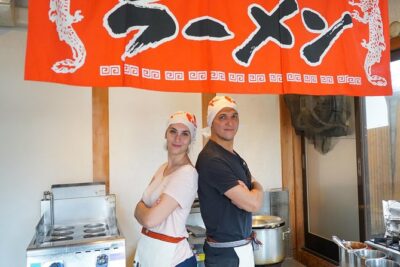
Ramen Cooking Class at Ramen Factory in Kyoto
Read our review →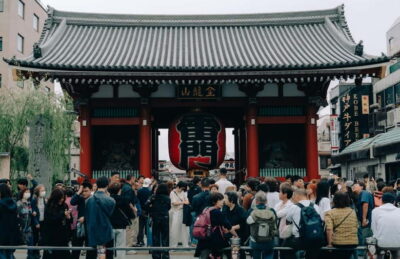
Tokyo: Sushi Making Class in a Happi Coat near a Famous Spot
Read our review →
Sushi Making Tokyo! Popular Maki Sushi & Japanese Sushi(+Recipe!)
Read our review →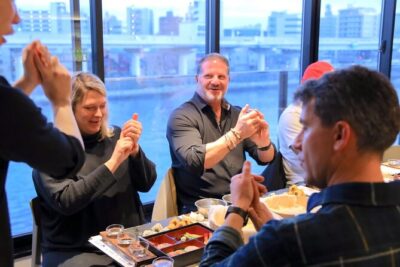
Sushi Making Osaka Roll and Authentic Japanese Sushi Class
Read our review →
Tokyo Sushi Making Class in Tsukiji with Professional Chef
Read our review →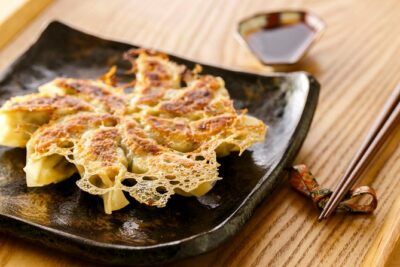
Ramen & Gyoza Cooking Class in Tokyo with Local Supermarket Visit
Read our review →Browse the lists this tour appears in