
Review · KYOTO
Kyoto Sushi Making Experience with a Professional Sushi Chef
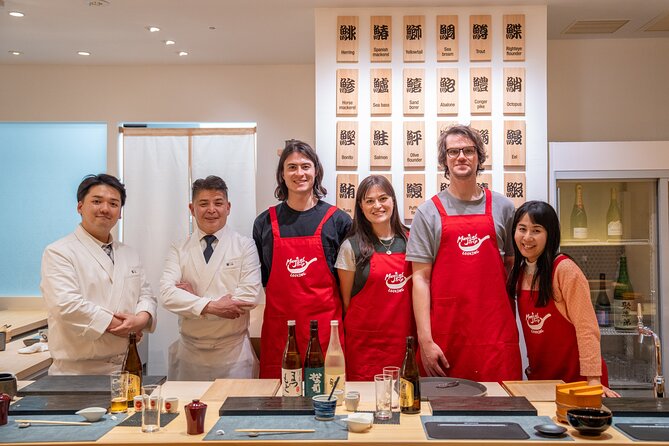
A professional Taisho sushi chef is the heart of this Kyoto experience. You watch his knife work, learn how nigiri is shaped, roll sushi yourself, and then eat what you make. The lesson also includes nine nigiri sushi, a roll, tempura, two drinks, sake tastings, matcha, and Japanese sweets.
I like the small maximum of eight people, which should give you a better chance to follow the chef and get help at your station. I also like the full cultural arc: sushi in the restaurant, sake pairing, then matcha and sweets in a Kyoto-style garden.
The main consideration is the price, $163.30 per person. That is a serious outlay for a three-and-a-half-hour activity, so it makes the most sense if you want a guided cultural experience rather than a simple cooking class or an inexpensive meal.
Key points at a glance
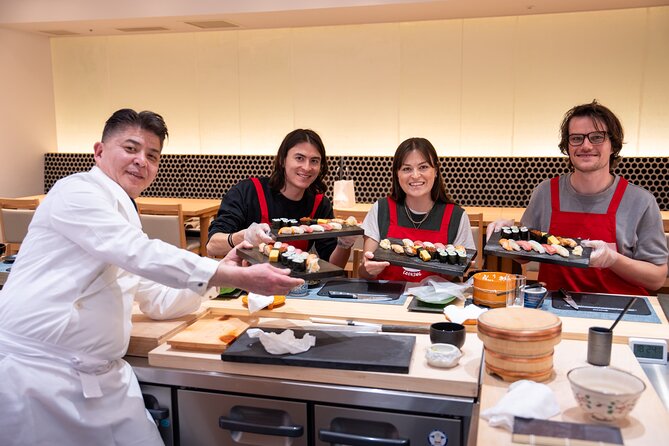
- Professional sushi instruction: A Taisho chef demonstrates knife work, nigiri, and roll sushi, then guides you as you make your own.
- A generous food lineup: The course includes nine nigiri sushi, roll sushi, a tempura set, two drinks, sake tastings, and sweets.
- More than a cooking class: You also visit a local Japanese sweets shop and learn to whisk matcha in a Kyoto-style garden.
- Small English-friendly group: An English-speaking guide leads the activity, with no Japanese language skills required and a maximum of eight people.
- Family and solo-friendly format: Children age four and older, solo visitors, and food-focused couples can all take part.
- Convenient afternoon timing: Meet at Diesel604 Banochō in Nakagyo Ward at 3:30 pm, with the activity ending back at the same meeting point.
Why this Kyoto sushi class feels different
Many food classes give you a recipe, a work surface, and a short meal at the end. This experience puts the professional chef at the center. You watch the Taisho handle the precise work, then try the parts that are safe and practical for a beginner.
That distinction matters. Sushi looks simple because the finished piece is small. In practice, shaping rice, placing fish, and rolling maki neatly take control and patience. The chef handles the slicing, so you do not need to worry about sharp knives or advanced technique. You get the satisfaction of making sushi without pretending you can match a master on your first attempt.
The class also gives you more than one narrow food lesson. It connects sushi with sake, Japanese sweets, and matcha. I like that balance. You get hands-on activity, a proper meal, and a few cultural customs that are difficult to understand from a restaurant menu alone.
The experience is led in English by a guide, and Ayuri is named as one of the guides. That is useful for families and first-time visitors who want someone to explain what is happening as the chef works. No Japanese language skills are needed.
More Sushi and Japanese Classes in Kyoto:
- Ramen Cooking Class at Ramen Factory in Kyoto
★ 5.0 · 1,937 reviews - Sushi Making in Kyoto! Same-day bookings welcome!
★ 5.0 · 713 reviews - Kyoto: Ramen Cooking Class at a Ramen Factory with Souvenir
★ 4.9 · 532 reviews
Meeting a Taisho chef in an authentic sushi restaurant
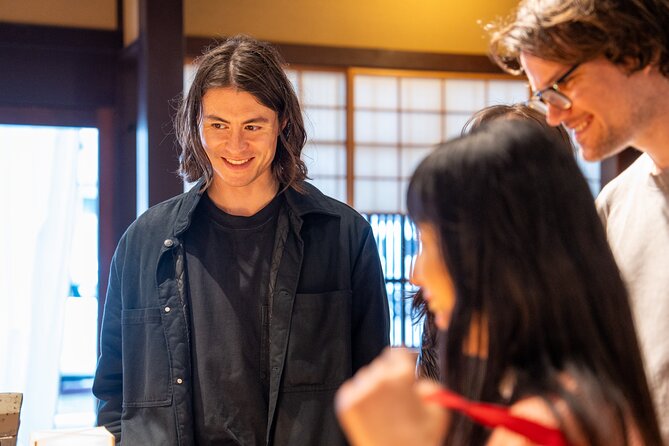
The central stop is an authentic sushi restaurant, where you meet the professional Taisho chef. In Japan, Taisho is a respectful term for the head sushi chef or master behind the counter. Here, the chef is not simply serving your meal. He demonstrates the craft and teaches you how the pieces come together.
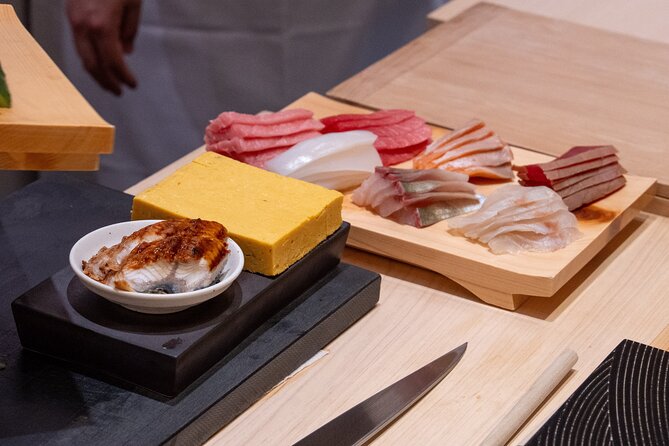
Expect to watch careful knife work and the shaping of nigiri. The details are important: sushi is not only about placing fish on rice. The chef shows the movement and form behind the food, giving you a better sense of the skill involved before you try it yourself.
You will make roll sushi as well. Rolling is an approachable place to start because you can see how the ingredients are arranged and how the mat brings the shape together. It is also the part most people can repeat at home without special professional tools.
The chef then guides you as you make your own sushi. This is a good setup for beginners. You are not left alone with a complicated recipe, but you still do enough work to feel involved. The chef takes care of slicing, while you focus on shaping, rolling, and assembling.
The format should also work well for children age four and older. Young children may not manage every step with the same precision, but the class lets them take part without putting them near difficult knife work. Parents should still expect to help keep younger children focused during the lesson.
What is included on the plate
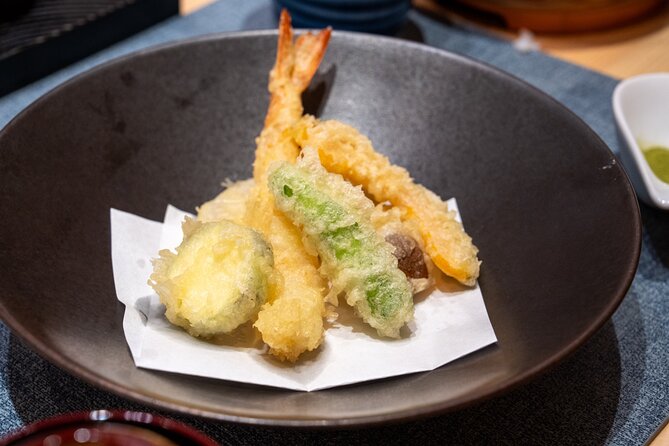
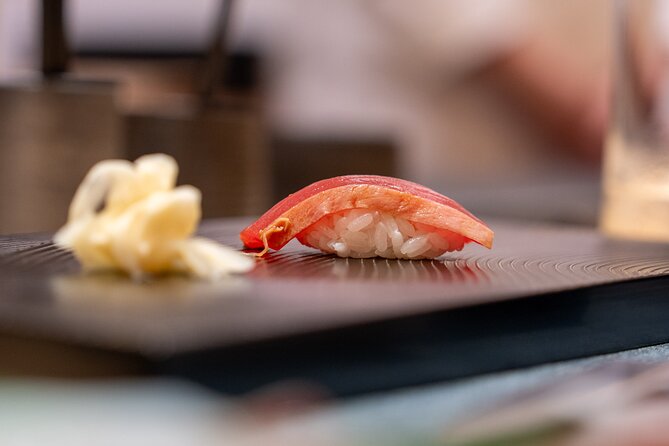
The food portion is substantial for a class. You receive nine nigiri sushi and roll sushi, followed by a tempura set prepared by the chef. That gives you a chance to compare food you helped make with food prepared by a professional.
The nine nigiri pieces are especially useful for understanding the form. You can see how small changes in rice shape and fish placement affect the final piece. Since the chef handles the cutting, the quality of the fish and the presentation remain in experienced hands.
Freshness is a key part of sushi, and the food is described as fresh in the available feedback. The tempura also received particularly strong praise, with one family calling it the best they had eaten in Japan. That is not a guarantee of your exact meal, but it points to an important part of the experience: you are not simply eating practice food made for a classroom.
You also receive two drinks. The details of those drinks are not specified, so do not book this expecting a particular bottle or cocktail. The listed sake tasting is separate, giving you a chance to sample different types and learn which pairings work with sushi.
The meal is likely best viewed as both lunch or dinner replacement and instruction. You are not paying only for raw ingredients. You are paying for the chef’s demonstration, the guided preparation, the tasting, and the cultural activities that follow.
Sake tasting with practical pairing advice
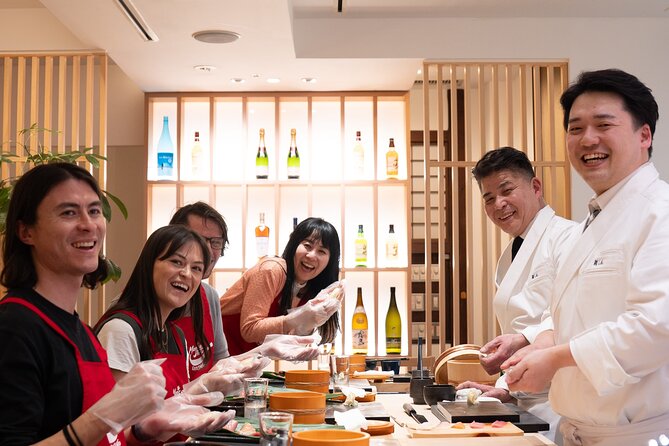
The sake portion adds useful context to the meal. Instead of treating sake as one generic drink, the tasting introduces different types and explains how they can pair with sushi.
That is valuable if you have always found sake menus confusing. A short tasting with a guide can help you notice differences and understand why one style may work better with delicate sushi while another fits stronger flavors. The exact sake varieties are not provided, so you should expect an introduction rather than a specialist tasting course.
The tasting is also paced as part of the meal rather than presented as a separate bar visit. You can connect what you are drinking with what is on your plate. For a first visit to Japan, that makes the activity feel more grounded in everyday food culture.
Two drinks are included, but the experience also includes sake tastings. Ask the guide if you have questions about what counts as the included drinks or about alcohol preferences. The information provided does not specify nonalcoholic alternatives, so people who do not drink should confirm that point before booking.
A few more cooking classes around Kyoto worth a look
- Kyoto: Ramen, Gyoza, and Onigiri Cooking Class
★ 5.0 · 445 reviews - Kyoto: Japanese Washoku Bento Small Group Cooking Class
★ 5.0 · 380 reviews - Kyoto Ramen and Gyoza Cooking Class with Professional Chefs
★ 5.0 · 282 reviews - Kyoto: Afternoon Japanese Izakaya Cooking Class
★ 4.9 · 241 reviews
Japanese sweets and matcha in a Kyoto-style garden
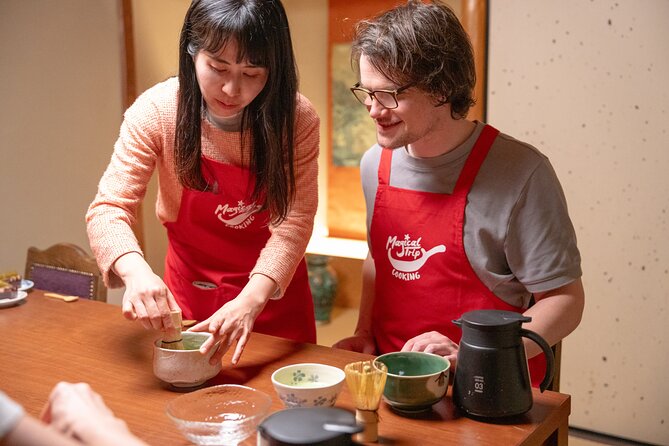
The final part changes the mood. You visit a local shop for traditional Japanese sweets, guided by an English-speaking expert, and later enjoy those sweets with matcha in a peaceful Kyoto-style garden.
This is a smart ending after the busy work of sushi making. Matcha preparation has its own rhythm. You learn to whisk the tea rather than simply receiving a prepared cup, then pair it with the sweets you selected earlier.
The activity gives you a basic introduction to the process, not a formal tea ceremony. That distinction helps set fair expectations. You will learn how to whisk matcha and enjoy it with sweets, but the supplied details do not promise a long lesson in tea ceremony etiquette or history.
I like the contrast between the restaurant and garden settings. Sushi puts you close to the chef and the food. Matcha gives you a quieter way to finish. Together, they make the afternoon feel broader than a standard cooking class.
The local sweets stop also gives you a small shopping or tasting decision. The specific shop and sweets are not identified, so the experience leaves room for some surprise. You choose the sweets earlier and later eat them with your own matcha.
Timing, meeting point, and group size
The experience starts at 3:30 pm and lasts about three hours and 30 minutes. You meet at Diesel604 Banochō, in Kyoto’s Nakagyo Ward, with the activity ending back at the meeting point.
An afternoon start can fit well into a Kyoto sightseeing day. You have the morning and early afternoon for temples, markets, or other plans, then move into the class before the evening is over. Still, allow enough time to reach the meeting point. The activity starts at a fixed time, and food classes are not easy to join late.
The meeting point is near public transportation, which helps. A mobile ticket is provided, and confirmation arrives at the time of booking. Those are small practical advantages, especially if you are moving around Kyoto without printing documents.
The maximum group size is eight. That is small enough to keep the chef’s demonstration visible and make it easier to ask questions through the guide. A small group can also make the experience less awkward for solo visitors, since everyone is taking part in the same hands-on lesson.
The activity ends where it begins. That simplifies the final part of your day, though the information does not specify the exact train or subway station, walking distance, or route. Check the meeting details after booking and plan to arrive early.
Is $163.30 a fair price?
At $163.30 per person, this is not a budget meal. If you want only sushi, you can spend less at many restaurants. If you want only to learn basic rolling, cheaper classes may also be available.
The value improves when you count the whole package: about three and a half hours, professional chef instruction, nine nigiri, roll sushi, a tempura set, two drinks, sake tastings, a sweets-shop visit, matcha preparation, and traditional sweets. You are buying time, teaching, food, and access to a chef-led setting.
I would consider the price reasonable for someone who values structure and explanation. You do not need to arrange several separate activities, research sake pairings, or find a matcha lesson. The guide handles the flow, and Ayuri’s role is to make the English explanations clear.
The value is less convincing if your main goal is a large sushi dinner. The portions are part of a lesson, and the experience includes several activities that you may not care about. Before booking, ask yourself if you want the wider cultural program or simply a meal.
The tour is booked, on average, 24 days in advance. That suggests you should plan ahead, especially if your Kyoto dates are fixed. The group is small, so spaces may be limited even though the activity runs regularly.
Who should book this experience?
I would recommend it most strongly to first-time Japan visitors who want a guided introduction to several food customs in one afternoon. It is also a good match for people who enjoy learning by doing but do not want to handle professional knives.
Families with children age four and older have a clear reason to consider it. The food is familiar enough to interest many children, and the chef handles the risky slicing. Parents should still decide if their children can manage a three-and-a-half-hour activity with several stages.
Solo visitors can also fit in well. The group cap keeps the lesson personal, and the guide gives the afternoon a clear social structure without requiring you to arrange a private class.
Sushi fans may appreciate the professional demonstration and fresh fish. The class is also useful for people who know little about sake and want practical pairing advice rather than a long lecture.
I would be more cautious if you have strict dietary needs, dislike raw fish, or do not drink alcohol. The supplied information does not list vegetarian, allergy, or alcohol-free arrangements. Contact the provider before paying if any of those issues affect your choice.
The activity provider is MagicalTrip Inc. The experience has a 100 percent recommendation rate and a five-star rating based on 16 reviews, which is a positive signal, though the sample is small. The strongest praise centers on Ayuri’s guidance, the fresh fish, the chef’s sushi lesson, and the tempura.
Booking and cancellation details
You can cancel for a full refund up to 24 hours before the start time. Cancellations made less than 24 hours before the 3:30 pm start are not refundable, and changes inside that period are not accepted.
The cut-off uses Kyoto local time. That matters if you are booking from another country or changing plans while crossing time zones. Since the class is often booked ahead, reserve once your itinerary is reasonably firm, but keep the 24-hour deadline in mind.
Should you book this Kyoto sushi experience?
Book it if you want more than a meal. The professional chef, small group, sake tasting, tempura, sweets, and matcha give you a well-rounded afternoon, and the format is friendly to families, solo visitors, and beginners.
Skip it if $163.30 feels too high for a short food activity, or if you want a specialized sushi course with detailed knife training. For most people, the best reason to book is the combination: you make sushi, learn from a Taisho chef, taste sake, and finish with matcha in a garden. That is a lot of Kyoto food culture in one organized visit.
FAQ
Where does the sushi-making experience begin?
It begins at Diesel604 Banochō, Nakagyo Ward, Kyoto, Japan.
What time does the experience start?
The start time is 3:30 pm.
How long does the experience last?
It lasts approximately three hours and 30 minutes.
Where does the activity end?
The activity ends back at the meeting point.
How many people can join the experience?
The maximum group size is eight travelers.
Is an English-speaking guide provided?
Yes. An English-speaking guide leads the experience, and no Japanese language skills are needed.
What sushi will I make?
You will learn to make nigiri sushi and roll sushi. The course includes nine nigiri sushi and roll sushi.
Is tempura included?
Yes. A tempura set prepared by the chef is included.
Are drinks and sake included?
Yes. The experience includes two drinks and sake tastings with pairing advice.
Can children join the experience?
Yes. Families with children age four and older are welcome.
Is matcha included?
Yes. You will learn to whisk matcha and enjoy it with traditional Japanese sweets.
What is the cancellation policy?
You can cancel up to 24 hours before the start time for a full refund. Cancellations or changes made less than 24 hours before the start are not accepted, and the payment is not refunded.
Just added around Kyoto
- Private Cooking Class Udon in Kyoto Japan★ 5.0 · 23 reviews
- Private Plant-Based Japanese Cooking Class – Kyoto Edition★ 5.0 · 15 reviews
- Private Kyoto Sushi Cooking Class & Tea Ceremony with Emika★ 5.0 · 66 reviews
- Private Guided Traditional Buddhist Cooking in Japan★ 5.0 · 16 reviews
- Kyoto Wagashi(Japanese sweets) Cooking Class near Fushimiinari★ 5.0 · 60 reviews
- Nishiki Market, Private Sushi class & Sake Tasting in Townhouse★ 5.0 · 6 reviews
- Private Kyoto Cooking Class with Aki in a Beautiful Wooden House★ 5.0 · 12 reviews
- Private Kyoto Market Tour and Authentic Cooking Class with Aki★ 5.0 · 15 reviews
Japanese & Sushi Cooking Classes, compared.
Sushi Making Tokyo Roll and Authentic Japanese Sushi Class
Read our review →
Tokyo: Roll and Authentic Sushi Making Class in Asakusa
Read our review →
Ramen Cooking Class at Ramen Factory in Kyoto
Read our review →
Tokyo: Sushi Making Class in a Happi Coat near a Famous Spot
Read our review →
Sushi Making Tokyo! Popular Maki Sushi & Japanese Sushi(+Recipe!)
Read our review →
Sushi Making Osaka Roll and Authentic Japanese Sushi Class
Read our review →
Tokyo Sushi Making Class in Tsukiji with Professional Chef
Read our review →
Ramen & Gyoza Cooking Class in Tokyo with Local Supermarket Visit
Read our review →Browse the lists this tour appears in