
Review · KYOTO
The Original Small-Group Sushi Making Class in Kyoto
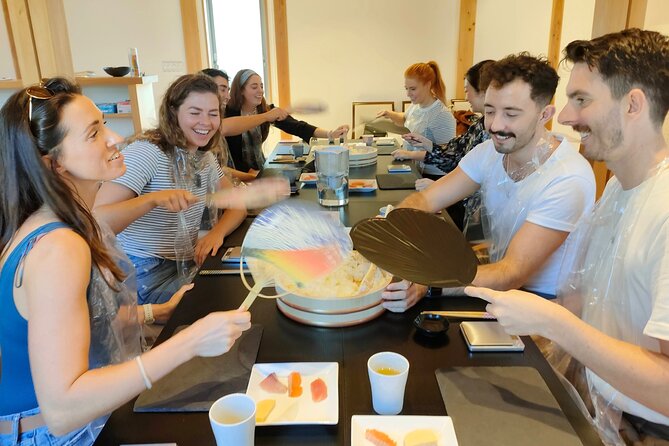
Kyoto’s sushi lesson is not a quick demonstration followed by a polite sample. You work with the rice, fish, and rolling mat yourself, then eat a full meal made by your own hands. Kana’s patient teaching and the class limit of eight create a calm setting where you can ask questions without being lost in a crowd.
I especially like two things here: the traditional townhouse setting near Kiyomizu-dera and Gion, and the chance to learn both nigiri and maki rather than only one basic roll. The fresh fish, local ingredients, tea, apron, and gloves add practical value. The main consideration is dietary choice: a vegetarian or vegan version is not included, so this class is best for people comfortable with the listed sushi ingredients.
Key points at a glance
- Small class of up to eight: You get more personal help than in a large cooking demonstration.
- Kana leads the lesson: Her teaching covers rice seasoning, nigiri shaping, maki rolling, and Japanese food culture.
- Full meal included: You eat the sushi you prepare, with enough food to make this feel like lunch or dinner rather than a tasting.
- Historic Kyoto setting: The class takes place in a restored townhouse near Kiyomizu-dera and Gion.
- Useful take-home extras: You may receive class notes, rice recipes, chopsticks, and a sushi mat for practicing at home.
- Good cancellation terms: You can cancel for a full refund up to 24 hours before the start time.
Why this class works better than a large sushi demonstration
A sushi class lives or dies by the amount of hands-on time. Watching someone shape rice for 90 minutes may be pleasant, but it does not teach your fingers what to do. Here, you season rice, handle ingredients, form nigiri, and roll maki under direct instruction.
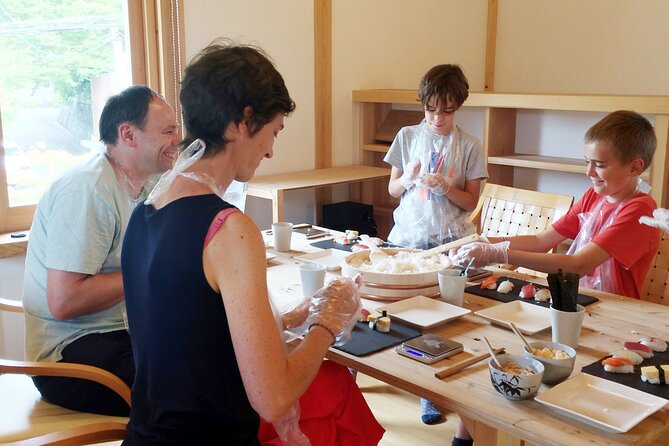
The group limit matters. With no more than eight people, Kana can watch how you hold the rice and correct small mistakes before they become habits. You also have room to ask about rice texture, knife work, fillings, or the difference between sushi styles.
The pace is relaxed rather than rushed. That makes this a good choice if you want to understand the method, not simply produce an attractive plate for a photograph. It also works well for a family, a couple, or a solo visitor who enjoys meeting a few other people without joining a large class.
More Sushi and Japanese Classes in Japan:
- Sushi Making Tokyo Roll and Authentic Japanese Sushi Class
★ 5.0 · 3,971 reviews - Tokyo: Roll and Authentic Sushi Making Class in Asakusa
★ 4.9 · 1,957 reviews - Ramen Cooking Class at Ramen Factory in Kyoto
★ 5.0 · 1,937 reviews
Arriving at the townhouse near Kiyomizu-dera
The meeting point is Atelier SUSHI at 311-1 Kitatōryōchō in Kyoto’s Higashiyama Ward. The house is near public transportation and close to two of Kyoto’s best-known areas, Kiyomizu-dera and Gion.
The setting adds something important. Sushi can be taught in any kitchen, but a restored Kyoto townhouse gives the lesson a sense of place. You are not simply stopping at a generic cooking studio. The quieter, traditional surroundings suit a class that also touches on Japanese customs and food culture.
Plan your route before the start time. Higashiyama has narrow streets and many nearby sights, so it is tempting to squeeze in one more temple visit before class. I would leave a little breathing room. Arriving calm is useful when you are about to learn a sequence of small techniques.
The activity ends at the same address. That makes planning easy if you want to continue around Gion or Kiyomizu-dera afterward.
The first lesson is the rice
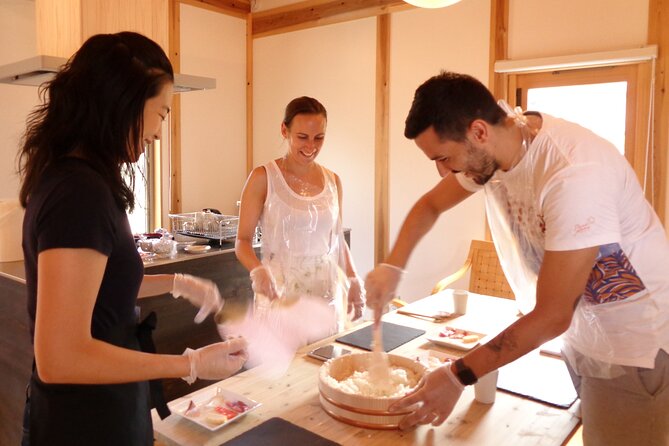
The class begins with the foundation of sushi: properly seasoned rice. This is one of the most useful parts because sushi rice is easy to underestimate. If it is too wet, too dry, too warm, or poorly seasoned, even fine fish will not taste right.
You learn how the rice is prepared and seasoned before moving on to shaping. The goal is not simply to copy a set of movements. You get a sense of balance, texture, and proportion, which are the details that help you repeat the process at home.
This also gives the class a sensible order. Instead of rushing straight to the fish, you start with the part that supports every piece. If you are new to sushi-making, that clear progression should make the lesson easier to follow.
Coffee, tea, or Japanese tea is included. It is a small detail, but a welcome one during a hands-on class.
Making nigiri with fresh fish
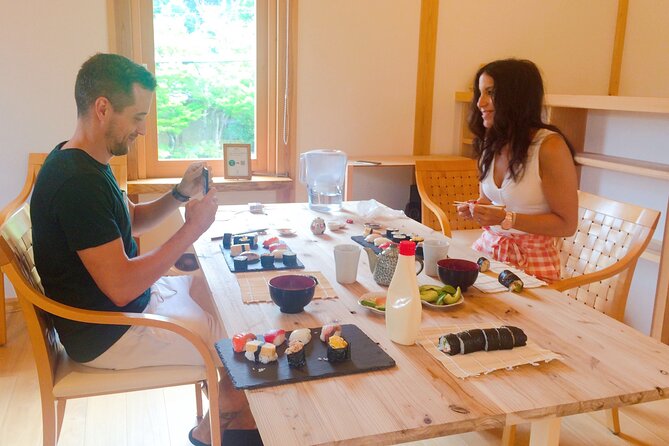
Nigiri is the simplest-looking sushi and one of the hardest to shape neatly. You place a portion of seasoned rice beneath a slice of fish, but the rice must hold together without becoming dense. Too much pressure ruins the light texture that makes good nigiri appealing.
Kana guides you through the proper technique and gives you a chance to make several pieces. The ingredients are described as premium fresh fish and selected local products, so the meal is not built around inexpensive filler.
This is where the class has real value for a first-time cook. You can feel the difference between squeezing rice into a firm block and shaping it gently enough to remain pleasant to eat. The finished pieces may not look like those in a fine sushi restaurant, but the process teaches you why presentation and texture matter.
The class also makes sushi feel less intimidating. The instructor breaks the work into manageable steps, and the small group means you can get help as you go. That is especially useful if you enjoy food but do not often cook Japanese dishes.
More Hands-On Workshops in Japan:
- Tokyo: Sushi Making Class in a Happi Coat near a Famous Spot
★ 4.9 · 1,377 reviews - Sushi Making Osaka Roll and Authentic Japanese Sushi Class
★ 5.0 · 1,220 reviews - Tokyo Sushi Making Class in Tsukiji with Professional Chef
★ 5.0 · 1,177 reviews - Ramen & Gyoza Cooking Class in Tokyo with Local Supermarket Visit
★ 5.0 · 823 reviews
Rolling maki without making a mess
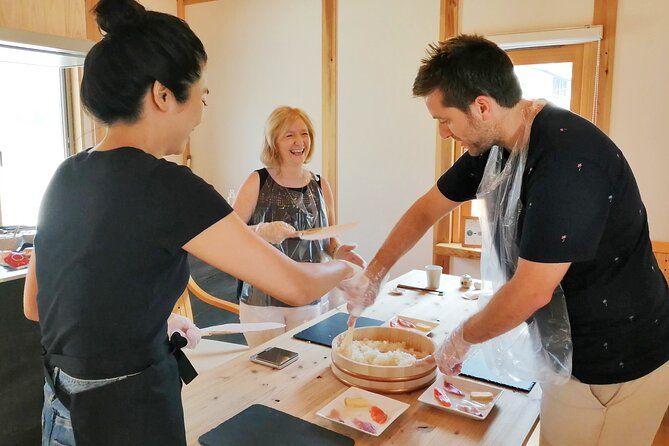
The second major technique is maki, the rolled sushi made with nori and fillings. You learn how to spread rice, position the ingredients, use the mat, and form the roll.
Maki is often the part people expect to be easiest. In practice, the rice can spill, the filling can shift, and the roll can come out loose. A demonstration helps, but personal correction helps more. You get to try the movement yourself and adjust your pressure and timing.
Several people leave feeling able to recreate nigiri and maki at home. That is a fair measure of a cooking class. You are not only fed during the session; you gain a method that can be repeated later.
The variety also keeps the 90-minute lesson interesting. You move between different shapes and styles rather than repeating one simple roll for the entire class.
A generous lunch or dinner made by you
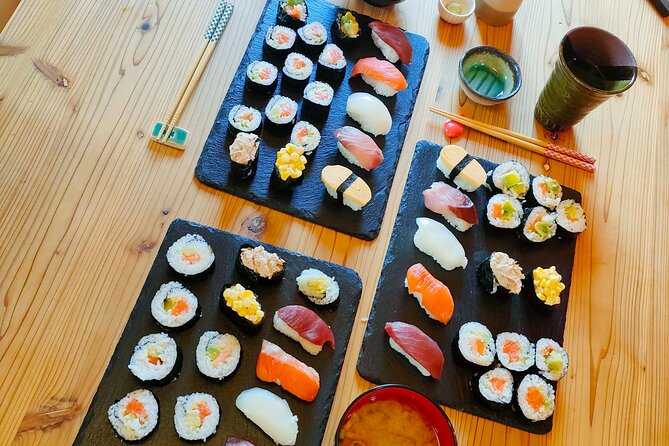
At the end, you eat the sushi you have prepared. The meal is served as lunch or dinner depending on the workshop time, and the portions are described as generous. Come hungry. This is not a tiny sample followed by a search for a second meal.
The food matters, but so does the feeling of eating it after the work. You notice the rice more closely, appreciate the fish, and understand the care behind each piece. Even someone who is unsure about raw fish may find the fresh ingredients and simple preparation approachable, though the class is still centered on sushi.
The meal also gives you time to talk with the hosts and the other people in the room. Kana and her husband Kerim are described as warm hosts who discuss Japanese culture, Kana’s personal story, local customs, and places to visit in Kyoto. Their advice can be useful if you take the class early in your stay and want ideas for the days ahead.
Kana’s teaching style and the cultural side
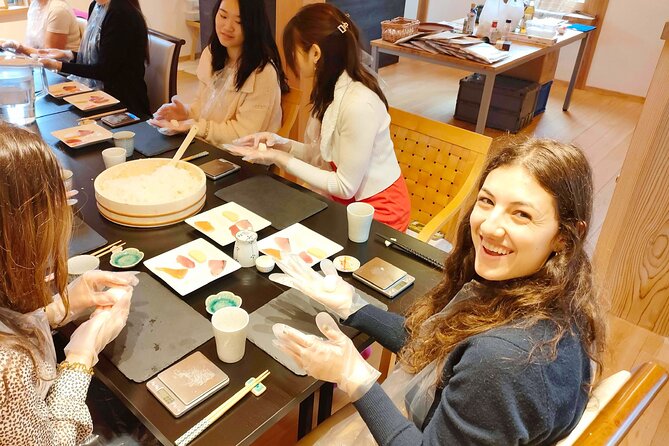
Kana is the main instructor, with her husband Kerim assisting on some sessions. Her role is more than showing each step and moving on. The teaching is patient, friendly, and encouraging, with explanations in English.
That matters in a small cooking class. You need to understand not just what to do, but why you are doing it. The class includes background on sushi and Japanese culture, along with conversation about life in Japan and Kyoto.
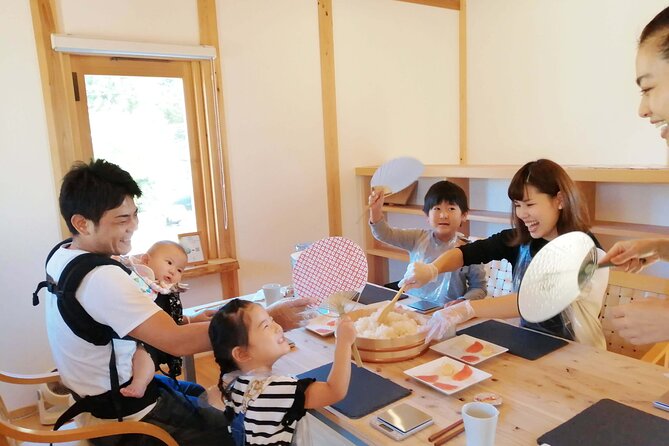
The tone appears informal and family-friendly. Couples, families with children, and solo visitors can all fit the format. A 12-year-old sushi fan is specifically described as enjoying the session, and the practical steps are simple enough for beginners.
The hosts also share local recommendations. I would treat this as a pleasant extra, not the main reason to book. The real value is the hands-on instruction and meal, while the conversation makes the class feel more personal.
What the price of $69.64 really includes
At $69.64 per person, this is priced above a basic food tasting but below many long cooking workshops. The fee includes the 90-minute class, the sushi meal, an English-speaking instructor, apron, gloves, and tea or coffee.
The strongest value comes from combining instruction with a substantial meal. You are paying for food, but also for access to an instructor who can correct your technique. The small class size is important here. A cheaper large-group session may give you less time with the teacher.
Some people also receive a gift bag containing class notes, recipes, chopsticks, and a sushi rolling mat. Those items make the price feel better after you return home, especially if you actually plan to practice. Since the included list does not formally promise every souvenir, consider them a welcome extra rather than the core reason to book.
For a couple, this can replace one restaurant meal with something more active and memorable. For a family, the cost covers both an activity and dinner. For a solo visitor, it offers a structured social experience without requiring a full-day commitment.
Dietary needs and what to check before booking
The published information does not include a vegetarian or vegan option. If you do not eat fish or animal products, this is not the right class unless the provider confirms an alternative directly.
Some people with gluten or shellfish allergies have been accommodated during the workshop, but you should not assume every restriction can be handled. The class uses fish and local ingredients, and sushi preparation involves several components. Contact Atelier SUSHI before booking if you have an allergy or strict dietary requirement.
Aprons and gloves are provided, which makes the class more comfortable and hygienic. The lesson is designed for beginners, so you do not need previous sushi-making experience.
Timing, tickets, and cancellation
The class lasts about one hour and 30 minutes. That is long enough to learn several techniques and eat a proper meal, but short enough to fit neatly between Kyoto sightseeing plans.
A mobile ticket is available, and confirmation is provided when you book. The activity starts and ends at Atelier SUSHI, so there is no separate return transfer to arrange.
Free cancellation is available up to 24 hours before the local start time. If you cancel later, the payment is not refunded, and changes made within that final 24-hour window are not accepted. Keep this deadline in mind when planning around temple visits, train journeys, or changing weather.
Who should book this Kyoto sushi class
I would recommend it most strongly to:
- First-time sushi makers who want clear, practical instruction
- Couples looking for a shared food activity
- Families with children who enjoy cooking and sushi
- Solo visitors who like small social classes
- Anyone who wants a break from sightseeing and a meal with a story behind it
- Home cooks who want recipes and tools to continue practicing
It is less suitable for anyone seeking a formal chef-training course. You will learn useful foundations, but this is a friendly introduction rather than professional culinary certification.
It is also not ideal if you want a quick tasting with no participation. You will be involved throughout, handling rice, fish, nori, and the rolling mat.
Should you book it?
Book this class if you want to do more than eat sushi in Kyoto. The combination of a restored townhouse, a group limited to eight, English instruction from Kana, fresh ingredients, and a full meal gives you good value for a 90-minute activity.
I especially like the idea of taking it near the start of your stay. You can learn a few local customs, get practical Kyoto advice from Kana and Kerim, and leave with recipes and tools that may inspire another meal at home.
Skip it if you need a vegetarian or vegan class, dislike hands-on food preparation, or want a highly technical chef course. For most beginners, families, couples, and curious food lovers, this is a smart way to connect with Kyoto through one of Japan’s best-known foods.
FAQ
Where does the sushi class take place?
The class takes place at Atelier SUSHI, 311-1 Kitatōryōchō, Higashiyama Ward, Kyoto, 605-0918, Japan. It is near public transportation, Kiyomizu-dera, and Gion.
How long does the experience last?
The workshop lasts approximately one hour and 30 minutes.
How many people can join the class?
The class has a maximum of eight participants.
Is the class taught in English?
Yes. An English-speaking instructor leads the workshop.
What types of sushi will I learn to make?
You learn to season sushi rice, shape nigiri, and roll maki. You then eat the sushi you prepare.
What is included in the price?
The price includes the hands-on workshop, sushi meal, English-speaking instruction, apron, gloves, and coffee or tea, including Japanese tea.
Is there a vegetarian or vegan option?
No vegetarian or vegan option is included in the published experience details.
Can I cancel for a refund?
Yes. You can cancel for a full refund at least 24 hours before the experience start time. Cancellations or changes made less than 24 hours before the start are not accepted for a refund.
Just added around Japan
- Ramen Making from Scratch with Tokyo Mom(Vegan Option Available)★ 5.0 · 39 reviews
- Shibuya Tokyo: Sushi Making Class (Vegan/Vegetarian/Halal)★ 4.7 · 29 reviews
- Vegan/Vegetarian Ramen and Gyoza by Bentoya cooking★ 5.0 · 59 reviews
- Ramen & Dumpling Cooking in Tokyo with Chef/Vegan possible★ 5.0 · 107 reviews
- Tokyo Haneda: Bento & Ramen Gyoza Cooking Class in a Local home★ 5.0 · 9 reviews
- Hands-on Japanese Cooking in a Shinjuku Home Kitchen with Satoru★ 5.0 · 19 reviews
- Near Fushimiinari: Kyoto Home Cooking Class & Supermarket tour★ 5.0 · 100 reviews
- Japanese Home Cooking Class & Walk in Todoroki Temple Tokyo★ 5.0 · 88 reviews
Japanese & Sushi Cooking Classes, compared.
Sushi Making Tokyo Roll and Authentic Japanese Sushi Class
Read our review →
Tokyo: Roll and Authentic Sushi Making Class in Asakusa
Read our review →
Ramen Cooking Class at Ramen Factory in Kyoto
Read our review →
Tokyo: Sushi Making Class in a Happi Coat near a Famous Spot
Read our review →
Sushi Making Tokyo! Popular Maki Sushi & Japanese Sushi(+Recipe!)
Read our review →
Sushi Making Osaka Roll and Authentic Japanese Sushi Class
Read our review →
Tokyo Sushi Making Class in Tsukiji with Professional Chef
Read our review →
Ramen & Gyoza Cooking Class in Tokyo with Local Supermarket Visit
Read our review →Browse the lists this tour appears in