

Review · JAPANESE & SUSHI
Osaka Sushi Cooking Class
Making sushi here is less about watching a chef work and more about putting your hands to the rice. In 90 minutes, you learn the parts of sushi, shape nigiri, roll maki, and sit down to eat what you made.
I like the small maximum of eight people, which gives the class a personal feel, and I like that ingredients, equipment, water, and green tea are included. Kazuki Harada has earned praise for being friendly and professional, with one participant leaving confident enough to make sushi for family and friends.
The main consideration is location. The class meets in Tarumichō, Suita, outside Osaka’s most famous sightseeing areas, so you need to allow time to reach 3-chōme-35-5 Tarumichō. Alcohol is not included, and the class is brief rather than a full meal or long culinary course.
Key points before you book
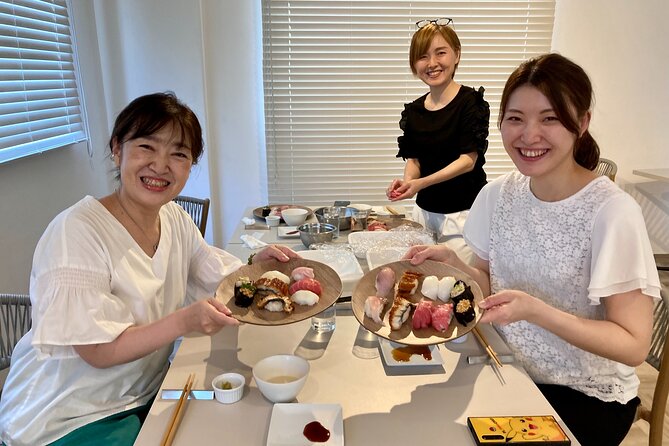
- A 90-minute hands-on format: You learn, make, and eat without giving up half a day.
- Nigiri and maki in one class: The lesson covers both hand-shaped sushi and rolled sushi.
- A small group of up to eight: You have a better chance to follow the chef’s technique closely.
- Kazuki Harada’s friendly teaching style: His professional, approachable manner is a major part of the experience when he leads the class.
- Tea and ingredients included: Water, green tea, sushi ingredients, and equipment are provided.
- Suita meeting point: The class begins and ends at 3-chōme-35-5 Tarumichō, so plan your route before the day.
What this Osaka sushi class really offers
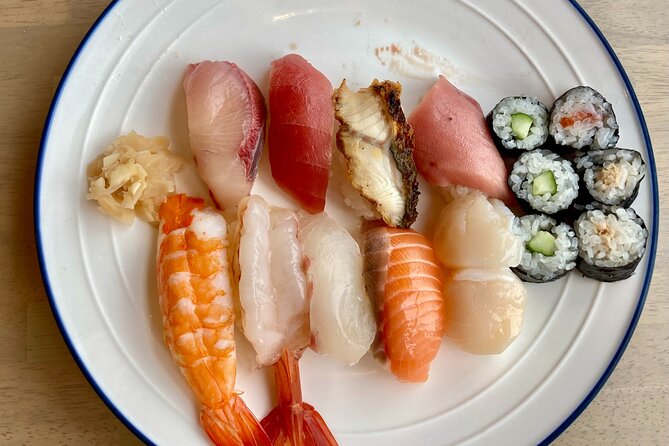
This is a compact cooking lesson built around the basics. You do not need previous sushi experience, and the format suits both a first-time cook and someone who already enjoys sushi but wants to understand how it is assembled.
The class starts with a welcome and a short explanation of what you will do. That opening matters because sushi can look simple while requiring careful handling. Rice temperature, pressure, filling placement, and the amount of seaweed all affect the final result.
You will work with the basic building blocks: rice, seaweed, fillings, and condiments. The chef explains the role of each part rather than simply handing you ingredients and asking you to copy a finished piece.
That makes this a useful class for beginners. You get enough context to understand why sushi is put together in a certain way, but the lesson does not appear designed as a technical training course for serious cooks.
More Sushi and Japanese Classes in Japan:
- Sushi Making Tokyo Roll and Authentic Japanese Sushi Class
★ 5.0 · 3,971 reviews - Tokyo: Roll and Authentic Sushi Making Class in Asakusa
★ 4.9 · 1,957 reviews - Ramen Cooking Class at Ramen Factory in Kyoto
★ 5.0 · 1,937 reviews
Shaping nigiri, the first hands-on test
Nigiri is the classic sushi form built from a small portion of rice topped with an ingredient. In class, the chef shows you how to shape the rice and place the topping.
This is likely the moment when you discover that sushi rice is not something to squeeze into a hard lump. The aim is a neat shape that holds together while remaining pleasant to eat. The chef’s guidance helps you see how much pressure to use and how to keep the piece tidy.
I like that nigiri comes before maki. It gives you a simple introduction to handling rice before you add a bamboo mat or a larger set of fillings. You focus on the shape, the topping, and the balance of rice to ingredient.
Do not expect every piece to look restaurant-perfect on your first try. That is part of the fun. The value is in learning the motion and understanding the structure, not in producing identical sushi under professional kitchen conditions.
You will also have a chance to taste your own nigiri later. That gives the lesson a clear reward, and it lets you judge the result for yourself.
Rolling maki and finding your own technique
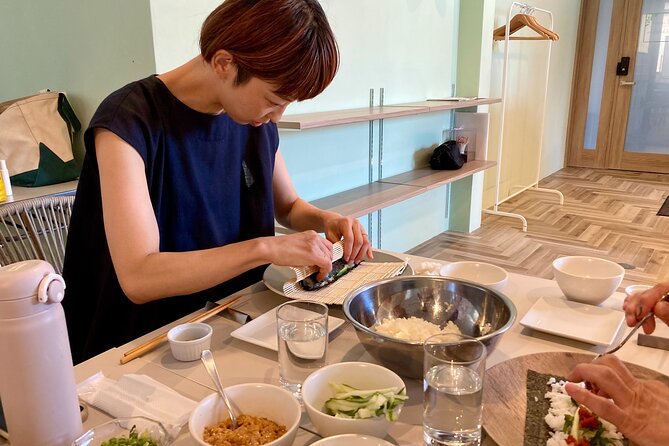
The maki portion brings a different skill. You place fillings on seaweed and roll the ingredients into a finished sushi piece.
The chef guides you through the process, including how to position the fillings and how to roll with enough control to keep the shape together. This is where creativity enters the class, since you can work with your preferred fillings from the ingredients supplied.
Maki is often more forgiving than nigiri in appearance, but the roll still depends on even pressure. Roll too loosely and the pieces may fall apart. Press too firmly and the rice can become dense. A chef who watches your technique can correct those small problems as they happen.
The class gives you a chance to make more than one style of sushi in a single sitting. That is a good use of a short session. You are not spending the whole lesson on one narrow technique, yet you still get enough practice to repeat the basic steps at home.
The information provided does not list the exact fillings. You should therefore think of this as a lesson in the process rather than a promise of particular fish or specialty ingredients.
Wasabi, soy sauce, and pickled ginger
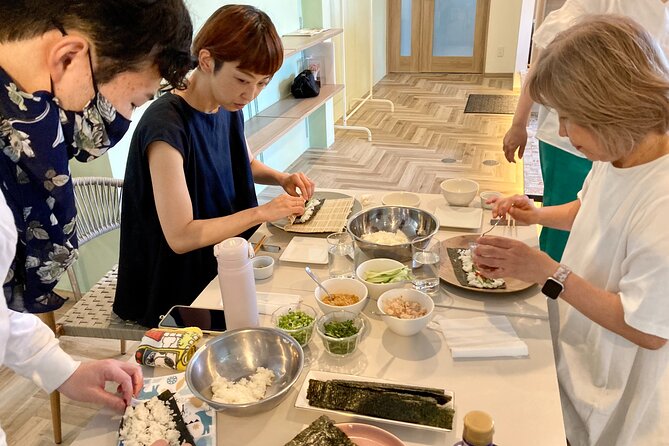
The final flavor lesson covers wasabi, soy sauce, and pickled ginger. These may look like minor side items, but they change how sushi tastes and how you eat it.
Wasabi adds heat. Soy sauce brings salt and savoriness. Pickled ginger refreshes your palate between pieces. The chef explains how these condiments support the sushi instead of allowing them to overpower it.
That is useful knowledge because many first-time sushi eaters use too much soy sauce or treat the ginger as a topping for every bite. A short explanation helps you pay attention to the main ingredient and use the extras with more care.
This part also gives the class a broader food lesson. Sushi is not only about the rice and topping. The balance of texture, seasoning, and restraint matters just as much.
More Hands-On Workshops in Japan:
- Tokyo: Sushi Making Class in a Happi Coat near a Famous Spot
★ 4.9 · 1,377 reviews - Sushi Making Osaka Roll and Authentic Japanese Sushi Class
★ 5.0 · 1,220 reviews - Tokyo Sushi Making Class in Tsukiji with Professional Chef
★ 5.0 · 1,177 reviews - Ramen & Gyoza Cooking Class in Tokyo with Local Supermarket Visit
★ 5.0 · 823 reviews
Sitting down to eat what you made
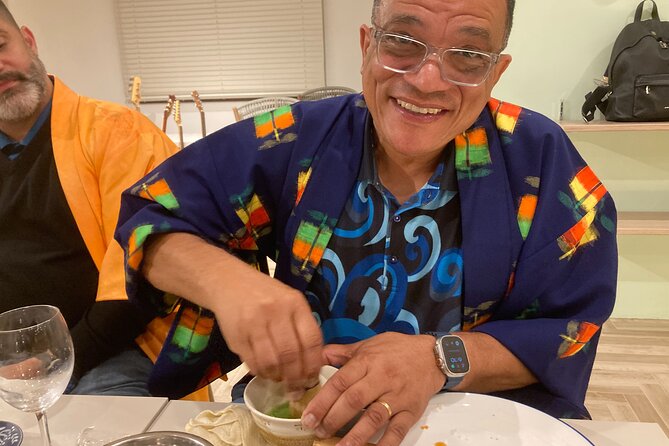
The tasting is built into the class, not added as an optional extra. After making nigiri and maki, you sample your own sushi and share your thoughts.
I like this setup because it connects the instruction to a real result. You remember a technique better when you can taste what happened. If the rice feels too firm or a roll comes apart, you have a practical clue about what to change next time.
Water and green tea are included. Green tea is a natural match for the food and gives you a nonalcoholic drink during the class. Japanese sake, beer, and other alcoholic drinks are not included, so do not book this expecting a tasting session with alcohol.
The class ends back at the meeting point. That makes the return simple, but it also means you should think about your next stop before you arrive. The supplied details do not promise a transfer to central Osaka or another district.
A small group with room to ask questions
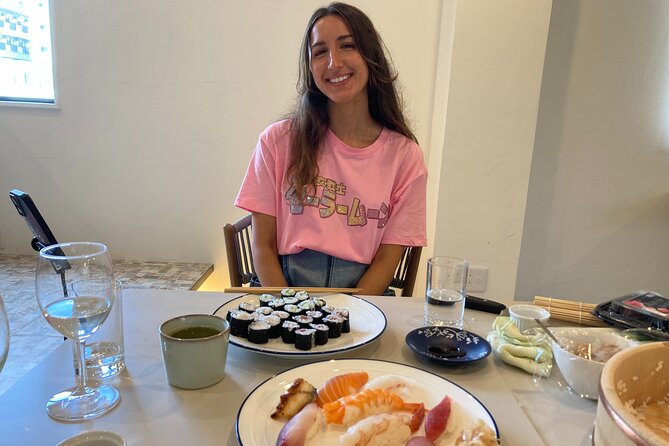
The maximum group size is eight people. That is one of the stronger features of the experience.
In a large cooking class, you can lose sight of the chef’s hands or hesitate to ask for help. Eight people is small enough for the instructor to demonstrate a technique and for you to follow along without feeling lost.
Small groups also suit sushi because the work is precise. You may need help with rice shape, topping placement, or the pressure used when rolling. A smaller setting improves the odds that you can get a quick correction instead of repeating the same mistake.
The class is described as suitable for all levels. Beginners should feel comfortable starting from the basics, while sushi fans can use the session to practice the parts they usually leave to a restaurant chef.
Still, a small group does not mean private instruction. You will share the chef’s attention with the other participants, and the lesson has to keep moving so everyone can finish within the 90-minute schedule.
The instructor can make the difference
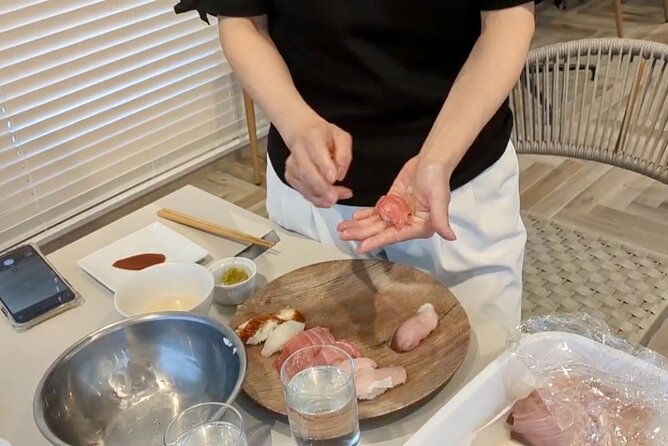
The teaching style is important in a short class. You have limited time, so clear demonstrations and a relaxed manner matter more than a long lecture.
Kazuki Harada is praised for an excellent personality and professional instruction. One participant finished the class feeling ready to make sushi for family and friends. That is a helpful measure of the lesson’s practical value: you are not only watching, you are leaving with a repeatable skill.
The most useful kind of instructor in this setting is one who explains the reason behind each movement and then lets you try. The description of the class points to that mix of explanation, practice, and tasting.
Because the experience provider is MatchaExperience Osaka, the class is presented as a focused cultural food activity rather than a broad sightseeing tour. You come for sushi, not for a guided tour of Osaka.
Suita location and how to plan your time
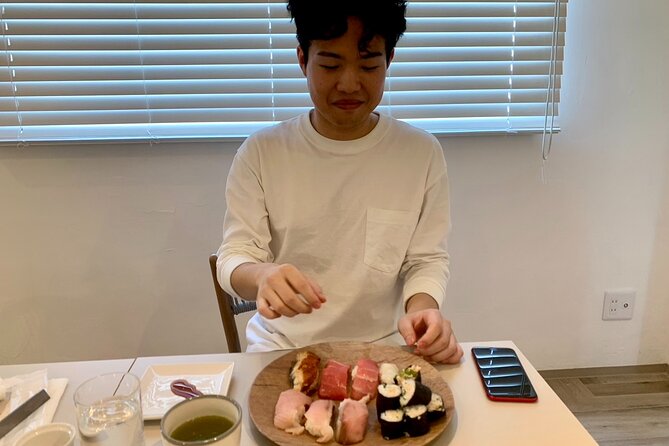
The meeting point is 3-chōme-35-5 Tarumichō, Suita, Osaka 564-0062. The class is near public transportation, but no station name or travel time is provided.
That means you should check the route from your hotel before booking. Osaka is a large urban area, and the time needed to reach Suita can vary greatly depending on where you are staying. Add a buffer so you are not rushing into a hands-on lesson.
The class begins and ends at the same location. You do not need to arrange a separate pickup or worry about finding a new end point. A mobile ticket is provided, which is convenient for showing your booking on your phone.
The location may be less convenient if your schedule is built around central Osaka sights. On the other hand, a class away from the busiest sightseeing core can fit well into a day focused on Suita or nearby areas.
Since the class lasts about an hour and a half, allow additional time for transport and arrival. The cooking itself is short enough to fit into a busy itinerary, but only if your route is realistic.
Is $78.04 a fair price?
At $78.04 per person, this is not the cheapest way to eat sushi in Osaka. You are paying for instruction, ingredients, equipment, a small group, and the chance to make and taste your own food.
The value depends on what you want. If you only want a filling sushi meal, a restaurant will likely be a simpler choice. If you want to learn the basics and take home a skill, the price is easier to justify.
The small group helps the cost feel more reasonable. Eight people or fewer allows for more direct guidance than a mass-market class. The included ingredients and equipment also mean you do not need to buy supplies or prepare anything before arriving.
The 90-minute length keeps the experience manageable. You get a complete activity without committing to a half-day cooking course. That is useful for families, couples, and people with several Osaka plans in the same day.
Still, keep your expectations in check. You are not paying for an advanced chef certification, a long meal, or alcoholic pairings. The best value comes from the hands-on practice and the personal help, not from the amount of food alone.
Who will enjoy this most?
This class is a good match for first-time sushi makers. The chef introduces the basic ingredients, shows you how to shape nigiri, and then guides you through maki rolling.
It also works for sushi enthusiasts who want a quick activity. You can learn the structure behind food you may already order often, then taste a version made with your own hands.
Families and small groups may appreciate the short schedule and the practical result. The supplied details do not give a minimum age, so you should confirm that point directly if you are booking for children.
Couples can use it as a food-focused activity rather than another sightseeing stop. It gives you something to do together, with a shared tasting at the end.
This is less suitable if you want a long, elaborate cooking course or a serious exploration of Japanese regional cuisine. The class has a clear focus: basic sushi preparation in a friendly, compact format.
Booking, cancellation, and practical details
Confirmation is received at the time of booking. You can use the mobile ticket for the activity, so keeping your booking accessible on your phone is sensible.
Free cancellation is available if you cancel at least 24 hours before the local start time. Cancellations made less than 24 hours before the start are not refunded, and changes inside that period are not accepted.
The class has a maximum of eight participants. Ingredients, equipment, water, and green tea are included. Alcoholic beverages, including sake and beer, are not included.
Because the class meets and ends at the same address, your main planning task is getting to Tarumichō on time. Check the transport route in advance and remember that the published duration is approximate.
Should you book the Osaka Sushi Cooking Class?
Book it if you want a short, practical food activity and like the idea of eating sushi you shaped yourself. The strongest reasons are the small group, the coverage of both nigiri and maki, and the friendly instruction associated with Kazuki Harada.
The price makes sense for hands-on learning, included supplies, and a group capped at eight. It makes less sense if your main goal is simply lunch, if you want alcoholic drinks included, or if reaching Suita would create a difficult cross-city journey.
For beginners, this is an approachable way to try sushi making without committing a full day. For experienced cooks, it offers a quick refresher and a chance to practice under guidance. Check the route to 3-chōme-35-5 Tarumichō, keep your schedule realistic, and book when you want an activity that ends with your own edible work.
FAQ
How long does the Osaka Sushi Cooking Class last?
The class lasts approximately 1 hour and 30 minutes.
Where does the sushi class meet?
It begins at 3-chōme-35-5 Tarumichō, Suita, Osaka 564-0062, Japan.
Where does the activity end?
The activity ends back at the meeting point.
Is the class suitable for beginners?
Yes. The class is described as suitable for all levels, including beginners and sushi enthusiasts.
How many people can join the class?
The maximum group size is eight participants.
What types of sushi will I make?
You will learn to make nigiri sushi and maki rolls.
Are ingredients and cooking equipment included?
Yes. Ingredients and equipment are included in the experience.
Are drinks included?
Water and green tea are included. Alcoholic beverages such as Japanese sake and beer are not included.
Will I get to eat the sushi I make?
Yes. The class includes a tasting of your self-made nigiri and maki.
Can I cancel for a full refund?
Yes, if you cancel at least 24 hours before the experience start time. Cancellations made less than 24 hours before the start are not refunded.
Just added around Japan
- TAKOYAKI Cooking Class with All-you-can-drink in Tokyo, Roppongi★ 5.0 · 5 reviews
- 3-Hour Shared Halal-Friendly Japanese Cooking Class in Tokyo★ 5.0 · 4 reviews
- Traditional Home cooking Experience in Osaka, Japan★ 5.0 · 14 reviews
- Well-balanced BENTO (lunch box) Cooking Class★ 5.0 · 35 reviews
- Osaka Street Food Festival :Takoyaki&Okonomiyaki for Families★ 5.0 · 13 reviews
- Three Types of Ramen Cooking Class in Osaka★ 5.0 · 119 reviews
- Takoyaki DIY Cooking in the Heart of Osaka★ 5.0 · 7 reviews
- SUSHI Making Experience at Restaurant★ 5.0 · 8 reviews
Japanese & Sushi Cooking Classes, compared.
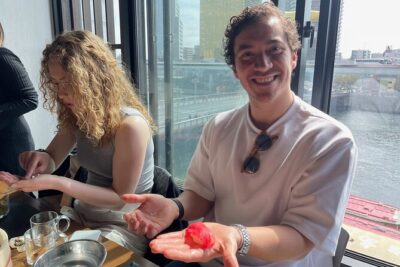
Sushi Making Tokyo Roll and Authentic Japanese Sushi Class
Read our review →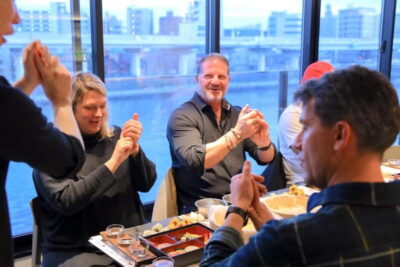
Tokyo: Roll and Authentic Sushi Making Class in Asakusa
Read our review →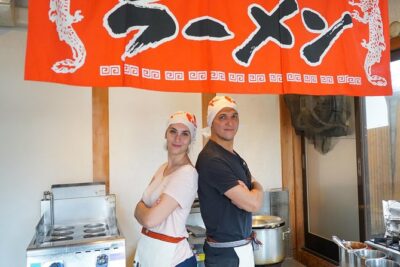
Ramen Cooking Class at Ramen Factory in Kyoto
Read our review →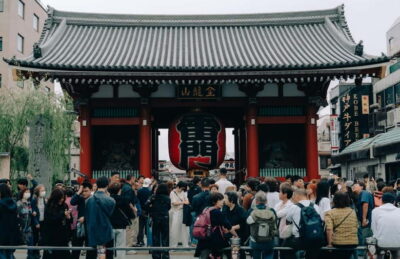
Tokyo: Sushi Making Class in a Happi Coat near a Famous Spot
Read our review →
Sushi Making Tokyo! Popular Maki Sushi & Japanese Sushi(+Recipe!)
Read our review →
Sushi Making Osaka Roll and Authentic Japanese Sushi Class
Read our review →
Tokyo Sushi Making Class in Tsukiji with Professional Chef
Read our review →
Ramen & Gyoza Cooking Class in Tokyo with Local Supermarket Visit
Read our review →Browse the lists this tour appears in