
Review · OSAKA
Osaka Market Tour & Cooking Class with Local Expert Masato/Shohei
Osaka’s best food lesson may begin with a shopping street, not a restaurant table. This 2.5-hour class pairs a short visit to Karahori Shotengai with hands-on cooking at a local kitchen, where Masato or Shohei guides you through three Japanese dishes from scratch. You finish by eating what you made, with tea.
I like the direct contact with ingredients and the chance to ask questions at your own pace. I also like the practical menu choice: sushi, Japanese curry rice, or character bento boxes. The main thing to watch is the short market visit, only about 30 minutes, and the sushi menu uses Wagyu beef, omelet, and vegetables rather than raw fish.
Key points at a glance
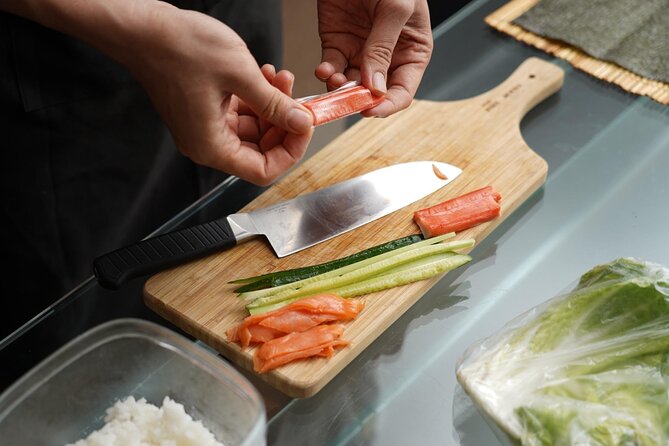
- Karahori Shotengai option: Spend about 30 minutes with your host at a covered local shopping street selling vegetables, fresh food, and condiments.
- Three dishes from scratch: Learn Japanese cooking methods, then sit down to eat the meal you prepared.
- Menu choice matters: Request sushi, character bento, or Japanese curry when you book. Sushi is the default if you do not choose.
- No raw fish in the sushi class: The ingredients include tamagoyaki, Wagyu beef, lotus root, bamboo shoots, shiitake mushrooms, and seasonal vegetables.
- Dietary requests are possible: Lactose-free, gluten-free, vegetarian, and vegan menus can be arranged if requested in advance.
- Small shared group: The class has a maximum of 13 people and starts and ends near Matsuyamachi Station.
Why this Osaka cooking class works
A good cooking class should leave you with more than a full stomach. You should understand a few ingredients, pick up techniques you can repeat at home, and see how an everyday meal fits into local life. This Osaka experience aims at all three.
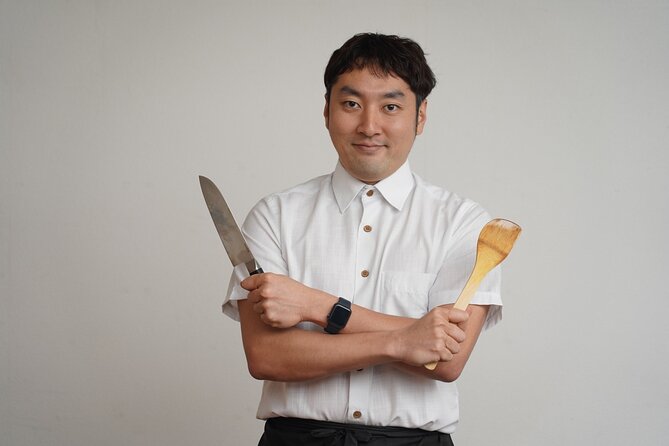
Your host is both guide and chef. Masato is the named host for the class, though Shohei or another chef colleague may lead when Masato is unavailable. That matters because the appeal here is personal instruction, not a large demonstration where you watch someone else do the work.
You cook a shared meal and can ask questions as you go. The pace is meant to be manageable, so you do not need professional kitchen skills. If you have cooked very little before, the class gives you a useful introduction. If you already know your way around a kitchen, the value is in the ingredients, local methods, and cultural background.
The format also suits families. One group with teenage daughters cooked several dishes with a host who prepared carefully for them. That points to the class’s broad appeal: adults can learn useful techniques, and younger cooks can take an active role rather than simply sit at a tasting.
More Market Tour Cooking Classes in Japan
- Osaka: Cooking Class & Sake Tasting with Local Market Visit
★ 4.8 · 31 reviews - Tsukiji Fish Market Guided Tour and Sushi Making with Pro Chef
★ 5.0 · 775 reviews - Tokyo: Tsukiji Fish Market Sushi Making Class with Pro Chef
★ 4.9 · 506 reviews
Starting near Matsuyamachi Station
The meeting point is at Matsuyamachi Station, at 2 Chome-6 Andojimachi in Osaka’s Chuo Ward. The activity ends back at the meeting point, and hotel pickup is not included, so plan your route before class.
This is a useful location for a food lesson because the market option takes you to nearby Karahori Shotengai. You do not spend the short tour racing across Osaka. Instead, the class connects a local shopping street with the kitchen where you will use what you have seen.
The activity lasts about two hours and 30 minutes. That is long enough for a market visit, cooking, and a meal, but it is not a full-day food expedition. I would schedule it when you want a focused morning or afternoon, not when you are looking for a long crawl through Osaka’s food districts.
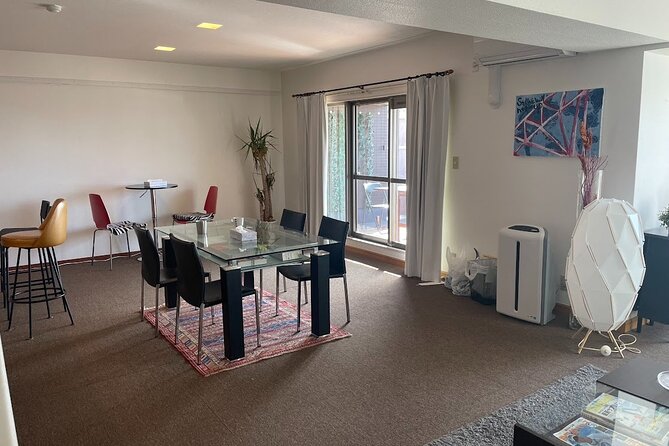
The group is capped at 13 people. That is not a private class, but it is small enough to keep the format hands-on. Your experience may depend on the exact group size and menu, yet the limit should allow the host to answer questions and keep an eye on the cooking.
A quick look at Karahori Shotengai
If you select the market option, your host takes you to Karahori Shotengai for roughly 30 minutes. This covered shopping street has small stalls and shops selling vegetables, fresh food, and condiments.
The visit is brief, so think of it as an introduction to the ingredients rather than a full market tour. You will not have unlimited time to browse, shop, or taste your way through the area. Individual purchases are also not included, so anything you buy is your own expense.
Still, this short stop adds context that a kitchen-only class cannot provide. You can see ingredients in their ordinary setting before handling them in the cooking session. Your host can explain what you are looking at and how it fits into Japanese food. That link between the market and the meal is one of the strongest parts of the experience.
If you care mainly about shopping, you may find 30 minutes too short. If you want a practical introduction before cooking, the timing makes sense. The market option is especially worthwhile for people who would otherwise pass a covered shopping street without knowing what to look for.
Choosing between sushi, curry, and character bento
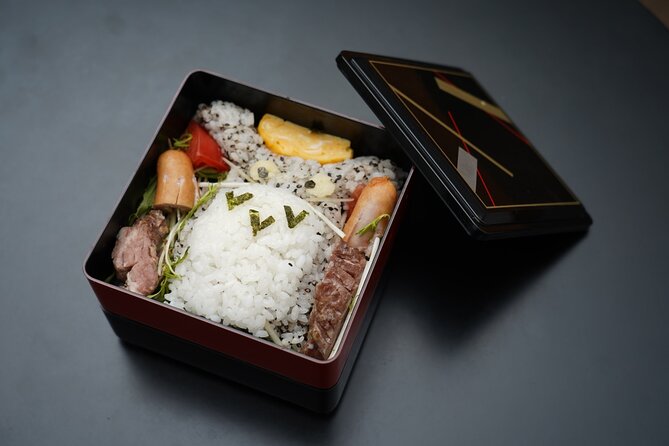
You are asked to provide a menu preference when booking. If you do not specify one, the default is sushi. That simple detail deserves attention because the menu shapes the whole class.
The sushi option is not a raw-fish lesson. Raw fish is specifically not included. Instead, the ingredient list includes tamagoyaki, or rolled Japanese omelet, Wagyu beef, and seasonal vegetables such as lotus root, bamboo shoots, and shiitake mushrooms.
That makes the sushi class approachable if you are cautious about raw seafood. It also gives you a broader look at Japanese flavors and textures. The vegetables listed are not just decoration. Lotus root, bamboo shoots, and shiitake mushrooms help show how Japanese cooking uses seasonal produce and carefully prepared vegetables.
Japanese curry rice offers a more familiar comfort-food route. The information provided does not specify every dish or step in that menu, so you should ask your host what the current class will cover. The same advice applies to character bento. It may suit families and anyone who enjoys the visual side of Japanese food, but you should confirm the exact dishes if the menu is important to you.
Since you can request your choice at booking, do not leave that decision to chance. If sushi is not your first choice, write it clearly when you reserve.
More Market Tour Cooking Classes in Osaka:
- Hanoi Cooking Class: Culture, Local Market & Meaning CSR Impact
★ 5.0 · 5,147 reviews - 5 Traditional Dishes Hanoi Cooking Class with Market Trip
★ 5.0 · 4,890 reviews - Cooking Class and Lunch at a Tuscan Farmhouse with Local Market Tour from Florence
★ 5.0 · 4,831 reviews - Chiang Mai: Cooking Class, Market & Thai Herbs Garden Tour
★ 4.9 · 4,824 reviews
Cooking three dishes with Masato or Shohei
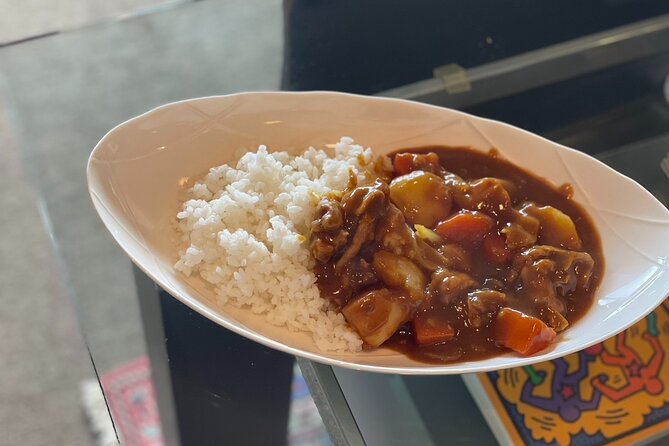
After the market option, you return to the kitchen for the main event. You learn to prepare three authentic Japanese dishes from scratch, with your host explaining techniques and culinary customs along the way.
The phrase from scratch matters here. This is not simply a demonstration followed by a meal. You take part in preparing the food, ask questions, and work at a pace suited to the group. The class gives you a chance to understand how ingredients are handled, seasoned, and combined.
Masato is listed as the primary chef-host, while Shohei has also hosted the experience. A chef colleague may lead when Masato is unavailable. The host’s role goes beyond technical instruction. You also get cultural context, such as why certain ingredients are used and how the dishes fit into Japanese home cooking.
One useful feature is the attention to dietary needs. A host contacted a group ahead of time about preferences and allergy concerns, and careful preparation was made for those needs. You should still state all allergies, restrictions, and cooking preferences when booking. Lactose-free, gluten-free, vegetarian, and vegan diets can be accommodated on request.
The class is shared, so do not expect a private chef lesson with unlimited control over the menu. But the group format can make the meal more social, and a maximum of 13 keeps it from becoming a large workshop.
Sitting down to eat what you made
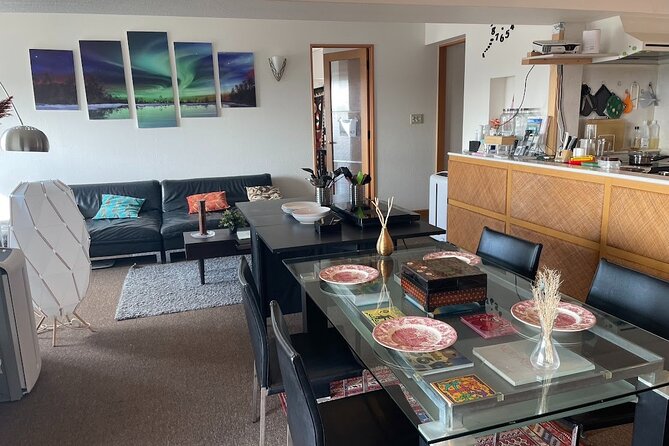
Once the cooking is finished, you sit down to enjoy the meal. That final step gives the class a satisfying shape: see the ingredients, prepare the dishes, then taste the result.
You also finish with tea. It is a small detail, but it gives the experience a proper close rather than ending the moment the last pan is cleaned. The included meal is home-cooked Japanese food, so the value is not just in the instruction. You are paying for an activity and lunch or dinner in one package.
I would keep your expectations realistic. This is not a restaurant tasting menu, and the exact meal depends on the menu you choose and the host’s plan. Its appeal is participation and understanding. You leave with recipes and skills you can try again, rather than only a memory of someone else’s cooking.
That makes the class a good choice early in an Osaka trip. You can use what you learn later when ordering food or visiting markets. It is also a pleasant final activity because the meal gives you a relaxed way to end a day, though you should allow time to reach the station afterward.
What the $120 price really buys
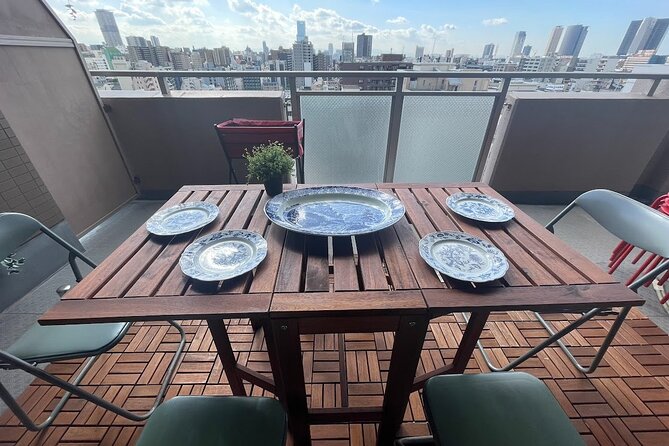
At $120 per person, this is not a cheap meal. You are paying for a guided market visit if selected, chef instruction, ingredients, a home-cooked meal, tea, and a roughly 2.5-hour activity.
The value depends on what you want. If you only want to eat Japanese food, Osaka offers less expensive options. If you want a structured lesson, personal guidance, and the chance to prepare several dishes, the price is easier to justify.
The included ingredients are also part of the experience. The sushi menu uses Wagyu beef and seasonal vegetables, with tamagoyaki and other components rather than raw fish. Those details make the class more substantial than a basic roll-making session.
The class may be particularly good value for families or small groups who would like one shared activity with a clear result. It can also suit food-focused visitors who want to bring home usable recipes. For a solo visitor, the price is higher than a casual meal, but the social cooking format may add value.
Keep in mind that personal purchases at Karahori Shotengai are not included. You also arrange your own transport to and from Matsuyamachi Station. Those costs are modest compared with the class fee, but they belong in your planning.
Who should book this experience
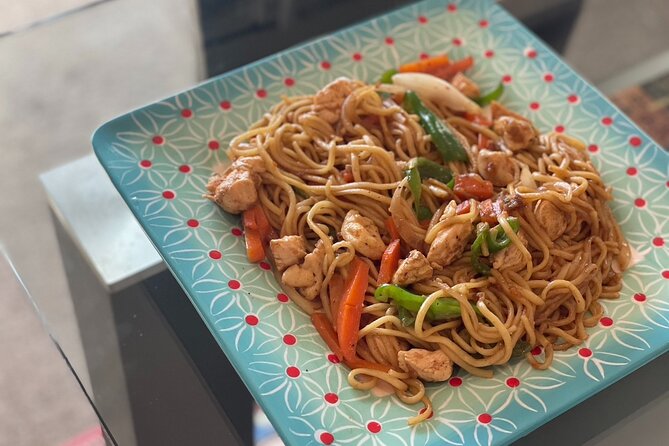
I would recommend this class to you if food is one of the main reasons you came to Japan. It is also a strong fit if you want to meet a local host, learn a few repeatable techniques, and take part in an activity that feels more personal than sightseeing from a bus.
Families with older children and teenagers should consider it. The hands-on format gives everyone something to do, and character bento may be a fun menu choice. Couples and friends can also use the class as a shared activity rather than another restaurant meal.
The experience may be less suitable if you want a long market visit, a private class, or a raw-fish sushi lesson. The market portion is only about 30 minutes, the group can reach 13 people, and raw fish is not part of the sushi menu.
You should also send dietary information early. The hosts can accommodate several diets, but the request needs to be made in advance. Do not assume that a restriction can be handled at the door.
Booking details worth noting
You receive confirmation when you book, and the activity is near public transportation. The ticket is mobile, which keeps the arrival process simple. You still need to reach the Matsuyamachi Station meeting point on your own.
The class is typically booked well ahead, with an average booking lead time of about 65 days. That is a useful warning if you are visiting during a busy season or need a specific menu. Reserve early if you want to cook sushi, curry, or character bento on a particular date.
Free cancellation is available until 24 hours before the start time for a full refund. Changes or cancellations made inside that 24-hour window are not accepted or refunded, based on local time.
Should you book the Osaka cooking class?
Book it if you want to understand Japanese food by handling the ingredients yourself. The strongest reasons are the chef-led instruction, the choice of menus, the market connection, and the chance to eat a meal you prepared.
I would choose the market option, request your menu in advance, and send any allergy or dietary details at booking. If you want a short, social cooking lesson with a local host, this is a useful use of half a day in Osaka.
Skip it if your priority is a long market tour, a low-cost meal, or raw-fish sushi. At $120, this is best viewed as a food lesson with dinner included, not simply a restaurant reservation.
FAQ
Where does the Osaka cooking class meet?
The activity begins at Matsuyamachi Station, at 2 Chome-6 Andojimachi, Chuo Ward, Osaka, 542-0061, Japan.
Where does the activity finish?
The class ends back at the meeting point.
How long does the experience last?
The activity lasts approximately two hours and 30 minutes.
Is the market visit included?
The guided visit to Karahori Shotengai is included when you choose the market tour option.
How long is the Karahori Shotengai visit?
The market visit lasts about 30 minutes.
What happens if I do not choose a menu?
If you do not state a menu preference when booking, the default class is sushi-making.
Does the sushi class include raw fish?
No. Raw fish is not included. The sushi menu uses ingredients such as tamagoyaki, Wagyu beef, lotus root, bamboo shoots, shiitake mushrooms, and other seasonal Japanese vegetables.
Can the class accommodate dietary restrictions?
Yes. Lactose-free, gluten-free, vegetarian, and vegan diets can be accommodated on request. You should provide allergy, dietary, and cooking information when booking.
More Hands-On Workshops in Osaka
- Sushi Making Osaka Roll and Authentic Japanese Sushi Class
★ 5.0 · 1,220 reviews - Osaka: Ramen and Gyoza Cooking Class in Dotonbori
★ 5.0 · 378 reviews - Osaka Cooking Class: Okonomiyaki &Japanese cuisines experience
★ 5.0 · 261 reviews - Osaka: Roll and Authentic Sushi Making Class in Dotonbori
★ 4.9 · 239 reviews
More Shopping Trips in Osaka
- Cooking Ramen&Gyoza/KatsuCurry/Bento/Okonomiyaki+Store Tour@Osaka
★ 5.0 · 138 reviews - Chiang Mai: Authentic Cooking Class with Market & Farm Visit
★ 4.9 · 4,546 reviews - Barcelona: Paella Cooking Experience & Boqueria Market Tour
★ 4.8 · 3,661 reviews - Cooking Class Hoi An:Local Market, Basket Boat, Fishing & Cooking
★ 5.0 · 3,660 reviews
Just added around Osaka
- Osaka Street Food Festival :Takoyaki&Okonomiyaki for Families★ 5.0 · 13 reviews
- Three Types of Ramen Cooking Class in Osaka★ 5.0 · 119 reviews
- Takoyaki DIY Cooking in the Heart of Osaka★ 5.0 · 7 reviews
- SUSHI Making Experience at Restaurant★ 5.0 · 8 reviews
- Sushi Making Osaka Omakase Cooking Class in Japan★ 5.0 · 4 reviews
- Cooking Class for Ramen and Gyoza in a Quiet Old Osaka House★ 5.0 · 3 reviews
- Sushi and Japnese foods cooking class in Osaka★ 5.0 · 51 reviews
- Ramen and Gyoza Cooking Class in Osaka Dotonbori★ 5.0 · 73 reviews
Cooking Classes with a Market Tour, compared.
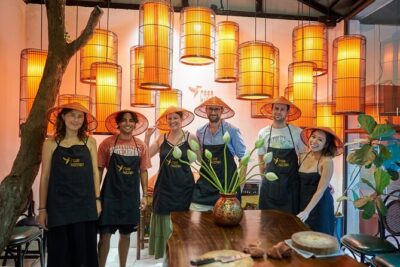
Hanoi Cooking Class: Culture, Local Market & Meaning CSR Impact
Read our review →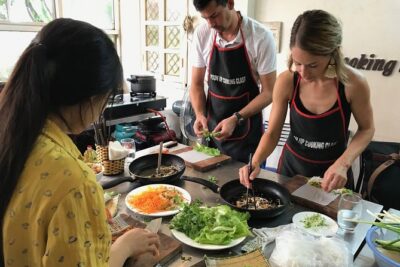
5 Traditional Dishes Hanoi Cooking Class with Market Trip
Read our review →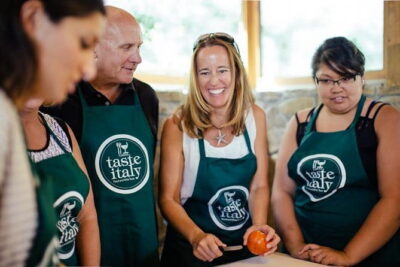
Cooking Class and Lunch at a Tuscan Farmhouse with Local Market Tour from Florence
Read our review →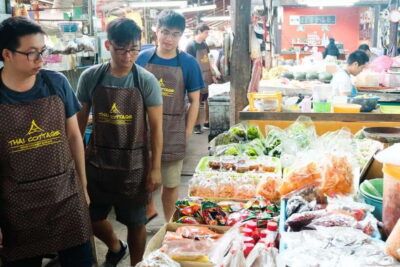
Chiang Mai: Cooking Class, Market & Thai Herbs Garden Tour
Read our review →
Chiang Mai: Authentic Cooking Class with Market & Farm Visit
Read our review →
Barcelona: Paella Cooking Experience & Boqueria Market Tour
Read our review →
Cooking Class Hoi An:Local Market, Basket Boat, Fishing & Cooking
Read our review →
Hoi An Cooking Class(Market,BasketBoat Crabfishing&Cooking Class)
Read our review →Browse the lists this tour appears in