
Review · PERU
Cooking Class Typical Food in Arequipa
Arequipa’s food is best understood with a knife in your hand. This cooking class lets you prepare a three-part meal using local ingredients and traditional methods, then sit down to taste the results. You may work on a classic Peruvian menu, an Arequipeño menu, or a marine menu, depending on availability.
I like the choice of three menus, since you can aim for famous national dishes or focus on local specialties such as rocoto relleno and queso soltero. I also like the large garden kitchen, which gives the class a more relaxed setting than a tight restaurant classroom. The main caution is the amount of hands-on work: one recent participant rated the experience 2 out of 5 after finding that the activity involved mostly chopping vegetables and felt expensive at $57.
Key points to know before booking
- Three menu paths: Choose a traditional Peruvian, Arequipeño, or marine menu, subject to ingredient availability.
- Three courses included: Your class covers a starter, main course, and dessert, followed by a tasting.
- English or Spanish instruction: The instructor teaches in either language, so confirm your preferred language when booking.
- About two hours: Sessions are offered at 11 a.m. and 4 p.m., Monday through Saturday.
- A garden setting: You cook in a large, safe kitchen environment connected with a garden.
- Flexible booking: You can cancel up to 24 hours ahead for a full refund and reserve without paying immediately.
What this Arequipa cooking class is really about
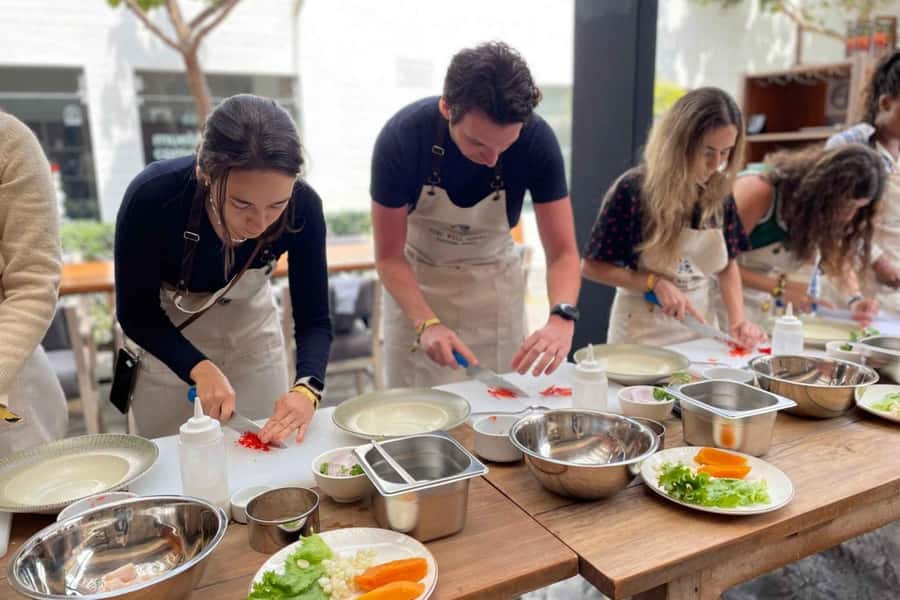
This is a practical introduction to Peruvian food, not a market tour or a restaurant meal with a demonstration on the side. You receive the ingredients, follow instructions from an English or Spanish-speaking instructor, prepare the dishes, and taste what you have made.
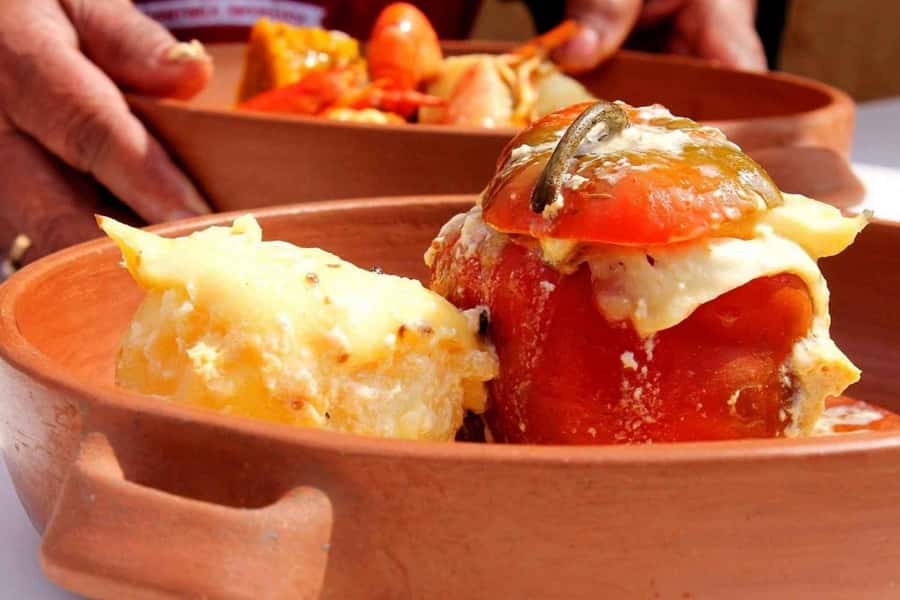
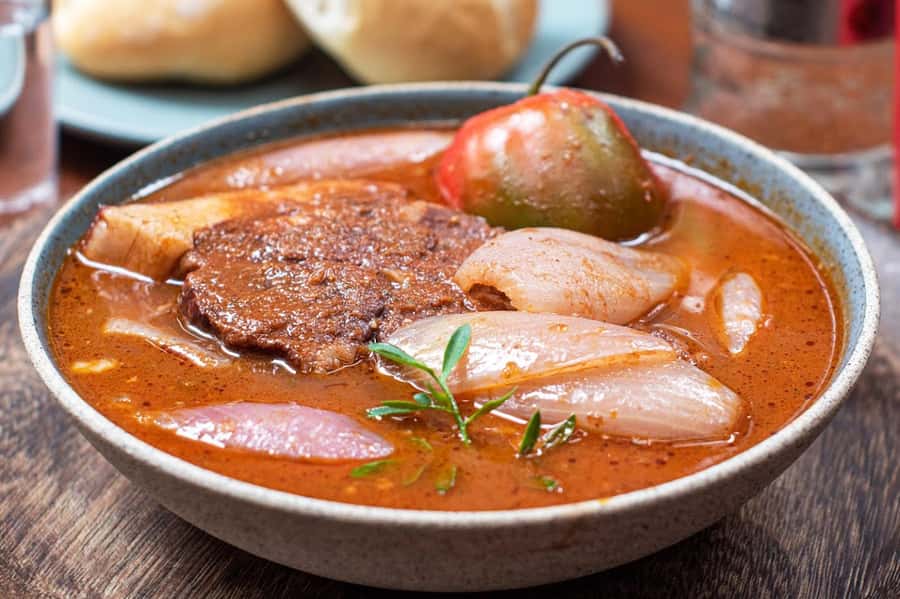
The menu is the heart of the experience. Peruvian food has several strong regional identities, and the choice here gives you a chance to focus on one of them. The traditional Peruvian menu includes causa, lomo saltado, and dessert. The Arequipeño menu features queso soltero, rocoto relleno, and dessert. The marine menu centers on ceviche, pescado a la chorrillana, and dessert.
The exact menu depends on availability. That matters because you should not book expecting one guaranteed dish. If you have your heart set on rocoto relleno or ceviche, check what is being offered before you commit.
I like this format for visitors who want something they can repeat at home. A cooking class becomes more useful when it teaches a dish rather than simply serving one. The promise here is that you leave with a Peruvian recipe experience you can try again after returning home.
Still, keep your expectations measured. The class lasts about one hour and 45 minutes, often rounded up to two hours in the booking details. That is enough time for a guided meal preparation, but not enough for a long culinary course covering many techniques.
More Food and Drink Tours in the world:
- Small Group Cooking Class & Market Food Tour in Florence
★ 5.0 · 1,574 reviews - Paella Cooking Class, Wine Tasting & Central Market in Valencia
★ 5.0 · 1,150 reviews - Athens: Food Market Visit and Cooking Class with Wine
★ 4.9 · 1,087 reviews
Starting with a Peruvian, Arequipeño, or marine menu
The three menus offer three different ways to approach the cuisine.
The traditional Peruvian menu includes causa and lomo saltado. Causa is a potato-based dish, while lomo saltado is a well-known combination of beef, vegetables, and Peruvian cooking influences. This is the safest pick if you want a broad introduction to dishes associated with Peru as a whole.
The traditional Arequipeño menu is more regional. Queso soltero and rocoto relleno point directly toward Arequipa’s own food culture. For a visitor based in the city or region, this may be the most meaningful choice because it connects the class to the place you are visiting rather than to Peru in general.
The marine menu includes ceviche and pescado a la chorrillana. This option suits you if seafood is the main reason you are interested in Peruvian cooking. It also gives you a different feel from the potato and beef dishes on the other menus.
Each option includes dessert, though the specific dessert is not stated. Do not assume it will be a famous local sweet or that you can select it yourself. The menu is described as being offered according to availability.
The menu structure also affects the pace of the class. Preparing a starter, main course, and dessert in under two hours means the instructor must keep things moving. You will probably get a clear introduction to each dish, but this is not the place for long pauses, extended food talks, or a slow chef-led demonstration.
The hands-on preparation: useful, but ask how much you will do
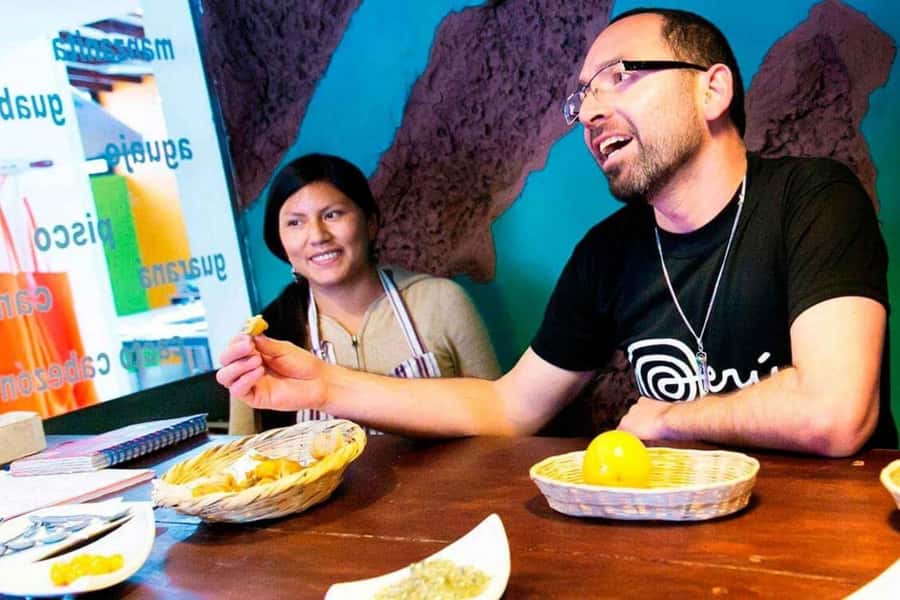
The experience promises manual preparation of typical food. That phrase is important, but it needs a little context. You will be involved in preparing the ingredients and dishes, yet the exact amount of work for each participant is not explained.
One recent booking from March 20, 2025, gave the experience a 2 out of 5 rating. The main complaint was that the participant felt the class amounted mainly to cutting vegetables and did not match the description. That is a serious point for anyone paying $57, especially if you expect to cook every part of the meal from start to finish.
I would ask before booking how the class divides the work. Will you prepare the ceviche yourself? Will you stuff the rocoto? Will you make the causa by hand? Or will the instructor demonstrate key steps while you handle basic preparation? The supplied details do not answer those questions.
This does not make the class a poor choice for everyone. Some people enjoy a light cooking activity, especially after a morning of sightseeing. If you want a relaxed introduction and a meal at the end, chopping, mixing, assembling, and tasting may be enough. If you are an experienced home cook looking for advanced instruction, the class may feel too basic.
The best fit is someone who values participation over technical depth. You get to handle ingredients, work in a shared kitchen, and eat the finished food. You may not get a detailed lesson in knife skills, sauces, food science, or regional culinary history.
The garden kitchen setting
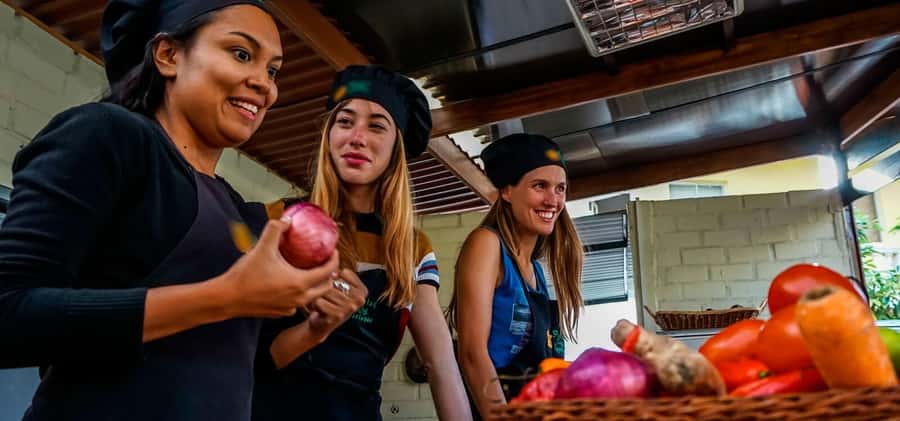
The class takes place in a large and safe kitchen environment set within a garden. That setting is one of the more appealing parts of the experience because it gives the activity room to breathe.
A large kitchen should make it easier to watch the instructor and work without feeling crowded. The garden adds a pleasant backdrop and creates a natural place for photos. The details do not say how much time is spent outdoors, so think of the garden as part of the setting rather than a separate stop or garden tour.
The class also includes time to share the experience with other participants, exchange travel stories, take photos, and enjoy the kitchen surroundings. This makes the activity social. You are not simply following a private lesson in silence.
That social side can work well for solo visitors and couples who want an activity with some conversation. It may be less appealing if you prefer private instruction or want to move at your own pace. Since no group size is given, you should not assume a small class.
The kitchen is described as safe, but no specific accessibility details are provided. If you need special seating, step-free access, or help with kitchen tasks, ask before booking.
More Food Experiences in the world:
- Undiscovered Charleston: Half Day Food, Wine & History Tour with Cooking Class
★ 5.0 · 948 reviews - Vietnamese Food Cooking Class in Hanoi with Market Experience
★ 5.0 · 778 reviews - Milan: Italian Cooking Class with Food and Wine
★ 4.7 · 509 reviews - Mexican Cooking Class with Food Market Visit in Mexico City
★ 5.0 · 506 reviews
Tasting the meal you prepared
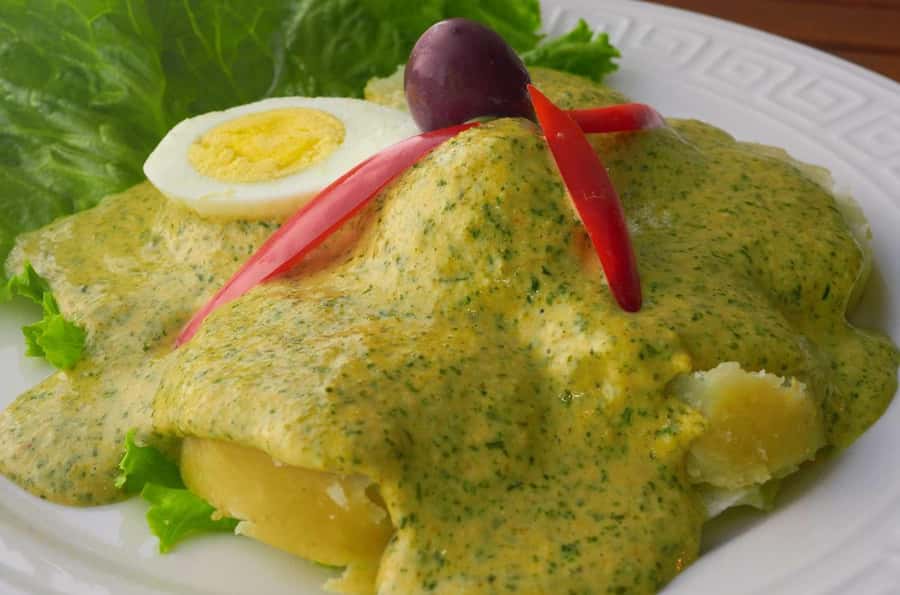
The tasting is included, along with soft drinks and water. That is useful because the price covers more than instruction and ingredients. You prepare the meal, then get to sit down and eat it rather than leaving with a recipe and an empty stomach.
The tasting also gives you a practical test of the dishes. You can see how the finished food should look and taste, then decide which recipes are worth trying at home. For many people, this is the best part of a short cooking class.
There is no information about wine, beer, pisco, coffee, or other alcoholic drinks. Do not expect those to be included. Soft drinks and water are the confirmed beverages.
Dessert is part of every menu, but the name is not specified. The three-course format is still a plus. A class that includes starter, main course, and dessert feels more like a complete meal than a single-dish demonstration.
Is $57 good value in Arequipa?
At $57 per person, this is not a cheap meal or a casual food stop. The price includes ingredients for three courses, instruction, use of the kitchen, tasting, soft drinks, and water. It also includes the activity itself, which can be worthwhile if the cooking work is substantial.
The value depends heavily on your expectations. If you see the class as a social meal with a little guided preparation, the price may be reasonable. If you expect to make every dish independently and receive detailed culinary training, the same price feels high.
The negative booking from March 20, 2025, makes this question especially important. The participant felt the activity consisted largely of cutting vegetables, which did not justify the cost. That warning should not be brushed aside. Before paying, confirm the menu and ask how much preparation you will personally handle.
The included drinks help, but they do not transform the deal. The main value must come from the quality of the instruction and the amount of real cooking time. Since only three reviews are reflected in the overall 3.9 rating, the score gives you limited evidence. Treat it as a small sample, not a firm verdict.
Timing your class around an Arequipa sightseeing day
You can book the class at 11 a.m. or 4 p.m., Monday through Saturday. The morning option works well as a main daytime activity, while the afternoon option can fill a gap after sightseeing.
The 11 a.m. start leads naturally into lunch. If you choose this time, you may want a light breakfast so you have room for the three-course meal. The 4 p.m. option is closer to an early dinner and could work well if you prefer a slower morning.
The experience lasts about two hours, though the detailed schedule gives one hour and 45 minutes. Allow a little extra time around the activity so you are not rushing to another booking.
No transportation is listed. Plan your own way to the activity location and check the exact meeting details before booking. The information provided identifies the setting as the Arequipa Region, but it does not give a street address.
The class runs Monday through Saturday, so Sunday is not presented as an available day. You can reserve now and pay later, which helps if you are still arranging your schedule. Cancellation is free up to 24 hours before the activity for a full refund.
Who will enjoy this class most?
I would recommend this experience most strongly to:
- First-time visitors who want a direct introduction to Peruvian food
- Couples looking for a shared activity beyond sightseeing
- Solo visitors who enjoy meeting other people while cooking
- Food lovers interested in Arequipeño dishes
- Home cooks who want simple ideas to recreate at home
- Visitors who prefer a meal-based activity with a clear two-hour limit
I would be more cautious if you are booking mainly for serious culinary training. The available information does not promise advanced methods, a small group, or a detailed lesson on regional food history.
You should also think carefully if you dislike shared cooking tasks. The experience is designed around working with other visitors, exchanging experiences, and taking photos. That is part of its charm, but it may not suit someone who wants a quiet or private meal.
What to confirm before you pay
A few questions can prevent disappointment:
- Which of the three menus is available on your chosen date?
- How much of each dish will you prepare yourself?
- Is the instructor available in English, Spanish, or both?
- What is the exact meeting location in the Arequipa Region?
- Are there any ingredients you can replace because of allergies or dietary needs?
- How many people are expected in the class?
The published details confirm English and Spanish instruction, but they do not explain how dietary requests are handled. They also do not give a group size or promise a particular instructor by name. Ask directly rather than guessing.
Should you book the Arequipa cooking class?
Book it if you want a social, two-hour introduction to Peruvian cooking, especially if the Arequipeño menu is available and you are happy with a guided, hands-on format. The large kitchen, garden setting, three-course tasting, and choice of menus make it more useful than a simple restaurant meal.
I would not book it blindly at $57. The recent 2 out of 5 experience raises a clear concern about how much actual cooking you do. Confirm the menu, the work assigned to participants, and the meeting details first.
For a visitor who wants to prepare a few local dishes, enjoy a meal, and take home ideas for the kitchen, this can be a pleasant addition to an Arequipa itinerary. For a serious cook seeking detailed instruction, the value is less certain.
FAQ
Where does the cooking class take place?
The activity takes place in the Arequipa Region of Peru, in a large kitchen environment with a garden.
How long does the cooking class last?
The activity is listed as lasting about two hours. The detailed schedule gives a duration of one hour and 45 minutes.
What time does the class start?
Sessions are offered at 11 a.m. and 4 p.m., Monday through Saturday.
Which languages are available?
The instructor teaches in English and/or Spanish.
What food can I prepare?
Depending on availability, you can prepare a traditional Peruvian menu with causa and lomo saltado, a traditional Arequipeño menu with queso soltero and rocoto relleno, or a marine menu with ceviche and pescado a la chorrillana.
Does every menu include dessert?
Yes. Each menu includes a starter, main course, and dessert, although the specific dessert is not stated.
Are ingredients included?
Yes. Ingredients for the starter, main course, and dessert are included.
Are drinks included?
Yes. Soft drinks and water are included.
Can I cancel for a refund?
You can cancel up to 24 hours in advance for a full refund.
Do I have to pay when I book?
No. The reserve-now, pay-later option lets you book your place without paying immediately.
More Hands-On Workshops in the world
- Half-Day Thai Cooking Class at Organic Farm in Chiang Mai
★ 5.0 · 19,087 reviews - Florence: Pasta Cooking Class with Unlimited Wine
★ 4.9 · 10,285 reviews - 3 in 1 Cooking Class near Navona: Fettuccine, Ravioli & Tiramisu
★ 5.0 · 7,376 reviews - Florence: Pasta & Tiramisu Cooking Class with Unlimited Wine
★ 4.9 · 6,708 reviews
Just added around the world
- Corfu: Greek Cooking Class & Olive Oil Tasting★ 5.0 · 178 reviews
- Tokyo: Private Japanese Cooking Class with a Local Chef★ 5.0 · 81 reviews
- cooking traditional food in Samarkand with local people★ 4.8 · 17 reviews
- From Market to Plate: visit the market & culinary experience★ 4.5 · 11 reviews
- Cooking Lesson in Heraclion by Baxes★ 5.0 · 14 reviews
- Cooking Lesson: Neapolitan pasta homemade★ 4.8 · 4 reviews
- Chania Area: Cooking Class at a Farm in Stylos Village★ 5.0 · 15 reviews
- Cooking classes in Puerto Escondido (Learn how to cook Mole de Oaxaca).★ 3.2 · 3 reviews
Cooking Classes, compared.
Half-Day Thai Cooking Class at Organic Farm in Chiang Mai
Read our review →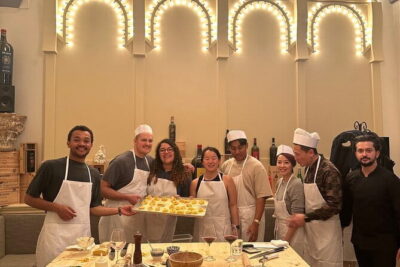
Florence: Pasta Cooking Class with Unlimited Wine
Read our review →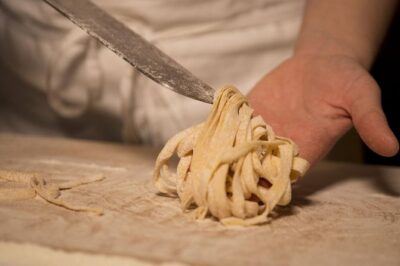
3 in 1 Cooking Class near Navona: Fettuccine, Ravioli & Tiramisu
Read our review →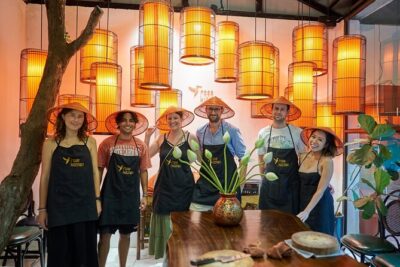
Hanoi Cooking Class: Culture, Local Market & Meaning CSR Impact
Read our review →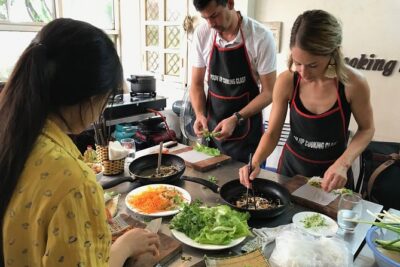
5 Traditional Dishes Hanoi Cooking Class with Market Trip
Read our review →
Cooking Class and Lunch at a Tuscan Farmhouse with Local Market Tour from Florence
Read our review →
Chiang Mai: Cooking Class, Market & Thai Herbs Garden Tour
Read our review →Browse the lists this tour appears in