
Review · KOREAN
Korean Cooking Class with Grocery Shopping at Seoul Local Market
Mangwon Market is the real starting point here, not a staged food hall. You shop for ingredients with Phoebe, a Korean homemaker and the host behind Seoul Foodventure, then carry those ingredients into a nearby studio and turn them into bulgogi, gyeran-jjim, and kimbap. I like that the market visit gives the cooking lesson a useful local setting. I also like the small group, capped at eight, which leaves room for questions and hands-on work.
The main drawback is the strict timing. The class begins at 10:30 a.m., and arriving more than 10 minutes late can mean missing the market portion. At $91.91 per person, this is not a bargain meal, but you are paying for a market visit, instruction, ingredients, lunch, and cultural context in one three-hour session.
Key points at a glance
- Mangwon Market first: Shop where local residents buy food, rather than starting in a classroom with pre-measured ingredients.
- Three practical Korean dishes: Learn bulgogi, steamed egg known as gyeran-jjim, and kimbap.
- Phoebe leads the class: Sunghyun, who goes by Phoebe, combines cooking instruction with stories about Korean food and daily life.
- Small group setting: The maximum is eight people, making this more personal than a large demonstration class.
- Convenient meeting point: The studio is near Mangwon Station and public transportation, at Seoul Foodventure, 377-4 Mangwon-dong, Mapo-gu.
- Useful after-class idea: Take any leftover kimbap to the Han River for a casual picnic.
Why Mangwon Market makes the lesson better
Many cooking classes begin with a neat row of ingredients waiting on a counter. This one begins with a shopping trip. That simple change gives you a better sense of how Korean meals come together at home.
Mangwon Market has operated for more than 40 years and is a regular shopping place for Phoebe. You are not simply walking through stalls while a guide points at unfamiliar food. You are choosing the ingredients needed for the class and seeing the kind of shops a local cook uses.
That matters because Korean cooking depends on more than a recipe card. The choice of meat, vegetables, seasoning, and side ingredients is part of the meal. At the market, you can connect the finished dishes with the ingredients before you cook them.
I also like the scale of Mangwon Market for this kind of activity. It is busy enough to offer plenty to see and buy, but the experience is not described as so crowded that you cannot move around. You might find food stalls, grocery shops, and other everyday market scenes, but the exact route and purchases can vary with the day’s cooking needs.
The market portion is also the part most sensitive to lateness. The class starts at 10:30 a.m., and you should arrive at the meeting point before then. If you arrive more than 10 minutes late, you may miss the market tour and lose one of the most distinctive parts of the experience.
More Market Tour Cooking Classes in South Korea
- Local Home Korean Cooking Class & Market Adventure in Seoul
★ 5.0 · 1,024 reviews - Seoul: Korean Cooking Class at a Local Home and Market Tour
★ 5.0 · 348 reviews - Cook 3 Authentic Korean Dishes with Local Market Tour
★ 5.0 · 231 reviews
Meeting Phoebe near Mangwon Station
The activity begins at Seoul Foodventure, located at 377-4 Mangwon-dong, Mapo-gu, Seoul. The studio is on the fourth floor, and the location is near Mangwon Station and public transportation.
The meeting point is useful for visitors who prefer not to spend half a day crossing Seoul. You can reach the class, shop, cook, and return to the same place within about three hours. The activity ends back at the meeting point, so you do not need to arrange a separate pickup or find your way to another neighborhood after lunch.
Phoebe, whose given name is Sunghyun, is the host and teacher. She started the business only about six months before one of the early class visits, so this is a relatively new operation. That can be a plus if you prefer a personal class built around one host rather than a large company with several interchangeable guides.
The available feedback places strong emphasis on Phoebe’s patience, clear explanations, and friendly conversation about Korean food and culture. One person described eating so much during the class that finishing the meal was difficult. That tells you to arrive hungry, especially since the dishes become your lunch.
Shopping for a Korean home meal
The market visit is not a separate sightseeing stop tacked onto the cooking class. It supplies the ingredients for the meal you will prepare.
Phoebe takes you to her preferred stores and explains the shopping process. You can expect to see how a local cook approaches the market, what ingredients matter for the dishes, and how food shopping fits into ordinary Korean life. The cultural value is in these small details. You are not only learning what to chop. You are learning how the meal begins before anyone turns on the stove.
The market also gives you a chance to ask questions in context. If you see an ingredient that is unfamiliar, you can ask about its use. If you have wondered how Korean cooks select ingredients for dishes such as bulgogi or kimbap, the shopping trip gives you a practical introduction.
There is one limit to keep in mind: the supplied details do not promise a free period to browse every stall or buy souvenirs. The shopping is tied to the class, so the pace will follow the needs of the cooking session. If you want a long, unstructured market visit, you may need to return on your own.
Cooking bulgogi, gyeran-jjim, and kimbap
The class teaches three recognizable Korean dishes, each with a different role in a home-style meal.
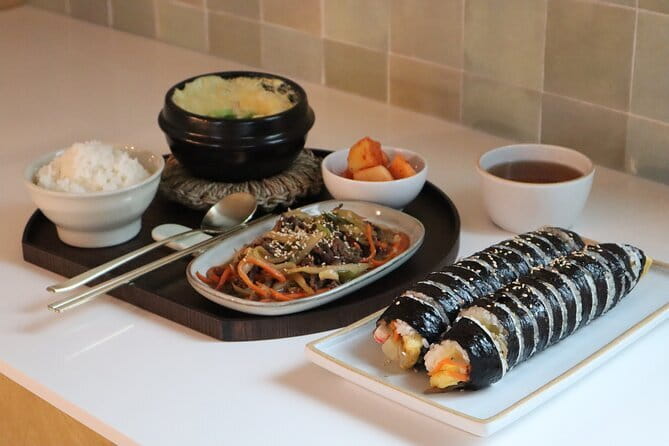
Bulgogi is marinated beef. It is one of the easiest Korean dishes for a beginner to understand because the key work happens before cooking. You prepare the meat with its seasoning, then cook it as part of the shared meal. The lesson can help you see how Korean flavor develops through preparation rather than relying only on heat or a complicated cooking method.
Gyeran-jjim is steamed egg. Its soft texture makes it a useful contrast to the beef and rice-based kimbap. It also gives you a chance to learn a preparation style that may be less familiar than pan-frying or boiling. If you are new to Korean cooking, this dish expands the class beyond the most internationally familiar choices.
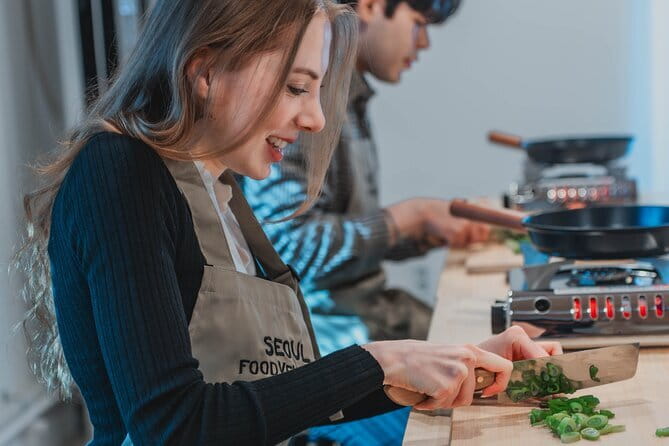
Kimbap is the hands-on centerpiece. You assemble fillings and rice, then roll them in seaweed. It is practical food for a picnic or packed meal, which is why the suggestion to take leftovers to the Han River makes sense.
You should not expect a formal chef school with advanced technique. The class welcomes complete beginners as well as experienced cooks. That makes it a good choice if you want to leave with dishes you can reasonably try again at home, rather than merely watch an expert prepare food at high speed.
The exact level of hands-on work can depend on the group and the day. Still, the format is built around shopping, preparing, cooking, and eating together, not simply watching a demonstration.
More Korean Cooking Classes in the world:
- Master Korean traditional cooking with a Kimchi chef
★ 5.0 · 385 reviews - Seoul: Korean Cooking at Seoul Cooking Club!
★ 5.0 · 311 reviews - Korean Cooking at Seoul Cooking Club
★ 5.0 · 220 reviews
A small studio meal near Mangwon
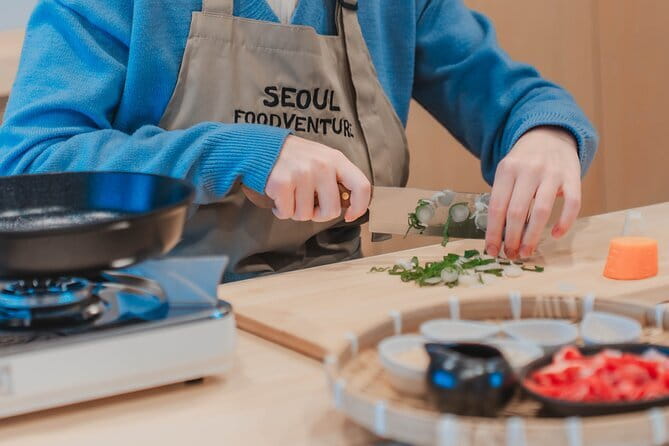
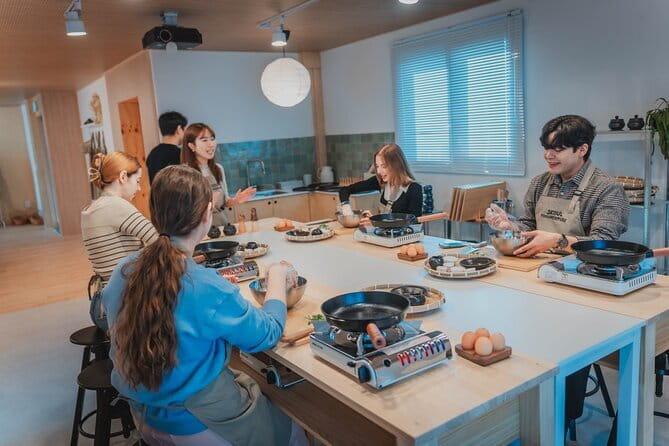
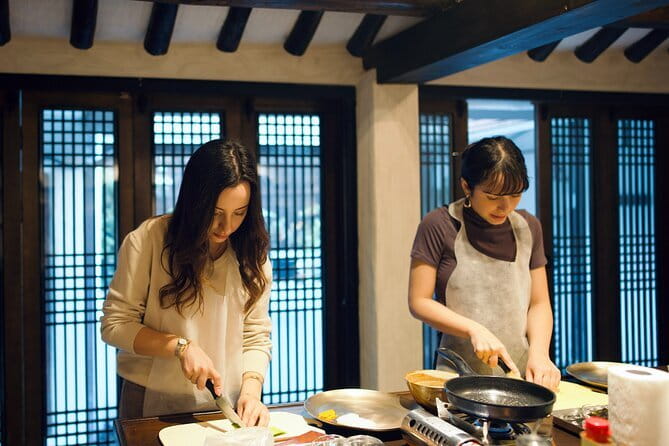
After the market, you cook in a cozy studio near the station. The studio is described as pleasant and comfortable, which is important in a class where you will spend the second part of the morning preparing and eating food.
The maximum group size is eight. That is small enough for the instructor to notice questions and keep the class from feeling like a public demonstration. It also means you may cook alongside only a few other people, rather than being placed in a large group where your role is limited.
A small group does not guarantee a private class. You should expect to share the kitchen and meal with other participants. For solo visitors, couples, and small groups who want to meet people through food, that shared format can work well. If you need a quiet private lesson, check the booking details before paying.
The class ends with the food you prepared. This is a full meal rather than a brief tasting, so a light breakfast or no breakfast may be sensible. The supplied information does not specify drink menus, dessert, or extra dishes, so you should judge the experience mainly by the three listed recipes and the market visit.
The cultural side of the recipes
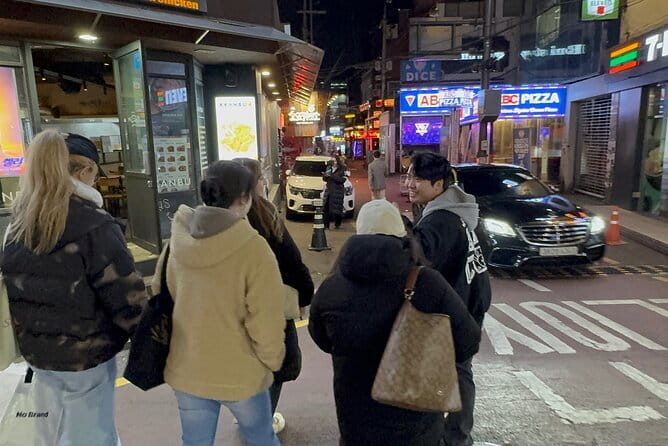
The best part of a class like this is often the conversation between steps. Korean cooking is connected to family meals, shopping habits, hospitality, and the way dishes are served together. Phoebe explains those connections while you work.
You will hear about the cultural meaning behind the food traditions, as well as everyday life in Korea. That makes the experience different from following a recipe at home with a video. The food becomes a way to understand how people shop, cook, and eat.
I would pay attention to the ordinary details. Ask how the dishes fit into a home meal. Ask which parts can be prepared ahead. Ask what Phoebe would change when cooking for family. These questions can help you turn three class recipes into a better sense of Korean home cooking.
The class is especially useful for you if food is a main reason for visiting Seoul but you want more than restaurant meals. You get to see ingredients before they are prepared, learn how they are handled, and eat the final dishes in the same session.
Is $91.91 a fair price?
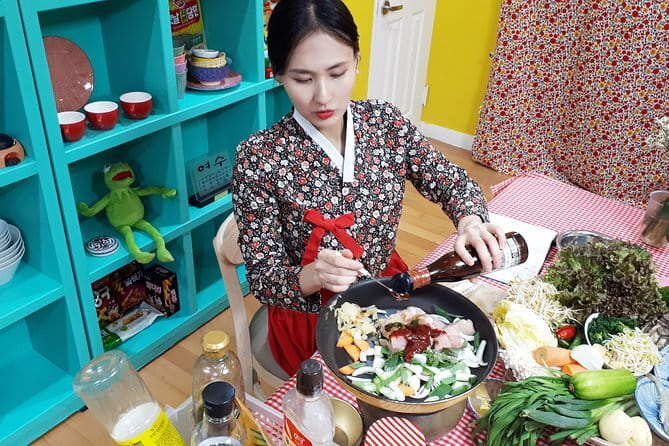
At $91.91 per person, this experience sits above the price of a simple Korean lunch. You are not paying only for the food. The cost covers roughly three hours, a guided market visit, ingredients, instruction, use of the cooking studio, and the meal you prepare.
I see the value most clearly if you want a personal introduction to Korean food and do not have time to arrange a market visit and cooking lesson separately. The small group also matters. A larger class might cost less, but it could provide less opportunity to ask questions or handle the food yourself.
The value is weaker if your main goal is simply to eat bulgogi, kimbap, and steamed egg. Seoul offers many less expensive ways to enjoy Korean dishes. This class earns its price through participation and context, not through an unusually long meal or a large number of recipes.
The strong 5.0 rating from 107 reviews and a 100 percent recommendation rate point to consistent satisfaction, especially with Phoebe’s teaching, the market visit, and the meal. Ratings cannot tell you if the pace, group setting, or price matches your style, so use them as supporting evidence rather than the only reason to book.
Practical details that affect your morning
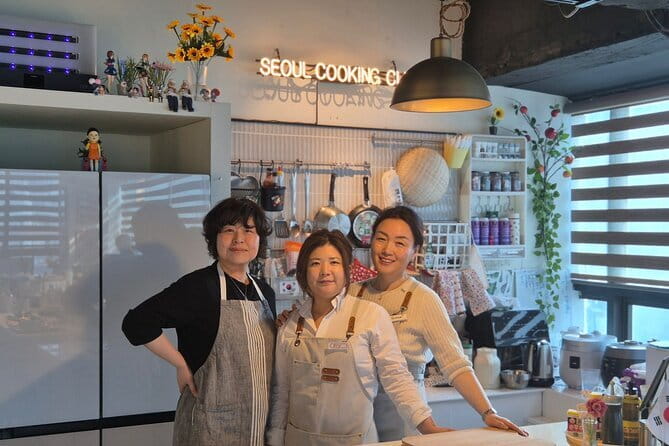
Plan to arrive early. The scheduled start is 10:30 a.m., and the host asks you to respect the timing because the group heads into the market. Missing the first 10 minutes could mean missing the market tour.
The experience uses a mobile ticket. Confirmation is provided when you book, and the activity is near public transportation. Service animals are allowed.
If you have dietary restrictions, tell the host in advance. This is particularly important because the menu includes beef, egg, rice, seaweed, and other ingredients selected during the market visit. The supplied details do not promise substitutions, so you should not wait until the class begins to raise the issue.
Cancellation is free if you cancel at least 24 hours before the local start time. Cancellations or changes made less than 24 hours before the activity are not accepted for a refund.
The experience runs for about three hours and returns to the original meeting point. If you want to continue your day nearby, the suggested option is to carry leftover kimbap to the Han River, spread out a mat, and have a picnic. The class does not state that a mat or transportation is supplied, so treat that as your own follow-up plan.
Who will enjoy this class most?
I would choose this experience if you want to meet a local host, cook with your hands, and learn food customs in a small setting. It is particularly suitable for:
- First-time visitors who want a grounded introduction to Korean daily life
- Beginners who need clear instruction rather than advanced culinary training
- Solo visitors and couples who enjoy a shared meal with a small group
- Food-focused visitors who want to connect a market visit with a cooking lesson
- People who plan to recreate Korean dishes at home
You may want another activity if you dislike fixed schedules, cannot eat the listed ingredients, or prefer a long, independent market visit. You should also consider the price carefully if you only want a meal and do not care about learning the preparation.
Should you book the Mangwon Market cooking class?
Book it if you want a compact, personal food experience that combines local shopping with practical cooking. The market gives the morning a sense of place, while the three dishes give you something useful to take home beyond photographs.
I especially like this class for visitors who have already seen Seoul’s major sights and want a quieter way to understand the city. Phoebe’s role as both market guide and cooking teacher keeps the experience connected from start to finish. Just arrive on time, mention dietary needs ahead of time, and decide if $91.91 fits your budget.
If that price works for you, this is a strong pick for an authentic half-day food activity near Mangwon Station. If you only want inexpensive Korean food, spend the money at the market instead and skip the lesson.
FAQ
Where does the Korean cooking class begin?
It begins at Seoul Foodventure, South Korea, Seoul, Mapo-gu, Mangwon-dong, 377-4, on the fourth floor.
What time does the class start?
The class starts at 10:30 a.m. You should arrive on time because arriving more than 10 minutes late may mean missing the market tour.
How long does the experience last?
The activity lasts approximately three hours and ends back at the original meeting point.
Which Korean dishes will I learn to cook?
You will prepare bulgogi, gyeran-jjim, and kimbap.
How many people can join the class?
The activity has a maximum of eight participants.
Can I cancel for a full refund?
Yes. You can cancel at least 24 hours before the local start time for a full refund. Cancellations and changes made less than 24 hours before the start time are not accepted.
More Shopping Trips in the world
- Chiang Mai: Authentic Cooking Class with Market & Farm Visit
★ 4.9 · 4,546 reviews - Barcelona: Paella Cooking Experience & Boqueria Market Tour
★ 4.8 · 3,661 reviews - Cooking Class Hoi An:Local Market, Basket Boat, Fishing & Cooking
★ 5.0 · 3,660 reviews - Hoi An Cooking Class(Market,BasketBoat Crabfishing&Cooking Class)
★ 5.0 · 3,386 reviews
More Market Tour Cooking Classes in the world
- Hanoi Cooking Class: Culture, Local Market & Meaning CSR Impact
★ 5.0 · 5,147 reviews - 5 Traditional Dishes Hanoi Cooking Class with Market Trip
★ 5.0 · 4,890 reviews - Cooking Class and Lunch at a Tuscan Farmhouse with Local Market Tour from Florence
★ 5.0 · 4,831 reviews - Chiang Mai: Cooking Class, Market & Thai Herbs Garden Tour
★ 4.9 · 4,824 reviews
Just added around the world
- A Coruña: Local Market Shopping and Cooking Workshop★ 5.0 · 16 reviews
- Vegan/Vegetarian Ramen and Gyoza by Bentoya cooking★ 5.0 · 59 reviews
- Traditional Zanzibar Cooking Class including Spice Tour★ 4.5 · 14 reviews
- Verona: Pasta and Tiramisu Cooking Class with Fine Wine★ 4.8 · 633 reviews
- Thessaloniki: Greek Cooking Class, Market visit and Lunch★ 5.0 · 15 reviews
- Traditional Albanian Cooking Class in Tirana with Raki Tasting★ 5.0 · 125 reviews
- Ramen & Dumpling Cooking in Tokyo with Chef/Vegan possible★ 5.0 · 107 reviews
- Half-Day Kuza Cave Swimming Adventure and Cooking Class★ 4.5 · 44 reviews
Korean Cooking Classes, compared.
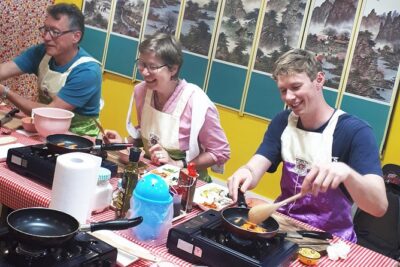
Local Home Korean Cooking Class & Market Adventure in Seoul
Read our review →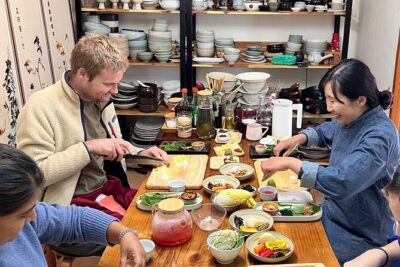
Master Korean traditional cooking with a Kimchi chef
Read our review →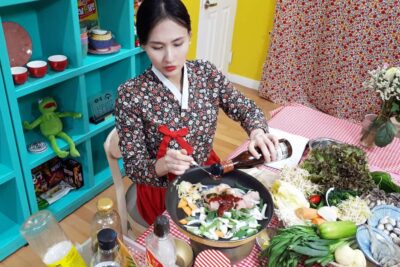
Seoul: Korean Cooking Class at a Local Home and Market Tour
Read our review →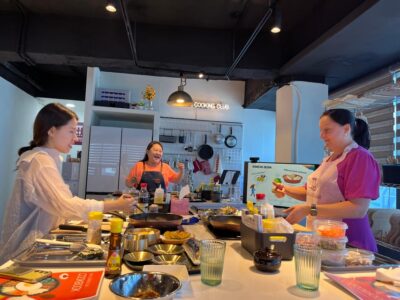
Cook 3 Authentic Korean Dishes with Local Market Tour
Read our review →
Browse the lists this tour appears in