
Review · JAPANESE & SUSHI
Experience Authentic Japanese Home Cooking in Kyoto
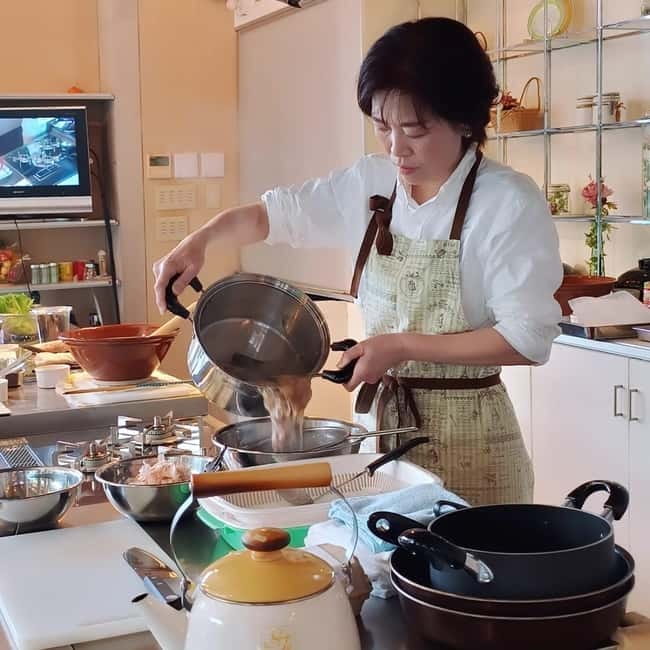
Kyoto has plenty of polished food tours, but this class gets closer to the everyday table. You make dashi from real bonito flakes and kelp, then use it in rolled omelet, simmered vegetables, and miso soup. I like that the food is built around additive-free seasonings and dishes you can repeat at home. I also like the private format and the chance to cook in a townhouse more than a century old.
The main point to check is the meeting information. The class description refers to a home near Sanjo Keihan and Sanjo Station, while the meeting point is also given as Subway Shijo Station, about a 10-minute walk away. Pickup is arranged after booking, so confirm the exact station and timing before you set off.
Key points at a glance
- Fresh dashi is the class foundation: Make soup stock from katsuobushi, or dried bonito flakes, and kombu, or kelp.
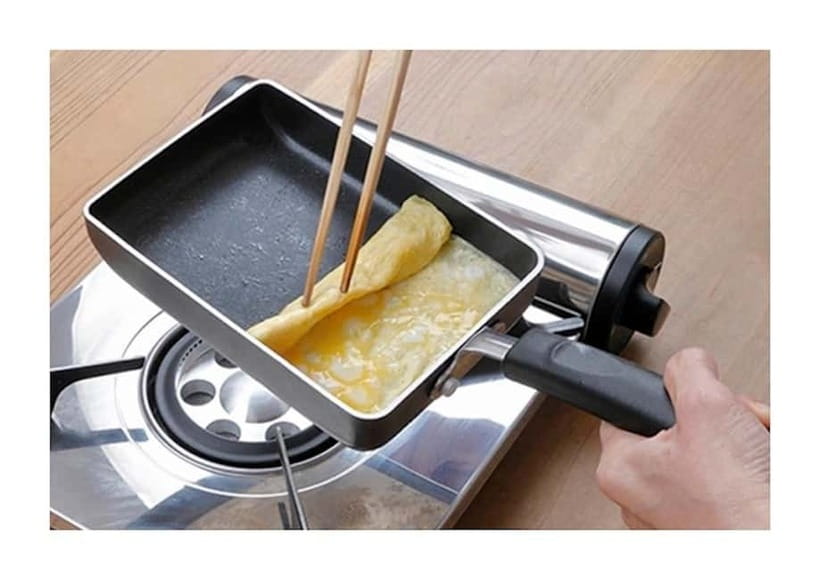
- You cook a complete Japanese home meal: The menu includes dashi-maki tamago, chicken teriyaki, simmered vegetables, miso soup, and rice-table plating.
- Kayo teaches practical skills: The class focuses on knife handling, ingredient preparation, seasoning, and methods you can use in your own kitchen.
- The setting is a traditional Kyoto townhouse: You cook in a home more than 100 years old rather than in a restaurant-style school.
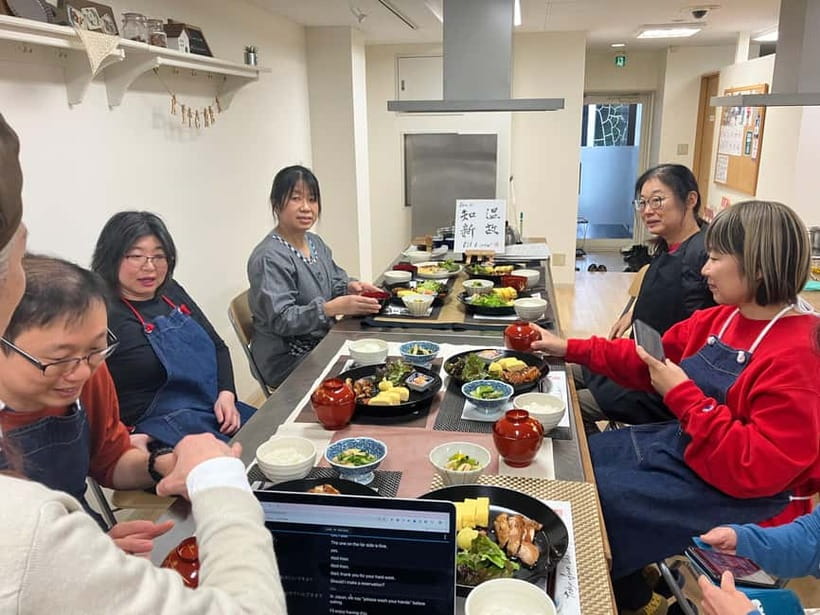
- The format is private and English-language: This suits couples, families with older children, and small groups wanting direct instruction.
- The class connects neatly with sightseeing: Heian Shrine, Gion, Yasaka Shrine, and Kyoto Imperial Palace are all described as roughly 15 to 20 minutes away on foot.
Why the dashi lesson matters
The most useful part of this experience comes before the main dishes. You make dashi from kombu and katsuobushi, rather than starting with a powdered stock or a ready-made packet. That gives you a clear look at the base flavor behind much Japanese home cooking.
Dashi is not simply a soup. It adds a gentle savory taste to omelet, vegetables, miso soup, and many other dishes. Once you understand how it is made, Japanese food on a restaurant menu becomes easier to read. You begin to notice the difference between a dish built on a clean broth and one weighed down by heavy seasoning.
The class also uses additive-free seasonings. That matters because the aim is not to copy a restaurant dish with a long list of sauces. You learn how Japanese families build flavor with a small set of ingredients, careful cutting, heat, and timing.
I especially like this approach for anyone who wants more than a one-off food memory. You can buy bonito flakes and kombu later, and the lesson gives you a practical reason to use them. It is a cooking class with a souvenir you can actually repeat.
More Home Cooking Classes in Japan
- Private Home Cooking in Yanaka – Local Flavors in a Warm Setting
★ 5.0 · 173 reviews - Near Fushimiinari: Kyoto Home Cooking Class & Supermarket tour
★ 5.0 · 100 reviews - Japanese Home Cooking Class & Walk in Todoroki Temple Tokyo
★ 5.0 · 88 reviews
A 2-hour-30-minute meal from stock to table
The class lasts about two and a half hours. The booking system may display the activity as a full-day option, but the stated cooking time is 2 hours 30 minutes, so allow extra time for getting to the meeting point and continuing your sightseeing afterward.
The session begins with dashi. You will handle the bonito flakes and kelp, observe the preparation, and use the finished broth in the dishes that follow. This is a good order for the class because you see the results of your first task several times during the meal.
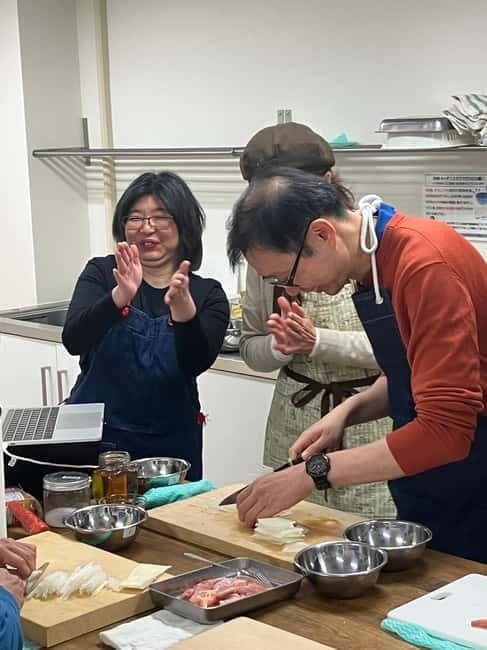
Next comes dashi-maki tamago, the Japanese rolled omelet. The dish looks simple, but the thin layers and rolling technique demand care. Fresh dashi gives the eggs a soft texture and a more savory taste than a plain omelet. You will also practice using a delicate Japanese knife, learning that the right cut is part of the dish, not just a way to make pieces smaller.
The simmered vegetables bring in the seasonal side of Japanese cooking. The exact vegetables change with the time of year, so this is the least fixed part of the menu. That is a plus if you want to understand how Japanese home meals follow the seasons, though it means you may not know the exact ingredients until the class.
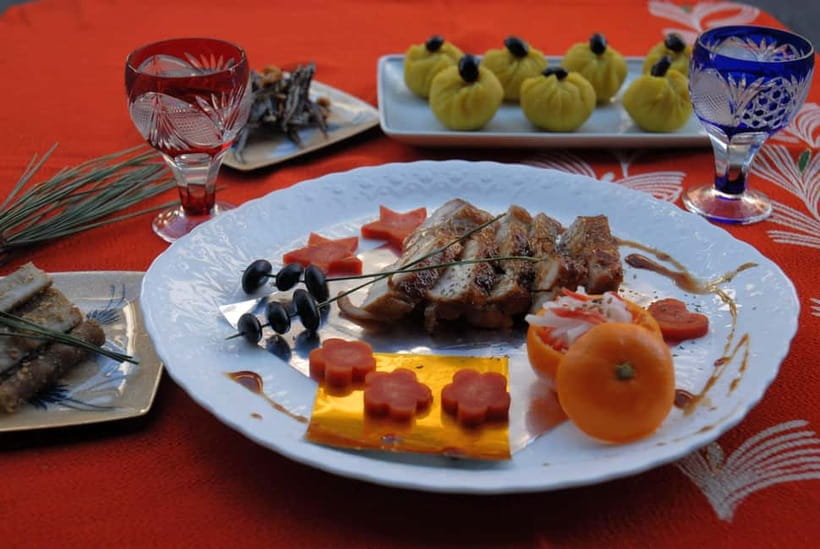
Chicken teriyaki provides a familiar anchor. Many people have eaten teriyaki outside Japan, but preparing it with traditional flavors shows how the home version can be balanced rather than overly sweet. You will work with the seasoning and cooking method, then compare it with the other dishes on the table.
Miso soup completes the meal. Because you have already made dashi, the soup becomes a direct lesson in how stock, miso, and other ingredients work together. The class then moves into plating and table setting, so you do not simply cook several separate items and eat them from random bowls.
Learning the Japanese home kitchen, not restaurant tricks
The class follows the home-cooking philosophy associated with Katsuo Doi, a well-known Japanese home-cooking expert. The focus is food that is warm, balanced, and practical for ordinary family meals, not decorative restaurant cooking that requires specialist equipment.
That distinction shapes the whole experience. You are not promised an advanced chef course or a theatrical demonstration. Instead, the instructor guides you through preparation, cutting, seasoning, and cooking in steps that beginners can follow.
The knife lesson may be particularly useful. Japanese knives are often lighter and more delicate than the heavy all-purpose knives many visitors use at home. You learn how to handle them with care while preparing seasonal vegetables and other ingredients. The class information does not specify the exact knife models or cutting styles, so expect practical instruction rather than a technical knife seminar.
The food philosophy also favors health and balance. Dashi adds flavor without requiring a large amount of sauce, while seasonal vegetables bring variety to the meal. This is a good choice if you want to understand why Japanese home food can feel satisfying without being rich or heavy.
You will also learn how presentation fits into daily Japanese life. Plating is not treated as a restaurant-only concern. Even a home meal benefits from arranging dishes with care and setting the table in a pleasing way.
Inside a 100-year-old Kyoto townhouse
The setting gives the class much of its character. You cook in a traditional Japanese townhouse that is more than 100 years old. The experience takes place in a home, not a large commercial cooking studio, which makes the lesson feel connected to ordinary Kyoto life.
A townhouse setting also helps explain the difference between this class and a standard food tour. You are not simply tasting a finished dish while someone tells you how it was made. You share a working kitchen and take part in the process from the first stock to the final meal.
The description says the instructor will meet you at the station after your reservation is confirmed. It lists Sanjo Keihan and Subway Sanjo Station as about a 10-minute walk from the classroom, while the meeting point is also listed as Subway Shijo Station. Because those details are not identical, I would send a message and confirm the pickup location before the day of the class.
This is not a serious problem, but it is worth handling early. Kyoto has several stations with similar names, and a cooking lesson is not the time to discover that your map is pointing to the wrong side of the city.
More Sushi and Japanese Classes in Japan:
- Sushi Making Tokyo Roll and Authentic Japanese Sushi Class
★ 5.0 · 3,971 reviews - Tokyo: Roll and Authentic Sushi Making Class in Asakusa
★ 4.9 · 1,957 reviews - Ramen Cooking Class at Ramen Factory in Kyoto
★ 5.0 · 1,937 reviews - Tokyo: Sushi Making Class in a Happi Coat near a Famous Spot
★ 4.9 · 1,377 reviews
The English instruction and private-group format
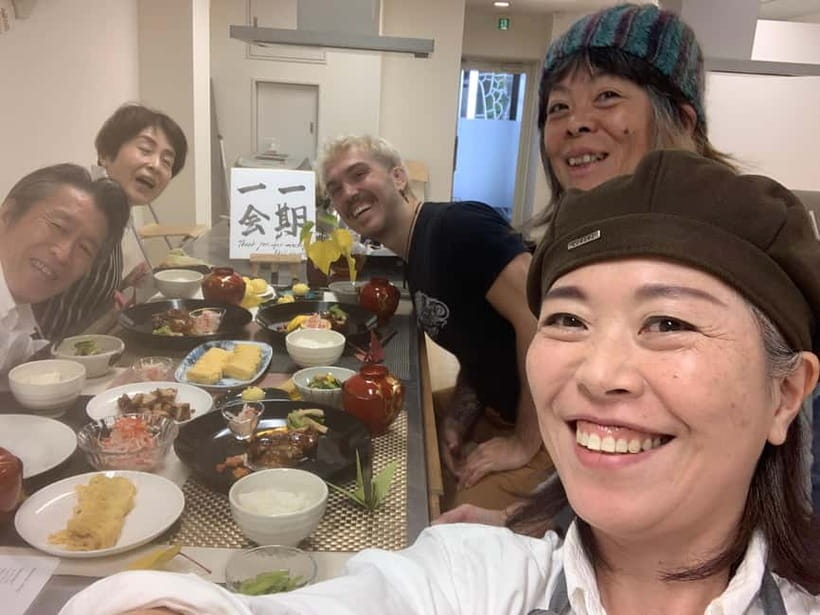
The class is taught in English, and the instructor named in the detailed information is Kayo. The teaching team has also arranged translation support when needed. One participant with professional kitchen experience found that the language difference did not prevent learning new techniques, which suggests that the class can work for both first-time cooks and more experienced people.
You should still think of the lesson as guided home cooking, not a formal culinary qualification. The value comes from direct help while you prepare the dishes, ask questions, and adjust your technique.
The private-group setup is another advantage. You are not placed in a large class where the instructor must divide attention among many stations. A private lesson can also suit people with different cooking abilities, since the pace and explanations can be adjusted more easily.
There is one clear restriction. Men-only groups cannot take part at this location. If your group consists only of men, the provider says it can arrange a separate kitchen, but you must contact them by message. This should be settled before booking rather than assumed.
Children under six are not suitable for the activity. The information does not set a higher age limit, so older children may be able to join, but consider the 2-hour-30-minute session and the need to handle knives and hot cookware.
How the $122 price works for you
At $122 per person, this is not a bargain meal. You are paying for a private, guided class rather than simply buying lunch in Kyoto. The price includes the cooking experience, apron and cloth rental, all menu ingredients, and the meal you prepare.
The strongest value comes from the amount of direct instruction. You make several dishes, learn the dashi process, practice knife work, and eat the finished meal. If you return home and repeat even two or three of the recipes, the class becomes more useful than a standard restaurant visit.
The food itself is also part of the cost. Bonito flakes, kombu, seasonal vegetables, chicken, eggs, miso, and additive-free seasonings are all included. A dashi soup set is not included, nor are merchandise purchases, so you should not expect to leave with a packaged cooking kit.
I would book this for someone who values access and instruction more than the cheapest possible meal. If your main goal is to eat as much as possible for $122, a restaurant will offer better value. If you want to understand how a Japanese home meal is made and take the method back to your own kitchen, the price is easier to justify.
Pairing the class with Kyoto sightseeing
The location works well with a day of central Kyoto sightseeing. Heian Shrine, Gion, Yasaka Shrine, and Kyoto Imperial Palace are all described as within a 15 to 20-minute walk of the area. These times are approximate, so use them as planning guidance rather than a promise for every route.
You could place the class between cultural visits, but avoid rushing. Cooking requires attention, especially during the omelet and knife sections. A relaxed schedule lets you enjoy the meal and still have time for nearby sights.
Gion and Yasaka Shrine are useful choices if you want to continue with traditional Kyoto streets and religious sites. Heian Shrine offers another major cultural stop, while the Imperial Palace gives you a different view of the city’s past. The class does not require you to spend the entire day in the kitchen, so it can fit neatly into a broader Kyoto plan.
Keep the meeting point issue in mind when arranging your route. The listed stations and the classroom description should be clarified in advance, then use the instructor’s pickup plan rather than guessing from the address.
Who will get the most from this class
I would recommend this experience to you if you meet one or more of these descriptions:
- You want to cook Japanese food at home after your trip.
- You prefer everyday food to a formal restaurant tasting.
- You enjoy small-group teaching and direct contact with an instructor.
- You are curious about dashi, miso, Japanese seasonings, and seasonal vegetables.
- You are traveling with a partner, family group, or friends and want a shared activity.
- You have some cooking experience and want to learn small technique improvements.
It is less suitable if you dislike hands-on activities or want a quick demonstration with no participation. It may also be a poor fit for groups that need a men-only venue, unless the separate rental kitchen is arranged first.
The class has enough structure for a beginner, but it is not watered down for experienced cooks. An Australian participant who had spent much of his life working in kitchens still learned new tricks and techniques. That makes the lesson appealing to a broad range of abilities.
Booking details worth checking first
You can cancel up to 24 hours before the activity for a full refund. The reserve-now, pay-later option lets you hold a place without paying immediately, which is useful when your Kyoto schedule is still moving around.
Starting times depend on availability. Since the activity is private, your group may have more flexibility than a large scheduled tour, but do not assume every time of day is offered.
The instructor language is English. Translation support has been arranged when needed, but the clearest approach is to tell the provider about language needs or cooking concerns in advance.
Send a message before booking if your group is all male, if you need the alternate kitchen, or if the station directions are unclear. That small step removes the only real logistical wrinkle in the experience.
Should you book this Kyoto cooking class?
Book it if you want a personal introduction to Japanese home cooking rather than another restaurant meal. The real strengths are the bonito-and-kombu dashi, the useful menu, the private English-language instruction, and the old townhouse setting.
I would not choose it solely for a cheap lunch, and I would confirm the meeting station before paying. But for a visitor who wants to bring a little Kyoto home, $122 buys more than a meal. It buys a set of methods you can use again, taught through dishes that Japanese families actually eat.
FAQ
Where does the cooking class take place?
The class takes place in a traditional Japanese townhouse more than 100 years old in Kyoto. The classroom is described as about a 10-minute walk from Sanjo Keihan or Subway Sanjo Station.
Where is the meeting point?
The meeting point is listed as Subway Shijo Station. After your reservation is confirmed, the instructor will meet you at the station and take you to the home.
How long does the cooking experience last?
The cooking class takes about 2 hours and 30 minutes. The activity page may show a duration of one day, but the stated class time is 2 hours 30 minutes.
What dishes will I make?
You will make dashi, dashi-maki tamago, chicken teriyaki, simmered vegetables, and miso soup. You will also plate the dishes and set the table.
Is the class taught in English?
Yes. English is listed as the class language. Translation support has also been arranged when needed.
Is the cooking class private?
Yes. The group type is listed as a private group.
Can children join the class?
Children under six are not suitable for this activity. The provided information does not state a maximum age.
Can an all-male group attend?
Men-only groups cannot attend at this location. The provider says an alternate rental kitchen may be available, but you must contact them by message to arrange it.
Just added around Japan
- Gyoza Cooking Class in Kyoto: Traditional Japanese Dumplings★ 5.0 · 12 reviews
- Fujieda: Suisha-mura Traditional Japanese Cooking Experience★ 5.0 · 4 reviews
- Tokyo: Private Japanese Cooking Class with a Local Chef★ 5.0 · 81 reviews
- AKEMI’s SUSHiKiTCHEN: A fun sushi cooking lesson in Tokyo★ 5.0 · 5 reviews
- Ramen Making from Scratch with Tokyo Mom(Vegan Option Available)★ 5.0 · 39 reviews
- Shibuya Tokyo: Sushi Making Class (Vegan/Vegetarian/Halal)★ 4.7 · 29 reviews
- Vegan/Vegetarian Ramen and Gyoza by Bentoya cooking★ 5.0 · 59 reviews
- Ramen & Dumpling Cooking in Tokyo with Chef/Vegan possible★ 5.0 · 107 reviews
Japanese & Sushi Cooking Classes, compared.
Sushi Making Tokyo Roll and Authentic Japanese Sushi Class
Read our review →
Tokyo: Roll and Authentic Sushi Making Class in Asakusa
Read our review →
Ramen Cooking Class at Ramen Factory in Kyoto
Read our review →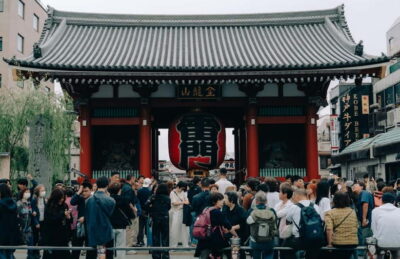
Tokyo: Sushi Making Class in a Happi Coat near a Famous Spot
Read our review →
Sushi Making Tokyo! Popular Maki Sushi & Japanese Sushi(+Recipe!)
Read our review →
Sushi Making Osaka Roll and Authentic Japanese Sushi Class
Read our review →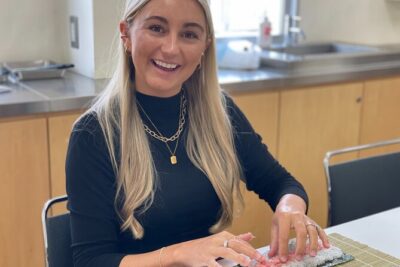
Tokyo Sushi Making Class in Tsukiji with Professional Chef
Read our review →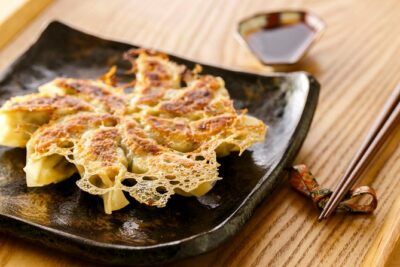
Ramen & Gyoza Cooking Class in Tokyo with Local Supermarket Visit
Read our review →Browse the lists this tour appears in