
Review · OSAKA
Osaka Okonomiyaki Cooking Experience!
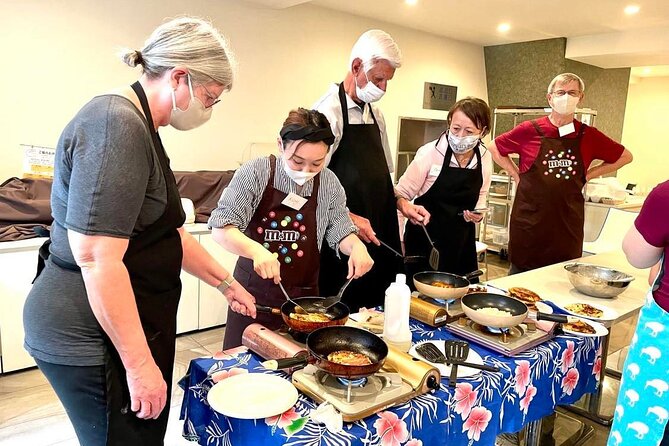
Osaka’s famous okonomiyaki is at its best when you make it yourself, then eat it with the people who taught you. This small class brings you into a hostel setting near Nagahoribashi, where Keiko, her mother, and sometimes Sachiko guide you through savory pancakes and miso soup.
I especially like the six-person limit, which leaves room for real help at the cooking plate. I also like the cultural exchange: local friends join the meal, and the conversation can range from Japanese family cooking to the ingredients you might use back home. The main consideration is that this is a social class rather than a formal culinary school, and shared ingredients mean cross-contamination is possible.
Key points at a glance
- Cook two Osaka staples: Make okonomiyaki and miso soup, then sit down and eat what you prepared.
- Learn from Keiko and her family: Keiko teaches in clear English, with help from her mother and local assistants such as Sachiko.
- Small group, real participation: The class takes no more than six people, so you are not just watching a demonstration.
- Bring the recipe home: The method uses ordinary equipment and can be adapted with local ingredients.
- A social Osaka evening: Invited locals join the conversation, making this part cooking lesson and part cultural exchange.
- Dietary requests are possible: Vegan, vegetarian, and Halal requests can be accommodated, but ask ahead because cross-contamination may occur.
Why okonomiyaki makes such a good Osaka class
Okonomiyaki is often translated as Japanese pizza or savory pancake. That comparison helps, but it misses the dish’s best feature: it is flexible. The name points to the idea of cooking what you like, and the batter can be adapted with different vegetables and other ingredients.
That flexibility makes this a useful class for home cooks. You are not learning a recipe that depends on a rare tool or a difficult technique. You learn the basic mixture, how to handle it on the cooking surface, and how to make choices based on what you can find at home.
Keiko also explains the difference between Osaka-style and Hiroshima-style okonomiyaki. That regional comparison gives the dish some context without turning the class into a lecture. You get a sense of why Osaka claims this comfort food as its own, and why similar pancakes can look and taste different across Japan.
The lesson has a practical purpose, too. You leave with a dish you can make for family or friends. Several participants have found the method easy to repeat at home, including one person who planned to make it for parties after returning from Japan.
More Sushi and Japanese Classes in Osaka:
- Sushi Making Osaka Roll and Authentic Japanese Sushi Class
★ 5.0 · 1,220 reviews - Osaka Sushi Making Experience
★ 5.0 · 400 reviews - Osaka: Ramen and Gyoza Cooking Class in Dotonbori
★ 5.0 · 378 reviews
Meeting Keiko near Nagahoribashi
The meeting point is at 1-chōme-1-3 Higashishinsaibashi, in Osaka’s Chuo Ward. The closest reference point is Nagahoribashi subway station, and the venue is near public transportation. Your mobile ticket is accepted for the activity, and the class begins at 4:00 pm.
That start time works well for a slower afternoon in central Osaka. You can visit another part of the city earlier, then make your way toward Higashishinsaibashi for an early dinner experience. The class lasts about two hours, so you should finish around 6:00 pm, although the exact pace can depend on the group.
The meeting point is worth checking carefully before you set out. The information describes a hostel and also refers to a breakfast-room setting, so look for the exact venue details in your booking confirmation. The area is accessible by subway, but do not leave the address until the last minute if you are unfamiliar with Osaka’s station exits.
A small class with room to cook
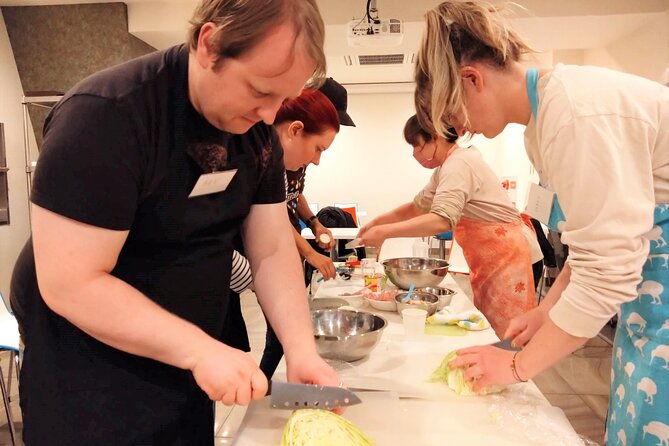
The maximum group size is six. That number matters here because okonomiyaki is hands-on. You need space to mix, shape, turn, and finish the pancake. In a large class, you might spend much of the time watching someone else handle the food. Here, you can expect to take part.
Keiko has taught this experience since 2015. Her role is more than showing you the steps. She explains how the ingredients work, answers questions, and helps you adjust the process so you can repeat it at home.
The class is relaxed rather than polished like a professional cooking school. That is a benefit if you want conversation and a friendly pace. It may feel less suitable if you are looking for advanced knife skills, restaurant training, or a formal certificate.
Keiko’s mother often helps with the class. She has also made the fabric aprons and small bags given to participants, using kimono material. These handmade items are a thoughtful touch, and they add a personal link to the family behind the experience.
Making okonomiyaki and miso soup
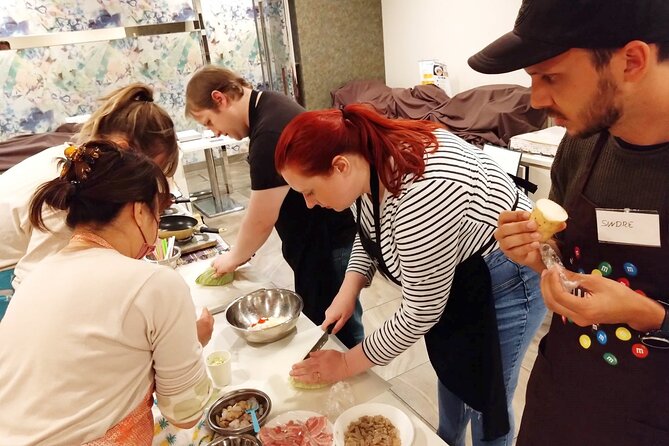
The cooking focuses on two dishes: Osaka-style okonomiyaki and miso soup. Keiko begins with an explanation of the dish and its background, then leads you through a straightforward method.
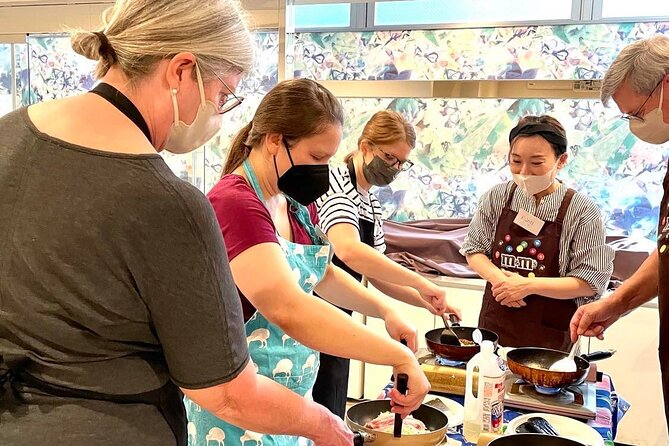
You will handle the preparation rather than simply watch. The cooking is designed to be approachable, even if you have little experience with Japanese food. Keiko and her assistants help as needed, and the small group allows you to ask questions without interrupting a large demonstration.
The okonomiyaki is the main event, but the miso soup gives the lesson a useful second layer. You learn how the two dishes work together as a simple Japanese meal. Once the cooking is finished, everyone sits down and eats together.
This shared meal is one of the strongest parts of the experience. You are not rushing away with a boxed dish. You have time to compare your results, discuss the flavors, and talk with Keiko, her mother, assistants, and other participants.
A mochi dessert may also be included. It is described as one of the pleasant extras offered during the class, but specific food items can vary. Think of it as a welcome addition, not the main reason to book.
A few more cooking classes around Osaka worth a look
- Osaka Cooking Class: Okonomiyaki &Japanese cuisines experience
★ 5.0 · 261 reviews - Ramen and Gyoza Cooking Class in Osaka
★ 5.0 · 202 reviews - Osaka Sake Tasting with Takoyaki Cooking
★ 5.0 · 156 reviews - Cooking Ramen&Gyoza/KatsuCurry/Bento/Okonomiyaki+Store Tour@Osaka
★ 5.0 · 138 reviews
The cultural exchange is part of the recipe
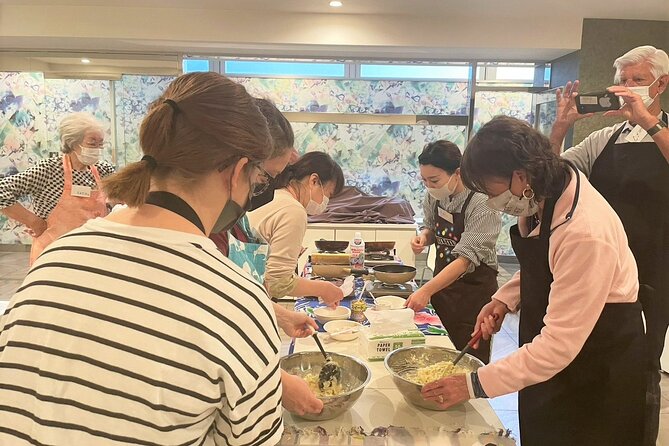
Keiko often invites Osaka friends to join the class. This changes the tone from a standard cooking lesson into a conversation around food and daily life.
You may talk about what Japanese families cook, how okonomiyaki fits into ordinary home meals, and how to adapt it with ingredients from your own country. The exchange works in both directions. Local participants can practice English, while you get a comfortable place to ask questions about Japanese customs and food.
The class can also work well if you are traveling alone. The group sits together, cooks together, and shares the meal, so conversation develops naturally around a task. You do not need to arrive with a group of friends.
Parents with older children can also find plenty to enjoy. A family that included children aged eight and eleven made the dish together, with Keiko patiently guiding them. The class is not advertised with a specific age range, so you should confirm if you have very young children, but the hands-on format is family-friendly for children who can take part safely.
If you want to practice Japanese, the setting may help. You can speak with local people in a low-pressure situation, using the food as an easy subject. English communication from Keiko is strong, but the class also leaves room for simple Japanese conversation.
Dietary needs and kitchen cautions
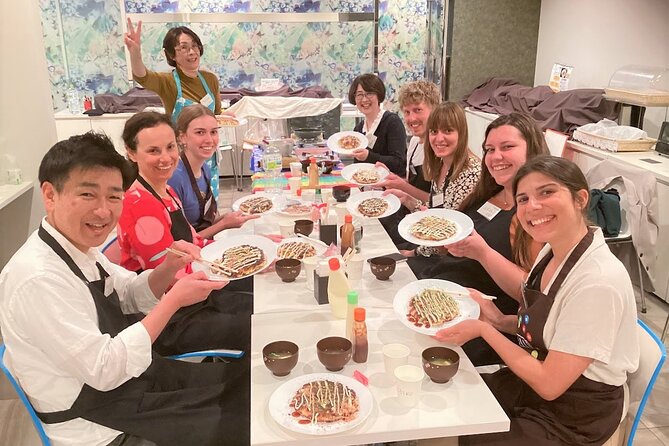
The host can accommodate vegan, vegetarian, and Halal requests. You should provide those details when booking rather than waiting until the class begins. That gives Keiko a chance to prepare suitable ingredients.
There are two important cautions. Ingredients may contain refined sugar, and group lessons carry a risk of cross-contamination. If you have a serious allergy or require strict separation of utensils and surfaces, this may not be the right experience unless the host confirms that your needs can be met.
The class is more flexible than a fixed restaurant menu, but flexibility does not mean a fully separate kitchen. Ask specific questions before booking if your diet is medical rather than a preference.
What you get for $49.55
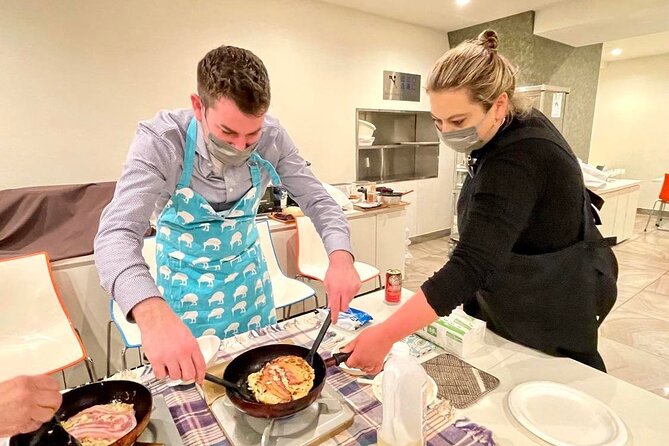
At $49.55 per person, this costs more than ordering okonomiyaki at a neighborhood restaurant. You are paying for more than the meal, though. The price includes roughly two hours of instruction, hands-on cooking, miso soup, the food you prepare, and a social exchange with local people.
The value is strongest if you want to learn a repeatable skill. A restaurant gives you a finished dish. This class gives you a method you can use at home, plus a better understanding of Osaka’s food culture.
The price also covers the personal attention made possible by the six-person limit. Keiko is not trying to manage a room full of people. She can answer questions, help with technique, and adjust the pace to the group.
The handmade apron and kimono-fabric bag add charm, but I would not book the class for the souvenir alone. The real value is the combination of food, instruction, and conversation. If you only want to taste okonomiyaki, a restaurant will be cheaper. If you want to make it and understand how it fits into daily Japanese cooking, this is a fair price.
The activity is often reserved about 45 days ahead on average. That is a useful sign to plan early, especially if you have only a few nights in Osaka or need a specific date.
Timing, cancellation, and practical planning
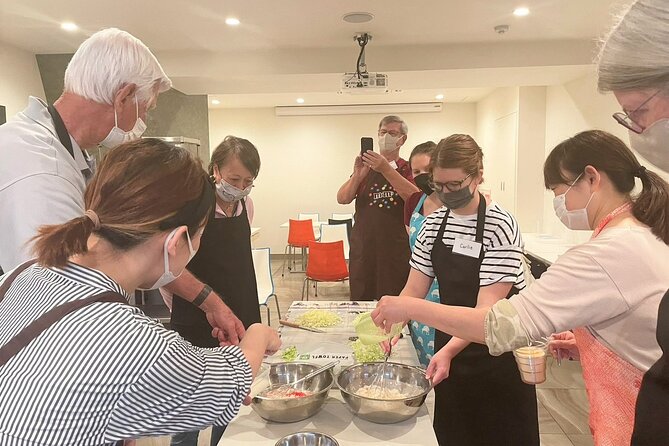
The class begins at 4:00 pm and lasts about two hours. It can also be offered at night on some dates, depending on availability. Check the time shown for your chosen date rather than assuming every session follows the same schedule.
The activity ends back at the meeting point. That makes it easy to continue your evening in central Osaka after the meal, though the experience itself is meant to be a complete activity rather than a stop on a wider guided tour.
You receive confirmation at booking, and free cancellation is available up to 24 hours before the start time. Cancellations or changes made less than 24 hours before the experience are not refunded or accepted. The cut-off follows Osaka local time, so keep that in mind if you are changing plans from another time zone.
Who will enjoy this most
I would choose this class if you want an easygoing food experience with personal contact. It suits couples, solo visitors, families with children old enough to participate, and anyone who likes learning by doing.
It is especially good for people who want a useful recipe rather than a one-time meal. The ingredients and method are simple enough to adapt, and the class encourages you to make your own version at home.
It also suits people who enjoy cultural conversation. Keiko’s invited friends create opportunities to ask about local life, compare food customs, and practice language. If you prefer quiet dining or do not want to talk with a group, the social format may feel like work.
I would be more cautious if you have severe allergies because of possible cross-contamination. I would also look elsewhere if you want an advanced cooking course, a long market visit, or a full tour of Osaka’s food district. This is a focused, friendly lesson in one dish, with miso soup on the side.
Should you book the Osaka okonomiyaki class?
Book it if you want to cook Osaka comfort food with a small group and meet local people around the table. Keiko’s patient teaching, her mother’s warm help, the handmade kimono-fabric gifts, and the chance to make the dish again at home give the class a personal feel that a restaurant cannot match.
Skip it if your priority is simply finding the lowest-cost dinner, or if strict food separation is essential. For most visitors who enjoy cooking and conversation, though, this is a practical two-hour introduction to Osaka through a dish that is easy to understand, fun to prepare, and genuinely useful after you return home.
FAQ
Where does the okonomiyaki cooking class meet?
It meets at 1-chōme-1-3 Higashishinsaibashi, Chuo Ward, Osaka, 542-0083, Japan. The venue is near Nagahoribashi subway station.
What time does the class start?
The listed start time is 4:00 pm. Night sessions may also be available on some days, depending on the schedule.
How long does the experience last?
The cooking class lasts about two hours and ends back at the meeting point.
How many people can join?
The maximum group size is six people.
What will I cook?
You will learn to prepare Osaka-style okonomiyaki and miso soup. A mochi dessert may also be included.
Can the class accommodate dietary requests?
Vegan, vegetarian, and Halal requests can be accommodated. Ingredients may contain refined sugar, and cross-contamination is possible during group lessons.
What is the cancellation policy?
You can cancel for a full refund up to 24 hours before the experience start time. Cancellations or changes made less than 24 hours before the start time are not accepted, and the payment will not be refunded.
Just added around Osaka
- Osaka Street Food Festival :Takoyaki&Okonomiyaki for Families★ 5.0 · 13 reviews
- Three Types of Ramen Cooking Class in Osaka★ 5.0 · 119 reviews
- Takoyaki DIY Cooking in the Heart of Osaka★ 5.0 · 7 reviews
- SUSHI Making Experience at Restaurant★ 5.0 · 8 reviews
- Sushi Making Osaka Omakase Cooking Class in Japan★ 5.0 · 4 reviews
- Cooking Class for Ramen and Gyoza in a Quiet Old Osaka House★ 5.0 · 3 reviews
- Sushi and Japnese foods cooking class in Osaka★ 5.0 · 51 reviews
- Ramen and Gyoza Cooking Class in Osaka Dotonbori★ 5.0 · 73 reviews
Japanese & Sushi Cooking Classes, compared.
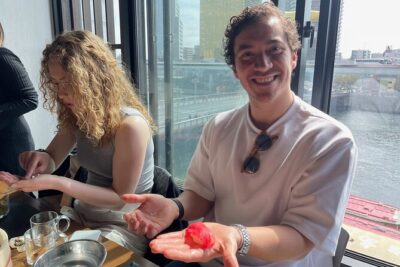
Sushi Making Tokyo Roll and Authentic Japanese Sushi Class
Read our review →
Tokyo: Roll and Authentic Sushi Making Class in Asakusa
Read our review →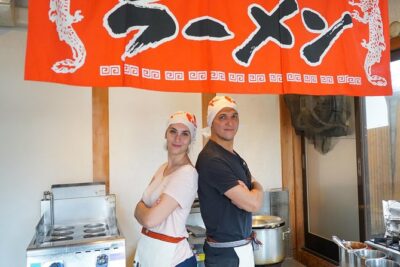
Ramen Cooking Class at Ramen Factory in Kyoto
Read our review →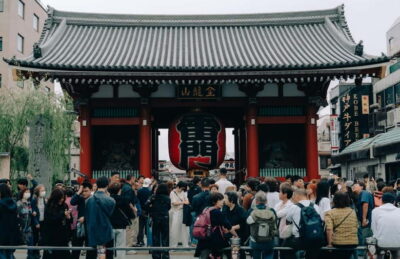
Tokyo: Sushi Making Class in a Happi Coat near a Famous Spot
Read our review →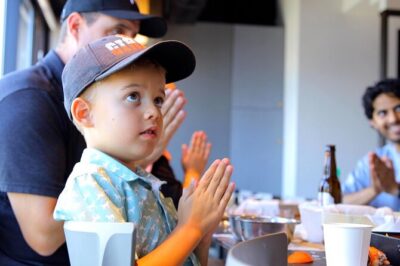
Sushi Making Tokyo! Popular Maki Sushi & Japanese Sushi(+Recipe!)
Read our review →
Sushi Making Osaka Roll and Authentic Japanese Sushi Class
Read our review →
Tokyo Sushi Making Class in Tsukiji with Professional Chef
Read our review →
Ramen & Gyoza Cooking Class in Tokyo with Local Supermarket Visit
Read our review →Browse the lists this tour appears in