
Review · OSAKA
【Private】Sushi Making Osaka! Omakase Cooking Class in Japan!
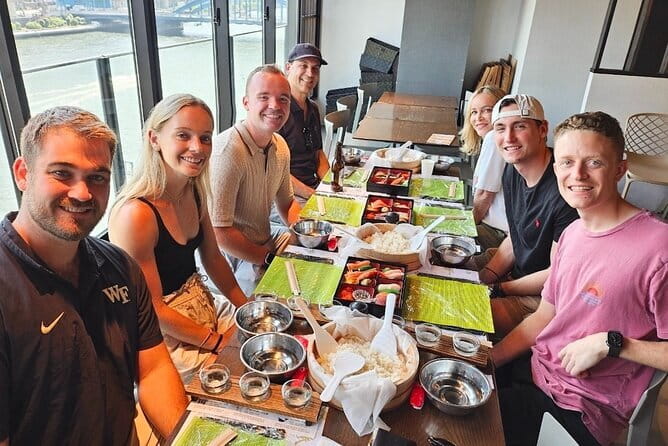
Sushi becomes much easier to understand when you make it yourself. In this 90-minute Osaka class, you learn the basics of nigiri and maki, hear how sushi developed, and eat what you prepare. The format is friendly and practical rather than formal.
I like the English-speaking instruction and the chance to make as much sushi as you like before sitting down to eat. I also like the menu flexibility, including vegan, vegetarian, halal, and gluten-free options when arranged ahead of time.
The main thing to check is the private-class setup. The activity is sold for your group alone, yet some comments refer to meeting other people during the session. Also, the provider name includes Tokyo even though the meeting point is in Osaka, so confirm the address before you go.
Key points at a glance
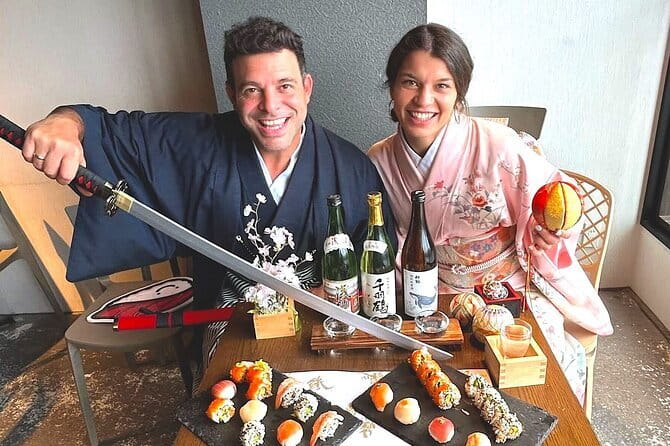
- Two classic sushi styles: Learn nigiri, the hand-formed style, and maki, the rolled style.
- A clear 90-minute format: The first half covers sushi history and practice, while the second half is for making and eating.
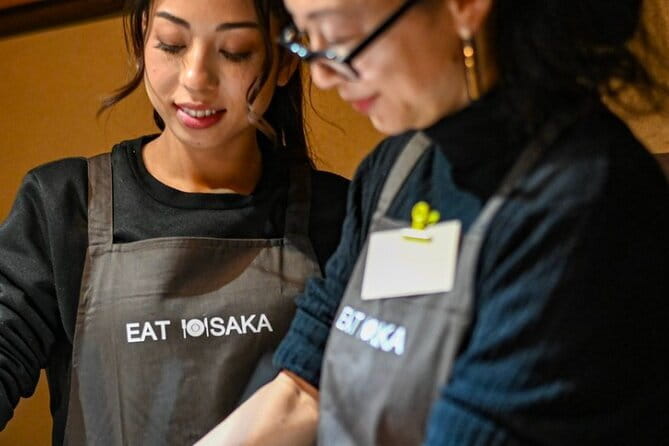
- English-speaking local staff: Momoka, Momo, Hiro, and other instructors are described as patient, lively, and easy to follow.
- Flexible food choices: Standard, gluten-free, vegan, vegetarian, halal, and some allergy menus are available with advance notice.
- Central Osaka setting: The class takes place at 1-chōme-16-20 Higashishinsaibashi, making it convenient to pair with sightseeing.
- Best for small groups: The price is $848.74 for up to 10 people, so the value improves when several people share the booking.
What this Osaka sushi class actually teaches
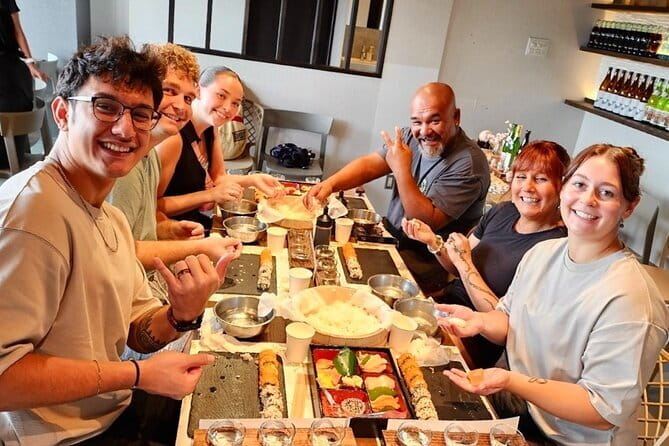
This is not a full-day culinary course. It is a short cultural activity built around two familiar forms of Japanese food.
You begin with an introduction to sushi and its history. That matters because sushi is more than raw fish placed on rice. The class gives you a little context before asking you to handle the ingredients, so the practical work has a cultural frame.
The main lesson covers nigiri sushi and maki sushi. Nigiri is the classic hand-shaped piece, with rice formed and topped with an ingredient. Maki is rolled sushi, where ingredients are enclosed in rice and seaweed. These are the two styles most people recognize, but they require different techniques.
Nigiri teaches control. You need to shape the rice without crushing it, then place the topping neatly. Maki requires a different rhythm, with the ingredients arranged and rolled together. Neither lesson turns you into a professional sushi chef in an hour and a half, but you will leave with a better sense of the hand movements and balance involved.
I like this choice of menu because it gives you contrast. You are not repeating one simple task for the whole session. You get to try the most recognizable hand-formed style and the more playful rolled style.
More Sushi and Japanese Classes in Osaka:
- Sushi Making Osaka Roll and Authentic Japanese Sushi Class
★ 5.0 · 1,220 reviews - Osaka Sushi Making Experience
★ 5.0 · 400 reviews - Osaka: Ramen and Gyoza Cooking Class in Dotonbori
★ 5.0 · 378 reviews
The first 45 minutes: context, instruction, and practice
The schedule is divided roughly in half. The first portion introduces sushi history and gives you time to try the techniques.
The instructors speak English, and the teaching style is designed for visitors from outside Japan. Momoka is described as funny and patient, while Momo and Hiro are praised for bringing energy and helping participants feel comfortable. The exact instructor can vary, so you should not assume one particular person will lead your class.
This friendly tone is important. Sushi can look simple until you try to form rice neatly or roll ingredients without making a mess. A patient teacher makes the difference between a frustrating activity and one you can enjoy with your family or friends.
The class also appears suitable for a wide age range. One detailed account describes it as enjoyable for any age, which makes it a sensible choice for a mixed group. Children may enjoy the hands-on work, while adults get the cultural background and a meal at the end.
You should expect instruction rather than a restaurant demonstration. The point is for you to participate. The staff explain the basics, show you how to proceed, and help you make your own pieces.
Nigiri and maki: two very different sushi lessons
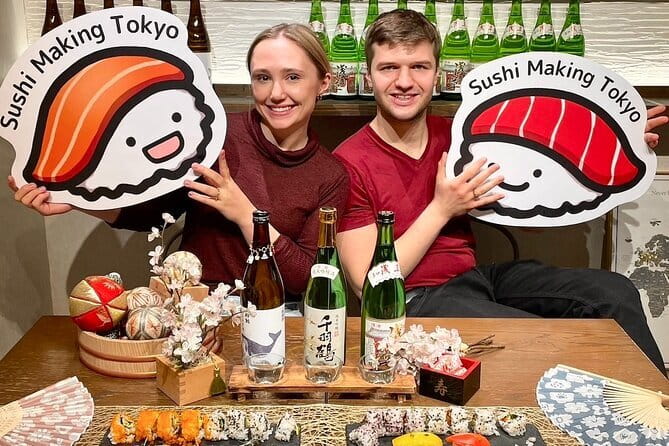
Nigiri is the more delicate part of the class. It is widely regarded as the standard sushi style in Japan and is often the form people picture first. Learning to shape the rice helps you understand why professional sushi preparation takes skill. Small changes in pressure can affect the texture and appearance.
Maki is usually more forgiving and more social. Rolling the ingredients into rice gives you a clear task, and the result is easy to share. It is also the style many people have encountered outside Japan, so the lesson connects familiar food with a Japanese setting.
You can make as many pieces as you like within the class time. That wording is useful, but it does not mean unlimited instruction or an unlimited meal. The session still lasts about 90 minutes, and the pace depends on your group and the teacher.
I would treat the class as a chance to practice and enjoy the process, not as a test of precision. Your first pieces may look uneven. That is part of the fun, and the activity is designed to leave you with a good memory rather than a professional certificate.
The second 45 minutes: make, eat, and compare your results
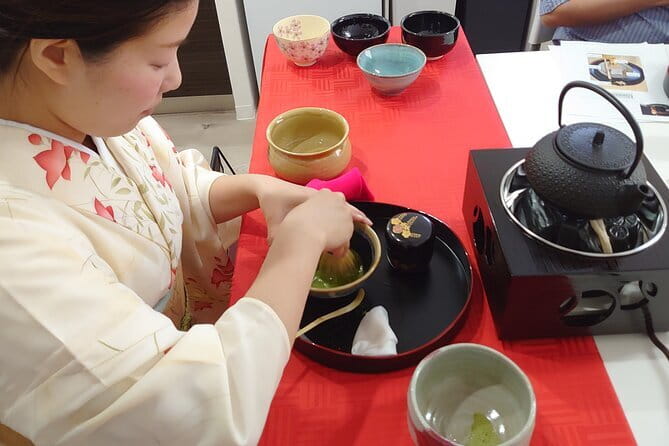
After the initial explanation and practice, the class shifts toward making sushi and eating it.
This division gives the experience a satisfying finish. You do not simply watch a demonstration and leave. You make food with your own hands, then sit down to eat it. That makes the activity feel more complete than a short cooking talk.
The food is included in the booking, along with the ingredients needed for the class. You should not expect hotel pickup, drop-off, or a separate sightseeing tour. This is a focused food activity, and the meeting point is also the end point.
The meal is likely to be most enjoyable when you approach it as part of the lesson. You are tasting the result of your own work and comparing nigiri with maki. The class also gives you a useful reference point for later sushi meals in Japan. After forming rice yourself, you may pay more attention to texture, shape, and proportion when you order at a restaurant.
More Hands-On Workshops in Osaka:
- Osaka Cooking Class: Okonomiyaki &Japanese cuisines experience
★ 5.0 · 261 reviews - Osaka: Roll and Authentic Sushi Making Class in Dotonbori
★ 4.9 · 239 reviews - Ramen and Gyoza Cooking Class in Osaka
★ 5.0 · 202 reviews - Three Types of Ramen Cooking Class in Osaka
★ 5.0 · 119 reviews
The instructors make the difference
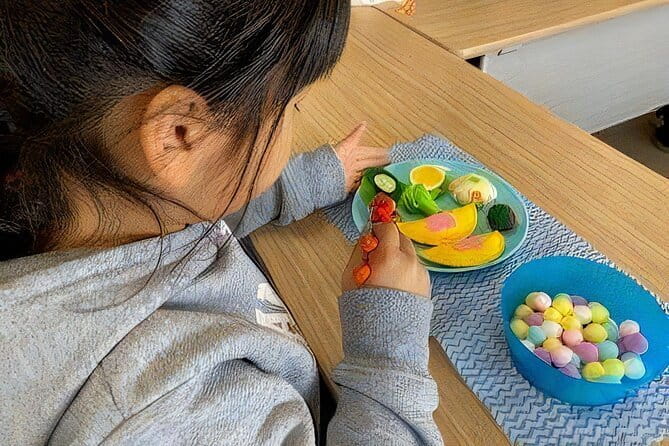
The strongest part of this activity is the staff. The available comments repeatedly highlight clear English, patience, enthusiasm, and humor.
Momoka is described as dynamic and comfortable in English. Momo and Hiro are also singled out for being enthusiastic and helpful. These details suggest that the class depends heavily on the people leading it, as any hands-on lesson does.
That is good news for first-time cooks. You do not need prior sushi experience, and you do not need to know specialist Japanese food terms before arriving. The English-speaking team is there to explain the process and keep the mood relaxed.
The provider began its cooking program in 2023 with a focus on Japanese food and cultural experiences. That makes the class relatively new, but the stated aim is straightforward: give international visitors a way to experience Japanese food by making it themselves.
One point needs care. The provider is called Sushi Making Tokyo, while this particular activity lists an Osaka meeting point and is described as a class in Osaka. Some response text also uses Tokyo wording. I would rely on the Osaka address supplied with your booking, and I would confirm it if anything looks unclear.
A central Osaka location with plans for afterward
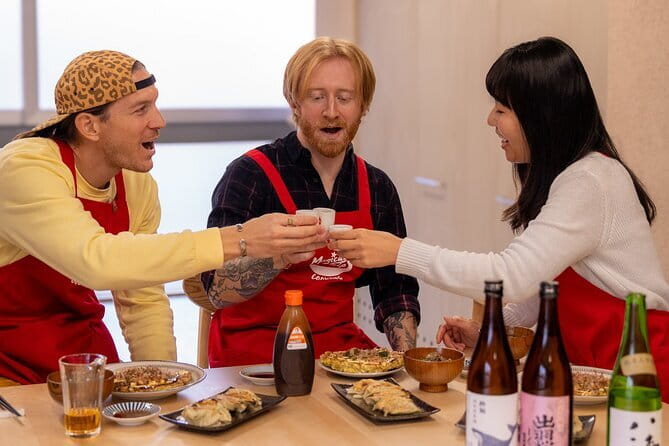
The meeting point is 1-chōme-16-20 Higashishinsaibashi, Chuo Ward, Osaka, 542-0083, Japan. The class is described as being in the heart of Osaka, near public transportation.
That location makes the activity easy to fit into a city day. You can schedule the lesson between other stops rather than setting aside a whole morning or afternoon. The class itself lasts about 90 minutes, but allow extra time to find the building and arrive promptly.
The area also gives you room to continue exploring after the meal. The activity description points to historic sites and other cultural places nearby, although it does not specify a walking route or particular attractions included in the class.
I like the idea of using the sushi lesson as a mid-day anchor. A short food activity can break up sightseeing, especially if your group wants something more active than another museum or shopping stop. Just remember that transportation to and from the meeting point is your responsibility.
Dietary choices require planning
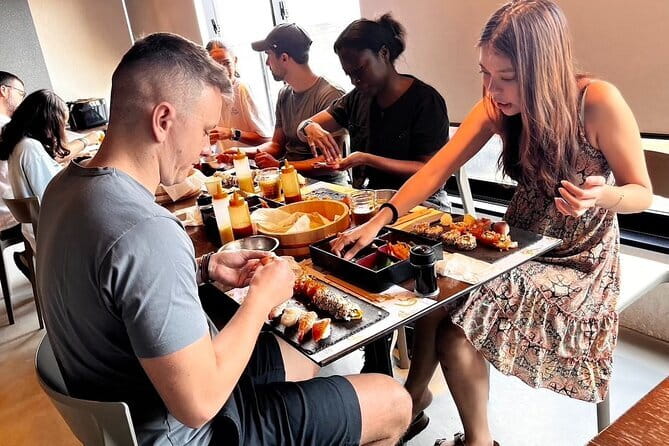
The standard menu can be changed to several alternatives:
- Gluten-free
- Vegan
- Vegetarian
- Halal
- Allergy-related menus
The allergy option is described with specific exclusions: meat, nuts, fruits, and dairy are not used for that version. You must contact the provider when you book if you need a menu change.
This is not a request you can make casually on the day. The provider says it cannot respond to menu changes on the day of the class and does not accept individual ingredient specifications. If you have a serious allergy or a strict dietary requirement, contact the provider before finalizing the booking and explain what you need.
The menu flexibility is a real advantage for groups with different diets. It also prevents one person from sitting out while everyone else cooks. Still, the limits matter. A menu category is not the same as a promise to remove every ingredient you dislike, so ask before booking if you need a very specific arrangement.
Is $848.74 good value for a group?
The listed price is $848.74 per group of up to 10 people. That is a high total for a 90-minute activity if you are booking for only one or two people.
The value changes sharply when shared across a larger group. Ten people would pay about $85 each before any additional booking costs. A group of five would pay about $170 each, while a couple would carry the full group price between two people. For a family reunion, birthday outing, or group of friends, the private format may make sense. For a solo visitor or couple, it is harder to justify.
You are paying for more than ingredients. The fee covers an English-speaking instructor, the teaching time, the food you prepare, and the convenience of a private booking. It is also an organized cultural activity in central Osaka, rather than a self-guided cooking attempt.
Still, the class is short. If your priority is a serious culinary lesson, you may find the price high for the amount of instruction. If your priority is a shared activity with a meal and an easy cultural introduction, the value is stronger.
One odd detail is the reference to meeting other people in one account, even though the activity is described as private. That may reflect a different session arrangement or the way the class was conducted at the time. If having the room exclusively for your group matters, ask for confirmation before paying.
Who will enjoy this most?
I would recommend the class most strongly to:
- Families looking for a hands-on Osaka activity
- Friends who want to cook and eat together
- First-time visitors curious about Japanese food
- Groups with vegan, vegetarian, halal, or gluten-free needs
- People who prefer a short activity that fits around sightseeing
- Anyone who enjoys food more when they help prepare it
It is less suitable for a person who wants a long, technical cooking course. It is also less attractive financially for one or two people unless the price feels comfortable.
The activity works especially well for people who enjoy a little performance and participation. You will handle food, try the techniques, and eat the result. If you prefer to sit quietly while a chef does the work, choose a restaurant meal instead.
Booking details worth getting right
Confirmation is sent at booking, and mobile tickets are accepted. The class begins and ends at the listed Osaka meeting point, with no hotel transfer included.
Free cancellation is available up to 24 hours before the start time for a full refund. Cancellations made less than 24 hours before the start are not refunded, and late changes are not accepted. The cut-off uses local Osaka time.
The class requires a minimum number of participants. If the provider cancels because that minimum is not reached, you can accept another date or experience, or receive a full refund.
Service animals are allowed, and the location is near public transportation. Those details help, but you should still check the exact meeting address and any dietary needs before the day of the class.
Should you book this sushi class?
Book it if you have a group of several people, want a light cultural activity, and like the idea of eating food you have just made. The friendly English-speaking instruction, flexible menus, and central Osaka location are the best reasons to choose it.
Think twice if you are traveling alone, traveling as a couple, or hoping for advanced chef training. The total group price is difficult to justify for a small booking, and the 90-minute schedule leaves little room for a long lesson.
For a family or group of friends, I would consider it a good Osaka add-on. Confirm the private format, verify the Osaka address, and arrange dietary changes before the class. Do that, and you should get a relaxed introduction to nigiri, maki, and the pleasure of making your own meal in Japan.
FAQ
Where does the sushi class take place?
The meeting point is Sushi Making Osaka at 1-chōme-16-20 Higashishinsaibashi, Chuo Ward, Osaka, 542-0083, Japan.
How long does the experience last?
The class lasts approximately 90 minutes.
What types of sushi will I learn to make?
You will learn to make nigiri sushi and maki sushi, also called roll sushi.
Is the class taught in English?
Yes. An English-speaking instructor leads the activity.
Is the activity private?
It is described as a private activity for your group, with bookings for up to 10 people. One account also refers to meeting other people, so confirm the exact setup if privacy is important to you.
Can I request a vegan, vegetarian, halal, or gluten-free menu?
Yes, those menu options are available when requested in advance. Allergy menus are also available, but the provider does not accept ingredient specifications and cannot handle menu changes on the day.
What is included in the price?
The price includes the English-speaking instructor, cooking-class ingredients, and the meal you prepare. Hotel pickup and drop-off are not included.
Just added around Osaka
- Traditional Home cooking Experience in Osaka, Japan★ 5.0 · 14 reviews
- Well-balanced BENTO (lunch box) Cooking Class★ 5.0 · 35 reviews
- Osaka Street Food Festival :Takoyaki&Okonomiyaki for Families★ 5.0 · 13 reviews
- Three Types of Ramen Cooking Class in Osaka★ 5.0 · 119 reviews
- Takoyaki DIY Cooking in the Heart of Osaka★ 5.0 · 7 reviews
- SUSHI Making Experience at Restaurant★ 5.0 · 8 reviews
- Sushi Making Osaka Omakase Cooking Class in Japan★ 5.0 · 4 reviews
- Cooking Class for Ramen and Gyoza in a Quiet Old Osaka House★ 5.0 · 3 reviews
Japanese & Sushi Cooking Classes, compared.
Sushi Making Tokyo Roll and Authentic Japanese Sushi Class
Read our review →
Tokyo: Roll and Authentic Sushi Making Class in Asakusa
Read our review →
Ramen Cooking Class at Ramen Factory in Kyoto
Read our review →
Tokyo: Sushi Making Class in a Happi Coat near a Famous Spot
Read our review →
Sushi Making Tokyo! Popular Maki Sushi & Japanese Sushi(+Recipe!)
Read our review →
Sushi Making Osaka Roll and Authentic Japanese Sushi Class
Read our review →
Tokyo Sushi Making Class in Tsukiji with Professional Chef
Read our review →
Ramen & Gyoza Cooking Class in Tokyo with Local Supermarket Visit
Read our review →Browse the lists this tour appears in