
Review · OSAKA
Experience Cooking Takoyaki in its Birthplace, Osaka
The best part of this Osaka experience is that you do not just buy takoyaki from a street stand. You learn the home-style ritual: pour batter, add fillings, rotate each ball with a pick, and eat the hot results together. Zen and Lisa, along with instructors named Masa and Risa in the supplied details, focus on patient instruction and practical tips.
I like the chance to use more than octopus, especially if you are vegetarian or cooking with children. I also like the small-group limit of 12 and the Ramune served with the meal. The main consideration is timing: two hours is a fair commitment for a single dish, and the meeting point in a central Osaka office building may take a little care to find.
Key points about making takoyaki in Osaka
- You cook in the birthplace of takoyaki: The class takes place in Osaka, where this food began.
- You learn the turning technique: The goal is a crisp outside and soft center, made by rotating the batter as it cooks.
- You can choose your fillings: Octopus is available, but cheese and crab sticks let you create your own versions.
- You drink Ramune with the meal: This familiar Japanese soda comes in a bottle with a glass marble inside.
- You get direct help from the instructors: Zen, Lisa, Masa, and Risa are named as the teaching team in the supplied details.
- The group is capped at 12 people: That keeps this more hands-on than a large demonstration.
Why this Osaka cooking class feels different from buying takoyaki
Takoyaki is easy to find in Osaka. You can buy a tray from a shop, watch the cook turn the balls at speed, and move on with your day. This class gives you the part most visitors miss: the social cooking itself.
In Osaka homes, takoyaki can be a shared meal and a relaxed gathering. The machine sits in the middle of the table, and everyone cooks at once. That makes the activity less like a formal chef lesson and more like joining a local food custom.
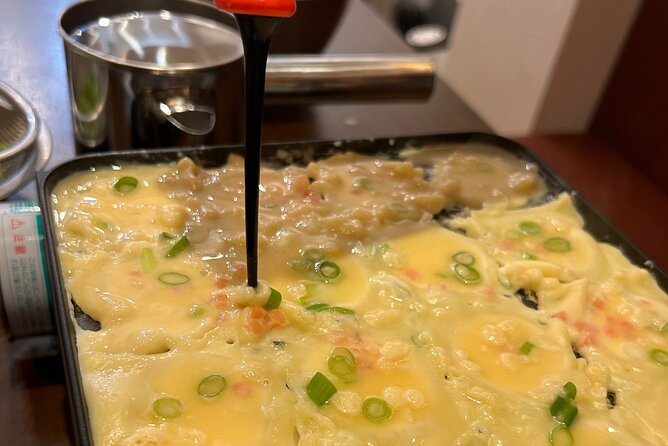
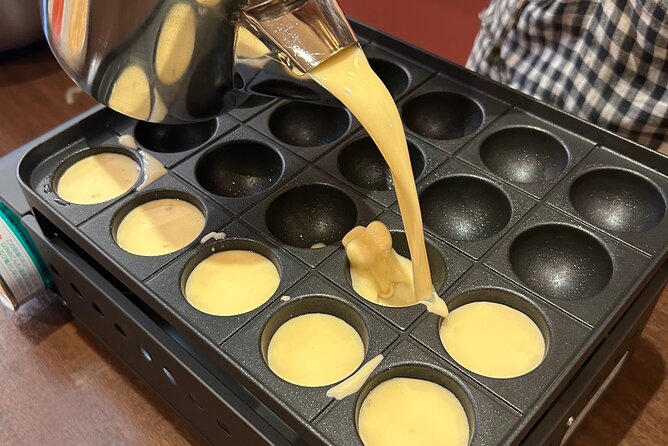
You will work with a special takoyaki machine, the kind commonly associated with Osaka households. The key motion is rotation. The batter begins as a loose mixture in each round section, then you use a toothpick or pick to turn the cooking edges inward until each piece forms a ball.
That simple motion takes practice. It also gives the class its fun. You are not expected to produce perfect spheres at once, and the instructors can show you how to improve your technique as the cooking continues.
A few more cooking classes around Osaka worth a look
- Osaka: Ramen and Gyoza Cooking Class in Dotonbori
★ 5.0 · 378 reviews - Osaka Cooking Class: Okonomiyaki &Japanese cuisines experience
★ 5.0 · 261 reviews - Ramen and Gyoza Cooking Class in Osaka
★ 5.0 · 202 reviews
Meeting at 369 Kitchen Studio in central Osaka
The meeting point is 369 Kitchen Studio at:
Japan, 〒530-0002 Osaka, Kita Ward, Sonezakishinchi, 2-chōme-1-13, Tatsumi Jutaku Umeda Building.
The activity begins and ends at this same location. It is near public transportation, but the address is in a building rather than a famous sightseeing landmark. Give yourself enough time to locate the correct entrance and floor.
The supplied details note that directions with photos may be provided. That is useful here, especially if you are moving through the Sonezakishinchi area and relying on a phone map. Your mobile ticket is accepted, and booking confirmation is sent within 48 hours, subject to availability.
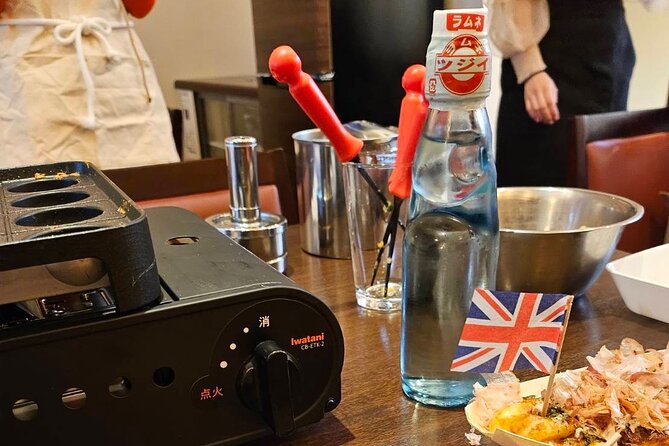
The room is described in one account as a restaurant with the proper tools for making takoyaki. That matters because you are not watching a simple table demonstration. You are working with the equipment needed to cook the dish in the usual round wells.
The first part of the class: learning the Osaka method
The class begins with an explanation of how takoyaki is made and why the cooking method matters. You will use the machine to cook the batter while gradually rotating each portion.
The instructors show you how to shape the balls rather than expecting you to guess. Their teaching style is a major part of the appeal. Zen, Lisa, Masa, and Risa are described as welcoming, patient, and focused on helping first-time cooks succeed.
You may hear tips on timing, turning, and handling the batter. The exact order of instruction can vary, but the central task remains the same: keep working the cooking mixture until it forms a round outside with a soft interior.
The stated cooking time is about 20 minutes. That is long enough for you to take part rather than simply watch. It is also short enough to keep the class moving, although you should expect to remain engaged at the machine while the food cooks.
Rotating the balls and getting the texture right
Takoyaki is not just batter with a filling. Texture is the whole point. The ideal result has a lightly crisp exterior and a soft center, and reaching that balance depends on how you turn the pieces.
At first, the portions may look uneven. That is normal. You use a pick to pull the cooked edges inward and rotate each piece little by little. The process rewards patience more than speed.
This is where the small group helps. With a maximum of 12 people, the instructors have a reasonable chance to check your technique and offer corrections. The available feedback suggests that the teaching is step by step, with tips that you can use later at home.
I would not treat the class as a cooking competition. The better goal is to understand the movement and enjoy the process. Even imperfect takoyaki can taste good, and your first batch gives you a chance to adjust before making more.
Same place, a different menu:
- Sushi Making Osaka Roll and Authentic Japanese Sushi Class
★ 5.0 · 1,220 reviews - Osaka Sushi Making Experience
★ 5.0 · 400 reviews - Osaka: Roll and Authentic Sushi Making Class in Dotonbori
★ 4.9 · 239 reviews - Osaka Sake Tasting with Takoyaki Cooking
★ 5.0 · 156 reviews
Octopus, cheese, and crab stick fillings
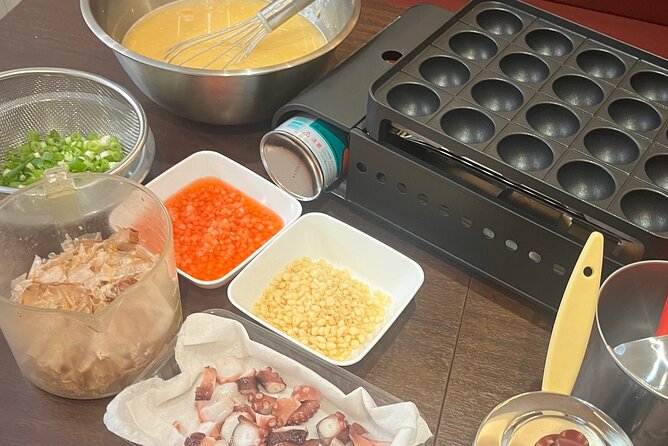
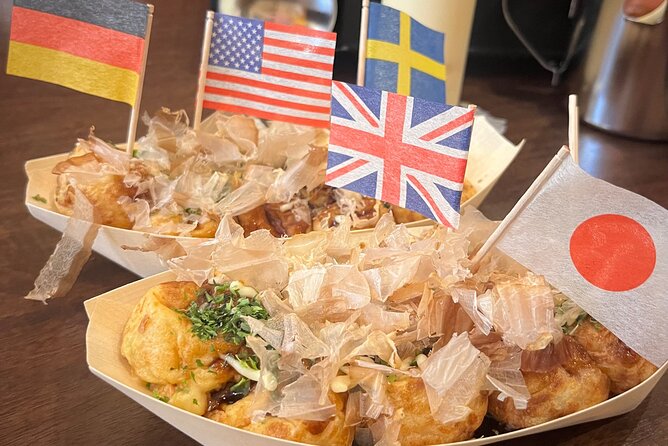
Traditional takoyaki usually contains octopus, and you can make that classic version here. But the class also provides cheese and crab sticks, so you can vary the fillings and make several types.
That choice makes the activity work for a wider group. If you are unsure about octopus, you can try a different filling. If you are vegetarian, the cheese option may make the class more suitable, though you should confirm any dietary needs before booking because the supplied information only specifically mentions accommodation for a vegetarian participant.
The choice of fillings also explains why the class can appeal to children. Takoyaki is served hot, so care is still needed, but the activity lets younger cooks make familiar combinations rather than limiting everyone to seafood.
I like this part because it gives you something to compare. You can see how the same batter changes when filled with octopus, cheese, or crab stick. It turns one dish into a small tasting session without making the menu complicated.
Eating the finished takoyaki with Ramune
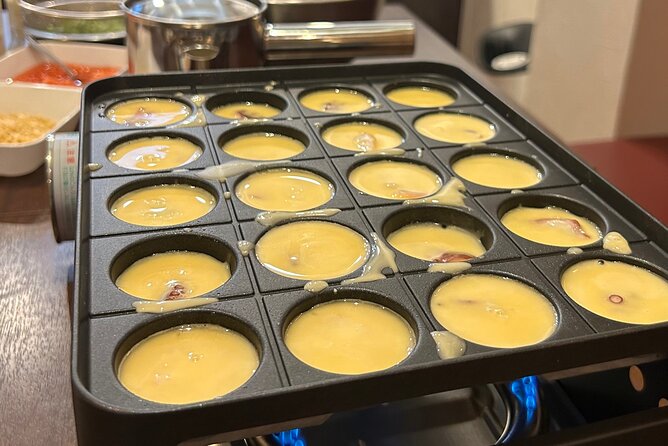
Once the takoyaki is ready, you eat it hot. Traditionally, you use a toothpick, which adds another small piece of local food culture to the experience.
Be careful with the first bite. Fresh takoyaki can be much hotter inside than it appears from the outside. The soft center holds heat, so let it cool briefly before eating.
The class also includes Ramune, a Japanese carbonated drink known for its glass marble inside the bottle. Opening the bottle is part of the fun, especially for children and anyone trying it for the first time.
Ramune gives the meal a distinctly Japanese feel, but it is also sweet and fizzy. If you prefer a less sugary drink, the supplied details do not list an alternative, so you may want to ask the provider before booking.
The people teaching the class
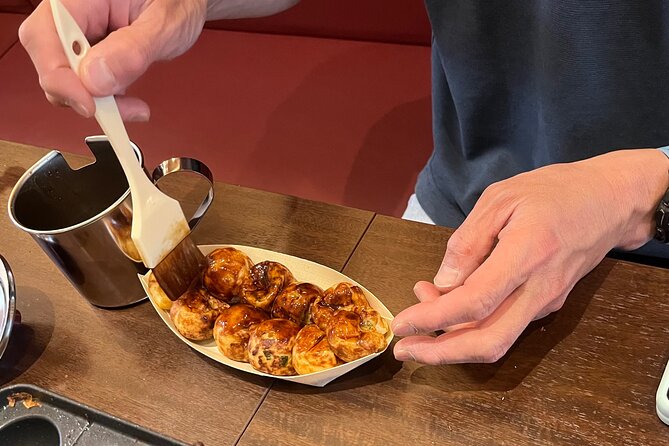
The supplied information names Zen and Lisa as instructors in several accounts, while Masa and Risa are also identified as hosts in other sessions. You may therefore encounter different members of the teaching team depending on the date.
The strongest pattern is the teaching approach. The instructors are described as practiced, friendly, patient, and willing to chat while you cook. They explain the process clearly and share tips instead of taking over the machine.
That matters for a hands-on class. A demonstration can look easy when an experienced cook is turning the balls rapidly. You need someone who will slow down, show you the motion, and let you try. This experience is built around that kind of guidance.
The conversation can also extend beyond food. The supplied accounts describe discussions about Osaka culture, travel, anime, and stories from different countries. That makes the two hours feel more personal than a short cooking demonstration.
What the two-hour schedule means for your day
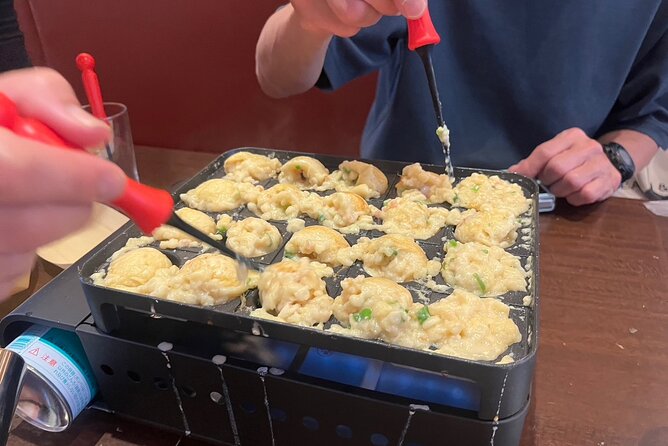
The activity lasts about two hours and returns to the meeting point. That makes it easy to fit into a day in Osaka, but you should avoid placing a tight appointment immediately afterward.
Cooking time is only part of the schedule. You also need time for introductions, explanations, preparing the food, turning the takoyaki, and eating together. The pace is likely to feel relaxed rather than rushed.
A morning booking can work well if you want a meal and an activity together. You could also place it between sightseeing stops in central Osaka. Since the location is near public transportation, it should be practical to reach from other parts of the city, though the information does not provide a specific station or walking time.
The class is capped at 12 people. That is not a private lesson, but it is small enough to keep the cooking social and manageable. If your group includes children or first-time cooks, the limit is useful because the instructors are not dealing with a huge room.
Is $42.35 a fair price?
At $42.35 per person, this costs more than buying a serving of takoyaki from a shop. You are paying for instruction, use of the cooking equipment, ingredients, the time spent making the food, and the shared cultural setting.
The value depends on what you want from Osaka. If you only want a quick taste, buying takoyaki is cheaper and faster. If you want a hands-on activity that explains how the dish fits into home life, the price is easier to justify.
I see the strongest value in the combination of food and skill. You do not simply leave with a meal that is gone in minutes. You learn a technique that can be repeated at home, and the class gives you a better sense of why takoyaki is treated as a group activity.
The price also includes variety. You can make octopus, cheese, and crab stick versions rather than paying separately for several dishes. Ramune adds a small extra touch to the meal.
This is not the best choice for a strict budget itinerary. It is a reasonable choice if you want one organized food experience during your time in Osaka and prefer participation over sightseeing from the sidelines.
Who will enjoy this activity most
I would recommend this class to families, couples, friends, and solo visitors who like meeting people through food. It works especially well for anyone who has seen takoyaki sold around Osaka and wants to understand how it is made.
It is also a good option for first-time cooks. The instructors are used to guiding beginners, and the class focuses on a clear, repeatable technique. You do not need advanced kitchen skills to take part.
Vegetarians may find the cheese option useful, and the supplied information includes an account of the instructors accommodating a vegetarian participant. Still, you should check the available ingredients before booking if you have allergies, strict dietary rules, or concerns about shared cooking equipment.
Children can enjoy the activity because they can choose fillings and help turn the takoyaki. The food and machine are hot, so an adult should supervise younger children, but the activity is designed as a family-style cooking gathering.
You may want to skip it if you dislike group activities, do not want to cook on vacation, or have very limited time in Osaka. A shop visit will suit you better if the goal is simply to eat takoyaki quickly.
Practical points before you book
Confirmation arrives within 48 hours, subject to availability. The experience accepts a mobile ticket, and the maximum group size is 12 people.
Free cancellation is available if you cancel at least 24 hours before the local start time. Cancellations made less than 24 hours before the start are not refunded, and late changes are not accepted.
The stated policy also says the activity may be canceled because of poor weather or because the minimum number of participants is not reached. In those cases, you are offered another date or experience, or a full refund.
The activity is listed as requiring good weather even though the cooking takes place indoors. Treat that as a condition of the provider’s policy and check the final confirmation before setting out.
Should you book this Osaka takoyaki class?
Book it if you want more than a snack and like the idea of learning a food tradition from instructors who work patiently with beginners. The class gives you a practical skill, several filling choices, Ramune, and a friendly way to spend two hours in Osaka.
I especially recommend it for families, food-focused visitors, and anyone curious about home-style Osaka cooking. The main reasons to hesitate are the $42.35 price, the need to find a building-based meeting point, and the fact that cooking takes longer than simply buying a tray.
For a first Osaka visit, this is a good pick when you want an activity that connects food with local social life. You leave with a better idea of how takoyaki is made, and perhaps with enough confidence to try it again at home.
FAQ
Where does the takoyaki class take place?
It takes place at 369 Kitchen Studio in the Tatsumi Jutaku Umeda Building, 2-chōme-1-13 Sonezakishinchi, Kita Ward, Osaka, 〒530-0002.
Where does the activity end?
The activity ends back at the meeting point.
How long does the experience last?
The experience lasts approximately two hours.
How much does the experience cost?
The listed price is $42.35 per person.
How many people can join the class?
The activity has a maximum of 12 participants.
Is a mobile ticket available?
Yes. The experience includes a mobile ticket.
What fillings can you use?
You can use octopus, cheese, and crab sticks. The description also encourages you to make original combinations with your preferred ingredients.
Is Ramune included?
Yes. Ramune is served with the takoyaki. It is a Japanese carbonated drink with a glass ball inside the bottle.
When will booking confirmation arrive?
Confirmation is sent within 48 hours of booking, subject to availability.
Can you cancel for a full refund?
Yes, if you cancel at least 24 hours before the local start time. Cancellations made less than 24 hours before the start are not refunded.
Just added around Osaka
- Traditional Home cooking Experience in Osaka, Japan★ 5.0 · 14 reviews
- Well-balanced BENTO (lunch box) Cooking Class★ 5.0 · 35 reviews
- Osaka Street Food Festival :Takoyaki&Okonomiyaki for Families★ 5.0 · 13 reviews
- Three Types of Ramen Cooking Class in Osaka★ 5.0 · 119 reviews
- Takoyaki DIY Cooking in the Heart of Osaka★ 5.0 · 7 reviews
- SUSHI Making Experience at Restaurant★ 5.0 · 8 reviews
- Sushi Making Osaka Omakase Cooking Class in Japan★ 5.0 · 4 reviews
- Cooking Class for Ramen and Gyoza in a Quiet Old Osaka House★ 5.0 · 3 reviews
Cooking Classes, compared.
Half-Day Thai Cooking Class at Organic Farm in Chiang Mai
Read our review →
Florence: Pasta Cooking Class with Unlimited Wine
Read our review →
3 in 1 Cooking Class near Navona: Fettuccine, Ravioli & Tiramisu
Read our review →
Hanoi Cooking Class: Culture, Local Market & Meaning CSR Impact
Read our review →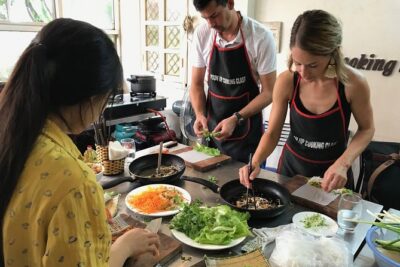
5 Traditional Dishes Hanoi Cooking Class with Market Trip
Read our review →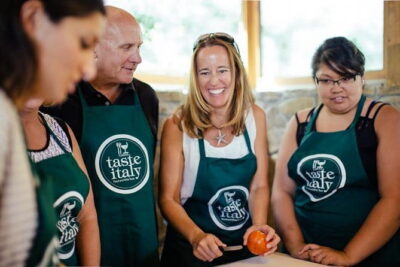
Cooking Class and Lunch at a Tuscan Farmhouse with Local Market Tour from Florence
Read our review →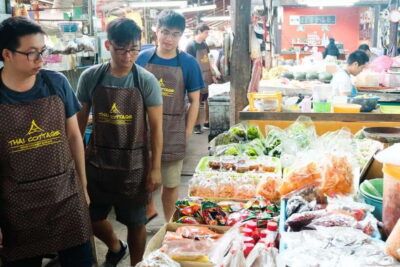
Chiang Mai: Cooking Class, Market & Thai Herbs Garden Tour
Read our review →Browse the lists this tour appears in