
Review · OSAKA
Osaka Ramen Cooking Class “Learn here and make it at home”
Making ramen by hand is the main event here, but the ramen-and-gyoza pairing makes this more than a noodle lesson. You learn the basic techniques, sit down to eat what you made, and can match the meal with sake, beer, or soft drinks.
I like the small maximum of eight people, which should make it easier to ask questions and get help with folding dumplings. I also like the central location, only about five minutes from both Shinsaibashi and Honmachi stations. The main consideration is that the class is not a quick demonstration. Three hours is a real block of your Osaka day, and the cooking requires active participation.
Key points at a glance
- Two Japanese staples: Make ramen and fried gyoza, not just one dish.
- Three-part schedule: Allow 30 minutes for preparation, 90 minutes for cooking, and one hour to eat.
- Central Osaka kitchen: Reach the meeting point on foot from Shinsaibashi or Honmachi stations.
- Small group size: The class accepts a maximum of eight people.
- Drinks included: Sake, beer, and soft drinks are served during the meal. Alcohol is only for people age 20 and older.
- Dietary requests are possible: Contact the provider after booking about vegetarian, pescatarian, vegan, or allergy needs.
What the Osaka ramen class actually teaches
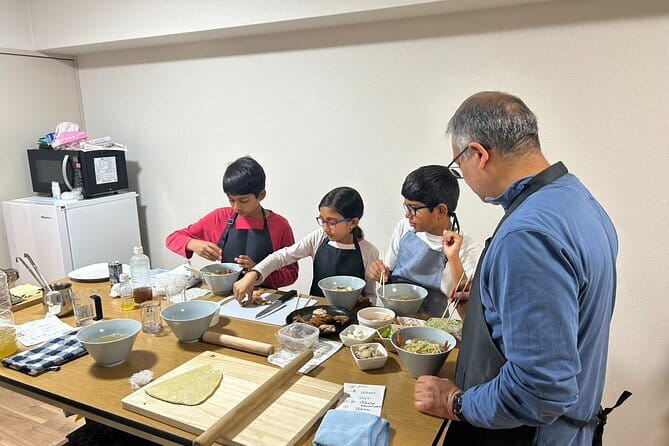
This is a hands-on Japanese cooking class focused on two familiar comfort foods: ramen and gyoza. You prepare the dishes yourself rather than simply watching an instructor assemble a bowl.
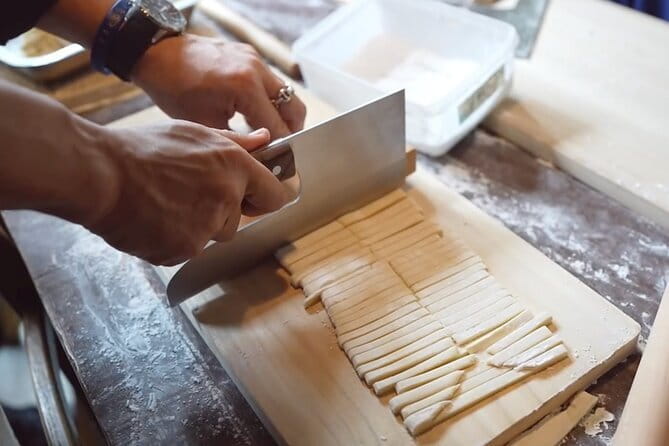
The ramen includes Japanese noodles, broth, and toppings such as pork, chicken, egg, and vegetables. The gyoza are filled with meat and vegetables, then fried so one side becomes crisp before they are served with dipping sauce.
That combination gives you a useful look at two different kitchen skills. Ramen asks you to work with broth, noodles, and toppings. Gyoza requires filling, shaping, and frying. You get a meal at the end, but you also leave with techniques you can try again at home.
The class is designed for beginners. You do not need to bring ingredients, cooking tools, or special equipment. Aprons and disposable plastic gloves are provided, so you can arrive ready to work.
More Sushi and Japanese Classes in Osaka:
- Sushi Making Osaka Roll and Authentic Japanese Sushi Class
★ 5.0 · 1,220 reviews - Osaka Sushi Making Experience
★ 5.0 · 400 reviews - Osaka: Ramen and Gyoza Cooking Class in Dotonbori
★ 5.0 · 378 reviews
A clear three-hour plan from prep to dinner
The schedule is easy to understand and gives enough time for each stage.
First 30 minutes: orientation and preparation
The class begins with a 30-minute orientation and preparation period. This is when you get familiar with the kitchen, ingredients, tools, and the plan for the meal.
That opening matters because ramen and gyoza involve several parts. You need to know what goes into the broth, how the toppings are prepared, and how the dumpling filling will be handled before cooking begins.
If you are new to Japanese food preparation, this is also the time to ask questions. Instructors can teach in English or Japanese, and a Spanish-speaking instructor is available upon request. The language options are useful in a practical way: you can focus on hand movements and cooking steps instead of trying to guess what happens next.
Next 90 minutes: making ramen and gyoza
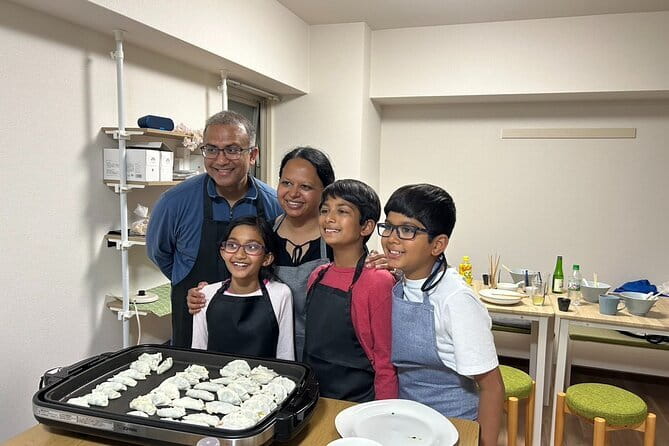
The main cooking section lasts about an hour and a half. You work through the ramen and dumplings step by step, with the instructors guiding you through the process.
Gyoza usually takes patience because the filling must be portioned and the wrappers shaped before frying. The goal is not only to produce a plate of dumplings, but to learn the method well enough to repeat it later. The class description specifically presents the food as made from scratch, though the exact level of preparation for each ingredient may vary.
The ramen section covers the basic parts of a bowl: noodles, broth, and toppings. The finished dish may include pork, chicken, egg, and vegetables. If you have a food restriction, contact the provider after booking rather than waiting until you arrive.
The cooking time is long enough to feel like a proper activity, not a short sample. That is a benefit if you enjoy doing things with your hands. It may feel slower if you want only a quick meal between Osaka sightseeing stops.
More Hands-On Workshops in Osaka:
- Osaka Cooking Class: Okonomiyaki &Japanese cuisines experience
★ 5.0 · 261 reviews - Osaka: Roll and Authentic Sushi Making Class in Dotonbori
★ 4.9 · 239 reviews - Ramen and Gyoza Cooking Class in Osaka
★ 5.0 · 202 reviews - Three Types of Ramen Cooking Class in Osaka
★ 5.0 · 119 reviews
Final hour: eat what you made
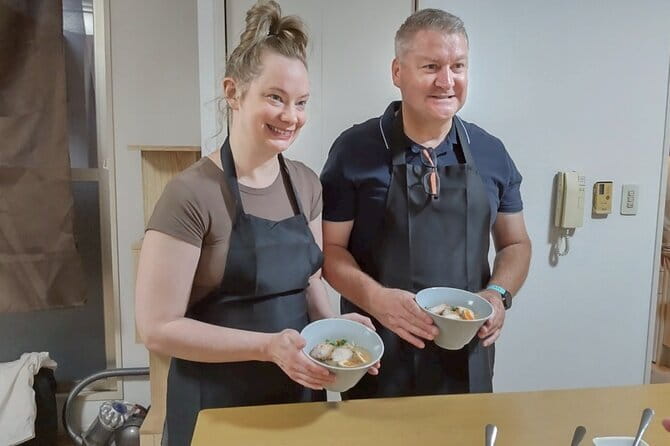
The last hour is set aside for tasting the ramen and gyoza. This is when the class shifts from instruction to dinner.
You can pair the food with Japanese sake, beer, or soft drinks. Participants under 20 receive non-alcoholic drinks, since alcoholic beverages are served only to people aged 20 and above.
Eating the food immediately after cooking gives the class a satisfying finish. You can judge the broth, noodles, dumplings, and dipping sauce while the process is still fresh in your mind. It also leaves room for conversation with the instructor and other people in the group.
Why the small group size matters
The maximum group size is eight people. That is a useful limit for a practical cooking lesson, especially when everyone needs access to ingredients, utensils, and the cooking area.
A smaller group should also make it easier to get help with details such as dumpling folding or timing. Those are the parts where a quick correction can save a batch of misshapen or poorly cooked gyoza.
The class is suitable for families, friends, and solo participants. If you are alone, the group setting gives you a natural way to meet other people over a shared meal. If you are traveling with family or friends, the activity gives everyone a task rather than leaving one person to do all the cooking.
The available rating is 4.9 from 15 reviews, with a 93 percent recommendation rate. Those numbers point to a strong experience, though the sample is small. I would treat them as encouraging rather than as a guarantee that every class will match your expectations.
Finding the kitchen near Shinsaibashi and Honmachi
The kitchen is in central Osaka at:
Diacourt Semba 303, 4-3-1 Bakurocho, Chuo Ward, Osaka, 541-0059, Japan.
It is about a five-minute walk from both Shinsaibashi Station and Honmachi Station on the Osaka Metro. That gives you two practical rail options and makes the class easy to combine with time in central Osaka.
The meeting point and end point are the same. You do not need private transportation, and transportation is not included. Plan to arrive at the stated meeting point rather than expecting pickup from your hotel.
The area is described as quiet despite its central position. That can be a welcome change after spending time on Osaka’s busy shopping streets. Still, allow enough time to find the building and reach the kitchen without rushing. A cooking class is not the place to arrive at the last minute.
What the price includes at $70
At $70 per person, this is not priced like a simple bowl of ramen. You are paying for roughly three hours of instruction, two dishes, ingredients, kitchen tools, protective items, and drinks.
The included items are:
- All cooking ingredients
- Kitchen tools
- Aprons
- Disposable plastic gloves
- English or Japanese instruction
- Spanish instruction upon request
- Sake and beer for people age 20 and older
- Soft drinks
The value depends on how much you want from the activity. If you only want to eat ramen, a restaurant will usually be faster and may cost less. If you want an activity that combines food, instruction, and a meal, the price is easier to justify.
You also receive something that a restaurant meal cannot provide: a repeatable cooking method. The class is specifically framed around learning to make ramen and gyoza at home. That makes it a better fit for curious cooks than for anyone simply searching for the cheapest lunch.
Dietary needs and what you should arrange first
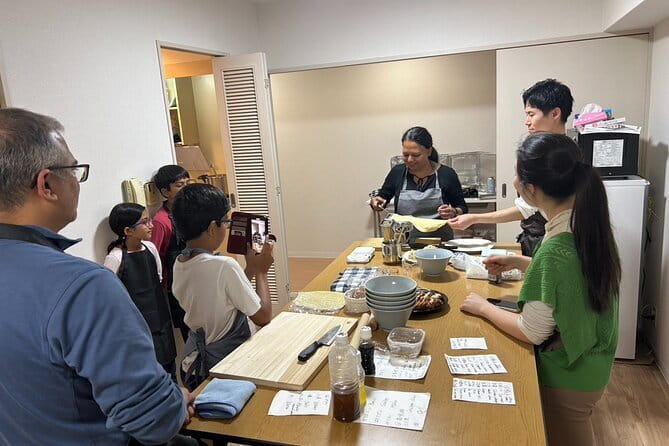
Vegetarian, pescatarian, and vegan options may be possible, as may adjustments for food allergies. You need to contact the provider after completing your booking to discuss your needs.
Do not assume that a standard ramen or gyoza recipe will fit your diet. Both dishes can contain meat, and the broth or sauces may also include ingredients you need to avoid. Share clear information about allergies and restrictions before the class so the kitchen has time to respond.
The provider says to bring yourself, since ingredients and tools are supplied. You do not need to shop for groceries or pack cooking equipment.
The best fit for this Osaka activity
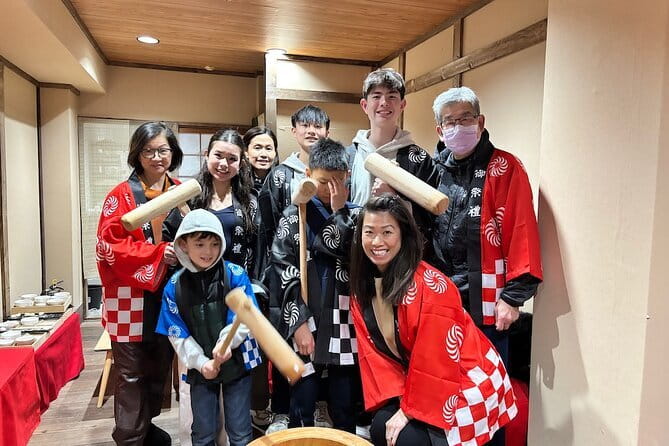
I would choose this class if you enjoy food experiences that ask you to participate. It suits people who want to learn basic Japanese cooking techniques, families looking for a shared activity, and friends who would rather make dinner than simply sit at a restaurant.
It is also a good option for a rainy-day plan only if the class is still operating, because the stated policy says the activity requires good weather. If poor weather causes cancellation, you are offered another date or a full refund.
The class may not suit you if you have only a short time in Osaka or prefer a quiet meal with no instruction. Three hours is long enough to shape the day around it. You should also consider whether you are comfortable handling ingredients and following cooking steps for an extended period.
How to fit the class into your Osaka plans
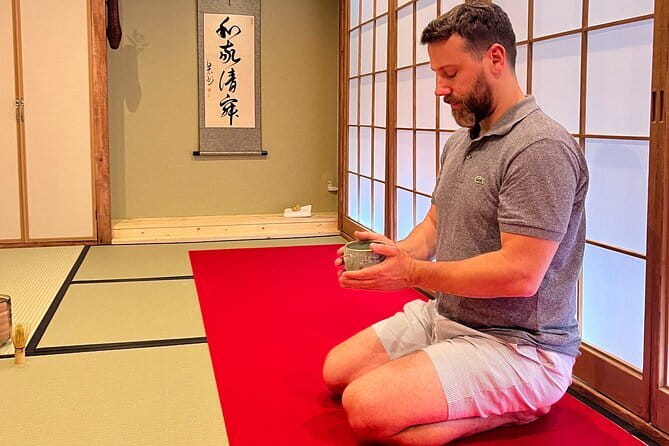
The central location makes it easy to pair the class with nearby sightseeing or shopping. Shinsaibashi and Honmachi are both practical reference points, and the kitchen is within walking distance of each station.
I would avoid scheduling a major timed attraction immediately afterward. The class includes cooking and a full hour of eating, and you may want a little flexibility at the end rather than rushing away from the table.
Booking at least one day ahead is required. The experience is often booked around 17 days in advance, so last-minute availability may be limited. Confirmation is normally received at booking, although bookings made within two days of the activity may take up to 48 hours to confirm and remain subject to availability.
Free cancellation is available if you cancel at least 24 hours before the start time. Changes or cancellations inside that period are not accepted for a refund. The cut-off uses local Osaka time, so check the clock carefully if you are booking from another country.
What makes the meal memorable
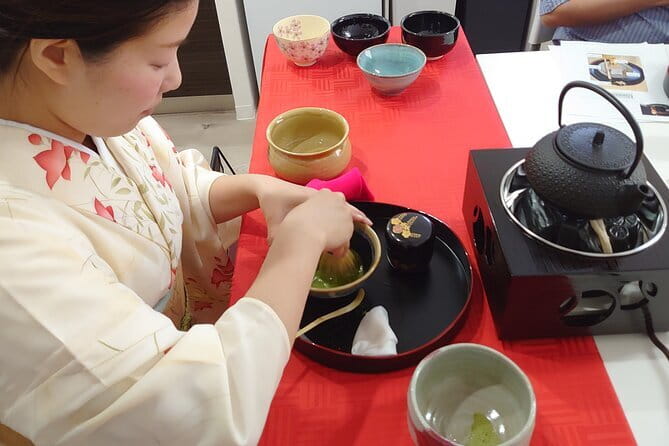
The strongest part of the experience is the link between preparation and eating. You do not make a dish for a photograph and then move on. You sit down with the ramen and gyoza you have just prepared, which gives the cooking a clear purpose.
The dumplings add variety to the class. Ramen alone could make for a fairly focused noodle lesson, but gyoza introduces filling, shaping, and frying. You also get a different texture in the final meal: soup and noodles alongside crisp-edged dumplings.
The friendly, welcoming teaching style noted in the available feedback is important here. Cooking classes work best when the instructor corrects mistakes without making beginners feel awkward. The strong rating and praise for the instructors suggest that the human side of the class is one of its best features.
Still, keep expectations realistic. You are learning a practical version of ramen and gyoza in a three-hour class, not training as a professional chef. The value is in learning the building blocks and enjoying the process.
Should you book the ramen and gyoza class?
Book it if you want an active food experience in Osaka, like learning by doing, and have three hours to spare. The small group limit, central location, included drinks, and two-dish menu make the $70 price reasonable for someone who values instruction as much as dinner.
I would be especially interested if I were traveling with family, friends, or alone and wanted a shared activity with a clear result. Contact the provider early if you need vegetarian, vegan, pescatarian, or allergy-friendly cooking.
Skip it if you want only a fast restaurant meal, have a packed Osaka schedule, or do not enjoy hands-on cooking. For everyone else, this is a useful and cheerful way to spend part of a day, with a meal you can try to recreate after you get home.
FAQ
How long does the Osaka ramen cooking class last?
The class lasts approximately three hours. It includes 30 minutes of orientation and preparation, 1 hour and 30 minutes of cooking, and one hour of ramen and gyoza tasting with drinks.
How much does the class cost?
The price is $70 per person.
Where does the class meet?
The meeting point is Diacourt Semba 303, 4-3-1 Bakurocho, Chuo Ward, Osaka, 541-0059, Japan.
How far is the kitchen from public transportation?
The kitchen is about a five-minute walk from both Shinsaibashi Station and Honmachi Station on the Osaka Metro.
What food will I make?
You will make ramen with broth, noodles, and toppings such as pork, chicken, egg, and vegetables. You will also make fried gyoza filled with meat and vegetables and served with dipping sauce.
Are drinks included?
Yes. Sake, beer, and soft drinks are included during the tasting session. Alcohol is served only to people age 20 and older. Participants under 20 receive non-alcoholic drinks.
What languages are available?
The instructors can teach in English and Japanese. A Spanish-speaking instructor is available upon request.
How many people can join the class?
The activity accepts a maximum of eight people.
Do I need to bring ingredients or cooking tools?
No. All ingredients and kitchen tools are provided, along with aprons and disposable plastic gloves.
Can the class accommodate dietary restrictions?
Vegetarian, pescatarian, vegan, and allergy-related options may be available. Contact the provider after booking to discuss your needs.
Just added around Osaka
- Traditional Home cooking Experience in Osaka, Japan★ 5.0 · 14 reviews
- Well-balanced BENTO (lunch box) Cooking Class★ 5.0 · 35 reviews
- Osaka Street Food Festival :Takoyaki&Okonomiyaki for Families★ 5.0 · 13 reviews
- Three Types of Ramen Cooking Class in Osaka★ 5.0 · 119 reviews
- Takoyaki DIY Cooking in the Heart of Osaka★ 5.0 · 7 reviews
- SUSHI Making Experience at Restaurant★ 5.0 · 8 reviews
- Sushi Making Osaka Omakase Cooking Class in Japan★ 5.0 · 4 reviews
- Cooking Class for Ramen and Gyoza in a Quiet Old Osaka House★ 5.0 · 3 reviews
Japanese & Sushi Cooking Classes, compared.
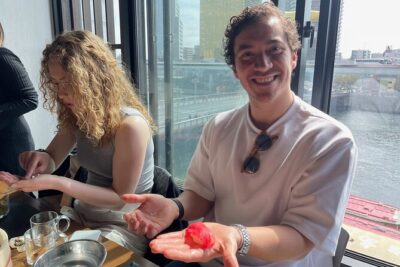
Sushi Making Tokyo Roll and Authentic Japanese Sushi Class
Read our review →
Tokyo: Roll and Authentic Sushi Making Class in Asakusa
Read our review →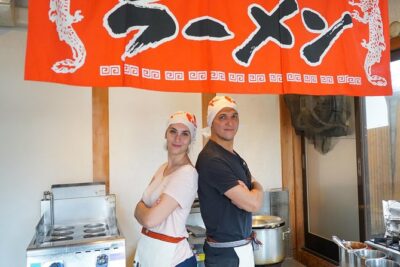
Ramen Cooking Class at Ramen Factory in Kyoto
Read our review →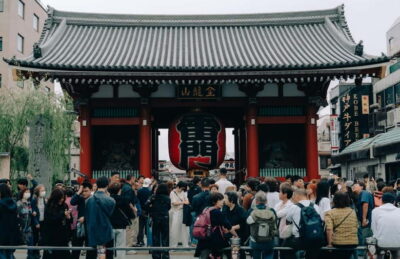
Tokyo: Sushi Making Class in a Happi Coat near a Famous Spot
Read our review →
Sushi Making Tokyo! Popular Maki Sushi & Japanese Sushi(+Recipe!)
Read our review →
Sushi Making Osaka Roll and Authentic Japanese Sushi Class
Read our review →
Tokyo Sushi Making Class in Tsukiji with Professional Chef
Read our review →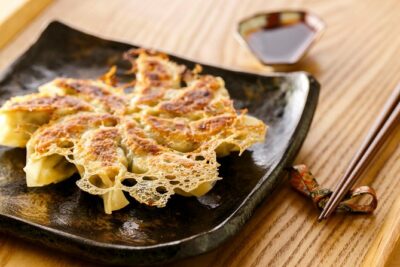
Ramen & Gyoza Cooking Class in Tokyo with Local Supermarket Visit
Read our review →Browse the lists this tour appears in