
Review · OSAKA
Authentic SUSHI Course Cooking Class
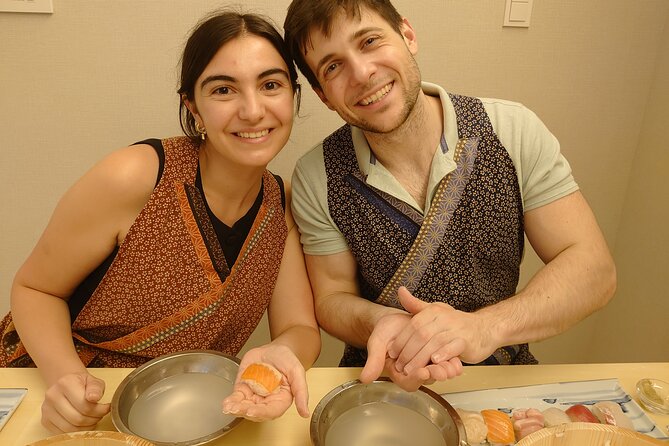
Making sushi here means more than shaping rice and fish. You prepare your own sushi rice, roll tamagoyaki in a small rectangular pan, build three kinds of sushi, cook dashi-based miso soup, and grill skewered chicken. Fumi and her assistants guide each stage with patience, useful cultural notes, and plenty of hands-on practice.
I especially like the full meal you make, not just one postcard-ready dish, and the friendly format that works for solo visitors as well as families. The main consideration is time: 2.5 hours passes quickly, and the recipe notes may not cover every step in enough detail for a first attempt at home.
Key points to know before booking
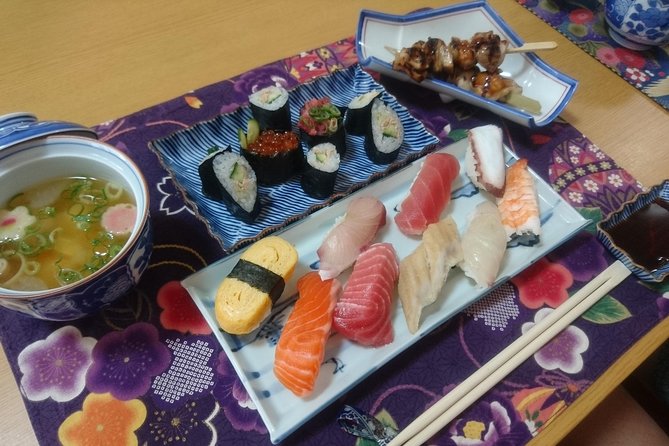
- Three sushi styles in one class: You make nine pieces of nigiri, two gunkan-maki, and one rolled sushi.
- A full Japanese meal: The menu also includes tamagoyaki, dashi miso soup with tofu and shaped vegetables, and yakitori chicken.
- Personal instruction: Fumi and her assistants involve each person, even when someone arrives alone.
- A generous final meal: You eat the food you prepare, followed by a complimentary seasonal dessert.
- Small evening group: The class begins at 5:30 pm and lasts about 2 hours 30 minutes, with group size listed as no more than eight in the additional details.
Why this Osaka sushi class feels different
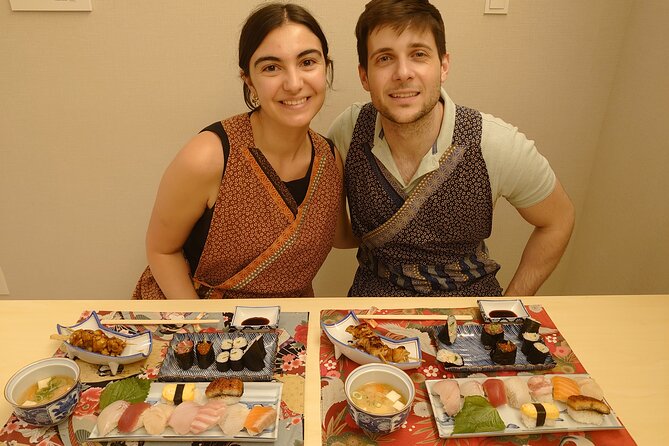
Many cooking classes give you one main recipe and a quick taste. This one builds a complete Japanese meal, so you leave with a better sense of how several familiar dishes fit together.
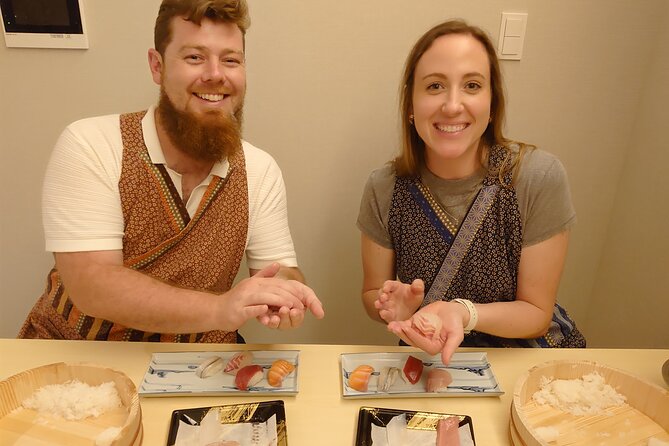
You start with sushi rice, the foundation of the meal. Each participant receives a wooden tub and paddle, then seasons and mixes the rice independently. That detail matters. Instead of watching an instructor prepare a large batch, you handle the rice yourself and learn how much care goes into its texture and seasoning.
The class then moves through several techniques. You make tamagoyaki, the softly layered Japanese rolled omelet, with a small rectangular frying pan. You prepare dashi, the savory broth used in the miso soup, then add tofu and vegetables cut into decorative shapes. Finally, you skewer and cook chicken for yakitori.
The menu is broad without feeling like a restaurant demonstration. You do the work, but the instructors keep the process moving. That balance is one of the strongest reasons to choose this activity.
More Sushi and Japanese Classes in Osaka:
- Sushi Making Osaka Roll and Authentic Japanese Sushi Class
★ 5.0 · 1,220 reviews - Osaka Sushi Making Experience
★ 5.0 · 400 reviews - Osaka: Ramen and Gyoza Cooking Class in Dotonbori
★ 5.0 · 378 reviews
Meeting Fumi in Kitahorie
The class takes place at Banix in Kitahorie, in Osaka’s Nishi Ward. The listed address is 3-chōme 6-2, Systema Gallery, Kitahorie, Osaka 550-0014. The meeting point is near public transportation, and the activity finishes where it begins.
The scheduled evening start is 5:30 pm. A lunch or dinner option is described for the experience, but the supplied schedule specifically lists 5:30 pm, so check your confirmed booking carefully if you are hoping for a daytime class.
Fumi is the instructor most often named in the class details, and she teaches with a warm, patient approach. Sakura and other assistants may also help during the session. The instruction is not limited to hand movements. You also hear about ingredients and ideas such as umami and bonito, which gives the food a little more meaning than a simple cooking demonstration.
I like this kind of introduction because it gives you something to watch for during the rest of your Japan trip. After hearing how dashi works, you may notice its flavor in soups and sauces more clearly. After making tamagoyaki yourself, the neat slices at a breakfast buffet look less mysterious.
Step one: prepare your own sushi rice
The first task is sushi rice. You put on an apron, receive your wooden tub and paddle, and prepare your portion separately.
That setup gives you room to learn by touch. Sushi rice is not just ordinary cooked rice with fish placed on top. Its seasoning and texture affect how well the rice holds together and how the finished sushi tastes. The paddle also helps you mix without crushing the grains.
This is a useful place to slow down. You may be tempted to rush toward the fish, but the rice is the part you can most easily recreate at home. Pay attention to how the instructor handles it, how firmly the rice is shaped, and how much pressure is used.
The class uses all required ingredients, so you do not need to shop or bring supplies. It is worth asking questions at this stage, especially if you want to repeat the meal later.
Step two: make tamagoyaki in a rectangular pan
Next comes rolled egg sushi. You use a small, rectangular Japanese frying pan to cook the egg in layers, rolling each one over the last.
This looks simple until you try to keep the shape even. The rectangular pan helps create the familiar compact form, but it does not do the work for you. You must judge when the egg is ready to roll and how much mixture to add for the next layer.
For many people, this is one of the class’s most useful techniques. Nigiri can be difficult to recreate if you cannot find the same fish or ingredients, while tamagoyaki relies on a repeatable method and a basic pan. The lesson gives you a practical dish to try at home.
The egg becomes part of the sushi course, adding a cooked option alongside the other pieces. It also breaks up the rhythm of shaping rice, so the class does not feel like one long exercise in repetition.
More Hands-On Workshops in Osaka:
- Osaka Cooking Class: Okonomiyaki &Japanese cuisines experience
★ 5.0 · 261 reviews - Osaka: Roll and Authentic Sushi Making Class in Dotonbori
★ 4.9 · 239 reviews - Ramen and Gyoza Cooking Class in Osaka
★ 5.0 · 202 reviews - Three Types of Ramen Cooking Class in Osaka
★ 5.0 · 119 reviews
Step three: turn dashi into miso soup
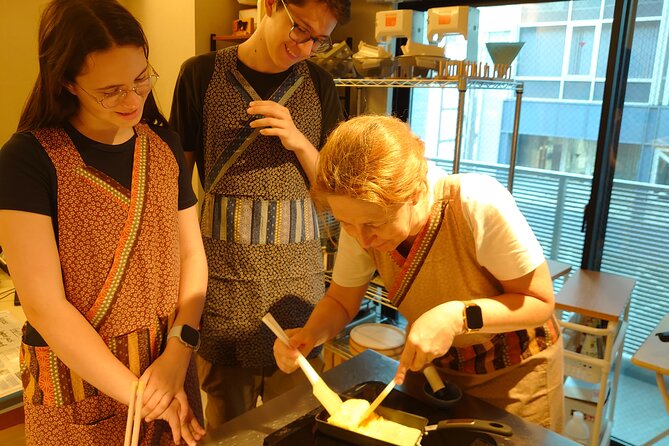
The soup section begins with traditional Japanese dashi. From there, you prepare miso soup with tofu and vegetables cut into decorative shapes.
This is more instructive than opening a packet of instant soup. Dashi gives the broth its savory base, and the class introduces ingredients such as bonito as part of the explanation. You get a sense of why miso soup can taste light but still have depth.
The shaped vegetables add a playful touch, especially for families and younger participants. They are not only decoration. Working with them gives you another small kitchen task while the broth comes together.
I would pay close attention here if you cook at home. The sushi receives most of the attention in the title, but the soup may be the easiest dish to repeat regularly. One detailed instruction from Fumi can make the difference between a flat bowl of soup and one with a proper savory base.
Step four: shape three kinds of sushi
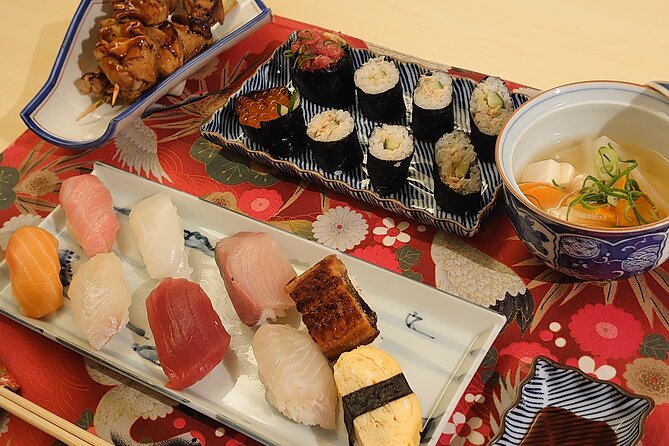
The central part of the class is the sushi course. You make:
- Nine pieces of nigiri sushi
- Two gunkan-maki
- One rolled sushi
Nigiri requires you to shape rice and place the topping correctly. It is a small piece of food, but getting the size and form right takes care. The quantity is generous enough to give you repeated practice rather than a single attempt.
Gunkan-maki has a different shape and structure. Its seaweed wrapper forms a small cup around the rice and topping. This gives you another way to handle nori and another lesson in keeping the rice compact.
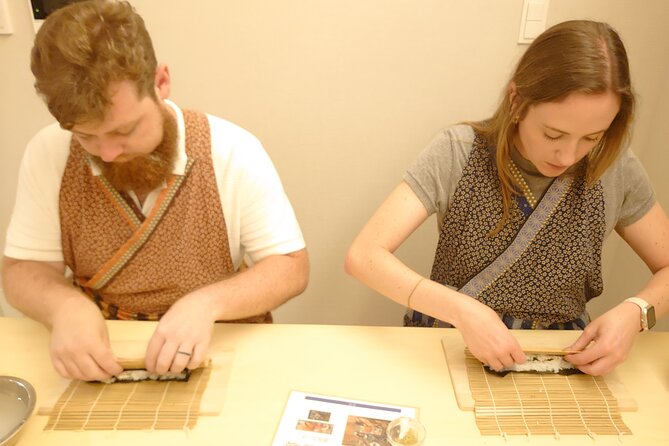
The rolled sushi introduces a separate technique. You learn how to arrange the rice and fillings, then roll the seaweed into a clean cylinder. The result is familiar, but the process is much easier to understand once you have made one yourself.
The class is hands-on, yet you are not left to guess at each step. Fumi demonstrates, explains, and checks progress. That personal attention matters in a small group, especially during the first few pieces when your rice shapes may be uneven.
Do not worry about making every piece look identical. The point is to learn the method and enjoy the food. The finished plate may not look like a professional sushi counter’s display, but it will be yours, and you will understand how it came together.
Step five: skewer and cook yakitori chicken
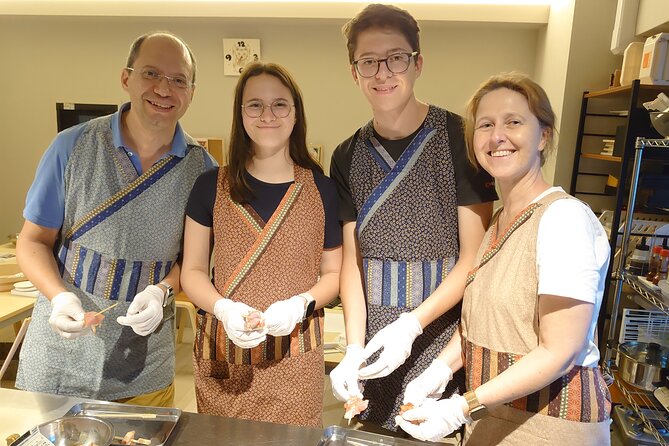
The final savory dish is yakitori. You marinate the chicken, place it on skewers, and cook it.
This is a welcome change from the sushi work. You handle a cooked dish, learn how the chicken is prepared, and add a grilled item to the final meal. Along with miso soup and sushi, it makes the class feel like a complete Japanese dinner rather than a narrow lesson.
The supplied descriptions also use the phrase teppanyaki chicken in one account, while the main menu identifies the dish as yakitori. In practical terms, expect skewered chicken prepared and cooked as part of the class.
For families, this section adds another task that younger cooks can take part in with adult guidance. Children must be accompanied by an adult, and the class includes cooking with heat and knives, so adults should stay involved throughout.
Sit down for the meal you made
At the end, you arrange the sushi, soup, chicken, chopsticks, and other dishes. Then you say Itadakimasu and eat together, with a seasonal dessert afterward.
This final meal is a real part of the value. You are not handed a tiny sample after spending the class watching someone else cook. You eat a substantial dinner made from several dishes, and the meal has enough variety to feel filling.
The dessert is a nice extra rather than the main reason to book. It is seasonal, so the exact sweet can vary. One solo participant even enjoyed taking the dessert along for a flight home, though you should not assume every dessert will travel well.
The shared meal also gives you time to talk with the instructors and other people in the group. The class can suit solo visitors because you are involved in each activity rather than paired off for the entire session. Families and couples can work together, but you still receive individual tasks.
What the group size means in practice
The experience is described as a small-group class. The overview gives a maximum of 14, while the additional information lists a maximum of eight. The latter is the more useful figure for planning, but I would confirm the exact group size when you book.
Either way, the format is designed to keep instruction personal. Fumi has been praised for making sure every person takes part and for adjusting her help when someone needs another demonstration.
A smaller group is particularly useful for tamagoyaki and sushi shaping. These techniques are easier to learn when the instructor can see your hands and correct a small problem before it becomes a bad habit.
There is also a social advantage. A solo visitor can feel awkward at a food class built around couples or families, but the structure here gives everyone a job. The cooking itself creates an easy reason to talk.
The price and what you receive for it
At $99.08 per person, this is not the cheapest way to eat sushi in Osaka. A restaurant meal may cost less, especially if you order a simple set.
The comparison changes when you count what is included. You receive about 2.5 hours of instruction, all ingredients, use of the cooking equipment, a full meal, and dessert. You also learn methods you can use after returning home.
I see the value most clearly if you want an activity, not just dinner. The class combines food, practical instruction, and cultural context in one evening. It also removes the guesswork of buying ingredients and finding the right tools in Osaka.
The price may feel less worthwhile if you already cook Japanese food confidently or mainly want a quick sushi tasting. This is a lesson with a meal at the end, not a fast restaurant experience.
The class is booked on average about 63 days ahead, so it makes sense to reserve early if the timing matters to your Osaka plans. Confirmation is sent within 48 hours, subject to availability.
Small details worth knowing before you go
Tell the operator about dietary requirements when booking. The menu includes fish, egg, tofu, miso, chicken, and other ingredients, so you should not wait until the class begins to ask for changes.
Children need to be accompanied by an adult. The class is near public transportation and uses a mobile ticket, which keeps arrival simple. Bring the ticket on your phone and allow enough time to reach the Kitahorie meeting point.
Free cancellation is available if you cancel at least 24 hours before the local start time. Cancellations or changes made inside that window are not refunded or accepted.
One practical caveat concerns the take-home recipes. They can help you remember the menu, but some instructions may feel brief, with not every step written out in full. If you want to cook the meal later, take mental notes during the demonstrations and ask about quantities and timing before moving on.
Who should book the 5:30 pm class?
I would choose this for a first visit to Osaka if you want food to be part of your sightseeing rather than just a meal between attractions. It suits couples, families with teenagers, solo visitors, and anyone who likes to learn by doing.
It is also a good choice for sushi fans who want to understand the basics instead of simply eating another plate. You make several styles, plus soup, egg, and chicken, so the lesson has more range than a sushi-only workshop.
I would think twice if you dislike raw fish, have strict dietary needs that cannot be accommodated, or want a short activity. The class runs for around 2.5 hours, and the menu requires steady participation.
The 5:30 pm start works well as an evening plan. You finish with dinner already prepared, which can simplify your schedule. Just remember that the class begins and ends at the same Kitahorie location, so plan your onward transport from there.
Should you book Sakura Cook?
Book it if you want a friendly, practical Osaka food experience where you make a complete Japanese meal and eat it afterward. Fumi’s patient teaching, the small group, and the mix of sushi, miso soup, tamagoyaki, and yakitori give the class real substance.
The best reason to choose it is not simply that you like sushi. It is that you want to learn the steps behind a Japanese meal and leave with enough confidence to try some of it again at home.
Skip it if you are only looking for the lowest-cost dinner or a quick tasting. For everyone else, especially families, solo visitors, and first-time sushi makers, the combination of hands-on work and a filling final meal makes the $99.08 price reasonable.
FAQ
Where does the sushi cooking class meet?
The class meets at Banix in Kitahorie, at Systema Gallery, 3-chōme 6-2, Nishi Ward, Osaka 550-0014. The activity ends back at the same meeting point.
What time does the class start?
The listed start time is 5:30 pm. The experience information also describes a choice of lunch or dinner classes, so check your confirmed booking for the exact session you select.
How long does the experience last?
The class lasts approximately 2 hours 30 minutes.
What food will I make?
You make nine pieces of nigiri sushi, two gunkan-maki, and one rolled sushi. You also prepare tamagoyaki, dashi miso soup with tofu and shaped vegetables, and yakitori chicken.
Are ingredients included?
Yes. All ingredients needed for the activity are included, and a seasonal dessert is served after the meal.
Can I cancel for a refund?
You can cancel at least 24 hours before the local start time for a full refund. Cancellations or changes made less than 24 hours before the start are not refunded or accepted.
Just added around Osaka
- Traditional Home cooking Experience in Osaka, Japan★ 5.0 · 14 reviews
- Well-balanced BENTO (lunch box) Cooking Class★ 5.0 · 35 reviews
- Osaka Street Food Festival :Takoyaki&Okonomiyaki for Families★ 5.0 · 13 reviews
- Three Types of Ramen Cooking Class in Osaka★ 5.0 · 119 reviews
- Takoyaki DIY Cooking in the Heart of Osaka★ 5.0 · 7 reviews
- SUSHI Making Experience at Restaurant★ 5.0 · 8 reviews
- Sushi Making Osaka Omakase Cooking Class in Japan★ 5.0 · 4 reviews
- Cooking Class for Ramen and Gyoza in a Quiet Old Osaka House★ 5.0 · 3 reviews
Japanese & Sushi Cooking Classes, compared.
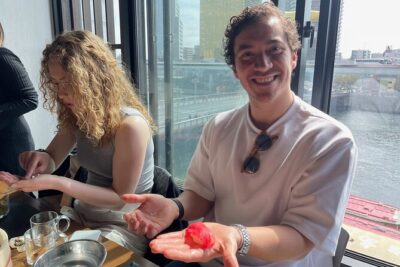
Sushi Making Tokyo Roll and Authentic Japanese Sushi Class
Read our review →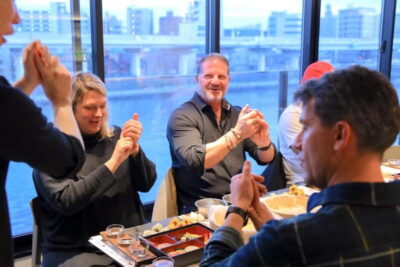
Tokyo: Roll and Authentic Sushi Making Class in Asakusa
Read our review →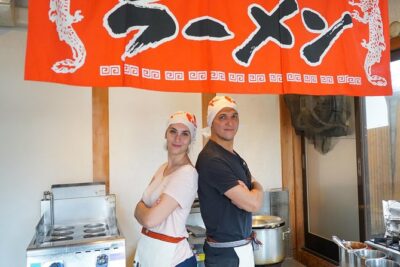
Ramen Cooking Class at Ramen Factory in Kyoto
Read our review →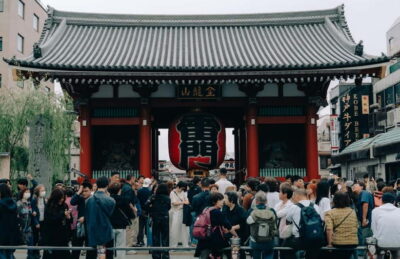
Tokyo: Sushi Making Class in a Happi Coat near a Famous Spot
Read our review →
Sushi Making Tokyo! Popular Maki Sushi & Japanese Sushi(+Recipe!)
Read our review →
Sushi Making Osaka Roll and Authentic Japanese Sushi Class
Read our review →
Tokyo Sushi Making Class in Tsukiji with Professional Chef
Read our review →
Ramen & Gyoza Cooking Class in Tokyo with Local Supermarket Visit
Read our review →Browse the lists this tour appears in