
Review · OSAKA
Make Ramen and Gyoza with Homemade Secret Recipe
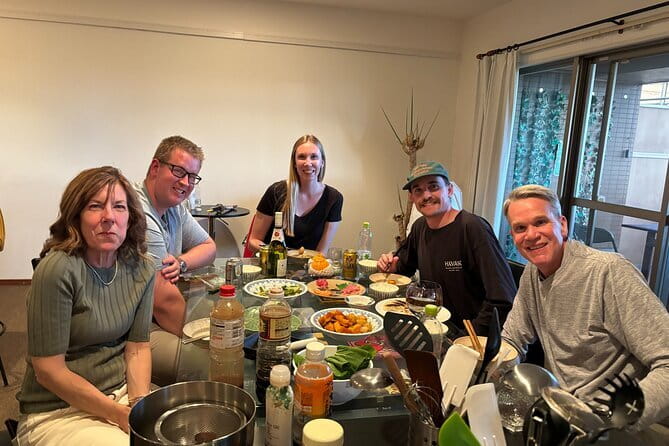
Making ramen here means more than stirring instant noodles. You use a noodle machine, choose soy sauce, miso, or salt soup, and learn the full gyoza process from filling to pan-frying. I like that the meal becomes your own half-rice ramen with gyoza, not just a demonstration. I also like the small-group feel, with a maximum of 15 people and the possibility of close instruction from chefs such as Shohei.
The main consideration is the price: $84.70 per person is fair for a hands-on meal and cooking class, but it is not a cheap lunch. Drinks cost extra, transportation to Matsuyamachi Station is not included, and the strict no-refund policy makes careful planning important.
Key points to know before booking
- You make the noodles yourself: A noodle-making machine turns the lesson into a practical kitchen activity rather than a simple food tasting.
- Three soup bases give you a real choice: Pick soy sauce, miso, or salt and build your ramen around that flavor.
- Gyoza is taught from start to finish: You prepare the filling, shape the dumplings, and pan-fry them.
- Shohei is one possible instructor: He is praised for kind, friendly teaching and for explaining Japanese food and daily life.
- The meal includes half-rice ramen with gyoza: Rice is prepared for you, and you eat what you cook at the end.
- You leave with recipes and cooking chopsticks: The take-home material gives the class value beyond the afternoon itself.
Why this Osaka cooking class feels practical
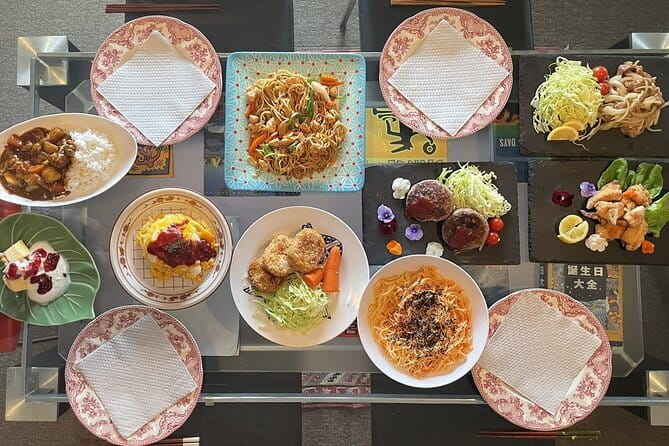
Ramen is a smart dish for a cooking lesson because it sits at the center of everyday Japanese food culture. It is quick, affordable, and widely adapted across Japan. That gives your chef plenty to explain while you work: not only how to assemble a bowl, but why ramen has become such a varied national favorite.
I like the way this class connects the food to ordinary life. You are not simply watching someone prepare a polished restaurant dish. You are learning a meal you can try again at home, using methods that make sense in a normal kitchen.
The class also covers two different types of food. Ramen teaches you about noodles, broth, and flavor choice. Gyoza adds handwork, filling, shaping, and heat control. That combination keeps the session active and gives you more than one useful recipe to remember.
The experience lasts about two and a half hours. That is long enough for instruction, preparation, cooking, eating, and photos without turning the class into an all-day commitment. It also works well as a rainy-day plan, since the cooking takes place indoors.
More Sushi and Japanese Classes in Osaka:
- Sushi Making Osaka Roll and Authentic Japanese Sushi Class
★ 5.0 · 1,220 reviews - Osaka Sushi Making Experience
★ 5.0 · 400 reviews - Osaka: Ramen and Gyoza Cooking Class in Dotonbori
★ 5.0 · 378 reviews
Meeting at Matsuyamachi Station
You meet at Matsuyamachi Station, at 2 Chome-6 Andojimachi in Osaka’s Chuo Ward. The studio is about a five-minute walk from the station, and the activity ends back at the meeting point.
That short walk matters. You do not need to find an obscure kitchen across town, and the start point is close to public transportation. You still need to pay for your own journey to Matsuyamachi Station, since transportation is not included.
The available start times are:
- 7:30 to 10:00
- 11:00 to 13:30
- 14:30 to 17:00
- 18:00 to 20:30
The schedule gives you useful flexibility. The morning class can fit before a full day of sightseeing, while the afternoon and evening sessions make sense after exploring Osaka. The evening option may be especially appealing if you want the class to serve as dinner.
There is also a suggested nearby shopping-street walk connected with the experience. The old-fashioned street adds local atmosphere before or around the cooking session, though the central activity remains the studio lesson. If you are comparing this with a market tour, note the difference: you are spending your time making food, not mainly browsing stalls.
Choosing your ramen soup
The ramen portion begins with a choice of soy sauce, miso, or salt soup. This is a small decision, but it gives the meal a personal touch and makes the lesson more useful. You can compare the basic flavor styles and think about which one you would make again at home.
The exact recipe and amounts are not provided in advance, which is part of the point of having a chef guide you. You should expect instruction at each stage rather than a self-led kitchen station.
The noodles are made with a noodle-making machine. This is one of the most distinctive parts of the session because you get to handle the noodle-making process rather than simply opening a package. It also shows how a familiar restaurant meal is built from separate parts.
Your finished serving is described as half-rice ramen with gyoza. That wording suggests a moderate ramen portion paired with rice and dumplings, rather than a huge bowl of noodles alone. For many people, this is a more balanced meal, but anyone expecting a large restaurant-style ramen bowl should keep the portion description in mind.
Folding and pan-frying the gyoza
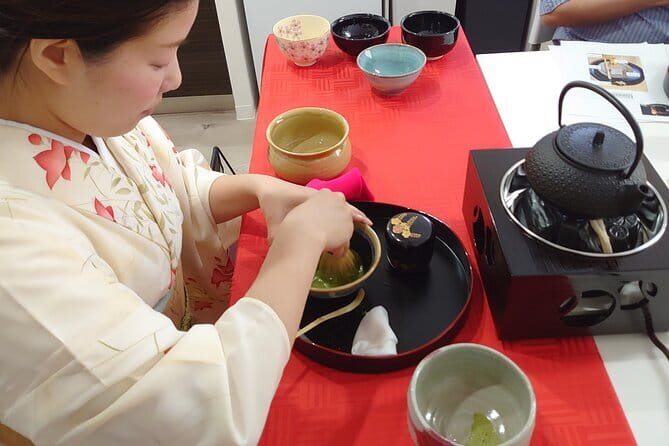
The gyoza lesson covers the full sequence. You prepare the filling, place it in the wrappers, shape the dumplings, and pan-fry them. The hands-on work is the heart of the class, and it gives you a skill you can repeat at home without special equipment.
The class is also adaptable when you explain your needs early. One vegetarian participant received vegetarian gyoza, and the booking instructions specifically ask you to report allergies or vegetarian requirements at the time of booking. Do not wait until you arrive. The information is important for ingredient planning.
The phrase bean paste appears in the description of the gyoza preparation, but the supplied details do not spell out every ingredient. If you have a serious allergy, contact the provider before booking and make your restrictions clear.
Pan-frying gyoza also gives the instructor a chance to explain timing and texture. You are not just assembling dumplings. You are learning how the cooking stage changes the wrapper and filling, then eating the result while it is fresh.
Same place, a different menu:
- Osaka Cooking Class: Okonomiyaki &Japanese cuisines experience
★ 5.0 · 261 reviews - Osaka: Roll and Authentic Sushi Making Class in Dotonbori
★ 4.9 · 239 reviews - Ramen and Gyoza Cooking Class in Osaka
★ 5.0 · 202 reviews - Osaka Sake Tasting with Takoyaki Cooking
★ 5.0 · 156 reviews
Eating what you made

After the kitchen work, you sit down to eat the ramen, rice, and gyoza you prepared. This is where the class earns much of its value. The meal becomes a shared finish to the lesson instead of a separate restaurant stop.
The setting is informal, and the small format can make it easier to ask questions about Japanese food and daily life. One French-language review specifically praised the chef’s excellent English and described the session as friendly and simple. Shohei was also singled out for being kind and for explaining Japanese culture along with the food.
Drinks and alcohol are not included. One person wished there had been something to drink with the meal, so plan accordingly. The listed inclusions cover ingredients, the lesson, the venue, cooking equipment, tableware, and souvenirs, but not personal drinks.
You will have a chance to take photos of the finished food. That is useful if you want a visual reminder of the steps, though the main benefit is learning the method while doing it.
How personal is the instruction?
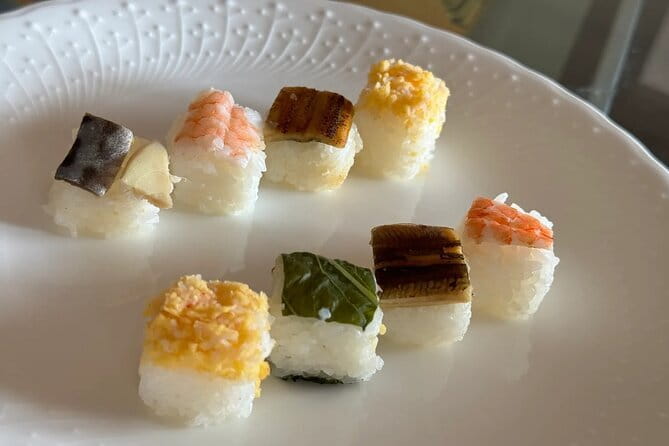
The maximum group size is 15 people. That is small enough to feel more personal than a large demonstration, but it does not guarantee a private class.
The available feedback points to both small private sessions and more standard small-group possibilities. One couple had the class to themselves and received maximum attention. Another person described an intimate class away from crowds. This means the actual feel can depend on the date and number of bookings.
Shohei is named as a particularly kind teacher. Marie is also mentioned as an assistant who helped create a warm atmosphere. Staff assignments can change, so treat those names as useful possibilities rather than a promise that both will lead your session.
The class is family-friendly according to the available information. Children who like hands-on food preparation may enjoy it, while very young children could find the two-and-a-half-hour format long. The supplied details do not give a minimum age, so ask the provider if age is a concern.
What the $84.70 price includes
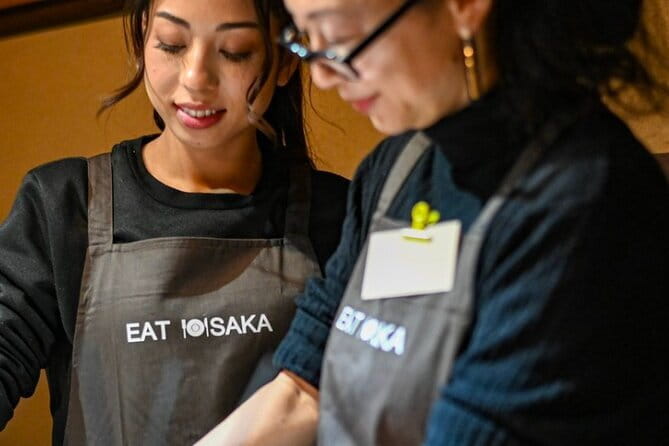
At $84.70 per person, this is not a budget meal. You can buy ramen in Osaka for far less, and you can certainly eat gyoza without taking a class.
The comparison changes when you count what is included. The price covers:
- Cooking ingredients
- The lesson
- Use of the cooking venue
- Cooking equipment and tableware
- The meal you prepare
- Recipes from the course
- A cooking-chopsticks souvenir
I see the strongest value in the combination of food and instruction. You are paying for a meal, but also for the chance to repeat parts of it after you return home. The recipes and chopsticks make the class feel less disposable than a simple tasting.
The experience is a better buy for people who enjoy cooking or want a cultural activity with a clear result. It is less attractive if you only want a quick lunch, dislike structured activities, or are comparing it with inexpensive local restaurants.
Because the activity is often booked about 28 days ahead, popular time slots may fill before your trip. Confirmation is sent within 48 hours, subject to availability. The cancellation rule is strict: the experience is non-refundable and cannot be changed for any reason, so check your schedule before paying.
Who should choose this class?
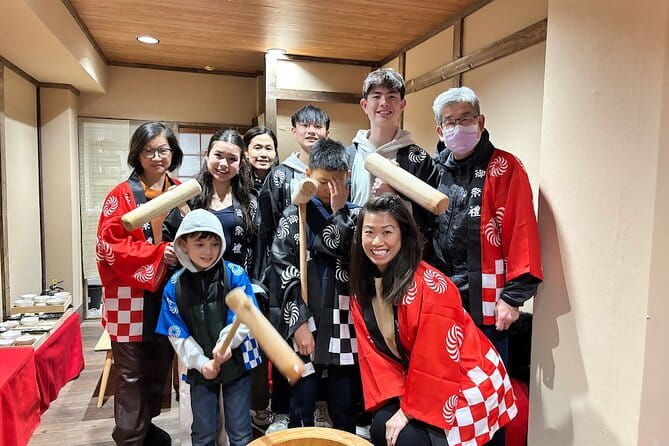
I would point this experience toward several kinds of people:
- Couples who want an indoor activity with a meal at the end
- Families looking for hands-on food preparation
- First-time visitors who want context around everyday Japanese dishes
- Home cooks who want recipes they can repeat
- Anyone looking for a rainy-day plan in Osaka
- Vegetarians who contact the provider early about an adapted gyoza filling
It is less suited to someone who wants a formal restaurant setting, a long market visit, or a class focused on only one dish. You will be moving through several steps and eating a fairly simple meal, so the appeal comes from participation.
The class also suits people who prefer a relaxed setting over a polished cooking school. The information points to an informal studio and friendly instruction. That can feel welcoming, though anyone seeking luxury presentation should look elsewhere.
Practical details that affect your choice
The mobile ticket makes entry straightforward, but you still need to reach the station yourself. Matsuyamachi Station is the key landmark, and the studio is roughly five minutes away.
Service animals are allowed, and the venue is near public transportation. Allergies and vegetarian requirements must be reported when booking. The provider also notes that the activity can accommodate up to 15 people.
Plan enough time around the class if you want to explore nearby shops. The meeting point and final return point are the same, which makes it easier to continue sightseeing afterward or head back to your hotel.
The four daily time slots cover most sightseeing plans, but the early morning start is quite early for some schedules. The evening session ends at 20:30, making it a natural dinner plan, though you should remember that drinks are extra.
Should you book the ramen and gyoza class?
Book it if you want to make your own meal, talk about Japanese food culture, and leave with recipes you can use at home. The noodle machine, soup choice, full gyoza lesson, and cooking-chopsticks gift give the experience more substance than a basic food sample.
I would also choose it for a rainy afternoon or for a family day when you want a break from Osaka’s outdoor sights. Shohei’s friendly teaching style and the possibility of help from Marie add to the personal feel, though staff and group size can vary.
Skip it if your priority is the cheapest possible meal, a large ramen portion, or a flexible booking. At $84.70, the value depends on your interest in learning. For a hands-on food experience with a relaxed pace and a useful take-home recipe, it is a sensible Osaka choice. Just report dietary needs early, confirm your time carefully, and remember that cancellation does not bring a refund.
FAQ
Where does the ramen and gyoza class meet?
You meet at Matsuyamachi Station, at 2 Chome-6 Andojimachi, Chuo Ward, Osaka, 542-0061, Japan. The studio is about a five-minute walk from the station.
How long does the experience last?
The activity lasts approximately two hours and 30 minutes. It begins and ends at the Matsuyamachi Station meeting point.
What time slots are available?
The available sessions are 7:30 to 10:00, 11:00 to 13:30, 14:30 to 17:00, and 18:00 to 20:30.
Which ramen soup bases can I choose?
You can choose soy sauce, miso, or salt as your ramen soup base.
Is the meal included?
Yes. You prepare and eat half-rice ramen with gyoza. Ingredients, the cooking lesson, venue, tableware, equipment, and souvenir are included. Drinks and alcohol are not included.
Can vegetarian requirements or allergies be accommodated?
You must report allergies or vegetarian requirements when booking. A vegetarian gyoza preparation has been provided, but the available information does not promise every dietary accommodation.
What do I take home from the class?
You receive the recipes used during the class and cooking chopsticks as a souvenir.
Just added around Osaka
- Traditional Home cooking Experience in Osaka, Japan★ 5.0 · 14 reviews
- Well-balanced BENTO (lunch box) Cooking Class★ 5.0 · 35 reviews
- Osaka Street Food Festival :Takoyaki&Okonomiyaki for Families★ 5.0 · 13 reviews
- Three Types of Ramen Cooking Class in Osaka★ 5.0 · 119 reviews
- Takoyaki DIY Cooking in the Heart of Osaka★ 5.0 · 7 reviews
- SUSHI Making Experience at Restaurant★ 5.0 · 8 reviews
- Sushi Making Osaka Omakase Cooking Class in Japan★ 5.0 · 4 reviews
- Sushi and Japnese foods cooking class in Osaka★ 5.0 · 51 reviews
Japanese & Sushi Cooking Classes, compared.
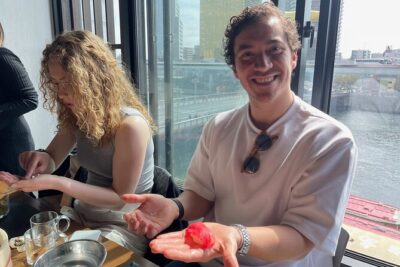
Sushi Making Tokyo Roll and Authentic Japanese Sushi Class
Read our review →
Tokyo: Roll and Authentic Sushi Making Class in Asakusa
Read our review →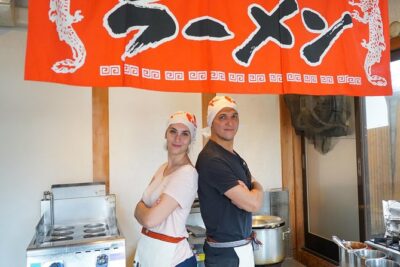
Ramen Cooking Class at Ramen Factory in Kyoto
Read our review →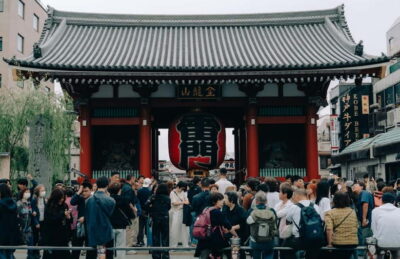
Tokyo: Sushi Making Class in a Happi Coat near a Famous Spot
Read our review →
Sushi Making Tokyo! Popular Maki Sushi & Japanese Sushi(+Recipe!)
Read our review →
Sushi Making Osaka Roll and Authentic Japanese Sushi Class
Read our review →
Tokyo Sushi Making Class in Tsukiji with Professional Chef
Read our review →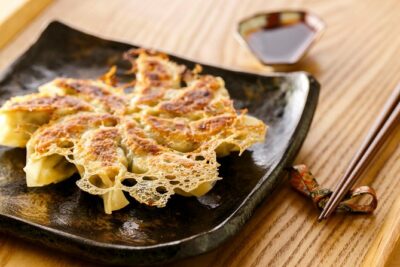
Ramen & Gyoza Cooking Class in Tokyo with Local Supermarket Visit
Read our review →Browse the lists this tour appears in