
Review · KYOTO
Arashiyama’s Best Vegan Ramen & Gyoza Class
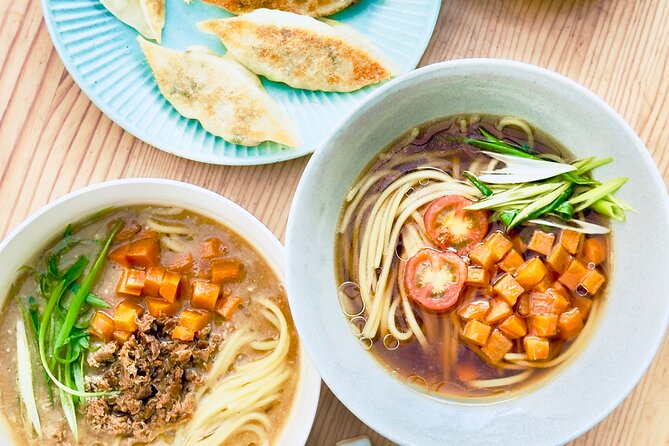
Arashiyama is known for bamboo paths and temple walks, but this class gives you a good reason to linger over lunch or dinner. You make two vegan ramen broths with kombu, shiitake, and Kyoto vegetables, then prepare crispy gyoza from scratch. The aim is not simply to provide a meat-free meal. It is to show you how plant ingredients can build serious flavor.
I like the private format and the practical recipes you can use at home. I also like that meat-eaters are welcome, since the class focuses on umami rather than on a narrow dietary label. The main consideration is the dog at the home, so this is not a good choice if you have an animal allergy.
Key points at a glance
- Two ramen broths in one class: Compare different plant-based broths rather than learning only one recipe.
- Gyoza made from scratch: Prepare a classic Japanese side dish and aim for a crisp finish.
- Private activity: Only your group participates, giving you room to ask questions.
- English-speaking instruction: The class is designed for visitors who want clear guidance while cooking.
- Lunch or dinner included: You cook and eat the finished food during the two-hour session.
- Useful take-home value: Recipes, aprons, towels, water, and tea are included.
Starting near Arashiyama Station
The class begins at Arashiyama Station in the Higashichikawacho area of Kyoto’s Nishikyo Ward. That location works well with a day spent around the district’s temples, river views, and bamboo grove, though you should allow enough time to reach the meeting point without rushing.
The activity ends back at the same meeting point. This is helpful if you plan to continue sightseeing afterward, since you are not left trying to locate a separate finish point in an unfamiliar neighborhood.
The class lasts about two hours. That is long enough for hands-on cooking and a proper meal, but short enough to fit into a larger Arashiyama plan. I would schedule it before or after your main sightseeing rather than trying to squeeze it between several timed attractions.
The provider confirms bookings within 48 hours, subject to availability. Since the class is private, you are booking a dedicated session for your group rather than joining a large public cooking demonstration. The activity is booked around 11 days ahead on average, so a little planning is sensible if your Kyoto dates are fixed.
More Vegan Cooking Classes in Japan
- Private Plant-Based Japanese Cooking Class – Kyoto Edition
★ 5.0 · 15 reviews - Ramen & Dumpling Cooking in Tokyo with Chef/Vegan possible
★ 5.0 · 107 reviews - Vegan/Vegetarian Ramen and Gyoza by Bentoya cooking
★ 5.0 · 59 reviews
Building a plant-based broth with real depth
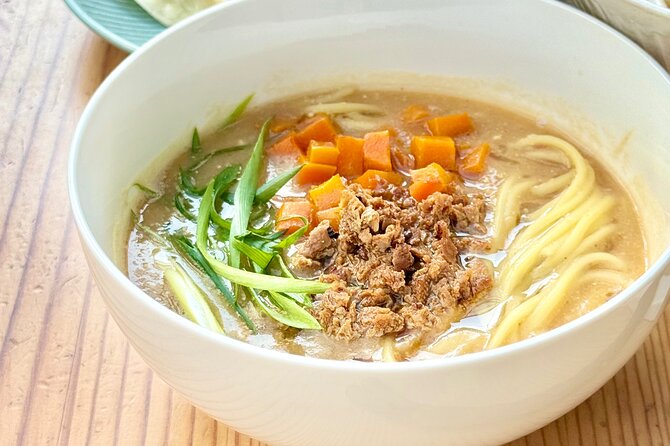
The central idea here is the broth. The class uses kombu, shiitake, and fresh Kyoto vegetables to create a 100 percent plant-based base without dashi. That matters because many Japanese soups depend on fish-based dashi, and a strictly vegan diner often has to ask careful questions about what is in the stock.
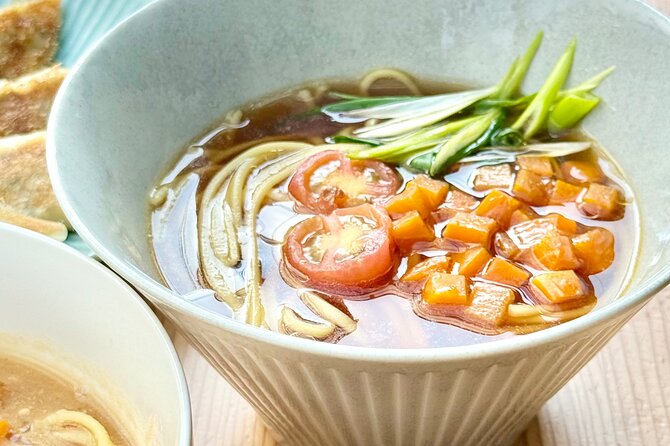
You learn how several simple ingredients work together to create umami. Kombu brings a savory sea quality, shiitake adds earthiness, and vegetables give the broth body and sweetness. The class describes the finished result as rich and creamy, with enough depth to appeal to people who normally choose tonkotsu or another pork-based ramen.
You will make two types of ramen broth, which gives the lesson more value than a single-recipe workshop. The supplied information does not specify the exact names or flavor profiles of the two broths, so you should not expect a formal comparison menu in advance. Still, preparing two versions lets you see how small changes in ingredients and method affect the final bowl.
The wording about a secret broth should be taken as a cooking goal, not a promise that the class reveals a restaurant formula. What you can expect is a practical lesson in building flavor from vegetables, mushrooms, and kelp. That is useful well beyond ramen. The same approach can improve noodle soups, stews, sauces, and quick weeknight meals.
Rolling, filling, and crisping the gyoza
Ramen provides the main course, but the gyoza make the class more hands-on. You prepare the dumplings from scratch and work toward a crisp base, a tender filling, and a properly cooked wrapper.
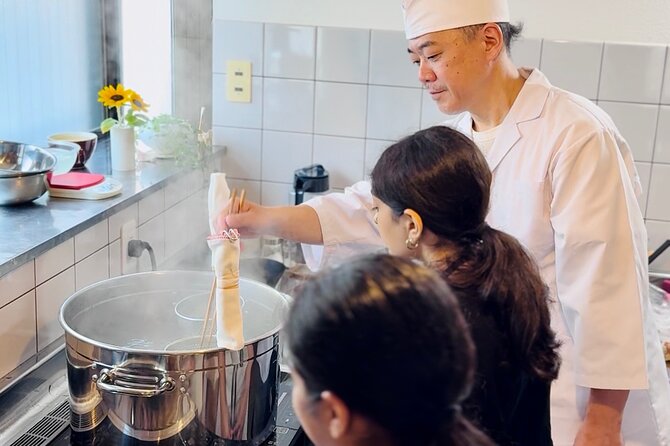
Gyoza are a good choice for a short class because the steps are easy to understand but still require attention. You need to portion the filling, seal the wrappers, and control the cooking so the bottoms brown without drying out the dumplings. An English-speaking instructor can explain those details as you work, and the private format gives you a chance to ask about any step that feels awkward.
The class description does not list every filling ingredient, so I would not assume a particular vegetable mix before arrival. If you have a food allergy, tell the provider ahead of time. That is especially important in a cooking class, where several ingredients are handled in the same kitchen.
You also have the chance to ask for gluten-free options. The activity says these are available, but it does not specify whether every component can be adapted or whether advance notice is required. Contacting the provider before booking is the safest approach if gluten is a medical concern rather than a preference.
Eating what you prepare
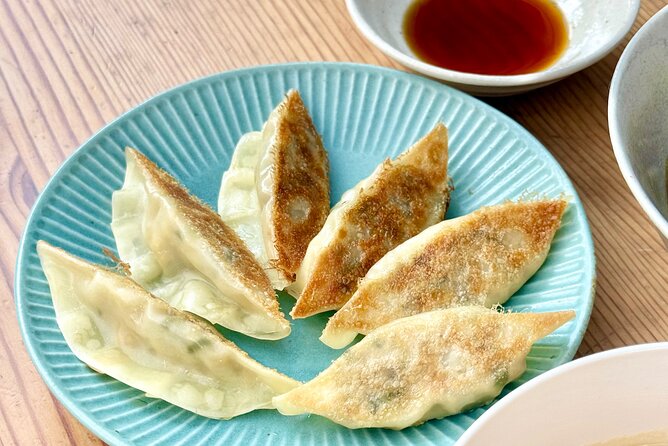
Lunch and dinner reservations include the meal you cook. This sounds obvious, but it changes the feel of the experience. You are not making a few sample bites and then leaving for a separate restaurant. The cooking leads directly to a sit-down meal with the ramen and gyoza you have prepared.
Water and tea are freely available. Alcohol and soda are not included, so plan on a nonalcoholic meal unless you arrange something separately. Since the class takes place in a private setting, this is better suited to people who enjoy a relaxed meal with their group than to anyone looking for a busy restaurant atmosphere.
The meal also gives you a useful test of the recipes. You can ask questions while the flavors are fresh in your mind: how to get more body into the broth, how to adjust seasoning, or how to keep gyoza crisp. The recipes provided afterward help turn the class into something you can repeat at home.
A small caution is worth noting. The home has a dog, and the provider does not recommend the class for anyone with an animal allergy. This is not a minor detail to brush aside. A private home kitchen can be difficult to avoid if you react strongly to pets.
More Sushi and Japanese Classes in Kyoto:
- Ramen Cooking Class at Ramen Factory in Kyoto
★ 5.0 · 1,937 reviews - Sushi Making in Kyoto! Same-day bookings welcome!
★ 5.0 · 713 reviews - Kyoto: Ramen Cooking Class at a Ramen Factory with Souvenir
★ 4.9 · 532 reviews - Kyoto: Ramen, Gyoza, and Onigiri Cooking Class
★ 5.0 · 445 reviews
A private lesson with room for questions
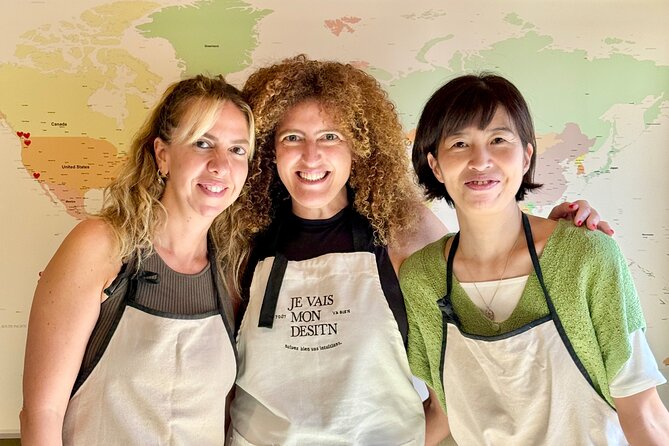
Only your group participates. That is the biggest difference between this class and a standard group cooking workshop. You do not have to compete for a place at the counter or wait while a dozen people take turns with the same task.
A private setting can also make the lesson more personal. You can ask about substitutions, cooking times, or techniques at your own pace. If one person in your group has never made gyoza before while another already cooks Japanese food, the instructor has more freedom to adjust the explanation.
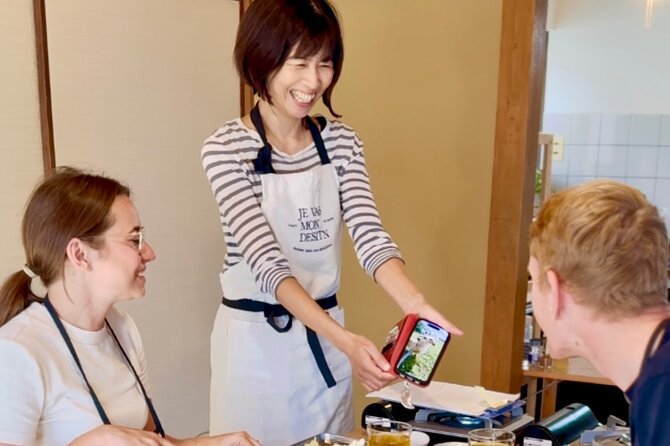
The activity includes an English-speaking instructor. The available feedback describes clear instruction, good organization, and a friendly, relaxed setting. Another participant found it useful to ask detailed questions about basic Japanese cooking methods. Those are encouraging signs for someone who wants more than a quick demonstration.
The provider’s messages are signed by Satoru and Akiko of Kyoto green cuisine. The supplied information does not clearly state which of them leads every ramen and gyoza session, so it is best to treat them as the named people behind the provider rather than assume both will teach your particular class.
Aprons and towels are provided free of charge. That saves you from worrying about cooking clothes, though comfortable clothing is still a sensible choice. The class is held near public transportation, which makes it fairly easy to pair with a day in Arashiyama.
What the two-hour schedule feels like
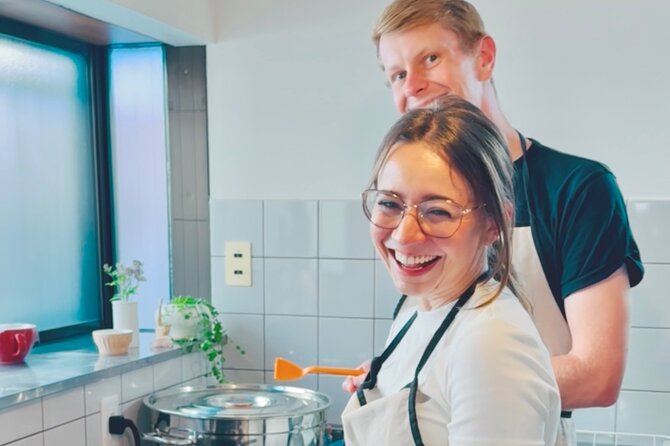
The exact minute-by-minute schedule is not provided, but the class has a clear practical rhythm.
First, you meet the instructor near Arashiyama Station and get settled. Aprons and towels are available, and water or tea can be served during the session.
Next comes the preparation of the ramen components. You work with kombu, shiitake, and Kyoto vegetables to create the plant-based broth. Since there are two broths, this portion should give you a useful look at how different ingredients build savory flavor.
You then make the gyoza. This is where the class becomes especially tactile, with filling, folding, and pan cooking all part of the work. The instructor can correct your technique as you go, which is more helpful than watching a finished demonstration.
Finally, you eat the ramen and gyoza you have made. Lunch and dinner bookings both include this meal, and the recipes are supplied for future use. Because the activity lasts only about two hours, the timing is likely organized closely. Arrive ready to cook rather than expecting a long informal visit before the lesson begins.
Is $65.15 a fair price?
At $65.15 per person, this is not the cheapest way to eat ramen in Kyoto. It is also not priced like a simple restaurant meal. You are paying for instruction, ingredients, a private class, the meal itself, and recipes you can take home.
The value is strongest if you want a small-group cooking experience rather than just lunch. Making two broths and gyoza gives you several techniques in one sitting. The private format is another meaningful part of the price, especially for couples, families, or friends who want the class to themselves.
The value is weaker if your main goal is to sample inexpensive local food or if you do not plan to cook again. In that case, a bowl of ramen will cost less and require no two-hour commitment. This class makes more sense when you see the meal as part of a lesson and a Kyoto memory.
The recipe handout adds long-term value. You can recreate the broth at home and adapt it to your own kitchen. That is particularly useful for vegans and vegetarians who often have to check stock ingredients carefully when eating out.
Who will enjoy this Arashiyama class most
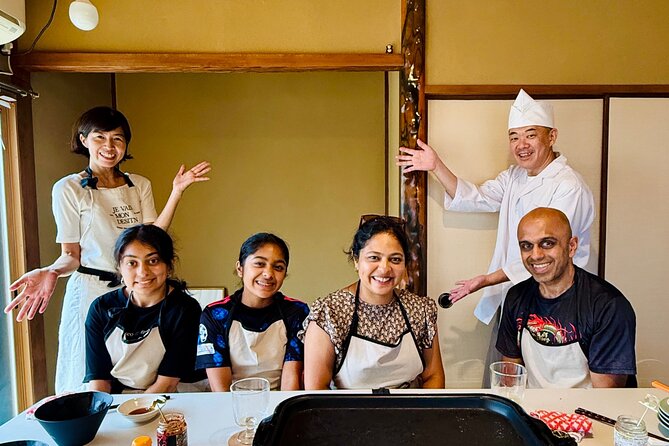
I would recommend it most strongly for:
- Vegans and vegetarians who want a meal that is fully plant-based and dashi-free.
- Omnivores who are curious about how vegetables, kombu, and shiitake create savory depth.
- Couples and small groups who prefer a private activity.
- Families or friends who want to cook together without committing to a full-day workshop.
- Visitors who like taking recipes home and repeating dishes after a trip.
- People planning an Arashiyama sightseeing day and wanting a meal-based activity nearby.
It may not suit someone with a serious dog allergy. It is also less appealing if you want alcohol with your meal, since alcoholic beverages are not included. Finally, anyone who dislikes hands-on cooking may get more from a restaurant meal than from this experience.
Booking and cancellation details
Free cancellation is available if you cancel at least 24 hours before the local start time. Cancellations made less than 24 hours before the activity are not refunded, and changes within that same window are not accepted.
Food allergies should be reported in advance. Gluten-free options are available, but you should ask about your needs before the class rather than wait until you arrive. Confirmation is sent within 48 hours, subject to availability.
FAQ
Where does the ramen and gyoza class begin?
It begins at Arashiyama Station in Higashichikawacho, Nishikyo Ward, Kyoto, 616-0002, Japan.
Where does the activity end?
The class ends back at the meeting point near Arashiyama Station.
How long does the class last?
The activity lasts approximately two hours.
Is the food completely plant-based?
Yes. The ramen and gyoza class is described as 100 percent plant-based and dashi-free.
Are gluten-free options available?
Yes, gluten-free options are available. Tell the provider about your needs in advance.
Are lunch and dinner included?
Yes. For either a lunch or evening reservation, you cook and eat the meal during the class.
What is included with the experience?
An English-speaking instructor, recipes, aprons, towels, bottled water, and tea are included. Alcoholic beverages and soda are not included.
Should you book it?
Book this class if you want to turn an Arashiyama stop into a useful food lesson. The combination of two broths, handmade gyoza, a private group, and recipes to take home gives the two hours real substance. You do not need to be vegan, and the focus on umami makes it a good choice for anyone who enjoys Japanese food.
Skip it if you only want the quickest or cheapest meal, or if a dog allergy makes a private home setting risky. For everyone else, $65.15 is a reasonable price for a meal you prepare yourself, especially when you value personal instruction and recipes you can use long after your Kyoto visit.
More Food Experiences in Kyoto
- Nishiki Market Food Tour with Cooking Class
★ 4.9 · 42 reviews - Kyoto: White Miso Cooking Class & Fermented Food Course Lunch
★ 5.0 · 5 reviews - Small Group Cooking Class & Market Food Tour in Florence
★ 5.0 · 1,574 reviews - Athens: Food Market Visit and Cooking Class with Wine
★ 4.9 · 1,087 reviews
More Vegan Cooking Classes in Kyoto
- Oaxacan Vegetarian Cooking Class
★ 5.0 · 235 reviews - Marrakech: Moroccan Cooking Class for vegetarians and vegan
★ 4.9 · 156 reviews - Hoi An: Vegetarian Cooking Class w Local Family and transfer
★ 4.9 · 145 reviews - Oaxaca: Vegetarian Cooking Class
★ 4.8 · 139 reviews
Just added around Kyoto
- Private Cooking Class Udon in Kyoto Japan★ 5.0 · 23 reviews
- Private Plant-Based Japanese Cooking Class – Kyoto Edition★ 5.0 · 15 reviews
- Private Kyoto Sushi Cooking Class & Tea Ceremony with Emika★ 5.0 · 66 reviews
- Private Guided Traditional Buddhist Cooking in Japan★ 5.0 · 16 reviews
- Kyoto Wagashi(Japanese sweets) Cooking Class near Fushimiinari★ 5.0 · 60 reviews
- Nishiki Market, Private Sushi class & Sake Tasting in Townhouse★ 5.0 · 6 reviews
- Private Kyoto Cooking Class with Aki in a Beautiful Wooden House★ 5.0 · 12 reviews
- Private Kyoto Market Tour and Authentic Cooking Class with Aki★ 5.0 · 15 reviews
Japanese & Sushi Cooking Classes, compared.
Sushi Making Tokyo Roll and Authentic Japanese Sushi Class
Read our review →
Tokyo: Roll and Authentic Sushi Making Class in Asakusa
Read our review →
Ramen Cooking Class at Ramen Factory in Kyoto
Read our review →
Tokyo: Sushi Making Class in a Happi Coat near a Famous Spot
Read our review →
Sushi Making Tokyo! Popular Maki Sushi & Japanese Sushi(+Recipe!)
Read our review →
Sushi Making Osaka Roll and Authentic Japanese Sushi Class
Read our review →
Tokyo Sushi Making Class in Tsukiji with Professional Chef
Read our review →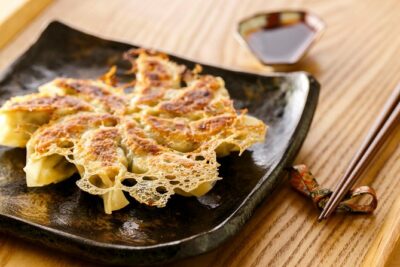
Ramen & Gyoza Cooking Class in Tokyo with Local Supermarket Visit
Read our review →Browse the lists this tour appears in