
Review · KYOTO
Private Plant-Based Japanese Cooking Class – Kyoto Edition
Kyoto’s food culture is at its most interesting when you are doing more than simply eating it. In this private class, you prepare shojin ryouri, the plant-based Buddhist cuisine linked to Kyoto, then sit down to a meal you helped make. You’ll also learn fresh rice, miso soup, and two styles of yatsuhashi, the city’s chewy, sweet take on mochi.
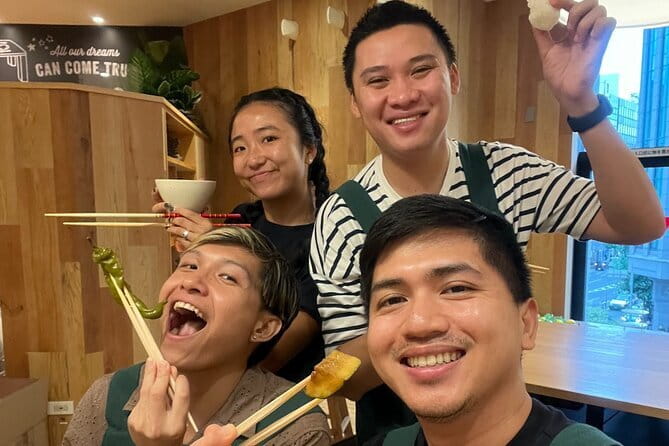
I like the hands-on format, since everyone in your group takes part rather than watching a chef work from across the room. I also like the practical souvenir: you take home a bamboo lunchbox, along with recipes and techniques you can use after Japan. The main consideration is that this is an approachable cultural cooking lesson, not an advanced professional course. If you want difficult knife work or complex restaurant methods, it may feel too simple.
Key points to know before booking
- Kyoto plant-based cooking: Prepare shojin ryouri with seasonal vegetables sourced from local farmers.
- Three useful basics: Make rice from scratch, prepare miso soup traditionally, and learn two flavors of yatsuhashi.
- Private group setting: Only your party participates, with group discounts available.
- English-friendly instruction: The teachers and staff can communicate in English and Japanese.
- Convenient city location: Meet at LAQUE Shijo Karasuma, with direct access to the station.
- A take-home reminder: Your bamboo lunchbox gives the class a useful souvenir, not just a quick meal.
Why Kyoto shojin ryouri makes a good cooking lesson
Shojin ryouri is more than a collection of vegetable dishes. It reflects the Buddhist approach to food preparation, where simple ingredients receive careful treatment. That makes this class a good choice if you want to understand why Japanese cooking can taste full and satisfying without meat.
The focus is on fresh, seasonal vegetables and ingredients sourced directly from local farmers. You may already know miso soup and rice as everyday Japanese foods, but making both from the beginning helps you notice the small choices behind the finished meal.
The class also gives you a taste of Kyoto beyond temple visits and famous streets. Kyoto is strongly associated with refined food, careful presentation, and seasonal cooking. Here, you get to work with those ideas in a friendly studio rather than only admiring them in a restaurant.
I especially like that the lesson includes sweets. Yatsuhashi is closely tied to Kyoto, and learning two flavors gives the class a pleasant finish. It also adds variety: you are not spending the entire two hours on savory dishes.
More Vegan Cooking Classes in Japan
- Arashiyama’s Best Vegan Ramen & Gyoza Class
★ 4.5 · 6 reviews - Ramen & Dumpling Cooking in Tokyo with Chef/Vegan possible
★ 5.0 · 107 reviews - Vegan/Vegetarian Ramen and Gyoza by Bentoya cooking
★ 5.0 · 59 reviews
Arriving at LAQUE Shijo Karasuma
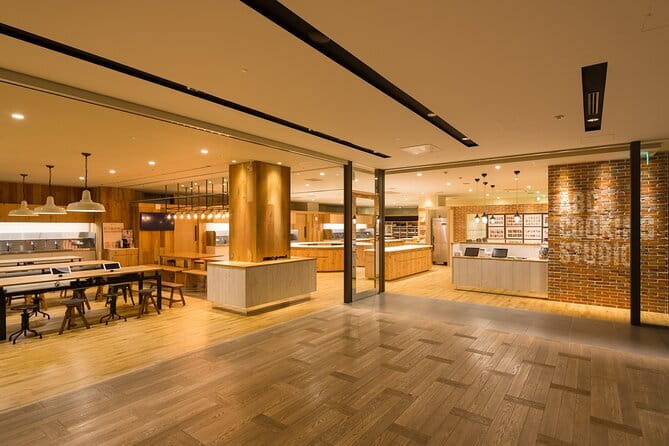
The meeting point is LAQUE Shijo Karasuma101, Kankobokochō, in Kyoto’s Shimogyo Ward. The activity is near public transportation and has direct access to the station, which matters in Kyoto, where a well-placed indoor meeting point can save you time and confusion.
You return to the same meeting point when the class ends. That makes it easy to fit this into a busy day. You can schedule it before sightseeing, use it as a midday break, or finish the lesson and continue around central Kyoto without arranging a separate ride back.
I would still arrive with enough time to locate the studio. The address is specific, but large station areas and commercial buildings can take a few minutes to sort out, especially if you are carrying luggage or arriving during a busy part of the day.
This location also makes the class useful near the beginning of a Kyoto visit. The lesson ambassadors know the city and can offer travel suggestions, including places you might otherwise miss. That local conversation is a real part of the value, especially if you have just arrived and want help planning the rest of your stay.
What you prepare during the two hours
The core lesson centers on a plant-based Japanese meal. You work with seasonal vegetables and learn how they fit into shojin ryouri. The goal is not merely to produce lunch. You are learning how simple ingredients can be handled with care and assembled into a balanced meal.
Fresh rice is one of the most useful parts of the class. Rice is central to Japanese home cooking, yet many visitors eat it throughout Japan without seeing how it is prepared. Making it yourself gives you a better sense of the process and leaves you with a skill you can repeat at home.
Miso soup is another practical lesson. You prepare it the traditional way, with tofu included in the meal. It is a familiar Japanese dish, but the class gives you a clearer connection between the ingredients, the preparation, and the final flavor.
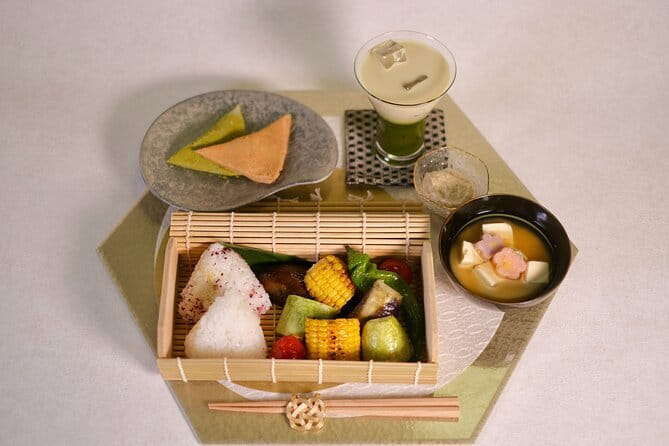
The class may also include steamed vegetables and onigiri-style rice preparations. These dishes are simple, filling, and realistic for home cooking. You should not expect a long tasting menu or highly technical restaurant production. Instead, you get food that is manageable to recreate.
That simplicity is a strength for most people. One past participant specifically found the dishes easy and delicious, while also noting that the class is not aimed at people seeking complicated cooking. I would make the same distinction: this is a cultural introduction and practical home-cooking lesson, not a chef-training session.
Learning yatsuhashi, Kyoto’s sweet specialty
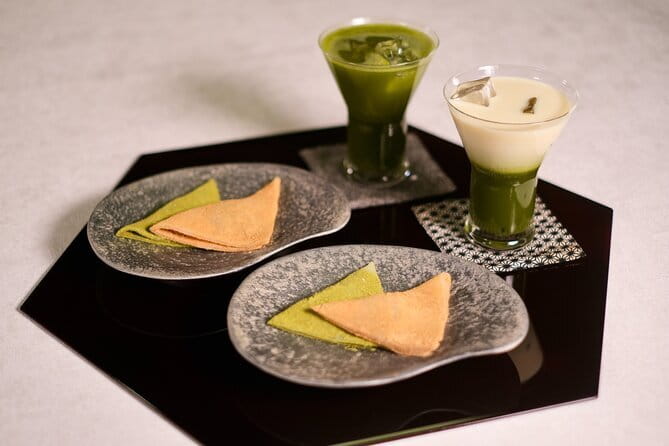
The dessert portion adds a distinctly Kyoto touch. You learn to make two flavors of yatsuhashi-style mochi, giving you a chance to work with one of the city’s best-known sweets.
Yatsuhashi is often bought as a packaged souvenir, so preparing it yourself changes how you think about it. You get to see the ingredients and process rather than simply opening a box at the hotel. The two flavors also make the dessert portion more engaging for groups, since you can compare the results as you work.
The class has been described as including matcha latte preparation in some versions of the cooking activity. The supplied menu description specifically promises two types of yatsuhashi, while other food details can vary by class format or session. If a particular drink or dish matters to you, confirm the exact menu when booking.
For families and friends, the sweets help keep the pace relaxed. Not everyone in a group wants to spend the full class on chopping vegetables. Yatsuhashi gives the lesson a creative, hands-on finish and makes the meal feel connected to Kyoto rather than like a generic Japanese cooking course.
More Sushi and Japanese Classes in Kyoto:
- Ramen Cooking Class at Ramen Factory in Kyoto
★ 5.0 · 1,937 reviews - Sushi Making in Kyoto! Same-day bookings welcome!
★ 5.0 · 713 reviews - Kyoto: Ramen Cooking Class at a Ramen Factory with Souvenir
★ 4.9 · 532 reviews - Kyoto: Ramen, Gyoza, and Onigiri Cooking Class
★ 5.0 · 445 reviews
A private class that works well for friends
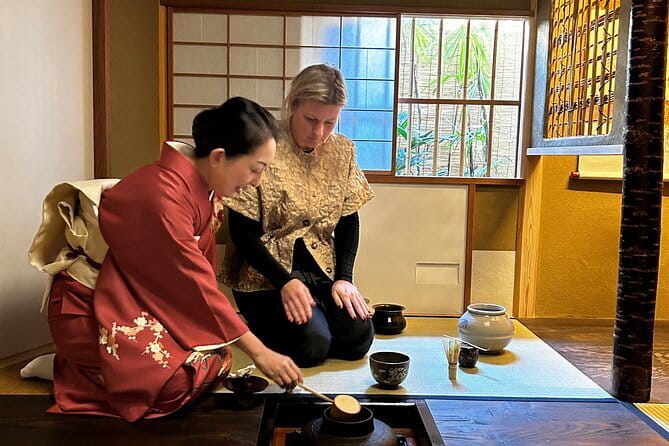
Because this is a private activity, only your group takes part. That changes the feel of the lesson. You can ask questions without worrying about a room full of strangers, and the teacher can adjust explanations to your group’s pace.
The format suits friends who want to do something together rather than split up for separate sightseeing. It also works well for families, since the lesson is designed for different cooking backgrounds. You do not need to arrive with Japanese cooking experience.
The staff are described as friendly, patient, and easy to talk with. Haruhi is named as one particularly patient and insightful teacher, and other instructors are reported to speak both English and Japanese fluently. That is useful if you are interested in Japanese food but cannot follow a lesson in Japanese.
The private format comes with a price consideration. At $98 per person, this is not the cheapest way to eat lunch in Kyoto. You are paying for instruction, ingredients, a private setting, the meal itself, and the bamboo lunchbox. For a group that values conversation and participation, the cost can be reasonable. If you only want an inexpensive meal, a restaurant will cost less.
Group discounts may improve the value for larger parties. Since the class is private, it makes sense to compare the total cost for your group rather than judging the per-person price alone.
The studio atmosphere and teaching style
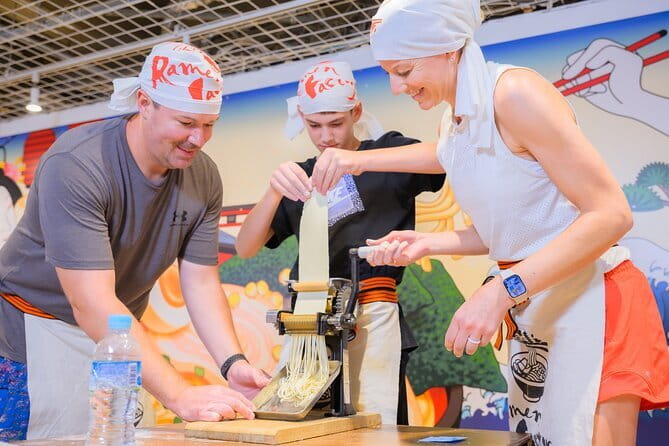
The cooking takes place in a clean, attractive studio with an inviting atmosphere. That matters more than it may sound. A cramped or confusing kitchen can make a short class feel rushed, while a pleasant workspace lets you focus on the food and conversation.
The teaching style appears relaxed and interactive. Each person participates, and the staff explain the steps rather than assuming you already understand Japanese ingredients or cooking habits. This is especially helpful for first-time visitors who may not recognize every item on the counter.
You can expect guidance instead of a formal lecture. The lesson ambassadors explain the food, correct your technique, and answer questions about Kyoto. The tone is friendly enough for beginners, but you still get useful context about how the dishes fit into local culture.
I would not book this expecting a silent, exacting culinary workshop. The appeal is the mix of food, conversation, and cultural background. Some people will find that laid-back approach ideal. Serious home cooks looking for advanced instruction may want a longer or more specialized course.
What makes the meal satisfying
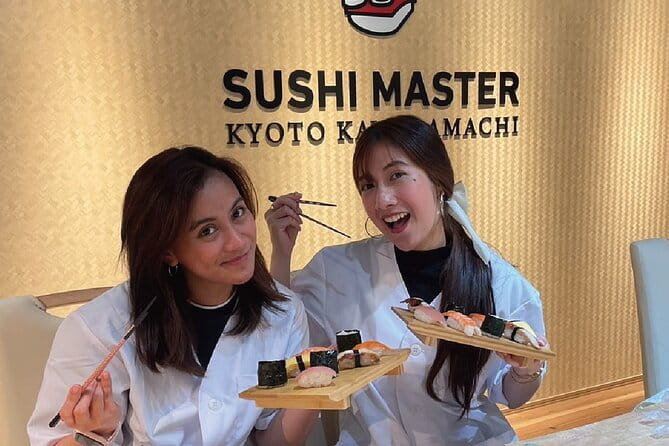
The dishes are based on vegetables, rice, miso, tofu, and sweets, yet the meal is meant to be filling. That is important if you are choosing the activity in place of lunch. One session included steamed vegetables, onigiri, and miso soup with tofu, and the overall meal was described as substantial.
The cooking also shows why plant-based food does not have to feel like a compromise. Careful preparation, seasoning, texture, and presentation do much of the work. You may leave with a better understanding of how vegetables can carry a meal instead of simply filling space beside meat.
Still, the exact menu should be treated as the stated plant-based lesson rather than a guaranteed restaurant-style spread. The central promises are shojin ryouri, fresh rice, miso soup, and two kinds of yatsuhashi. Other items, such as matcha latte or specific bento components, may depend on the session.
If you have allergies or strict dietary needs, ask before booking. The activity is plant-based, but the supplied information does not list every ingredient or provide a full allergy policy. Do not assume that plant-based automatically means suitable for every dietary restriction.
Taking home more than a recipe
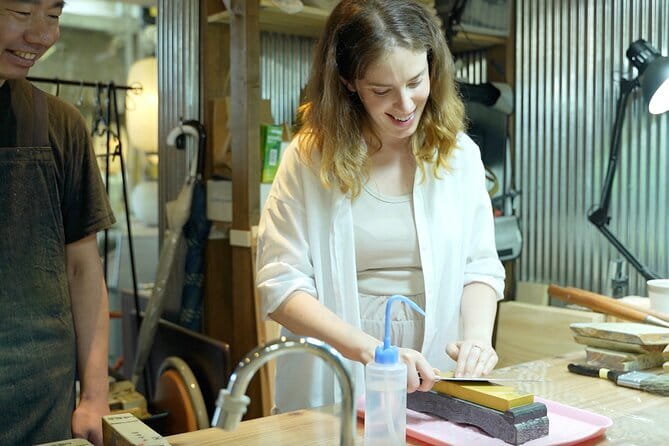
The bamboo lunchbox is a useful touch. It gives you a physical reminder of the class and can be used after you return home. Many food activities end with a meal that disappears quickly. Here, the container helps extend the experience beyond the studio.
The real souvenir, though, is the method. Rice, miso soup, steamed vegetables, onigiri, and yatsuhashi are more approachable than dishes requiring rare equipment or hard-to-find ingredients. You can adapt what you learn to your own kitchen.
I also like the chance to ask about Kyoto while you cook. The teachers are described as approachable, and the lesson can provide local suggestions as well as food instruction. That makes the class useful as an early-trip activity, when you still have time to use those ideas.
Timing, booking, and cancellation
The class lasts about two hours. That is long enough to prepare and eat the food without taking over your entire day. I would avoid placing a major timed attraction immediately afterward, since cooking, eating, and finding your way through a station area can take longer than the listed duration.
The activity is often booked about 13 days ahead, so reserving roughly two weeks before your preferred date is sensible. A private class can be harder to fit in at the last moment, especially if your group needs a particular time.
You receive confirmation at booking, and the activity offers a mobile ticket. Cancellation is free if you cancel at least 24 hours before the local start time. Changes or cancellations inside that 24-hour window are not accepted for a refund.
Who should book this Kyoto cooking class?
I would recommend it most strongly to:
- Friends who want a shared activity with plenty of conversation
- Families looking for a beginner-friendly Kyoto food lesson
- Visitors interested in plant-based Japanese cooking
- People who want an indoor activity near central Kyoto transportation
- First-time visitors who would welcome local tips from the instructors
- Anyone who wants a recipe-based souvenir instead of another packaged gift
I would be more cautious if you want advanced culinary training, a long multi-course meal, or a lesson focused on meat, fish, or professional knife technique. The class is intentionally accessible and relaxed.
Should you book the ABC Sustainatable class?
Book it if you want to connect Kyoto’s food culture with something you can actually do. The combination of shojin ryouri, homemade rice and miso soup, Kyoto-style yatsuhashi, English-friendly teaching, and a bamboo lunchbox gives the two hours a clear purpose.
At $98 per person, the value depends on how much you want the private setting and instruction. For a group of friends or family, the shared activity and group discount can make more sense than the price of the meal alone. For solo budget dining, it is harder to justify.
My practical advice is to schedule it early in your Kyoto stay, use the station access to your advantage, and ask the instructors for food and sightseeing suggestions. If you want a friendly, hands-on introduction to plant-based Japanese cooking rather than a demanding culinary course, this is a strong choice.
FAQ
Where does the cooking class meet?
The class meets at LAQUE Shijo Karasuma101, Kankobokochō, Shimogyo Ward, Kyoto, 600-8009, Japan.
Where does the activity end?
The activity ends back at the meeting point.
How long does the cooking lesson last?
The lesson lasts approximately two hours.
How much does the experience cost?
The listed price is $98 per person.
Is this a private activity?
Yes. Only your group participates in the activity.
Is the class suitable for beginners?
Yes. The class is designed for people from different cooking backgrounds and does not require previous Japanese cooking experience.
Is the cooking class taught in English?
The staff and teachers are reported to speak English and Japanese, making the class suitable for English-speaking visitors.
What food will I prepare?
The class covers plant-based shojin ryouri, locally sourced vegetables, fresh rice, traditional miso soup, and two types of Kyoto-style yatsuhashi.
Do I receive anything to take home?
Yes. You can take the bamboo lunchbox home as a souvenir.
Can I cancel for a full refund?
Yes, if you cancel at least 24 hours before the experience start time. Cancellations or changes made less than 24 hours before the start time are not refunded or accepted.
More Hands-On Workshops in Kyoto
- The Original Small-Group Sushi Making Class in Kyoto
★ 5.0 · 436 reviews - Kyoto: Japanese Washoku Bento Small Group Cooking Class
★ 5.0 · 380 reviews - Kyoto Ramen and Gyoza Cooking Class with Professional Chefs
★ 5.0 · 282 reviews - Kyoto: Afternoon Japanese Izakaya Cooking Class
★ 4.9 · 241 reviews
More Vegan Cooking Classes in Kyoto
- Oaxacan Vegetarian Cooking Class
★ 5.0 · 235 reviews - Marrakech: Moroccan Cooking Class for vegetarians and vegan
★ 4.9 · 156 reviews - Hoi An: Vegetarian Cooking Class w Local Family and transfer
★ 4.9 · 145 reviews - Oaxaca: Vegetarian Cooking Class
★ 4.8 · 139 reviews
Just added around Kyoto
- Private Cooking Class Udon in Kyoto Japan★ 5.0 · 23 reviews
- Private Kyoto Sushi Cooking Class & Tea Ceremony with Emika★ 5.0 · 66 reviews
- Private Guided Traditional Buddhist Cooking in Japan★ 5.0 · 16 reviews
- Kyoto Wagashi(Japanese sweets) Cooking Class near Fushimiinari★ 5.0 · 60 reviews
- Nishiki Market, Private Sushi class & Sake Tasting in Townhouse★ 5.0 · 6 reviews
- Private Kyoto Cooking Class with Aki in a Beautiful Wooden House★ 5.0 · 12 reviews
- Private Kyoto Market Tour and Authentic Cooking Class with Aki★ 5.0 · 15 reviews
- Kyoto Sushi Making Experience with a Professional Sushi Chef★ 5.0 · 16 reviews
Japanese & Sushi Cooking Classes, compared.
Sushi Making Tokyo Roll and Authentic Japanese Sushi Class
Read our review →
Tokyo: Roll and Authentic Sushi Making Class in Asakusa
Read our review →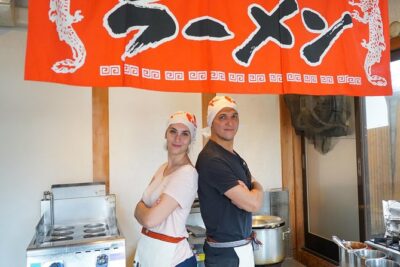
Ramen Cooking Class at Ramen Factory in Kyoto
Read our review →
Tokyo: Sushi Making Class in a Happi Coat near a Famous Spot
Read our review →
Sushi Making Tokyo! Popular Maki Sushi & Japanese Sushi(+Recipe!)
Read our review →
Sushi Making Osaka Roll and Authentic Japanese Sushi Class
Read our review →
Tokyo Sushi Making Class in Tsukiji with Professional Chef
Read our review →
Ramen & Gyoza Cooking Class in Tokyo with Local Supermarket Visit
Read our review →Browse the lists this tour appears in