
Review · JAPANESE & SUSHI
Sushi Making Experience Class in Naha Makishi Public Market
Makishi Public Market is more than a place to grab lunch. Here, you walk through the fish stalls, help choose ingredients, then turn fresh Okinawan seafood into your own sushi. The class includes eight pieces of sushi, red soup, pickled ginger, and green tea.
I like the direct link between market and meal, and I like the cultural exchange built into the class. You can ask questions, meet local staff, and learn about fish such as mibai, irabucha, kubushimi, and local bonito. One thing to consider: the price is high for a two-and-a-half-hour meal activity, and alcohol, aprons, and any market purchases are extra.
Key points at a glance
- Fresh fish starts at Makishi Public Market: You tour the stalls where the class ingredients are bought.
- Eight pieces of seasonal sushi: Fish may include Okinawan species, local tuna, bonito, salmon, and other available seafood.
- A patient teaching team: An instructor leads the preparation, with an interpreter helping international participants follow along.
- A small taste of Okinawan food culture: The class connects shopping, local fish, sushi technique, and shared dining.
- Optional drinks after the lesson: Sake starts at 1,000 yen and beer at 500 yen, sold separately.
- A useful keepsake included: Each participant receives an original RYUKYUMONO tenugui towel.
Starting with fish at Makishi Public Market
The best part of this experience happens before anyone touches a sushi mat. You begin at Makishi Public Market, at 2-chōme-10-1 Matsuo in Naha, and tour the fresh fish shops with the class team.
That setting gives the meal some context. Instead of seeing sushi as a finished plate with no story, you see where the ingredients come from and how local seafood fits into everyday Okinawan food culture. The market stop also gives you a chance to interact with local people, which is often more revealing than a formal lecture.
The market tour is not a separate sightseeing stop followed by an unrelated cooking lesson. The fish selected there becomes the raw material for your class. That simple connection makes the activity feel grounded in place.
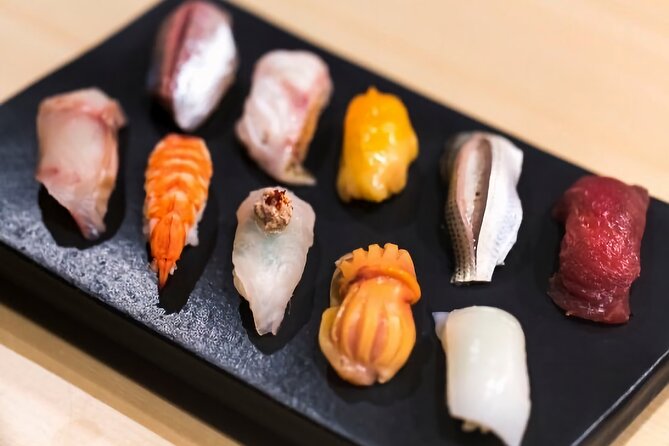
You may encounter fish such as mibai, red machi, irabucha, stew machi, local bonito, local tuna, kubushimi, and salmon. The exact selection changes with the season, so you should expect some variation rather than a fixed menu.
That seasonal approach is a plus for food lovers. It reflects what is available instead of forcing the same ingredients year-round. It also means you should not book this class expecting one particular fish unless the provider confirms it in advance.
More Market Tour Cooking Classes in Japan
- Tsukiji Fish Market Guided Tour and Sushi Making with Pro Chef
★ 5.0 · 775 reviews - Tokyo: Tsukiji Fish Market Sushi Making Class with Pro Chef
★ 4.9 · 506 reviews - Tokyo Tsukiji Fish Market Tour and Sushi Making Lesson
★ 5.0 · 390 reviews
Learning the sushi basics in about two and a half hours
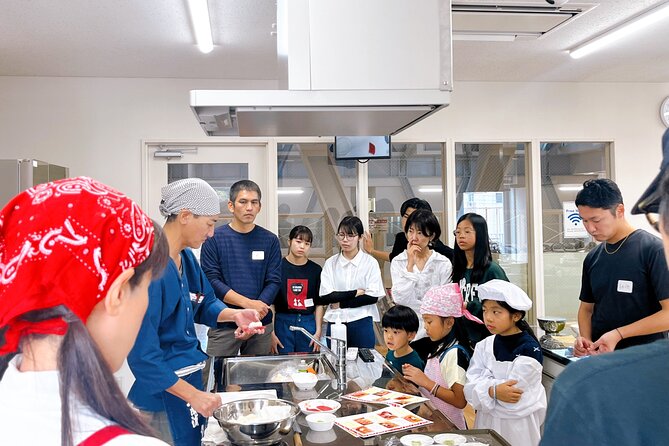
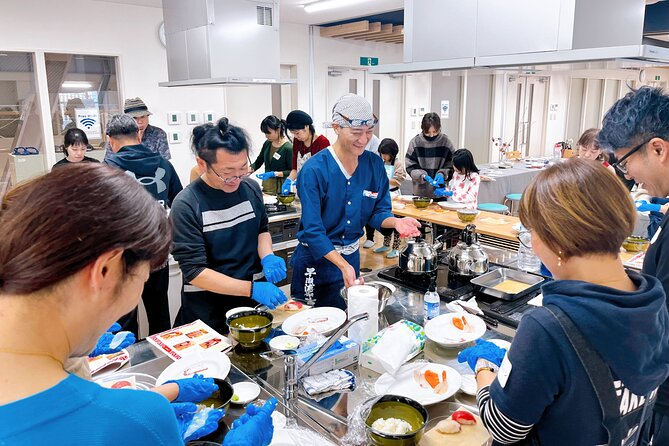
After the market visit, the group moves into the sushi-making portion. Your instructor demonstrates the process, then guides you as you make your own pieces.
The supplied details do not list every technique covered, so you should think of this as a practical introduction rather than a professional sushi apprenticeship. The point is to handle the ingredients, follow the method, and produce a meal you can eat at the end.
You will make eight pieces of sushi. That is enough to give you a real hands-on task without turning the class into a long kitchen session. It also leaves room for the market tour and a relaxed meal with the group.
The class uses a galley, or kitchen workspace, included in the cost. Aprons are not supplied, so wear clothing you do not mind using around food, or bring your own apron. This is a small detail, but it matters when you are working with fish, rice, and sauces.
A group of up to 20 people may join. That maximum is not tiny, so the feel can depend on the day’s attendance. If you prefer one-on-one instruction, this is probably not the right format. If you enjoy learning beside other people and sharing the meal afterward, the group setting should work well.
The class has received especially warm praise for the teaching. One instructor, identified in English as I, was described as fun, patient, and well informed about the activity. Another group of four singled out the interpreter as the bridge that made the lesson easier and more memorable. For international visitors, that language support is important. Sushi-making instructions can seem simple until timing, pressure, and shaping enter the picture.
What arrives on your plate
The finished meal includes the eight pieces of sushi you make yourself. The fish may come from the list of Okinawan and other available ingredients, but the exact lineup can change according to the season.
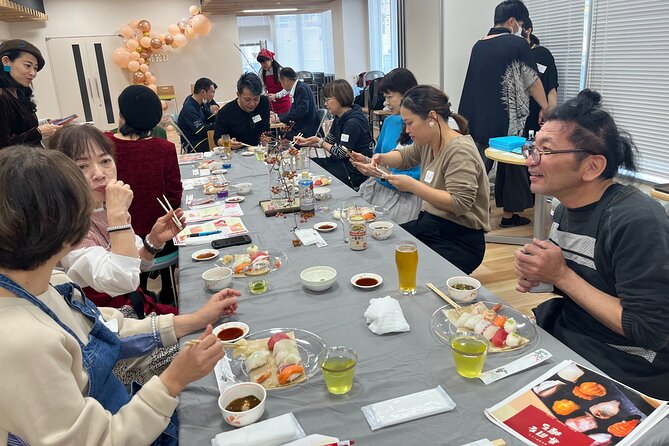
You also receive red soup stock, gari, and green tea. Gari, the pickled ginger served with sushi, helps clear your palate between pieces. The soup and tea make the meal feel more complete than a quick tasting.
The real appeal is ownership. You are not simply handed a prepared plate. You have watched the ingredients being selected, learned the method, and then eaten the result. That can make a familiar food feel new, especially if you have already eaten sushi in restaurants during your time in Japan.
Keep your expectations sensible. Eight pieces is a tasting-size meal, not a large dinner for most people. If you have a big appetite, plan another meal later. The class is about learning and local food culture as much as it is about filling up.
Sake and beer are available for an additional charge. Sake begins at 1,000 yen, and beer begins at 500 yen. The minimum drinking age is 18. Since drinks are optional, you can keep the cost down or add a beverage to make the meal more social.
The value of the $164.72 price
At $164.72 per person, this is not a budget lunch. You are paying for more than the food: the market visit, instruction, interpreter support, kitchen use, taxes, and the organized group experience are part of the package.
The value depends on what you want from a Naha activity. If you only want eight pieces of sushi, the price will seem steep. If you want a structured introduction to Makishi Public Market, a hands-on food lesson, and contact with local staff, the cost makes more sense.
The included tenugui towel adds a practical souvenir. A tenugui is a traditional Japanese cloth that can be used as a towel, wrapped around an item, or packed easily in your luggage. The RYUKYUMONO original design gives you something connected to the class rather than a generic souvenir.
Group discounts are available, which may improve the price for families or friends booking together. The class is also booked, on average, about 20 days ahead. That is a useful sign that you should not leave it until the last day of your Naha stay, especially if your schedule is tight.
The activity is mobile-ticket friendly, and confirmation is received when you book. It is near public transportation, so the meeting point should be manageable as part of a day in central Naha.
More Sushi and Japanese Classes in Japan:
- Sushi Making Tokyo Roll and Authentic Japanese Sushi Class
★ 5.0 · 3,971 reviews - Tokyo: Roll and Authentic Sushi Making Class in Asakusa
★ 4.9 · 1,957 reviews - Ramen Cooking Class at Ramen Factory in Kyoto
★ 5.0 · 1,937 reviews - Tokyo: Sushi Making Class in a Happi Coat near a Famous Spot
★ 4.9 · 1,377 reviews
How the schedule fits together
The format is straightforward:
- Reception at Makishi Public Market
- Guided market tour
- Sushi-making lesson
- Shared meal of the sushi you made
The total duration is about two hours and 30 minutes. That is long enough for a real class but short enough to fit into a day of sightseeing.
I would place this activity earlier in your Naha planning rather than treating it as a last-minute filler. The meeting point is also the ending point, so you can continue exploring the market and nearby parts of Naha afterward. The experience does not include a separate transfer service, and you should make your own way to the market.
Because the group can reach 20 people, arrive ready to listen for instructions and keep track of the schedule. A market is an active public place, not a quiet private studio. Staying with the group during the fish-shopping portion will help you get the full value from the tour.
The published route lists only Makishi Public Market as the stop. That means you should not expect additional sightseeing around Naha, a hotel pickup, or a wider Okinawa tour. The focus is narrow by design: market, sushi, meal.
What makes the experience culturally useful
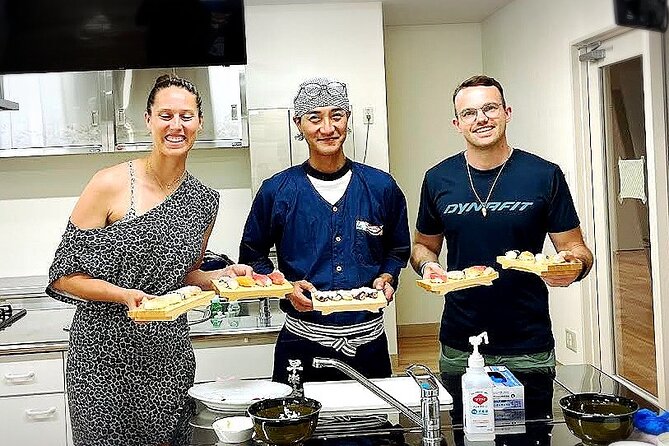
Food classes can sometimes feel detached from the place where they happen. This one avoids that problem by beginning with local fish and local vendors.
The market visit gives you a chance to see the raw ingredients before they are prepared. It can also help you understand the variety of fish used in Okinawan cooking. Species such as irabucha and kubushimi may be less familiar to visitors than tuna or salmon, which makes the class more interesting than a standard sushi lesson built around the same ingredients found everywhere.
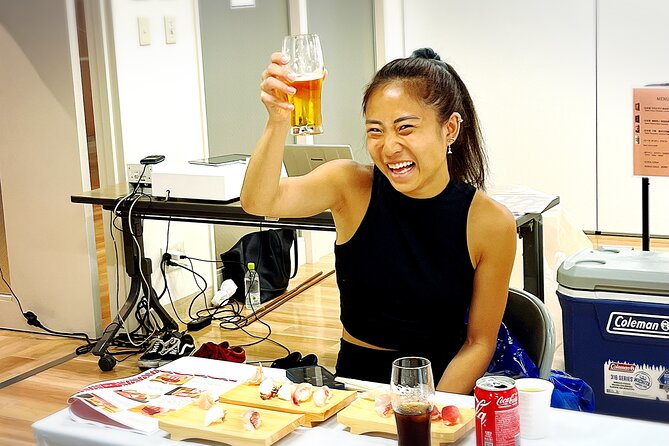
The social side matters, too. You eat with the other participants after the lesson, and the optional sake or beer can extend that shared atmosphere. You do not need to drink to enjoy the class, but a beverage may suit you if you like food experiences that include conversation.
The teaching style appears to be a strong part of the experience. The instructor’s patience and the interpreter’s help can make a difference if you are nervous about working with unfamiliar ingredients. You should still expect to take part rather than simply watch. The class is designed around making your own sushi.
Who should book this class?
This experience fits you best if you like food, markets, and short hands-on activities. It is a good choice for couples, families, friends, and small groups who want something more active than a restaurant meal.
It also suits visitors who want a manageable cultural activity in Naha. The class does not require a full day, and the meeting point is near public transportation. You can pair it with other central Naha plans before or after the session.
Families and groups should check the total cost carefully, then ask about the available group discount before booking. The maximum group size is 20, so the activity can work for a social outing, though it may not feel intimate on a full day.
You may want to skip it if you dislike raw fish, want a large meal, or are looking for a cheap way to eat sushi. You should also think twice if your schedule cannot handle a fixed two-and-a-half-hour activity. The cancellation terms are strict: the experience is non-refundable and cannot be changed after booking for any reason.
If the provider cancels because the minimum number of participants is not reached, you are offered another date or experience, or a full refund. That protection applies to a cancellation by the operator, not a change of your own plans.
Practical details before you reserve
The meeting point is Makishi Public Market, 2-chōme-10-1 Matsuo, Naha, Okinawa 900-0014, Japan. The activity ends at the same location.
Wear comfortable clothes suited to food preparation. Since aprons are not provided, bring one if you want extra protection. You do not need to budget for kitchen use or taxes, since those costs are included.
Bring extra money if you want sake or beer. Sake starts at 1,000 yen, while beer starts at 500 yen. Alcohol is not part of the advertised price, and the minimum drinking age is 18.
Book ahead if this is important to your itinerary. The typical advance booking period is about 20 days, and the group size is capped at 20. Mobile tickets make the entry process simpler, but you still need to arrive at the stated meeting point.
The class currently includes an original RYUKYUMONO tenugui towel as a bonus. It is a small extra, but useful for anyone who wants a light, easy-to-pack reminder of Naha.
Should you book the Makishi sushi class?
Book it if you want to connect a Naha market visit with a hands-on meal and you are happy paying for the teaching, setting, and cultural context rather than just the food. The market-to-plate format is the main reason to choose it, and the patient instruction and interpreter support make it approachable for international visitors.
Skip it if your priority is low cost, a large lunch, or a flexible schedule. At $164.72, it needs to be one of your planned food experiences, not an impulse meal.
For the right person, this is a smart way to spend part of a Naha day: you see the fish, make the sushi, eat what you prepared, and leave with a tenugui towel in your bag. That is more memorable than simply ordering another plate at a restaurant.
FAQ
Where does the sushi-making experience take place?
The experience takes place at Makishi Public Market in Naha, Japan. The meeting address is 2-chōme-10-1 Matsuo, Naha, Okinawa 900-0014, Japan.
How long does the activity last?
The experience lasts approximately two hours and 30 minutes.
What does the schedule include?
The schedule includes reception, a tour of the market’s fresh fish stores, a sushi-making lesson, and a shared meal of the sushi each participant prepared.
How many pieces of sushi will I make?
You will make eight pieces of sushi.
What types of fish may be used?
The fish may include mibai, red machi, irabucha, stew machi, local bonito, local tuna, kubushimi, and salmon. Ingredients can change depending on the season.
Is food included besides the sushi?
Yes. The meal also includes red soup stock, gari, and green tea.
Are drinks included in the price?
No. Sake, beer, and other alcoholic drinks are sold separately. Sake costs from 1,000 yen, and beer costs from 500 yen.
Is an apron provided?
No. Aprons are not provided, so bring your own if you want one.
Where does the activity end?
The experience ends back at the Makishi Public Market meeting point.
More Hands-On Workshops in Japan
- Sushi Making Osaka Roll and Authentic Japanese Sushi Class
★ 5.0 · 1,220 reviews - Tokyo Sushi Making Class in Tsukiji with Professional Chef
★ 5.0 · 1,177 reviews - Ramen & Gyoza Cooking Class in Tokyo with Local Supermarket Visit
★ 5.0 · 823 reviews - Kyoto: Ramen Cooking Class at a Ramen Factory with Souvenir
★ 4.9 · 532 reviews
More Shopping Trips in Japan
- Tokyo Washoku 4-hour Cooking Class: From Market to Table
★ 5.0 · 253 reviews - Tokyo: Tsukiji Market Walking Tour & Sushi Cooking Class
★ 4.6 · 122 reviews - Tokyo: Sushi Making with Pro Chef & Tsukiji Fish Market Tour
★ 4.6 · 49 reviews - Nishiki Market Food Tour with Cooking Class
★ 4.9 · 42 reviews
Just added around Japan
- [From Okayama] Okayama & Kurashiki Full Day Tour★ 5.0 · 15 reviews
- Cook Homestyle Ramen and Gyoza from scratch★ 5.0 · 4 reviews
- Sushi Making Experience Luxury Course in Nara★ 5.0 · 36 reviews
- Udon and Tempura Cooking Class in Nara★ 5.0 · 3 reviews
- Japanese Cooking Class at a Traditional House in Nagano★ 5.0 · 3 reviews
- Grandma’s Traditional Japanese Cooking Class in Nagoya★ 5.0 · 5 reviews
- Zen Style Voice Meditation and Cooking Workshop in Motobu Okinawa★ 5.0 · 9 reviews
- Japanese food Cooking at Home★ 5.0 · 12 reviews
Japanese & Sushi Cooking Classes, compared.
Sushi Making Tokyo Roll and Authentic Japanese Sushi Class
Read our review →
Tokyo: Roll and Authentic Sushi Making Class in Asakusa
Read our review →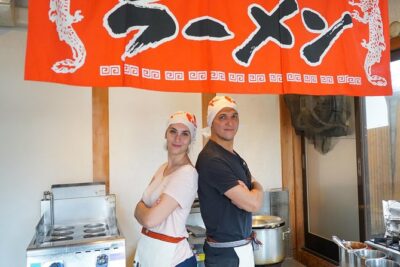
Ramen Cooking Class at Ramen Factory in Kyoto
Read our review →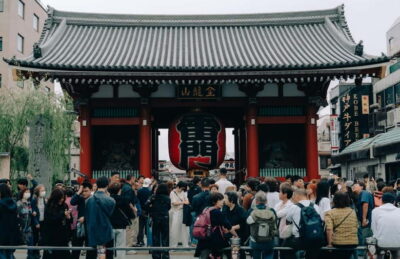
Tokyo: Sushi Making Class in a Happi Coat near a Famous Spot
Read our review →
Sushi Making Tokyo! Popular Maki Sushi & Japanese Sushi(+Recipe!)
Read our review →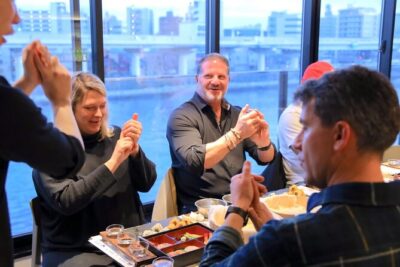
Sushi Making Osaka Roll and Authentic Japanese Sushi Class
Read our review →
Tokyo Sushi Making Class in Tsukiji with Professional Chef
Read our review →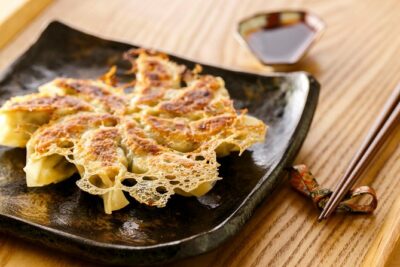
Ramen & Gyoza Cooking Class in Tokyo with Local Supermarket Visit
Read our review →Browse the lists this tour appears in